
Known for his innovation and bold colour palettes, Murtaja Baseer painted “Eruption-8” in 1998 as part of a series. The 1990s was the decade of Bangladesh’s return to democracy. Though the end of the military dictatorship did not translate into the emancipation of the people. It is in this backdrop that the master modernist expressed his social-political concerns through a series that used the chassis of an old automobile as a means of metaphoric reflection on reality. Without trying to cling to false hopes, he painted the mirror image of society that was in need of a complete overhaul. The “Eruption” series was thus a way for him to navigate what lay under the surface to articulate the state of disrepair without giving into despair. In this particular piece, the three holes akin to bullet wounds, with the orange-red patches next to them as well as streaks that run across the portion above, the artist seems to explicate a sense of unease. The composition is built on a minimal colour palette and applies painterly gestures sparingly, yet it seems as if it is bursting at the seams. It is Murtaja’s ability to express the social facts in subtle subtext that the paintings of Murtaja Baseer still appeal to a wider audience.

Murtaja Baseer
Murtaja Baseer (1932-2020) was a Bangladeshi painter and artist known for his pioneering experimentation in both figurative representation and abstraction. He always used actual objects as reference for his abstract works and to emphasise this fact he named his method of painting “abstract realism”. He was also a poet, author, researcher and numismatist. In his early life, he famously wrote the script for one of the most iconic Bengali films of the country. In 1949, Murtaja enrolled at Dacca Art College, now Faculty of Fine Arts, University of Dhaka. After graduating in 1954, he studied at the Academy of Fine Arts of Florence from 1956 to 1958 and studied mosaic and etching at École Nationale Supérieure des Beaux-Arts in Paris from 1971 to 1973. Upon his return from France in 1973, he had his solo where he showcased his famous series on the Liberation War titled Epitaph for the Martyrs. He joined the University of Chittagong as an assistant professor of fine arts and served until his retirement as a professor of fine arts in 1998. He was active in Left politics during his student years in Dhaka in the 1950s and he also spent three months in prison for his participation in the Language Movement. Murtaja Baseer was awarded Ekushey Padak, Bangladesh’s second-highest civilian honour, in 1980, and Swadhinata Padak (Independence Award), Bangladesh’s highest state award, in 2019. He died in 2020 due to old-age complications.
Eruption- 8


The Wing - 12
“The Wing-12” is one of the 37 oil-on-canvas paintings from the “The Wing” series. This 1998 painting by Murtaja Baseer concerns itself with the idea of beauty, truth and spirituality. The artist cast a disinterested eye on the never-ending patterns we encounter in butterfly wings. Here too the modern master skillfully augmented the pattern he discovered in nature and turned it into a painting. It is a clear testimony of his method of scaling up a natural image or object, a process he thoughtfully named abstract realism. The vitality and grandeur he achieves in this piece direct our attention to the fact that nature remains an eternal source of uncomparable beauty. Murtaja captures the extraordinary in the ordinary, bringing to our attention the bounty of nature about which our collective awareness is on the wane. His painting speaks with gravity and invites us to take a pause to admire and acknowledge what often escapes our attention. His paintings work their magic on us by pointing to our inability to see beyond the veil of obviousness as they wake in us the awareness about the beauty of natural objects and life-forms that are all around us.
Art Style
Murtaja Baseer’s artistic trajectory went through several transformations starting from his early figurative works to his abstract idioms that began with the “Wall” series and then went through many new forms of expression he used to describe as “abstract realism”. They include the most notable series – “Epitaph for the Martyrs”, “Irruption” and “Wing”. His works always stemmed from the observable world. His ability to enhance the formal appeal with the application of colours made him one of the sought after artists of his generation. Sometimes his formal experimentations were considered a critical commentary on society. The “Wall” series done in the late 1960s was conceived as a testimony to his time, when the idea of Pakistan was gradually losing its political relevance and Bangladesh as an independent country was becoming inevitable. His signature use of lines in his figurative works and the spectrum of colours he chose to use in his abstract works has been considered an exploration into the psychosocial aspects of image-making. A leading figure in Bangladesh art, Murtaja Baseer’s legacy lives on through the works he painted in series, including “Kalima Tayeba” that uses the Tugra style of calligraphy of the Sulatani period and “Wings” that magnified details of the butterfly wings to home in on the unparalleled beauty found in nature.
Gallery
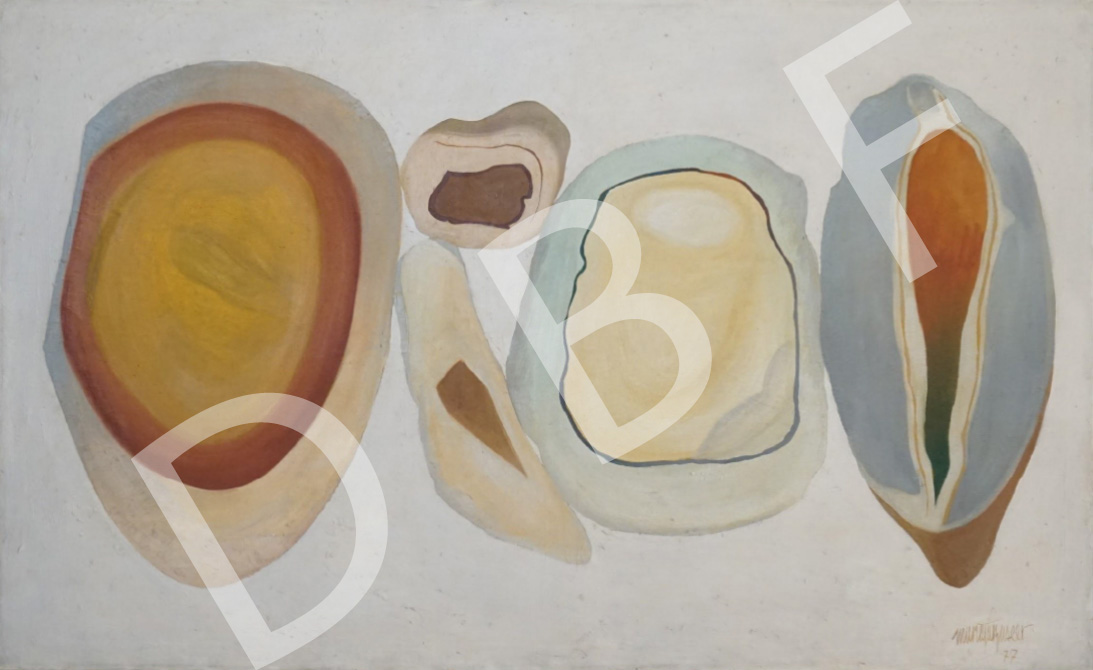
Title: Epitaph
Size: 35 1⁄2”X 56 inch
Year: 1977
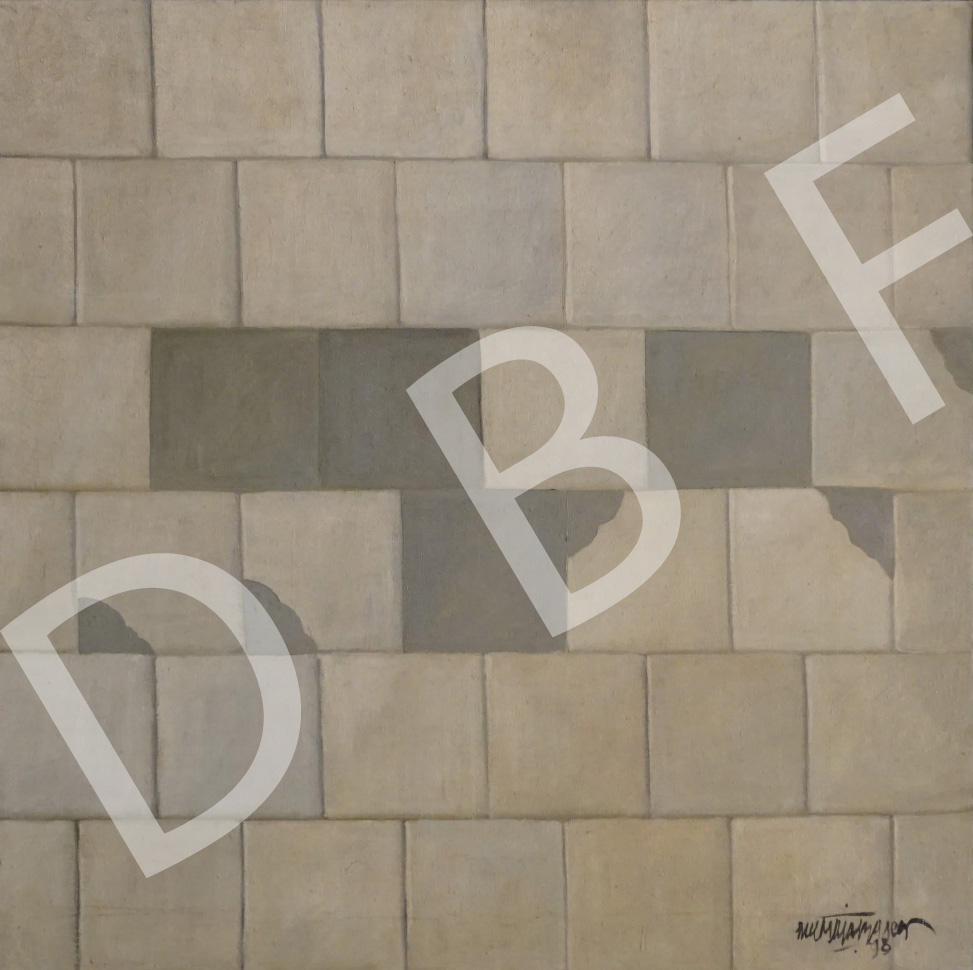
Title: Fallen Tiles 1
Dimension: 36″ X 36″
Year: 1998
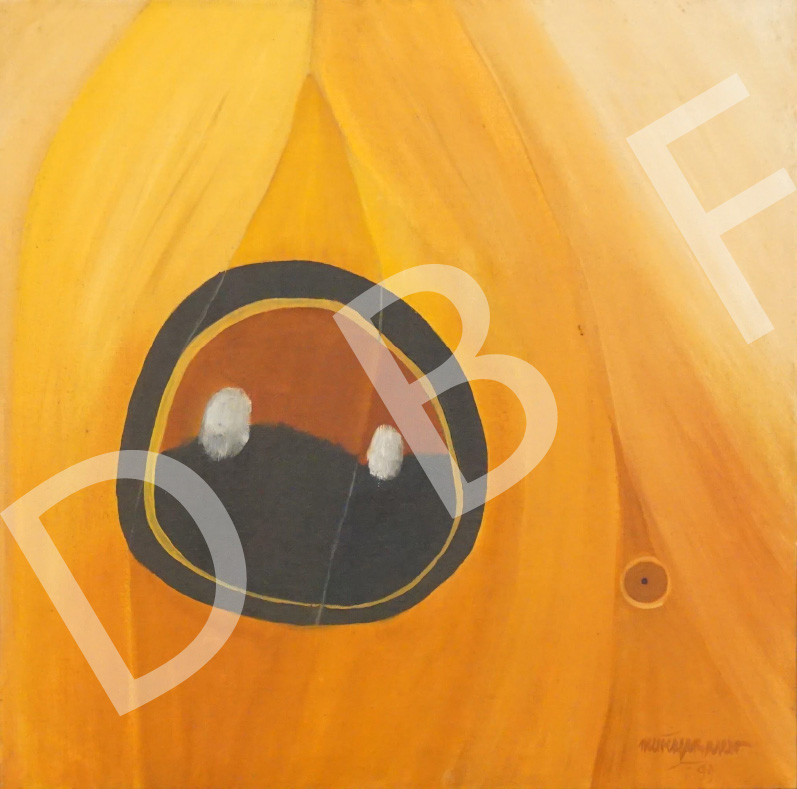
Title: Wing
Size: 24" X 24“ inch
Year: 1999
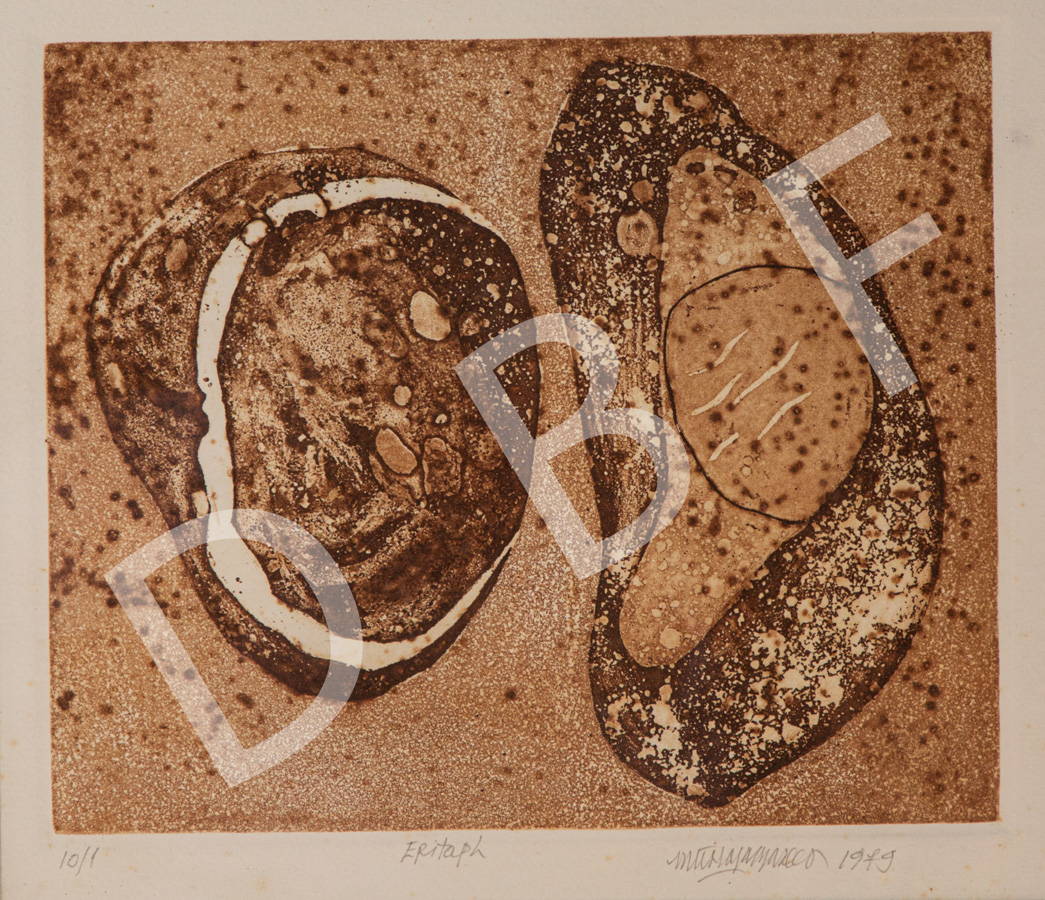
Title: Epitaph
Size: 11 x 13 inch
Year: 1979
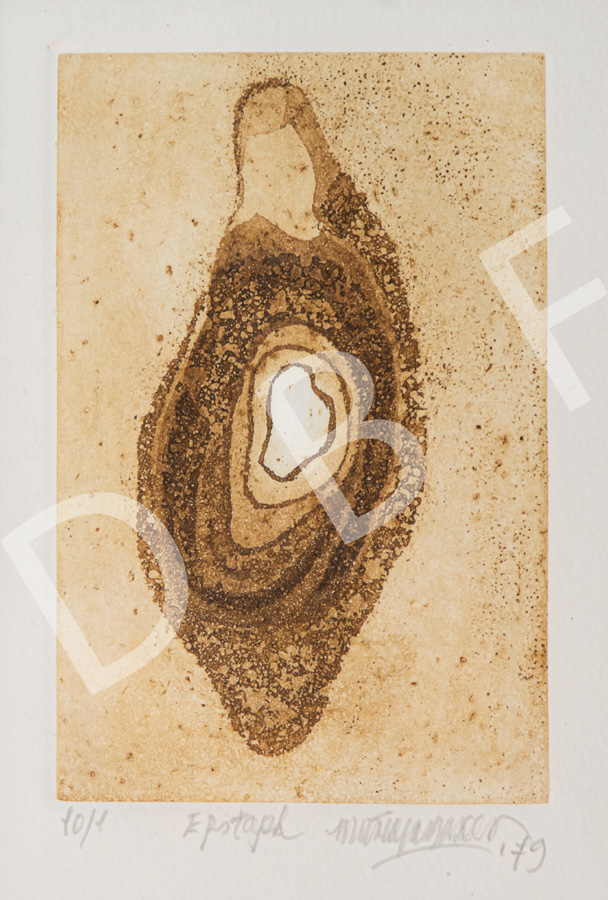
Title: Epitaph
Size: 9 x 6 inch
Year: 1979
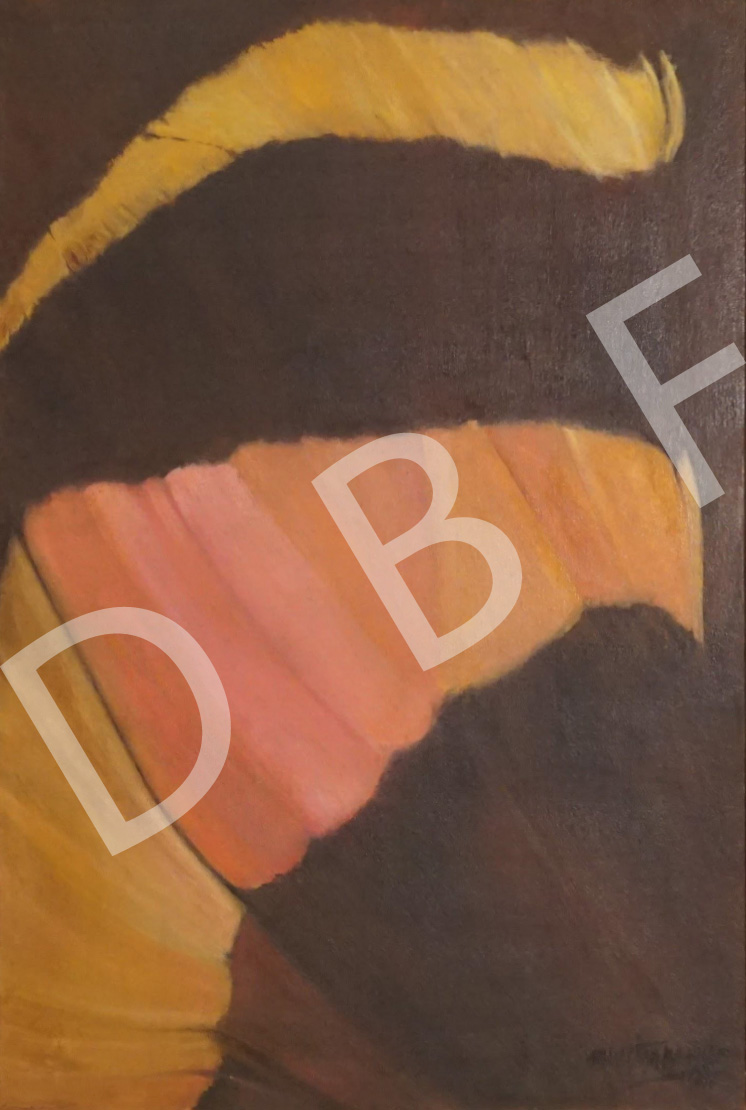
Title: Wings
Size: 30” X 20” inch
Year: 2005
Media: Oil on canvas
Ref. No: 90
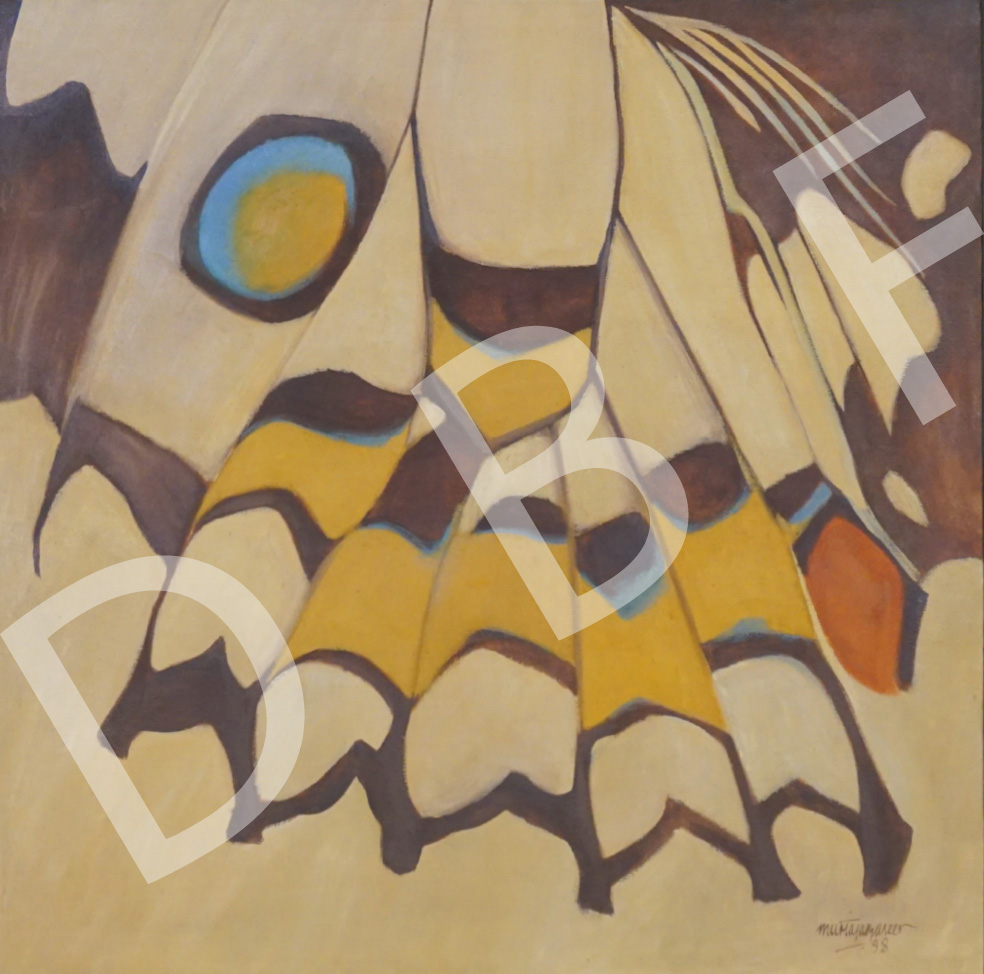
Title: The Wing-12
Size: 36” X 36” inch
Year: 1998
Ref. No: 118
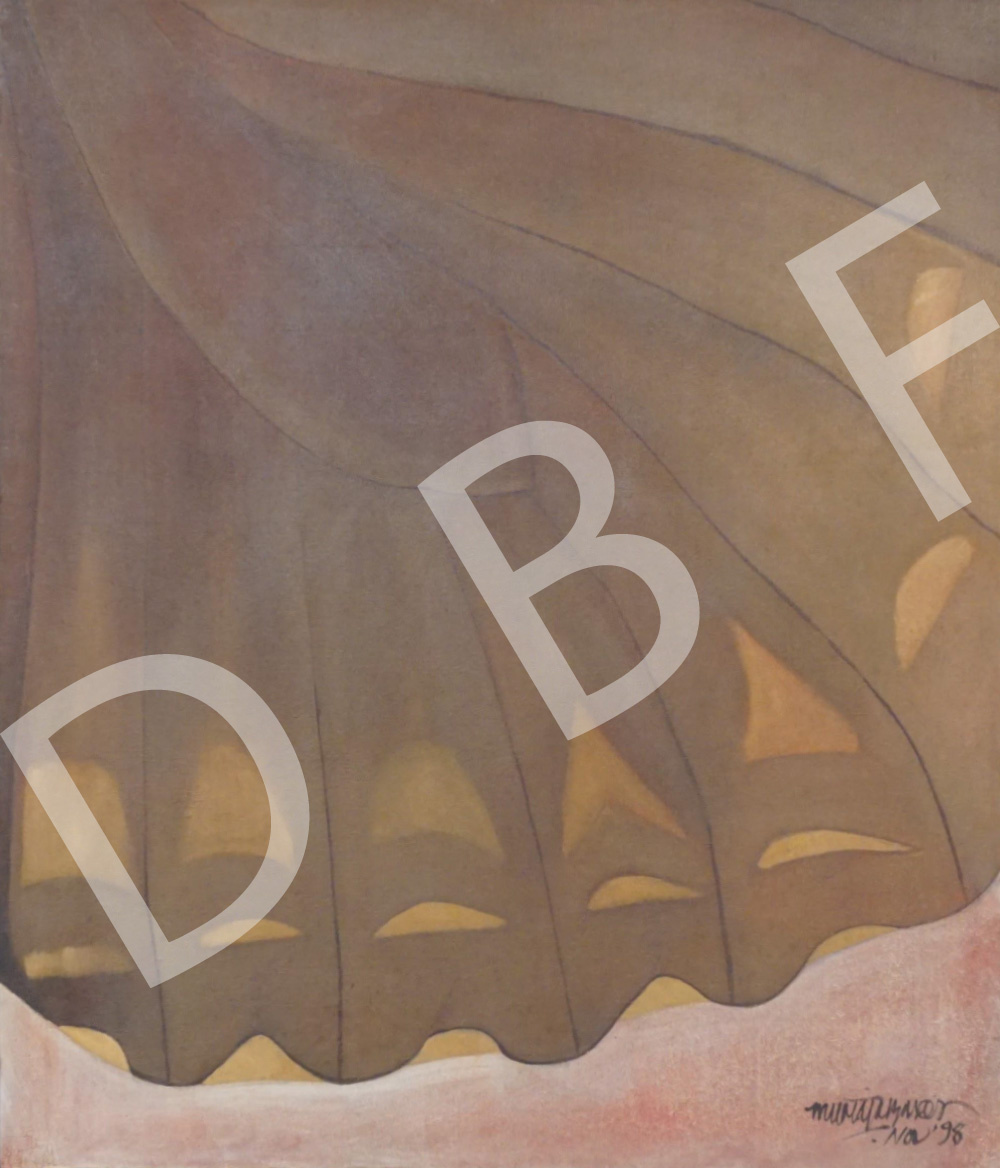
The Wing-5
Size: 42” X 36” inch
Year: 1998
Ref. No: 129
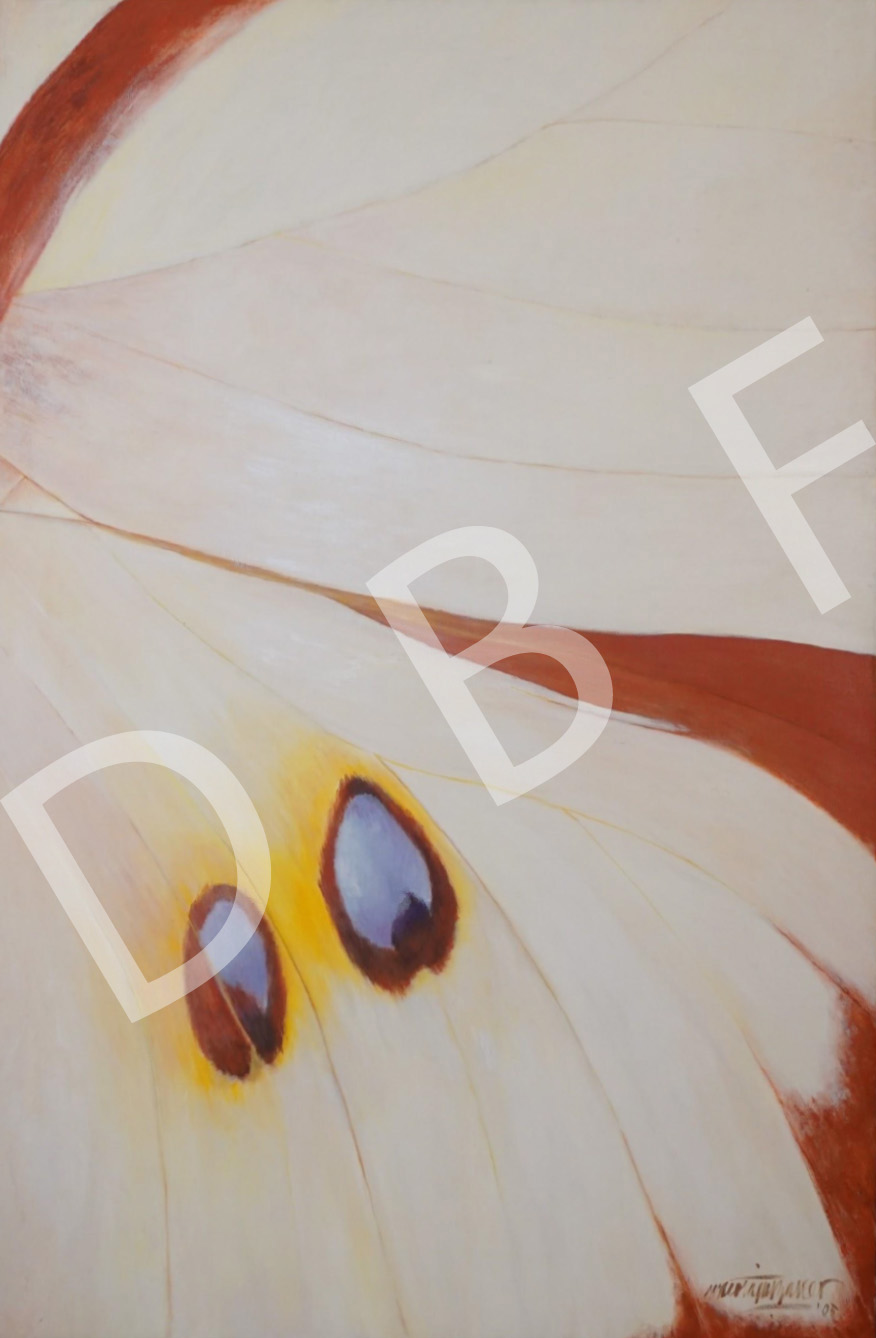
Title: The Wing
Size: 71” X 47” inch
Year: 2005
Ref. No:147

Title: Image# 2
Size: 7.5 x 10 inch
Year: 1972
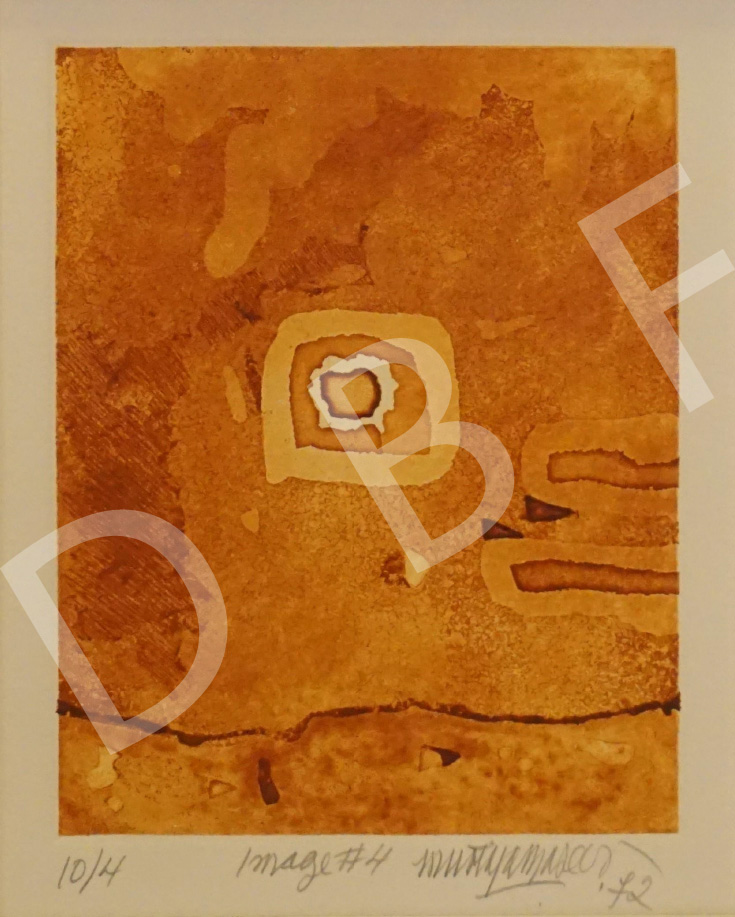
Title: Image#4
Size: 8 1⁄2” X 6 1⁄2” inch
Year: 1972
Ref. No: 233
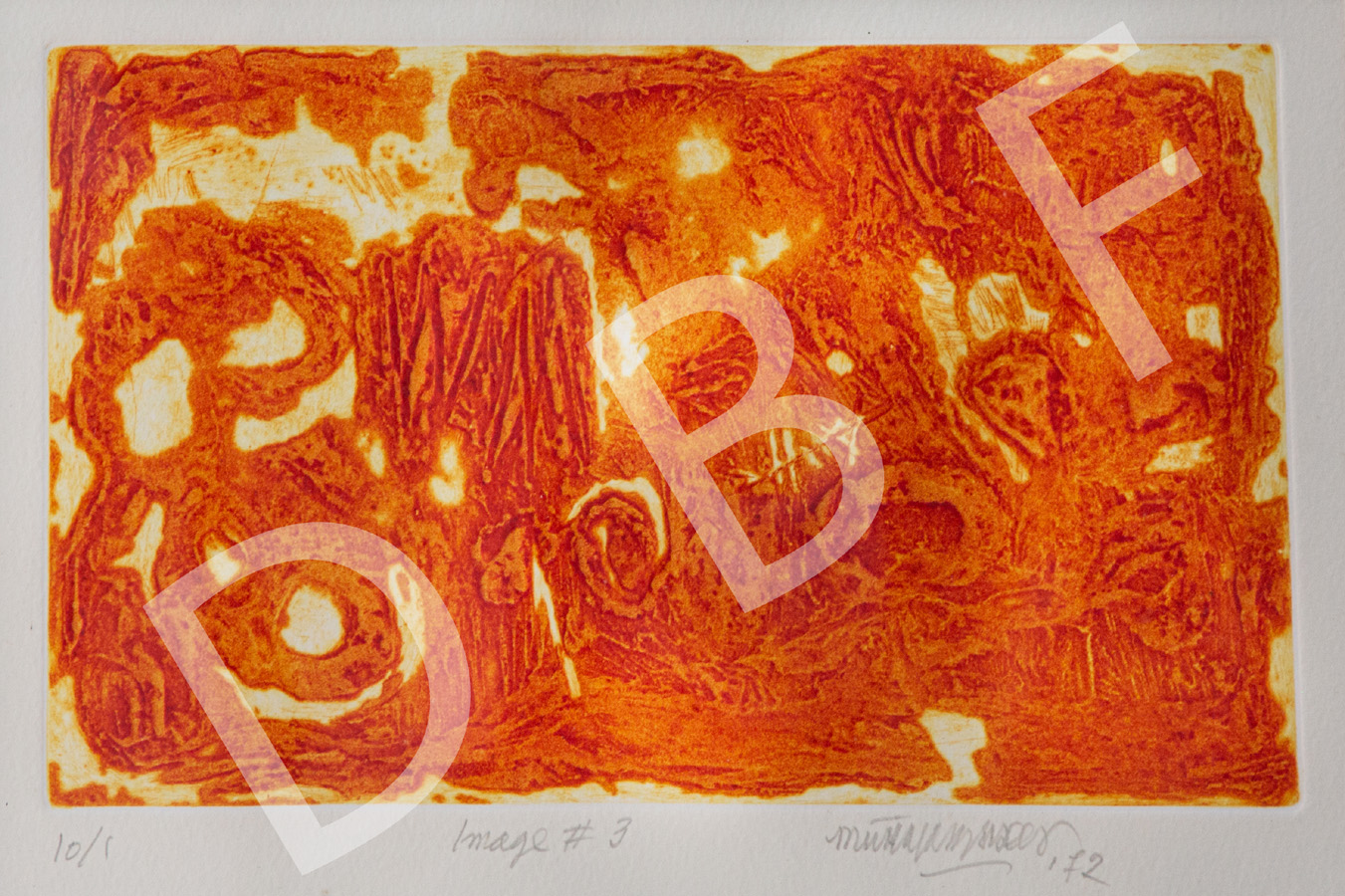
Title: Image# 3
Size: 11.5 x 7.5 inch
Year: 1972
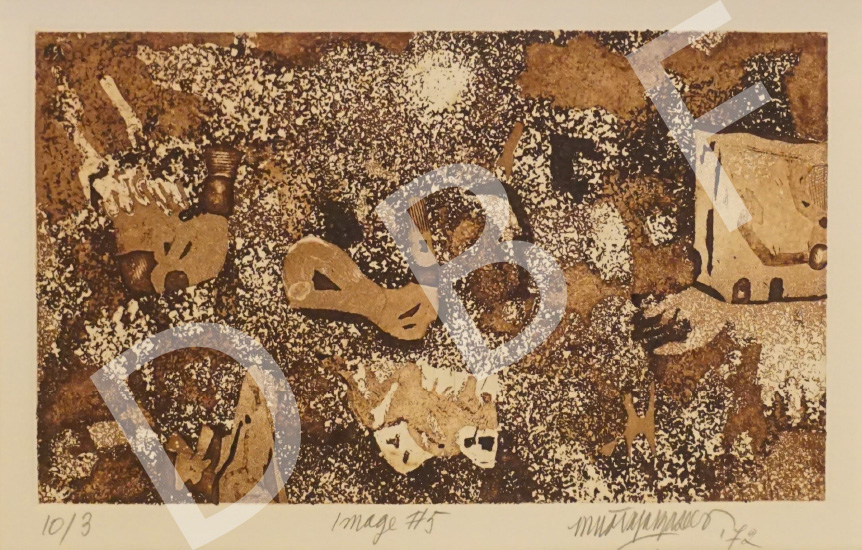
Title: Image# 5
Size: 7 1⁄2” X 11 1⁄2” inch
Year:1972
Ref. No: 230
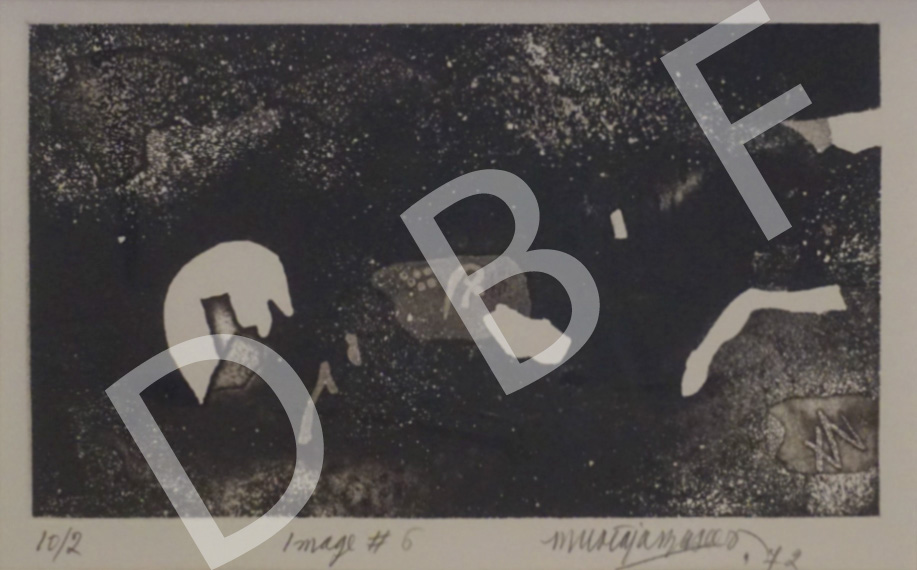
Title: Image# 6
Size: 7 1⁄2” X 11 1⁄2” inch
Year: 1972
Ref. No: 227

Title: Image# 7
Size: 9 x 12 inch
Year: 1972
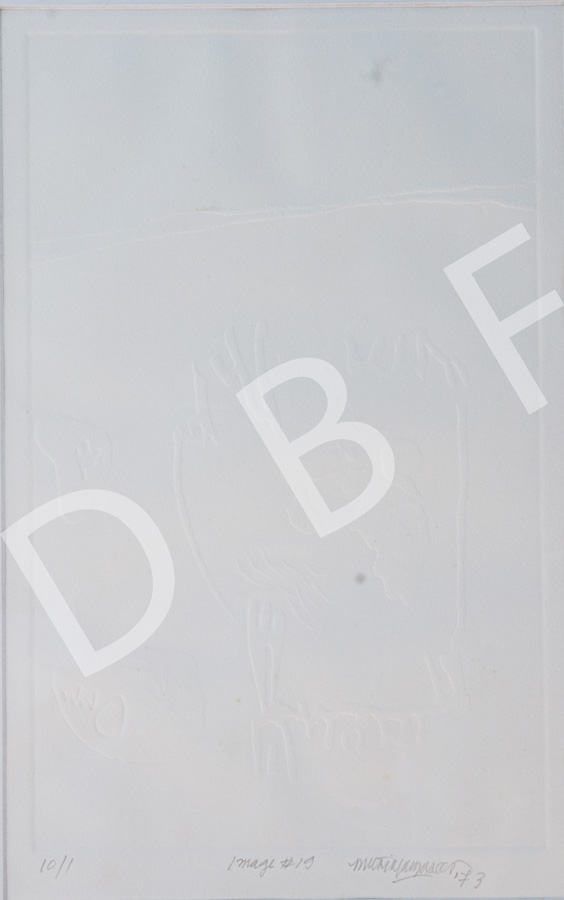
Title: Image# 9
Size: 11 x 17 inch
Year: 1973
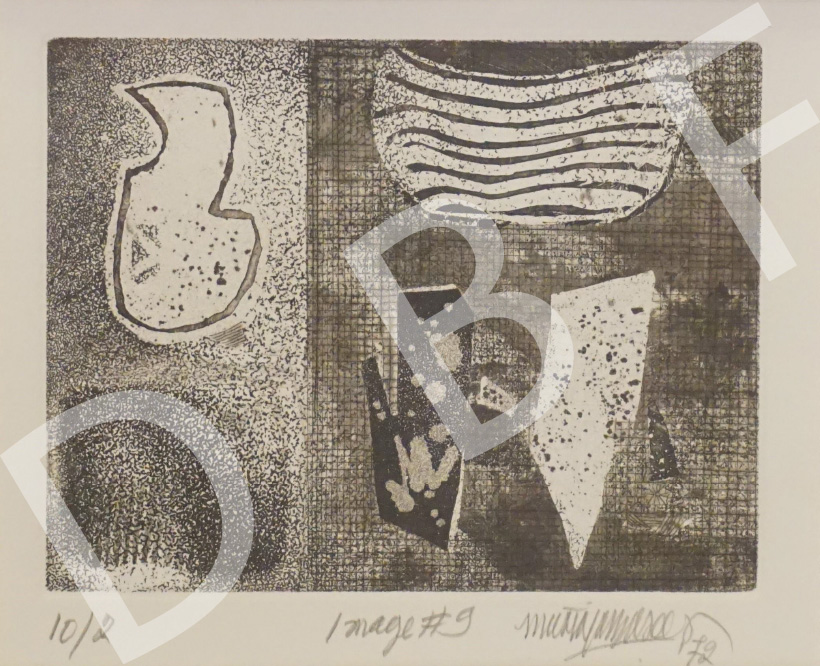
Title: Image# 9
Size: : 7 X 8 1⁄2” inch
Year: 1972
Ref. No: 232

Title: Image#11
Size: 6” X 6 1⁄2” inch
Year: 1973
Ref. No: 236
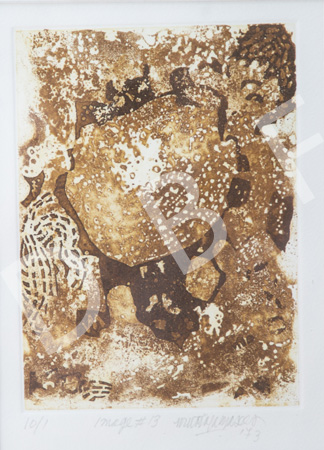
Title: Image# 13
Size: 7.25 x 10 inch
Year: 1973
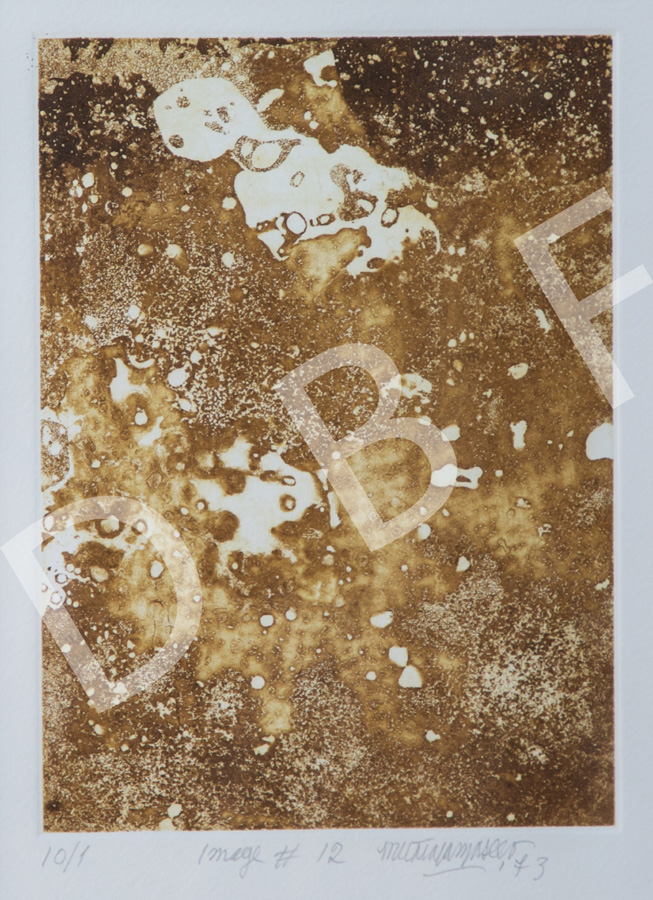
Title: Image# 12
Size: 7.5 x 10 inch
Year: 1973
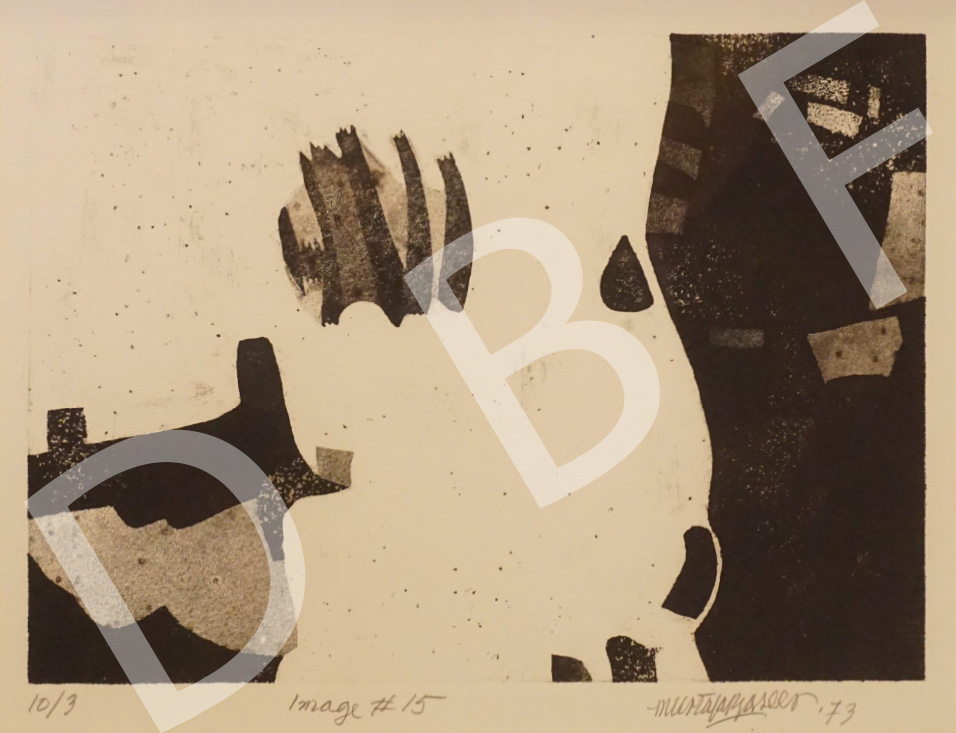
Title: Image# 15
Size: 10 1⁄2” X 14 inch
Year: 1973
Ref. No: 237
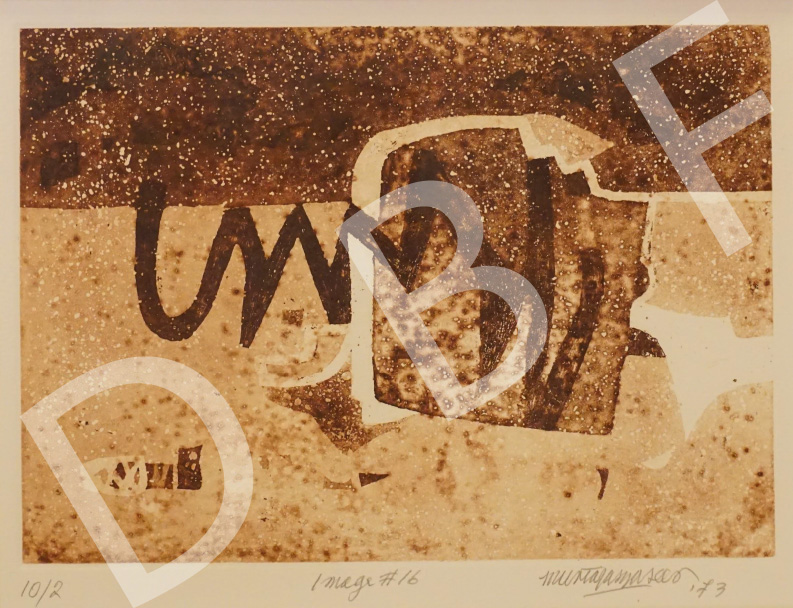
Title: Image# 16
Size: 10 1⁄2” X 13 1⁄2” inch
Year: 1973
Ref. No: 238
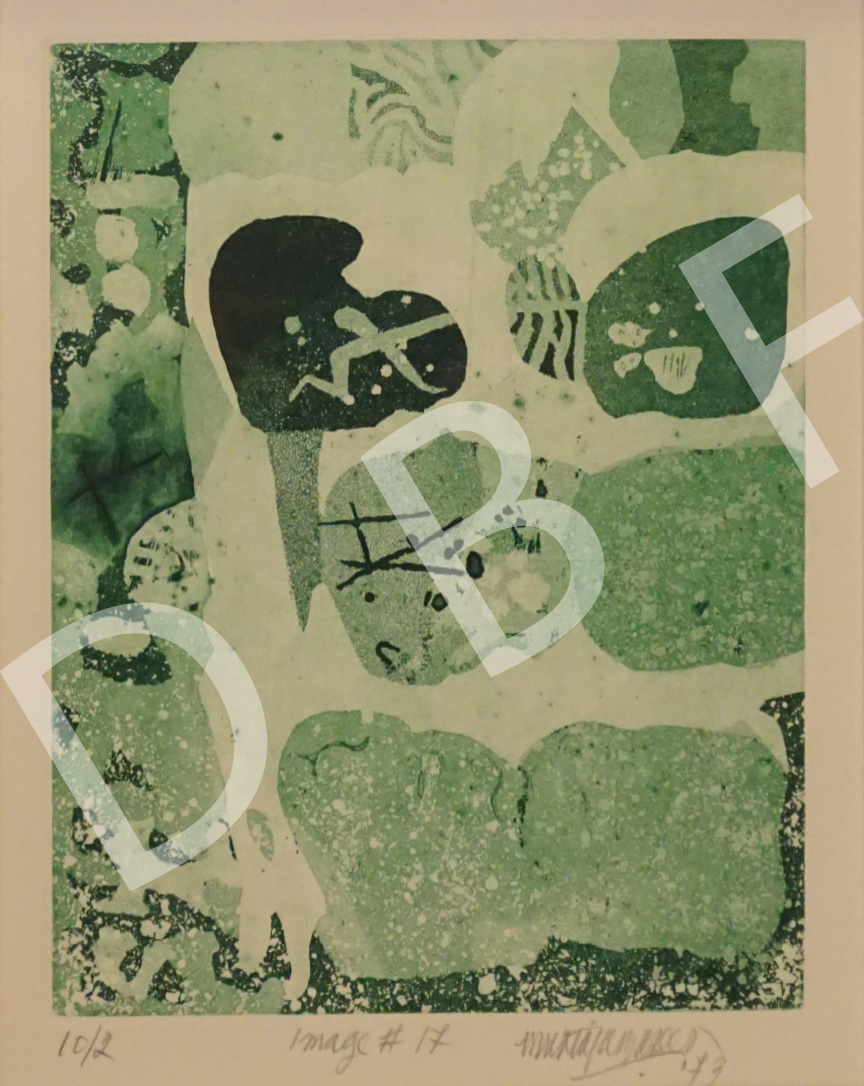
Title: Image# 17
Size: 12” X 9 1⁄2” inch
Year: 1973
Ref. No: 240
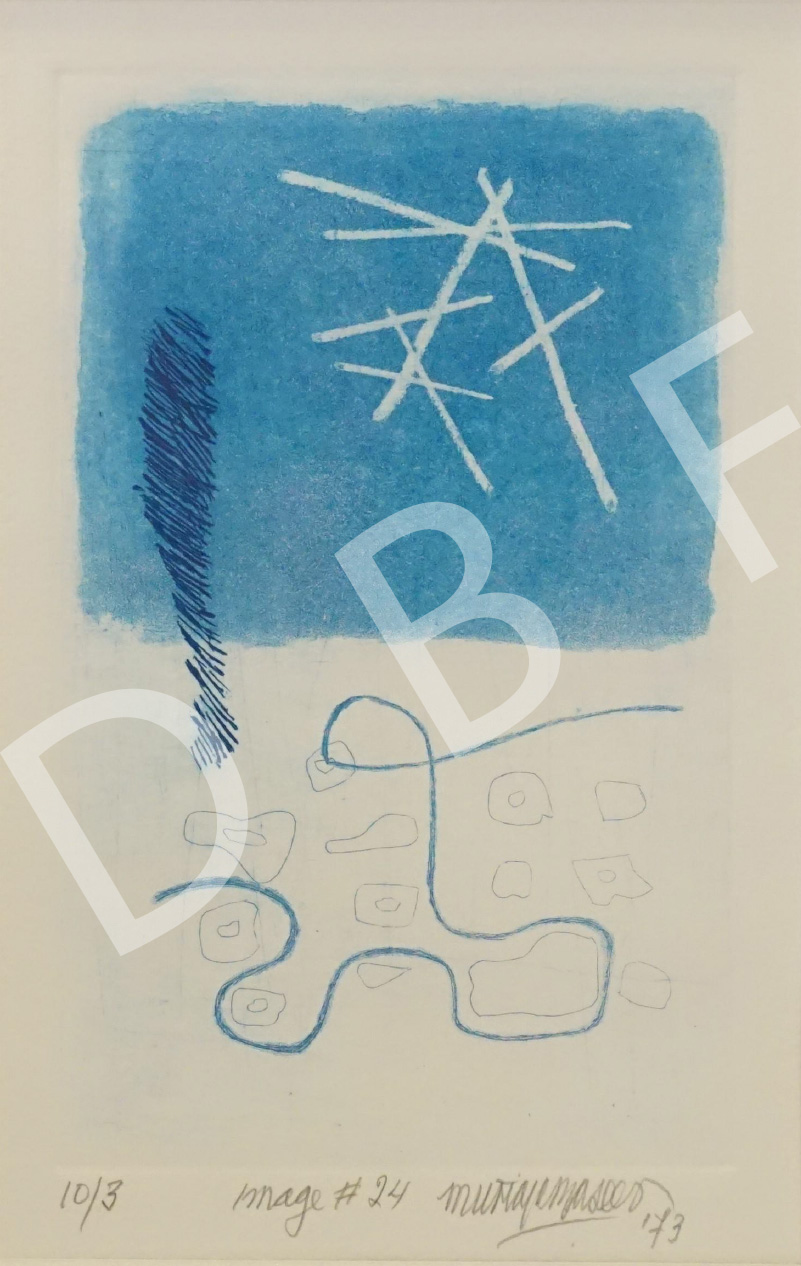
Title: Image# 24
Size: 11 X 7 inch
Year: 1973
Ref. No: 228

Title: She
Size: 8 1⁄2” X 6 inch
Year:1979
Ref. No: 229
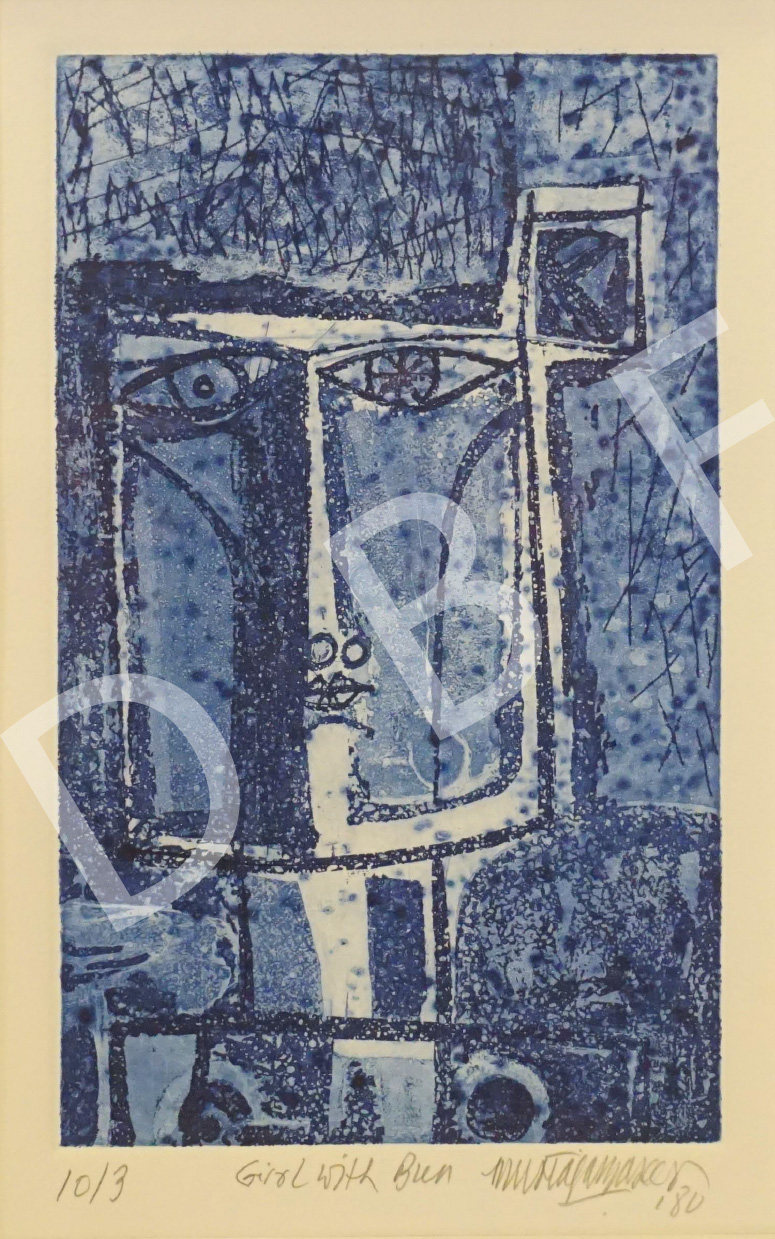
Title: Girl with Bun
Size: 7 X 11 inch
Year: 1980
Ref. No: 231
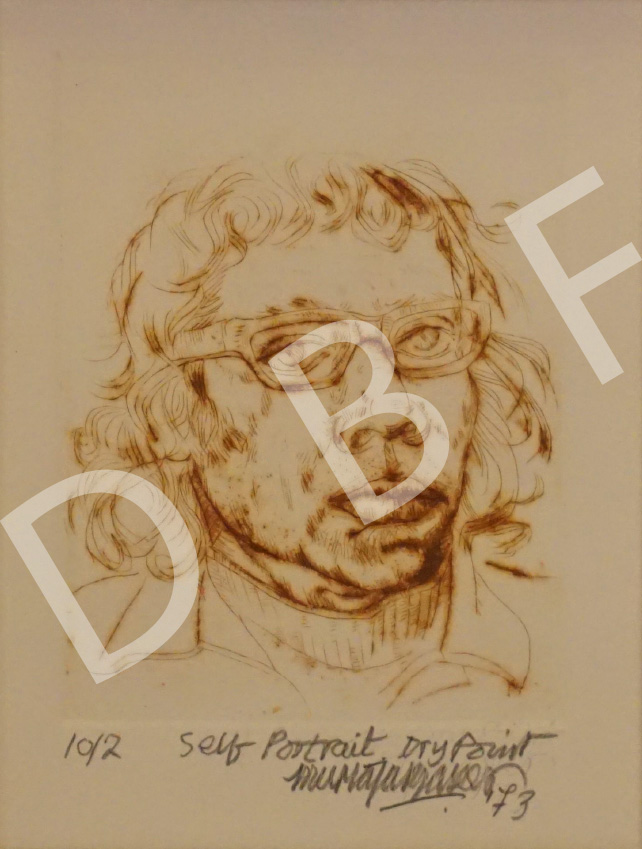
Title: Self portrait dry point
Size: : 6 “X 4 1⁄2” inch
Year: 1973
Ref. No: 234
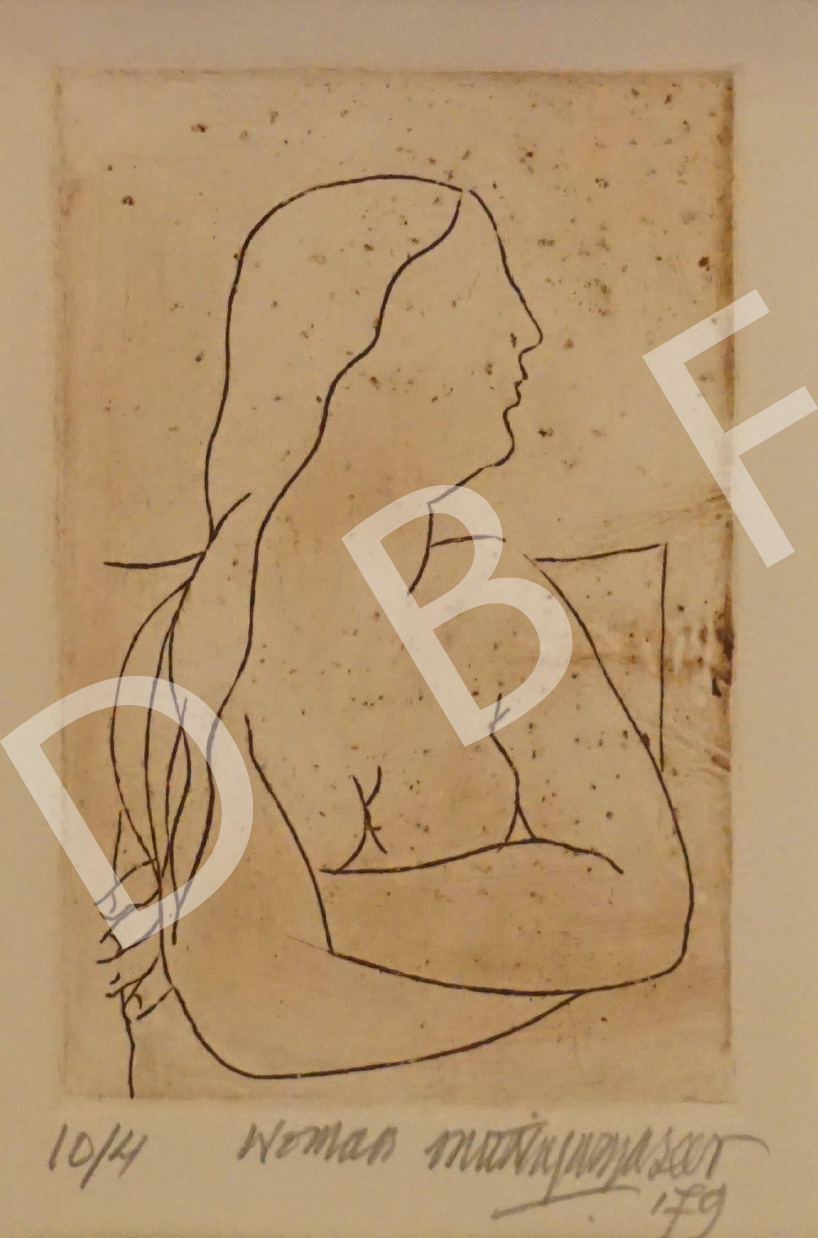
Title: Women
Size: 6 X 4 1⁄2” inch
Year: 1979
Ref. No: 235
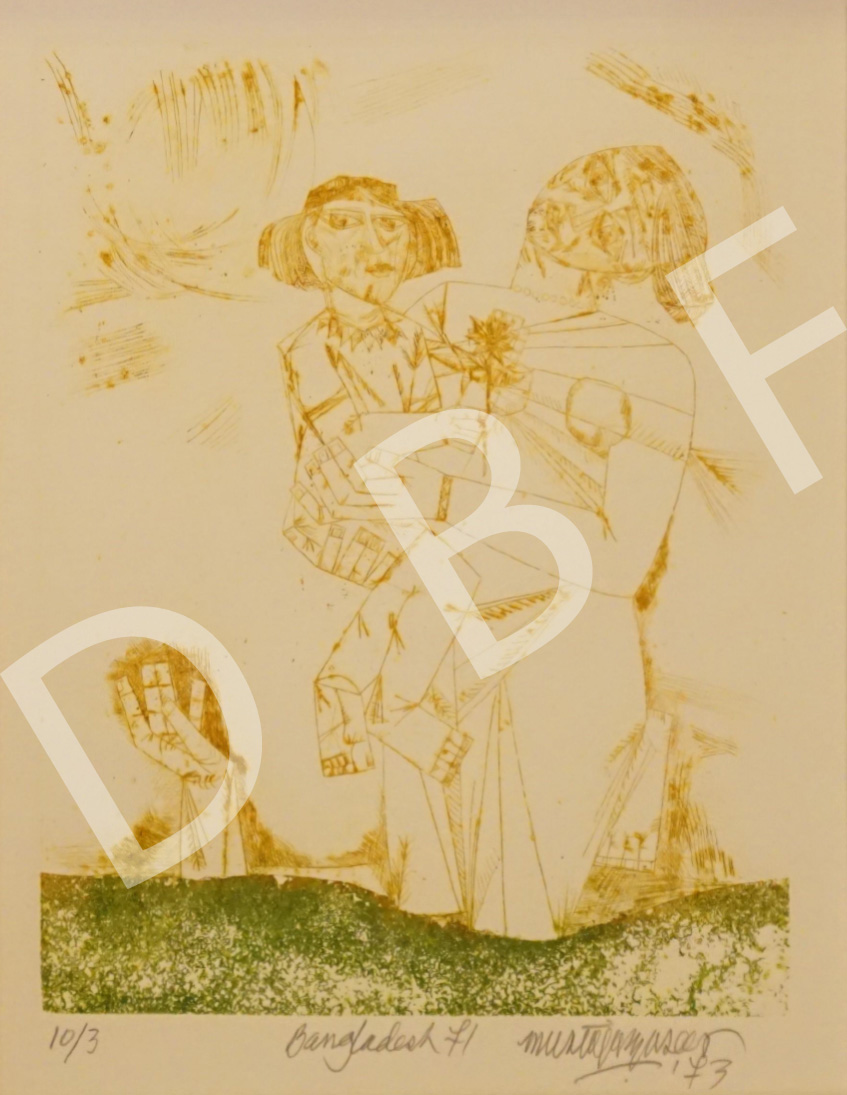
Title: Bangladesh 71
Size: 12“ X 9 1⁄2” inch
Year: 1973
Ref. No: 239
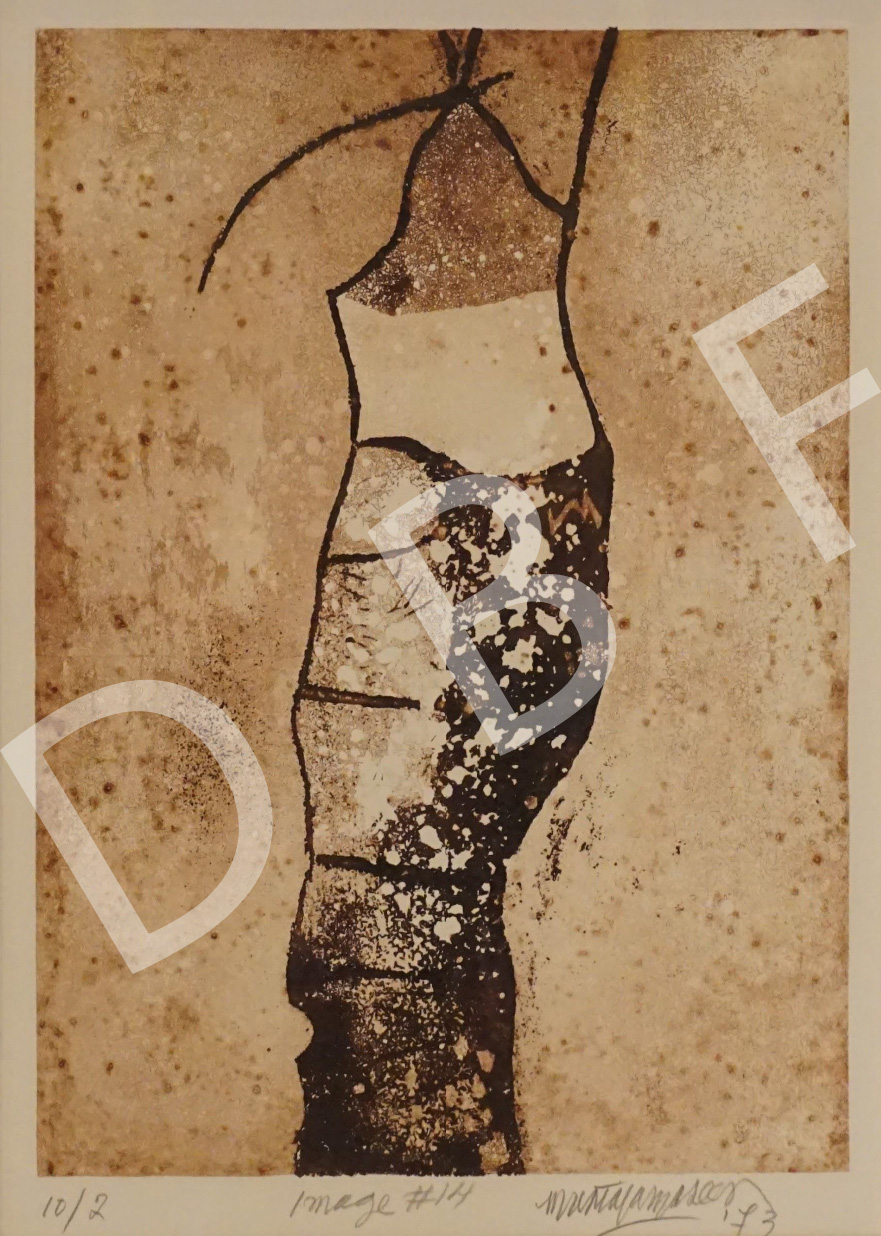
Title: Image# 14
Size: 14” X 10” inch
Year: 1973
Ref. No: 262
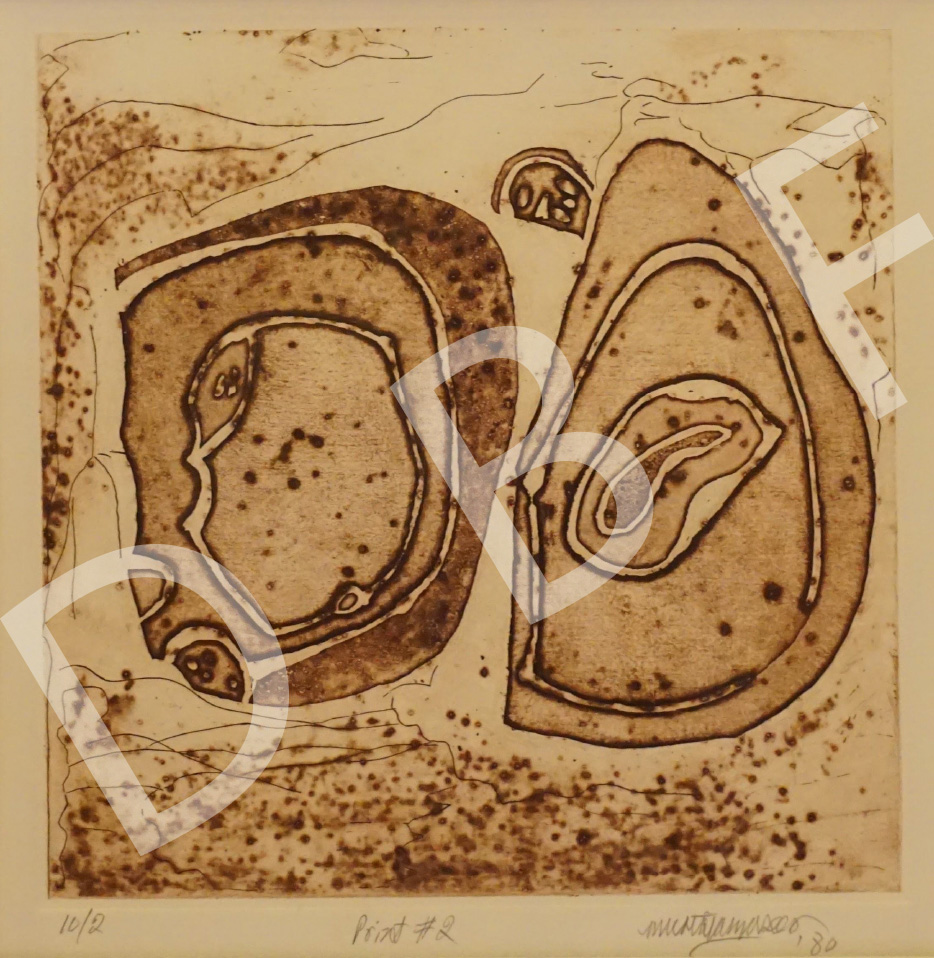
Title: Print-2
Size: 13” X 13” inch
Year: 1980
Ref. No: 263
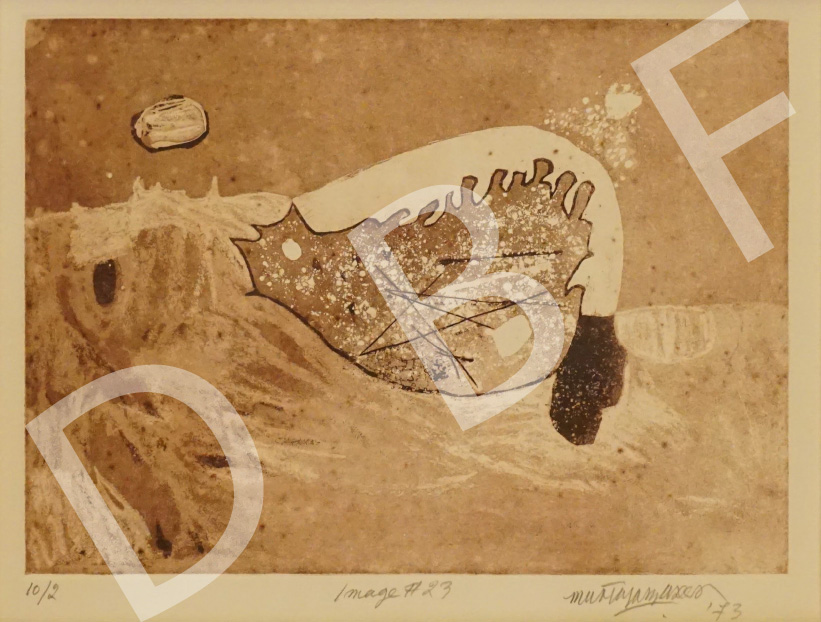
Title: Image# 23
Size: 11” X 14 1⁄2” inch
Year: 1973
Ref. No: 264
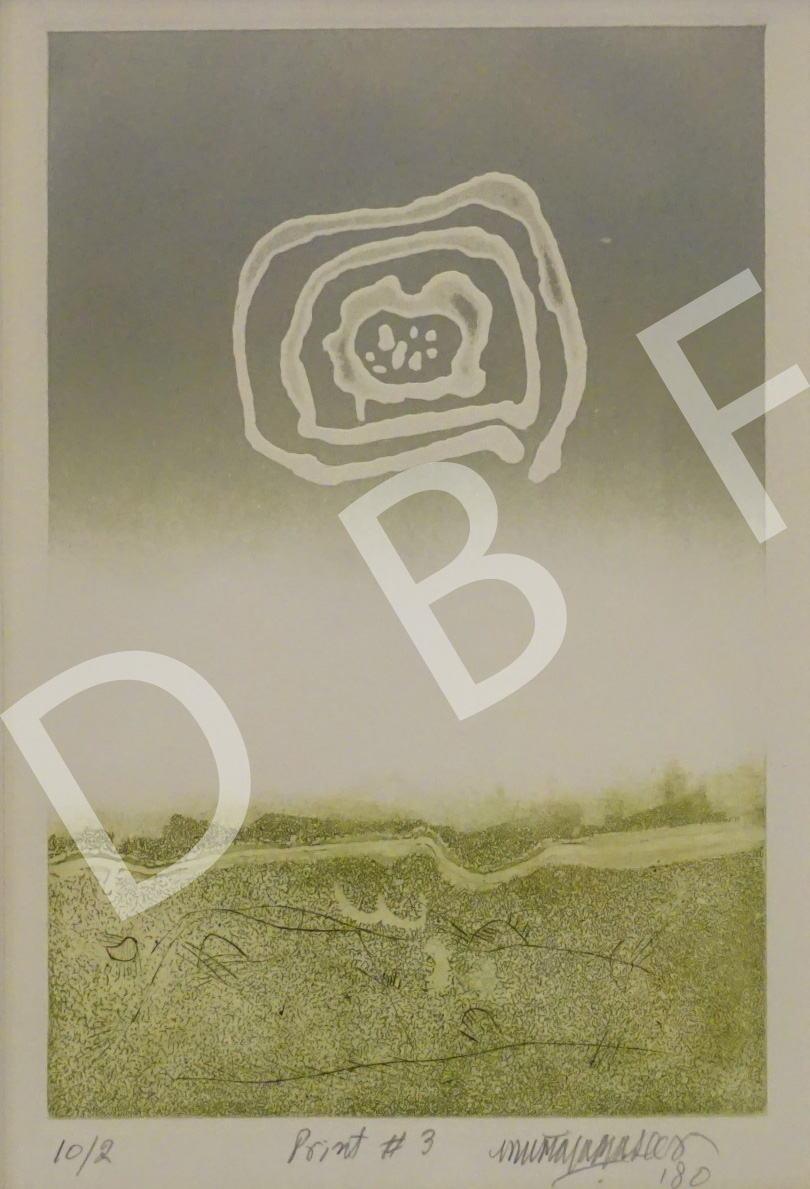
Title: Print -3
Size: 13” X 9” inch
Year: 1980
Ref. No: 265
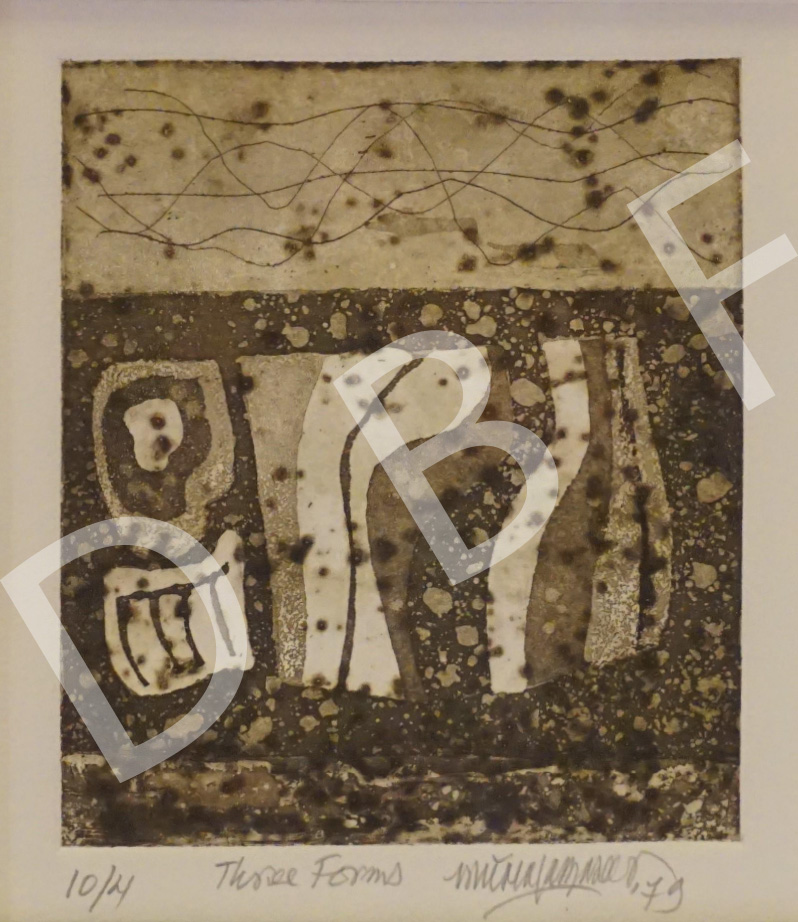
Title: Three Forms
Size: 8” X 7” inch
Year: 1979
Ref. No: 266
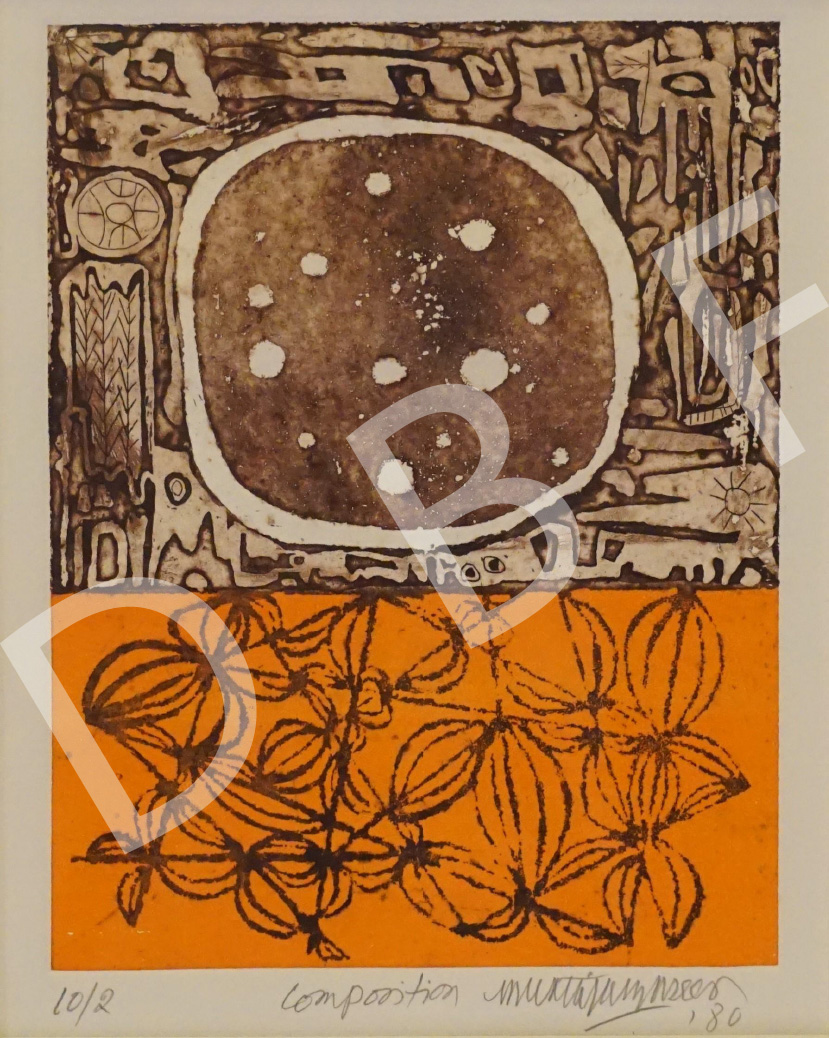
Title: Composition
Size: 11” X 9” inch
Year: 1980
Ref. No: 267
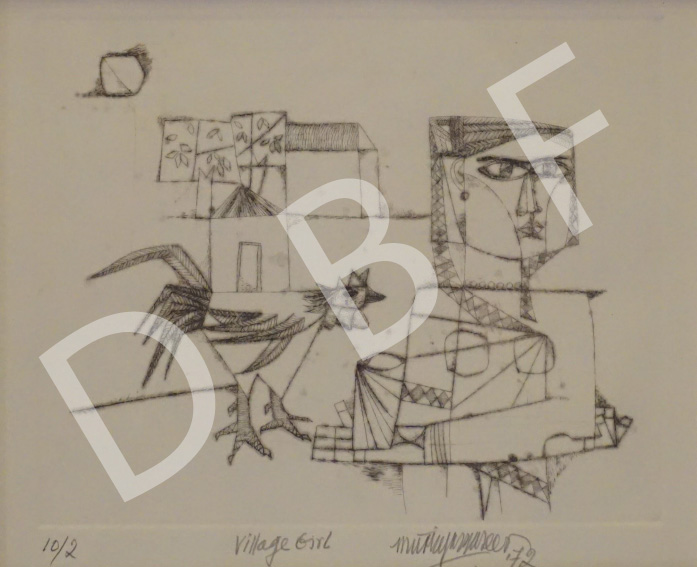
Title: Village Girl
Size:9” X 11” inch
Year: 1972
Ref. No: 268

Size: 27” X 19” inch
Year: 2019
Ref. No: 448
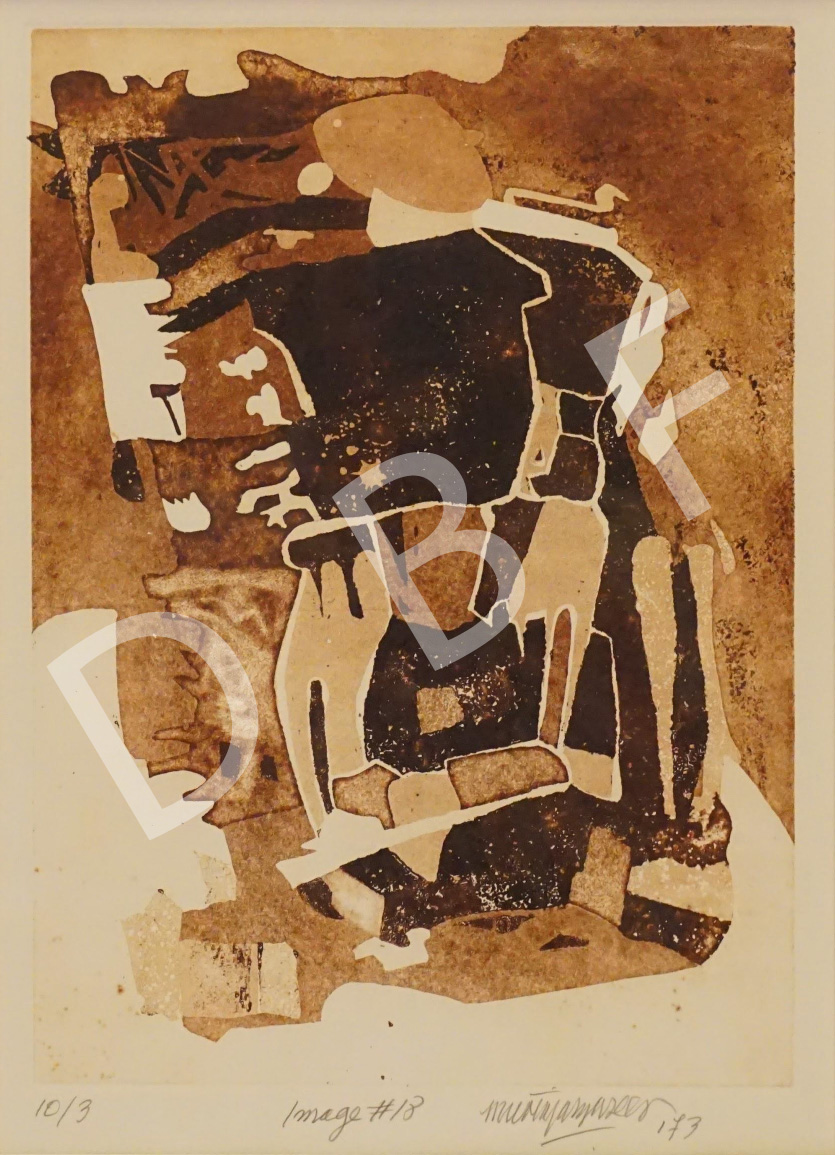
Title: Image# 18
Size: 15” X 11” inch
Year: 1973
Ref. No: 269
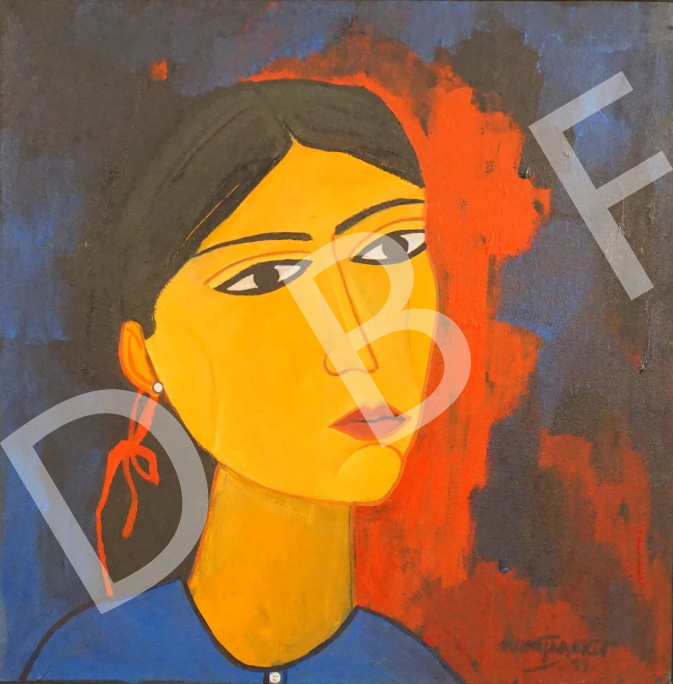
Title: Portrait
Size: 24" X 24“ inch
Year: 1999
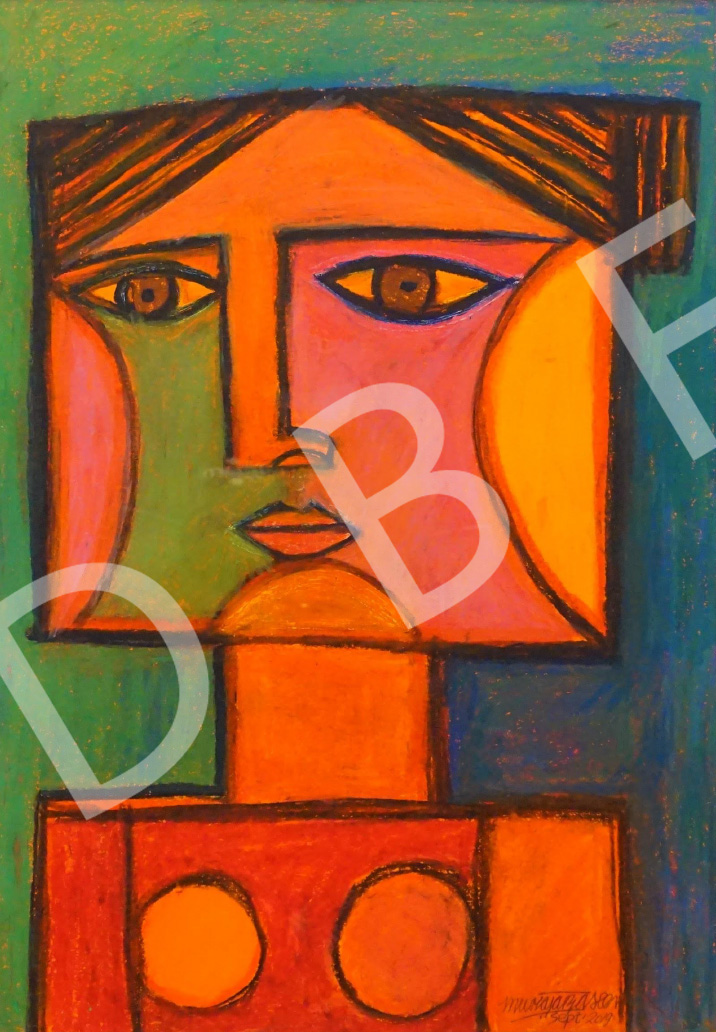
Title: Untitled
Size: 27” X 19” inch
Year: 2019
Ref. No: 448

Title: Image#20
Size: 8.5 x 12.5 inch
Year: 1973
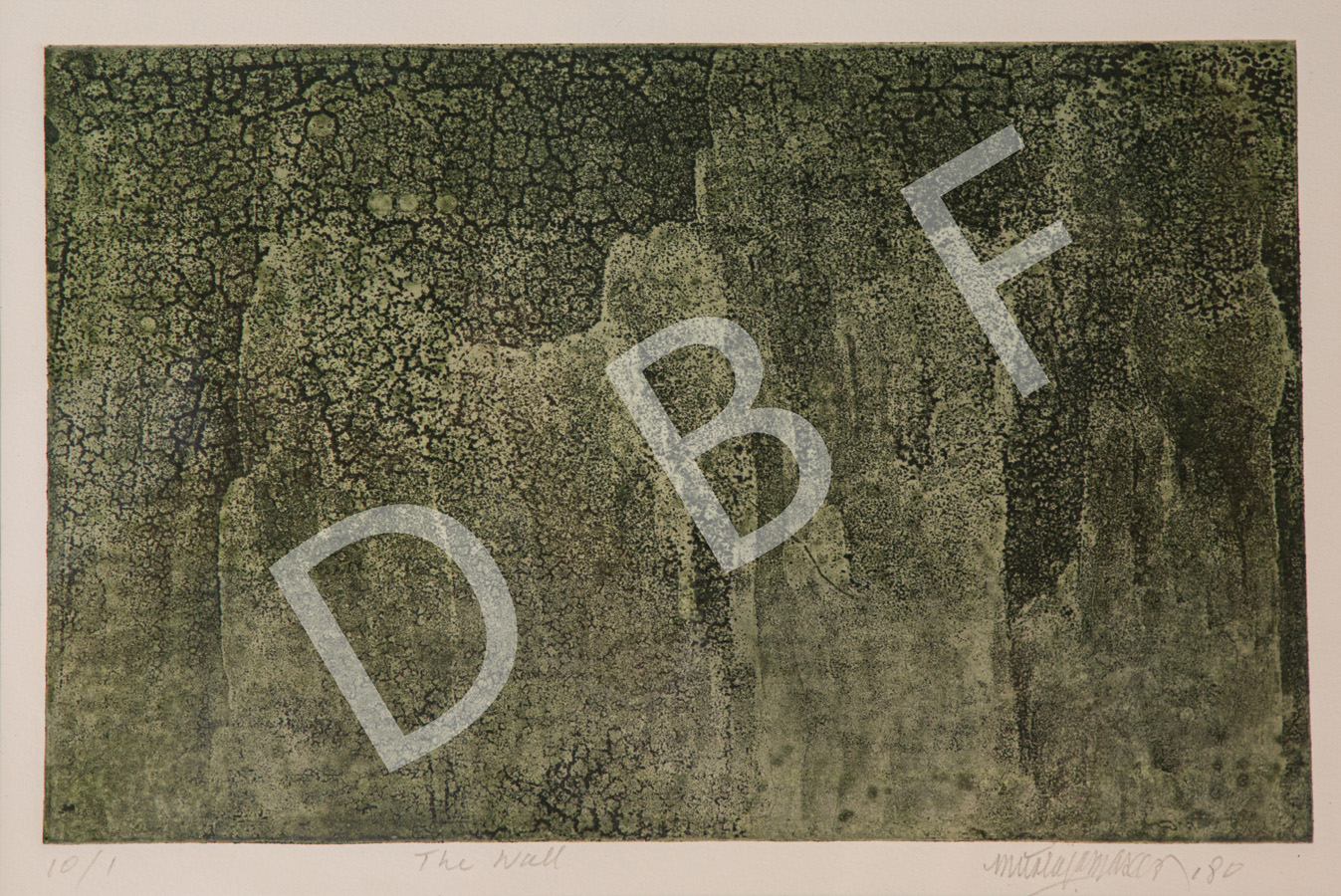
Title: The Wall
Size: 16 x 11.5 inch
Year: 1980
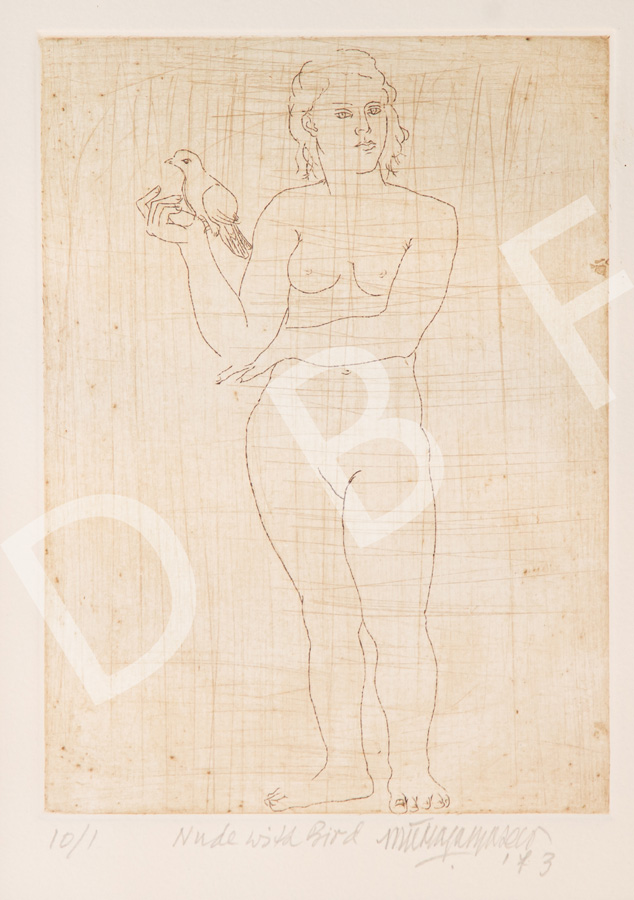
Size: 10 x 7.5 inch
Year: 1973
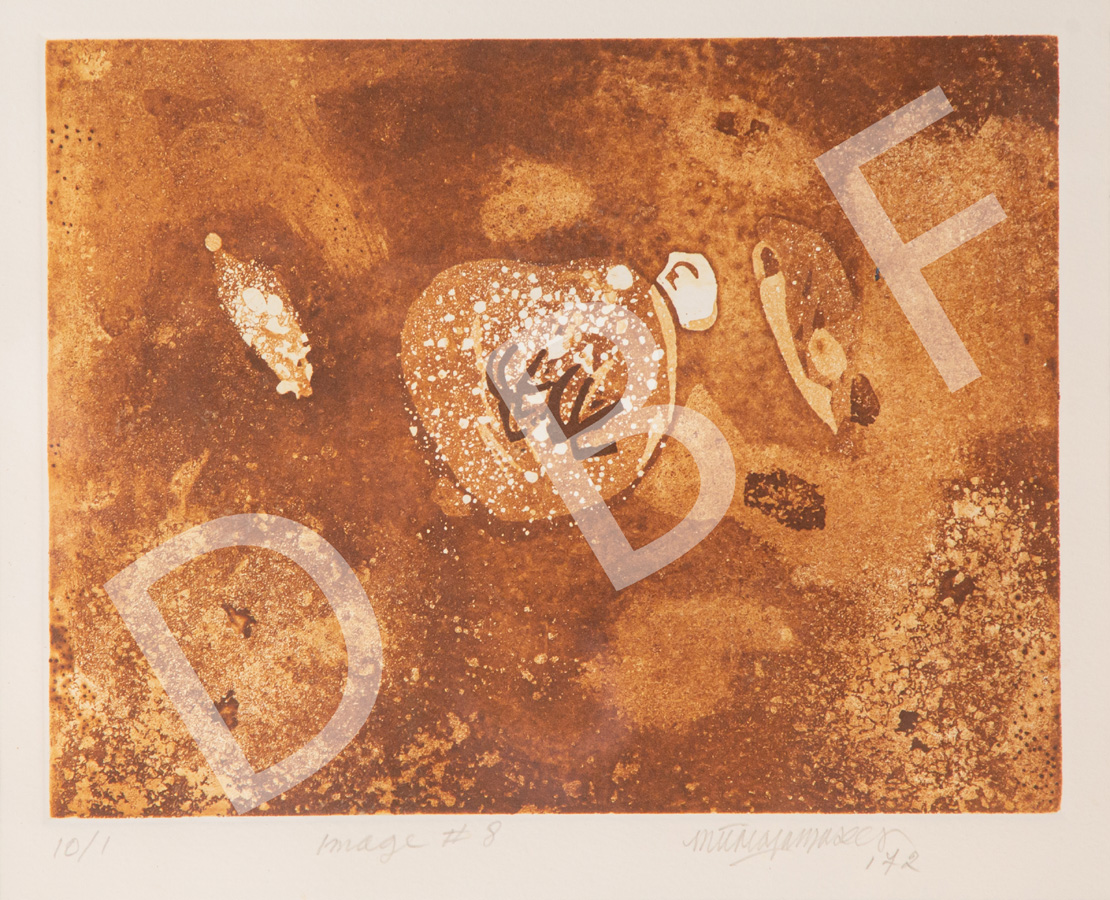
Title: Image# 8
Size: 11.5 x 9.5 inch
Year: 1972
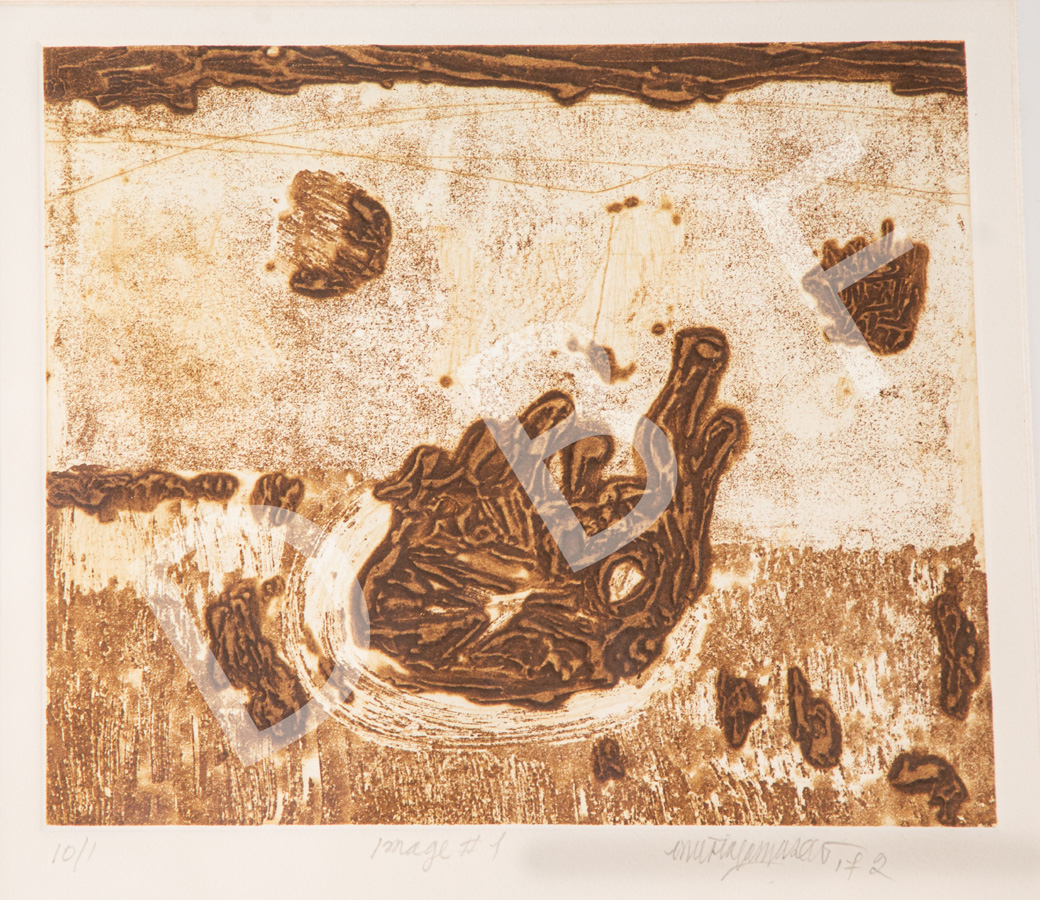
Title: Image# 1
Size: 13 x 11 inch
Year: 1972
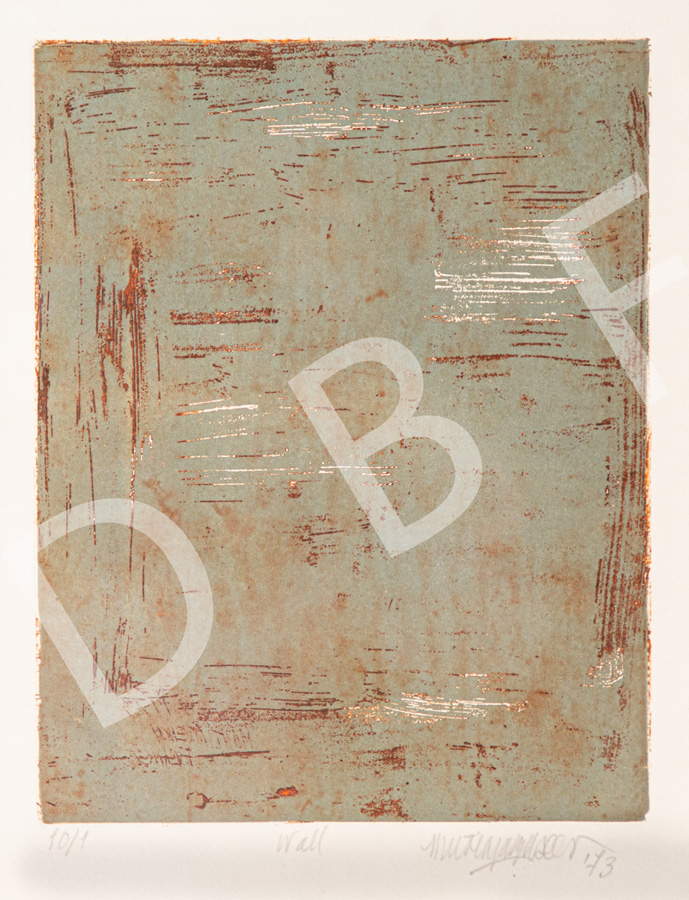
Title: Wall
Size: 12 x 9.5 inch
Year: 1973
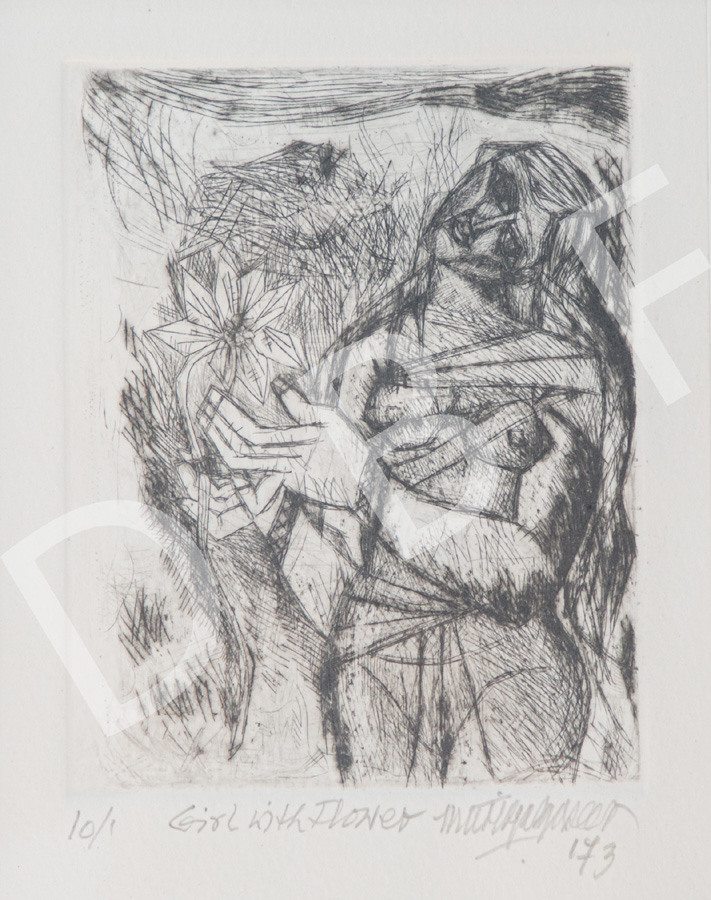
Title: Nude with Birds
Size: 7 x 5.5 inch
Year: 1973
Title: Image# 10
Size: 7 x 8 inch
Year: 1973
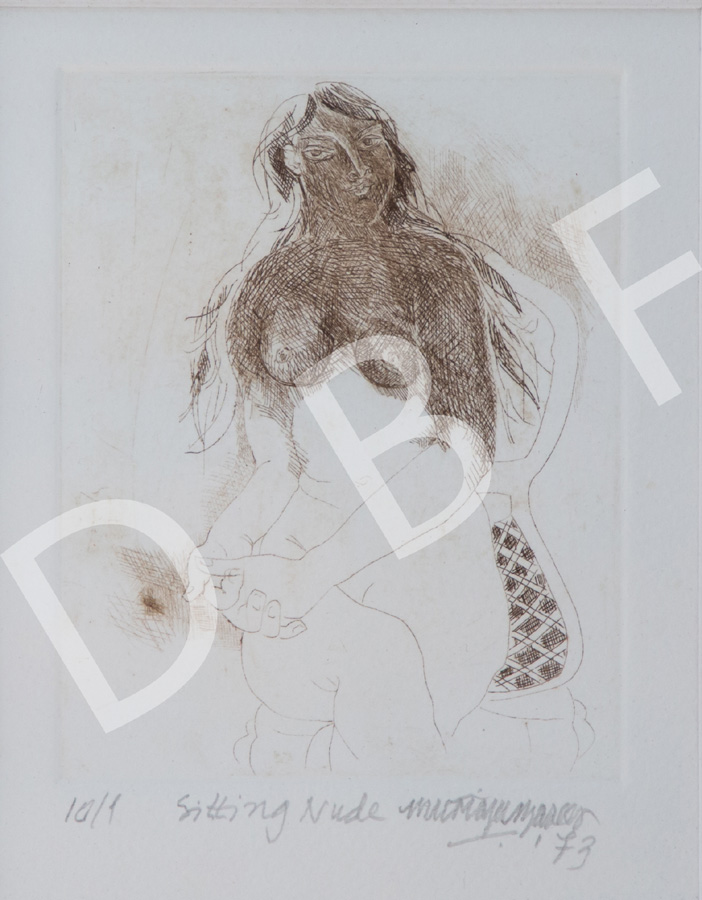
Title: Sitting Nude
Size: 7 x 5.5 inch
Year: 1973
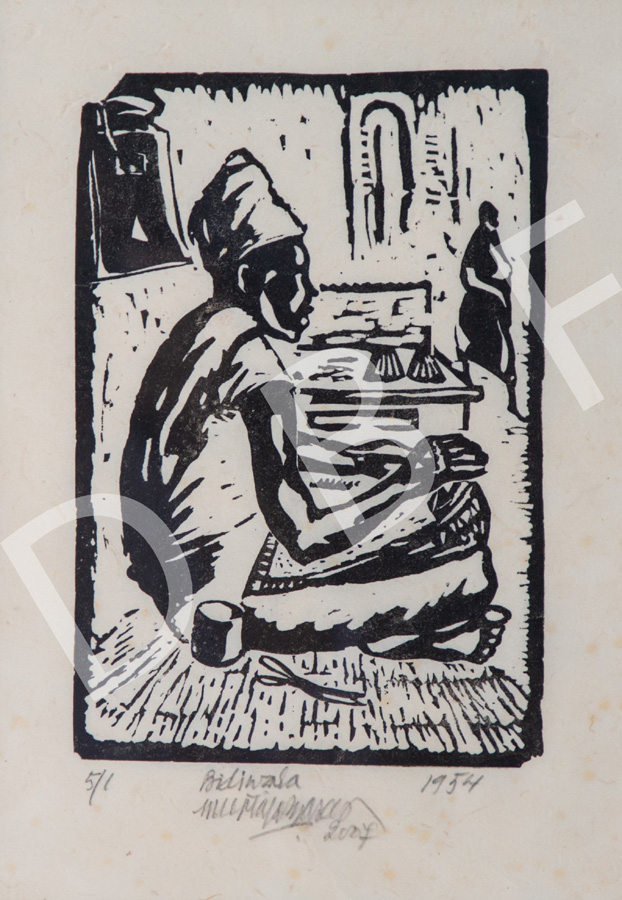
Title: Bidiwala
Size: 7 x 10 inch
Year: 1954
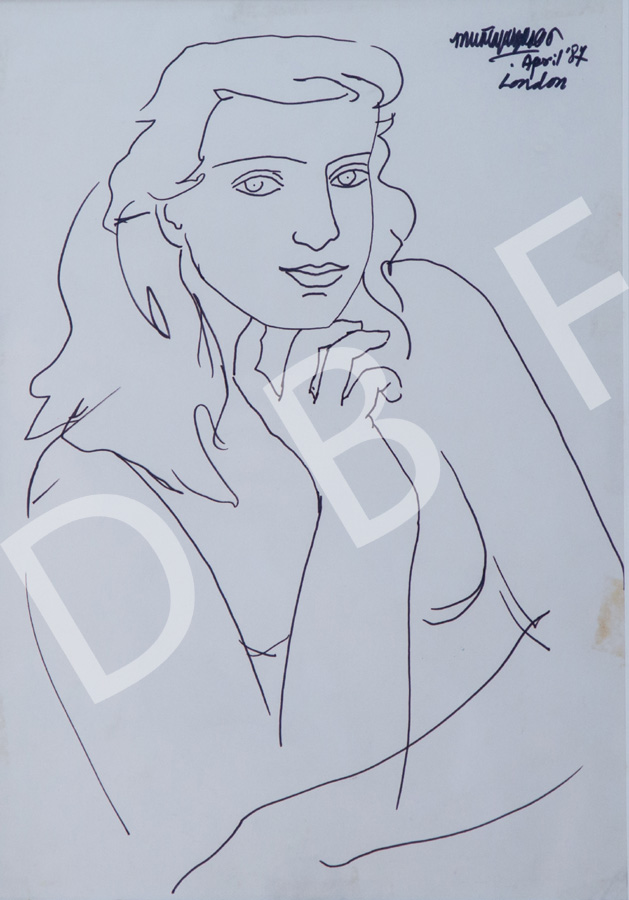
Title: Waiting-2
Size: 8 x 11.5 inch
Year: 1987

Title: Print-9
Size: 16 x 11.5 inch
Year: 1980
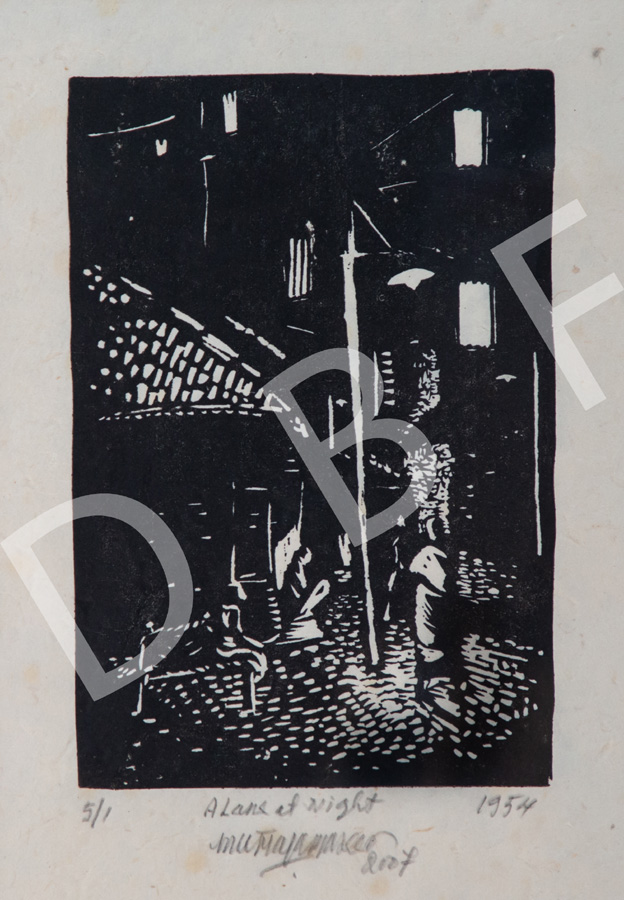
Title: A lane at night
Size: 7.5 x 10 inch
Year: 1954
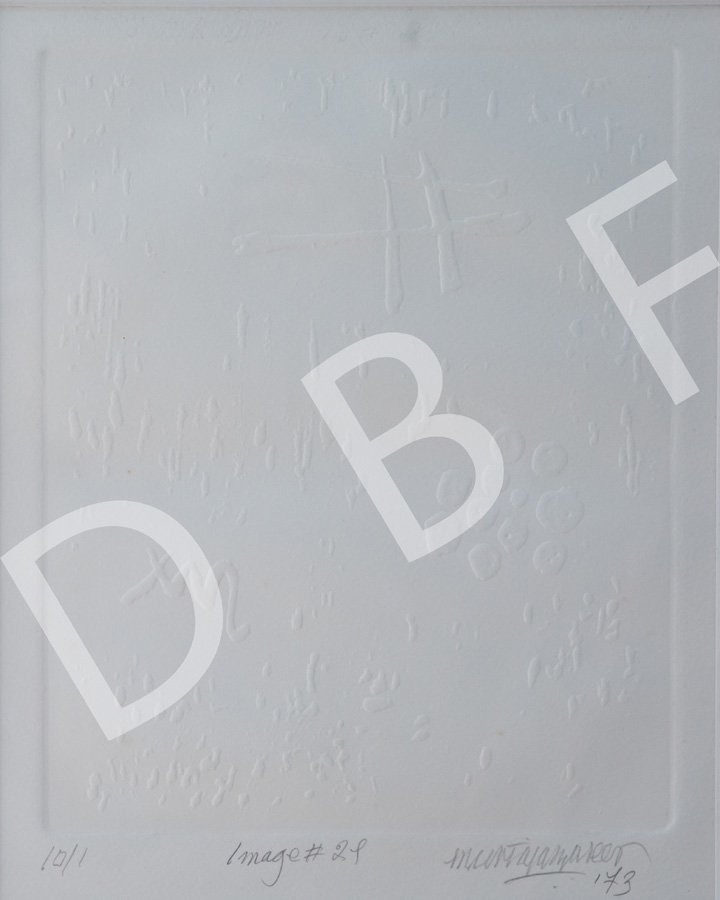
Title: Image# 24
Size: 9 x 11 inch
Year: 1973
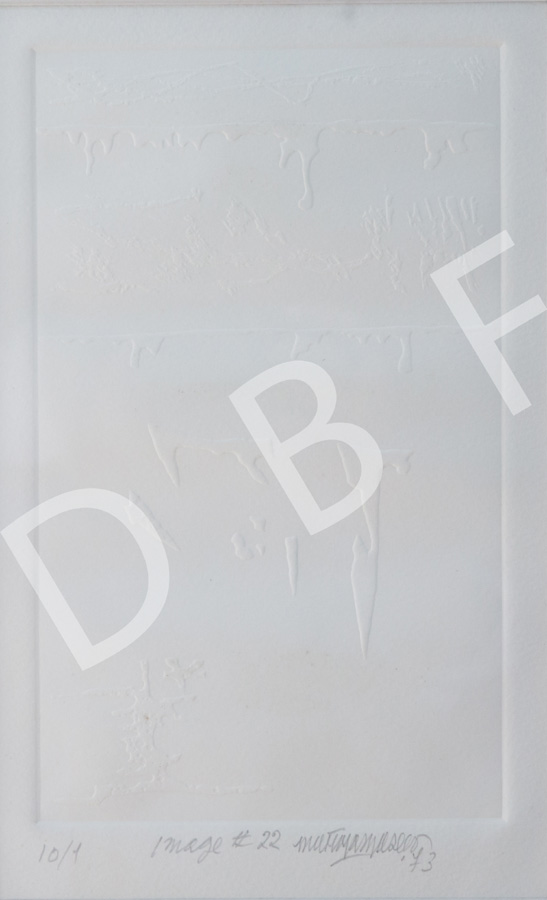
Title: Image# 22
Size: 7 x 11.5 inch
Year: 1973
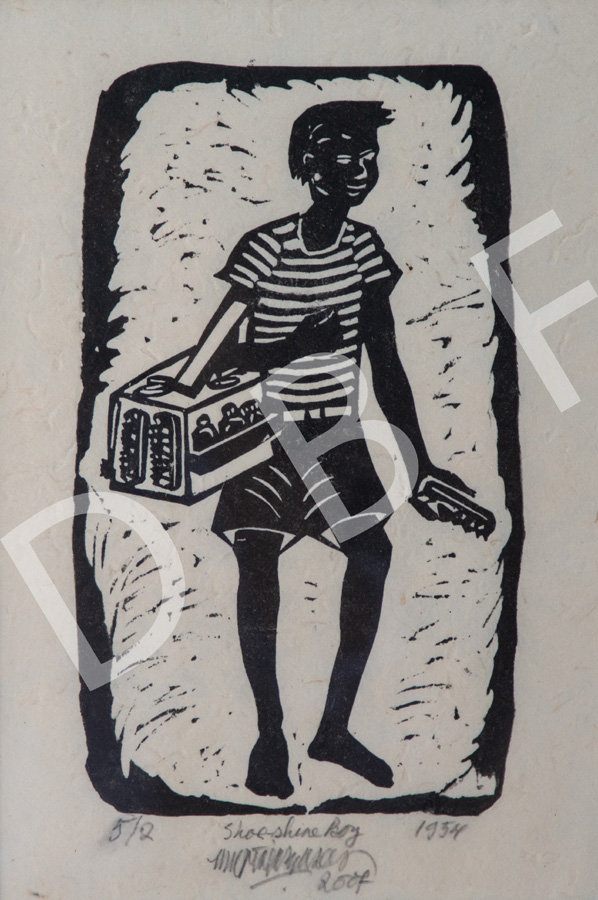
Title: Shoeshine Boy
Size: 6.5 x 9.5 inch
Year: 1954
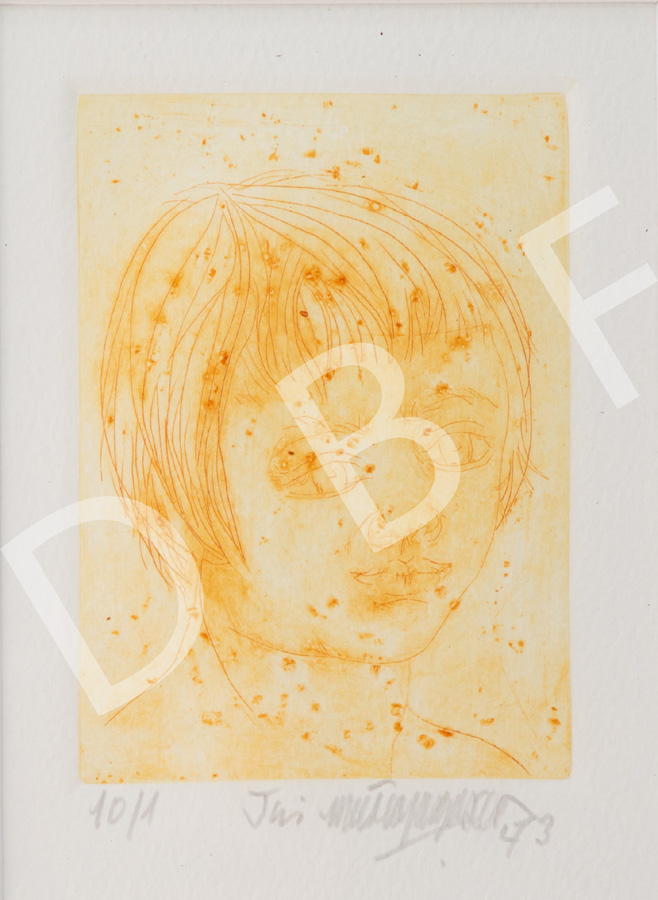
Title: Jui
Size: 4.5 x 6.5 inch
Year: 1973
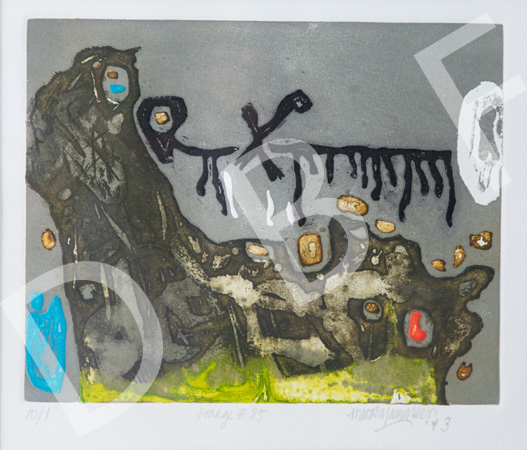
Title: Image# 25
Size: 10.75 x 9.25 inch
Year: 1973
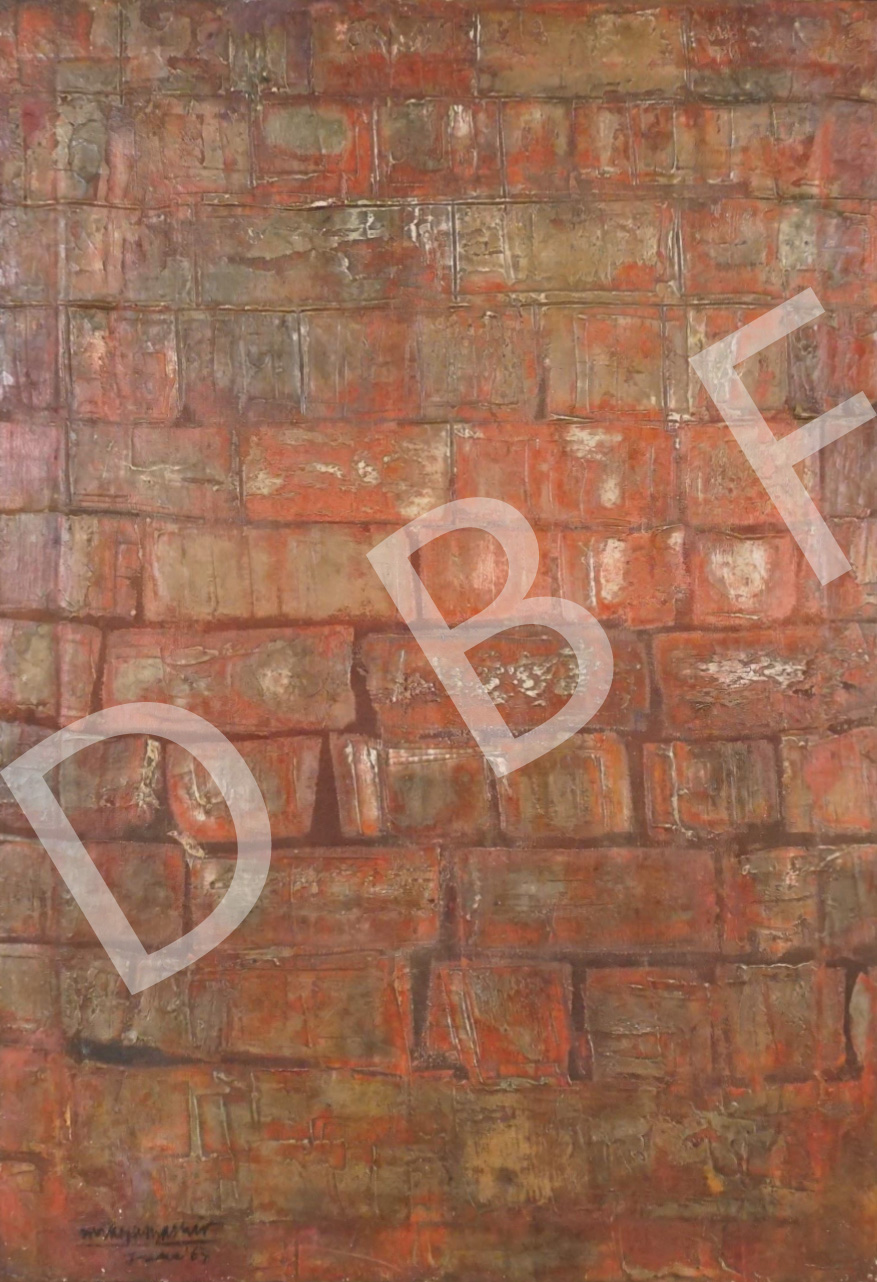
Title: Wall
Size: 35″X24″Inch
Medium: Oil on Canvas
Year: 1967
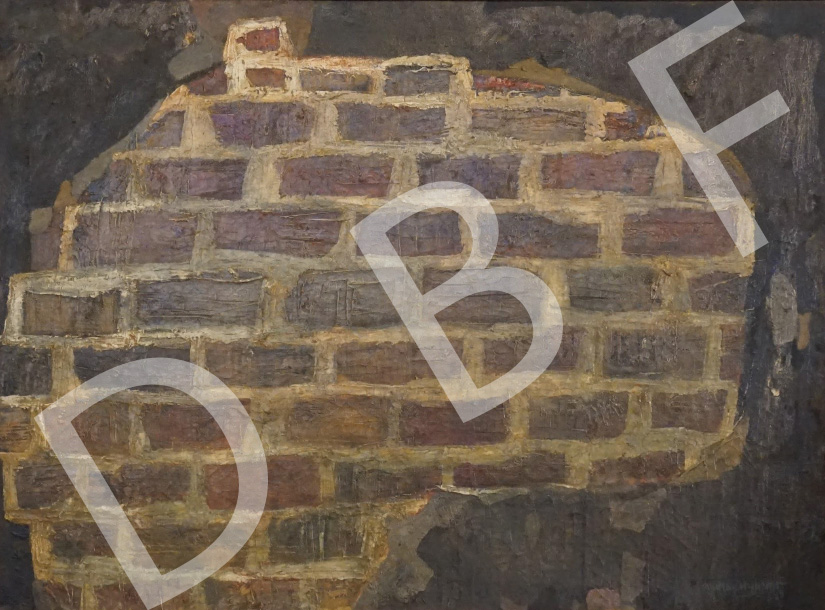
Title: Wall
Size: 35” X 24” inch
Year: 1967
Media: Oil on canvas
Ref. No: 89

Title: Wall-64
Size: 35 1⁄2” X 48“ inch
Year: 1969
Ref. No: 48
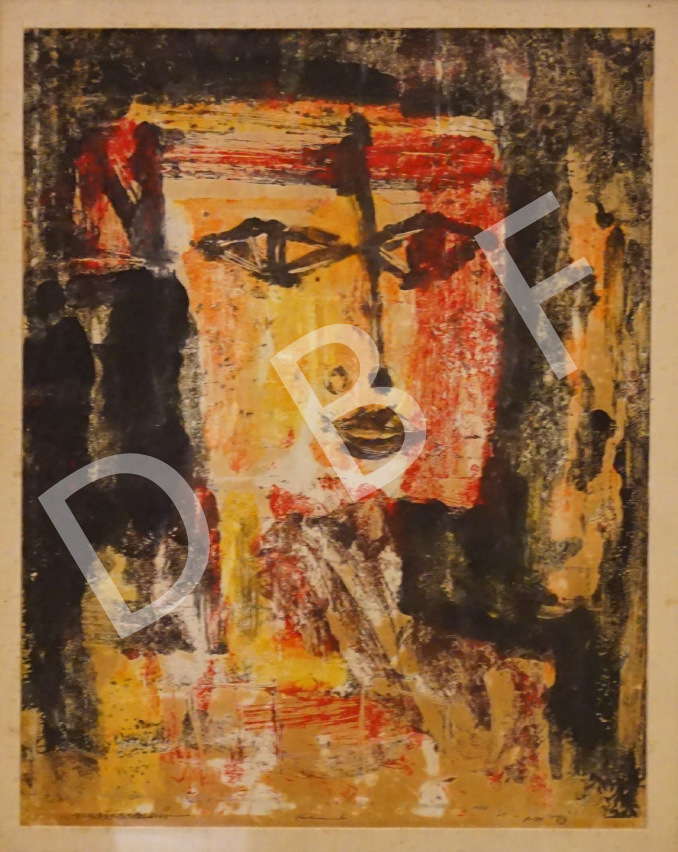
Title: Head
Size: 18” X 14”
Year: 1963
Ref. No: 458
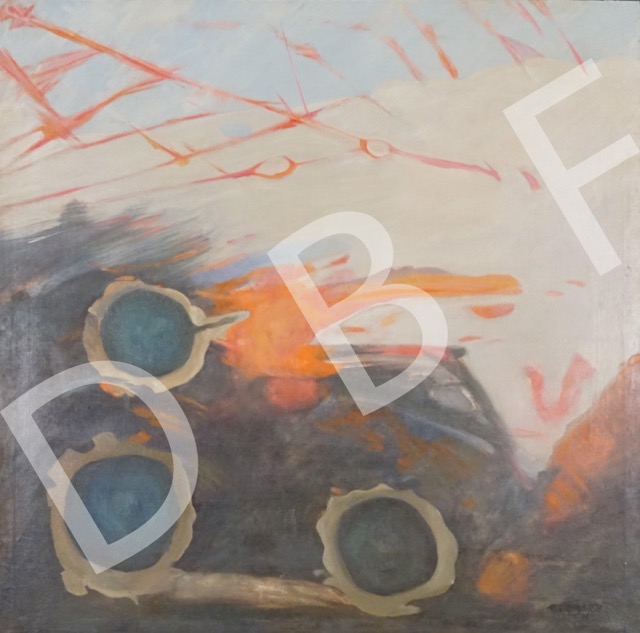
Title: Eruption-8
Size: 36” X 36” inch
Year: 1998
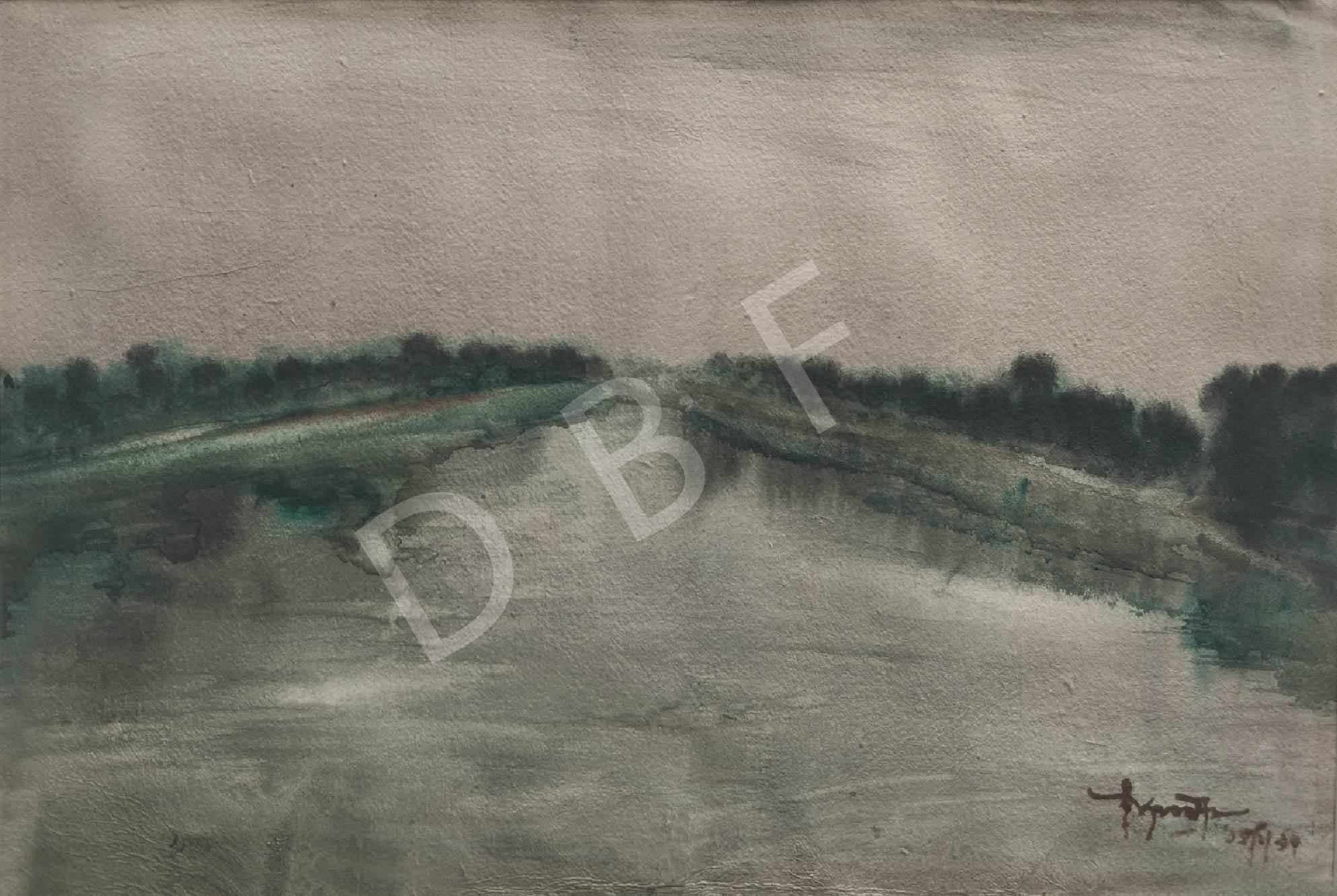
Title: Untitled
Size: 15 X 22 inch
Year: 1997