
“Dancing in the Forest” is a 2011 mixed media work by Monirul Islam where he applied watercolour on an etching print to elevate the image to a whole new level. The forest in the painting is drenched in various colours while the forms representing tree trunks and lines accompanying them seem to be in movement. In real life, forests grow on their own and as trees wage an eternal battle for light, water and space, forests keep changing. They speak to us in their own language communicating secrets of nature only when we pay attention. A forest comes with its play of lights and shadows and the symphony of sounds comprising the song of birds, the hisses of animals, and the rustling of leaves when the wind blows. Monirul Islam captures that sight and sound of nature and adds his personal touch by way of applying joyful colours. In his interpretation the dance seems to have been inspired by nature and is made visible through lines, forms and colours.

Monirul Islam
Born in 1943 in Jamalpur, Monirul Islam is a Bangladeshi printmaker and painter whose informal language of expression positively impacted the art scene, thereby making him a household name. He spent his childhood in Sherpur and Kishoreganj. He finished school at the age of 22 and then enrolled at the Government College of Arts and Crafts in Dhaka. After graduation, he joined the institution as one of its faculty in 1966. In 1969, he received a scholarship at the Madrid Academy of Fine Arts and left the country. Monirul Islam, popularly known as Monir, has thrived as a printmaker in Spain, where he had been staying since he finished his higher study in Madrid. A globetrotting artist, Monir’s re-emergence in Bangladesh in the early 1990s through back-to-back solo exhibitions in Dhaka brought him back to the whirls of artistic activities in his native land. Over the past 40 years or so, he established his own artistic vocabulary that spreads across a wide spectrum of aesthetic interests. The way he has used diverse mediums and methods to animate his canvases has also percolated down to the level of practice around an overarching informal trait, which gave him his signature style and is referred to as ‘Monir School’ in Spain. In Bangladesh he is considered one of the master modernists of the generation who had their start in the 1960s. He was the first non-Spanish to receive Calcografia Nacional Award of Spain in 1997. Some of his notable awards include special prizes at the 5th International Exhibition of Prints, Ibiza, Spain (1972), Carmen Arozamena Prize, Madrid (1974) and at International Graphics Exhibition in Yugoslavia (1977, 1987); Bangladesh Shilpakala Academy Award (1985); Accessit National Award of Spain (1993); and Hamidur Rahman Smriti Puraskar, Dhaka (2007). He was a member of international jury boards in the Cairo Triennale in 1999 and 2003 and the Spanish International Prints Competition in 2000. In 2010, he was conferred the Cross of Officer of the Order of Queen Isabella for outstanding contribution to art. He received the Royal Spanish Order of Merit in 2018. He was conferred Ekushe Padak in 1999, and Bangla Academy Fellowship in 2018. Monirul Islam divides his time between Dhaka and Madrid.
Dancing in the Forest


Pair
This work is another striking example of Monirul Islam’s ability to fluidly meld two disparate disciplines. This is an etching print that has been treated with watercolour to arrive at the final visual solution. The etching, which is a glowing testimony to his mid-career infatuation with line and space, has been transformed through the application of water-based paint. However, the overlay of paint is applied sparingly, keeping intact the main armature of the composition consisting of lines and twines, which were the result of the impressions transferred to the paper from two separate etching plates. As for the title, it derives from two obscure forms that are placed at the foreground. They look like unfinished ceramic vases, and by being identical they perhaps playfully challenge the idea of pairing in biology. In the aesthetic world as well as in the realm of objects, pairing is often about having two similar objects together.
Art Style
Childhood memories have greatly influenced Monirul Islam’s artistic trajectory that has gone through various phases over the years. He grew up on the bank of the Padma, and this has a clear bearing on his artistic practice. The presence of nature is clearly palpable in most of his works. In the final images, which are often informal in constitution, colours, lines and shapes fluidly come together to create a symphony. Being one of the most prolific artists of his generation, his aesthetic interest still remains variegated, though, at one point in his life, he began to pursue a language of expression where optical seeing has been set aside in favour of a delicate balance between space, colours and lines. To emphasise the transmission of the emotional experience over the optical one, he set out to explore an informal language of expression, demolishing the concept of ideal compositions based on established relationship between elements. Legend has it that during his study at the College of Art and Crafts (now Faculty of Fine Art of Dhaka University) in the early 1960s, he would complete 4 to 5 watercolour works a day. Today, in his studio in Dhaka, hundreds of watercolours and mixed-media works are kept preserved, many of them he still considers works in progress. He introduced to art a language that defies the logic of modernism that is often practiced in South Asia as a form of response to established art movements of the west. As a pre-eminent printmaker and painter, Monir has created a legacy.
Gallery
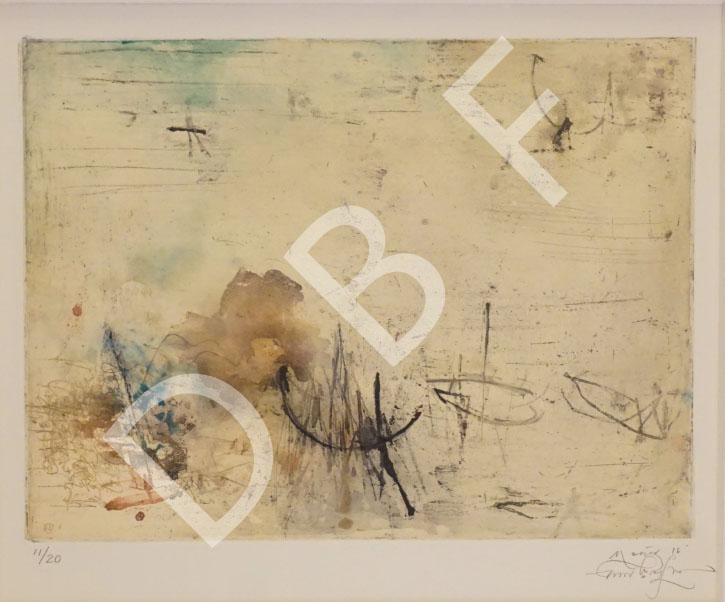
Size: 11.5 X 14 inch
Year: 2016
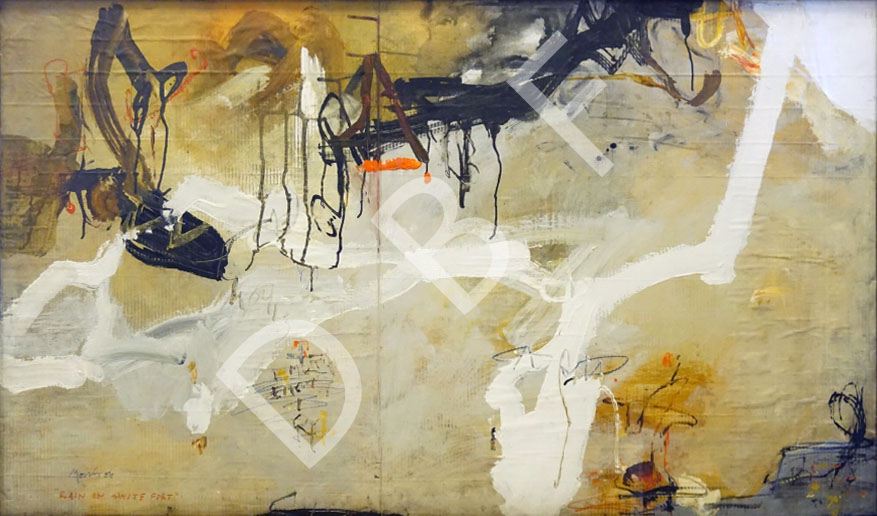
Title: Rain in the white fort
Size: 58 X 35 inch
Year: 2004
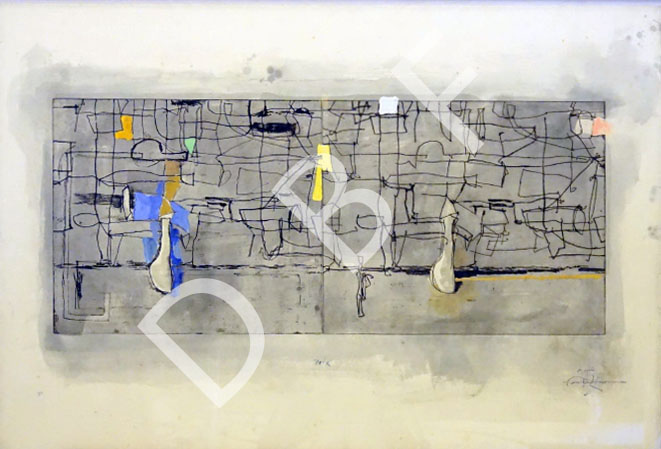
Title: Pair
Size: 39.5 X 44.5
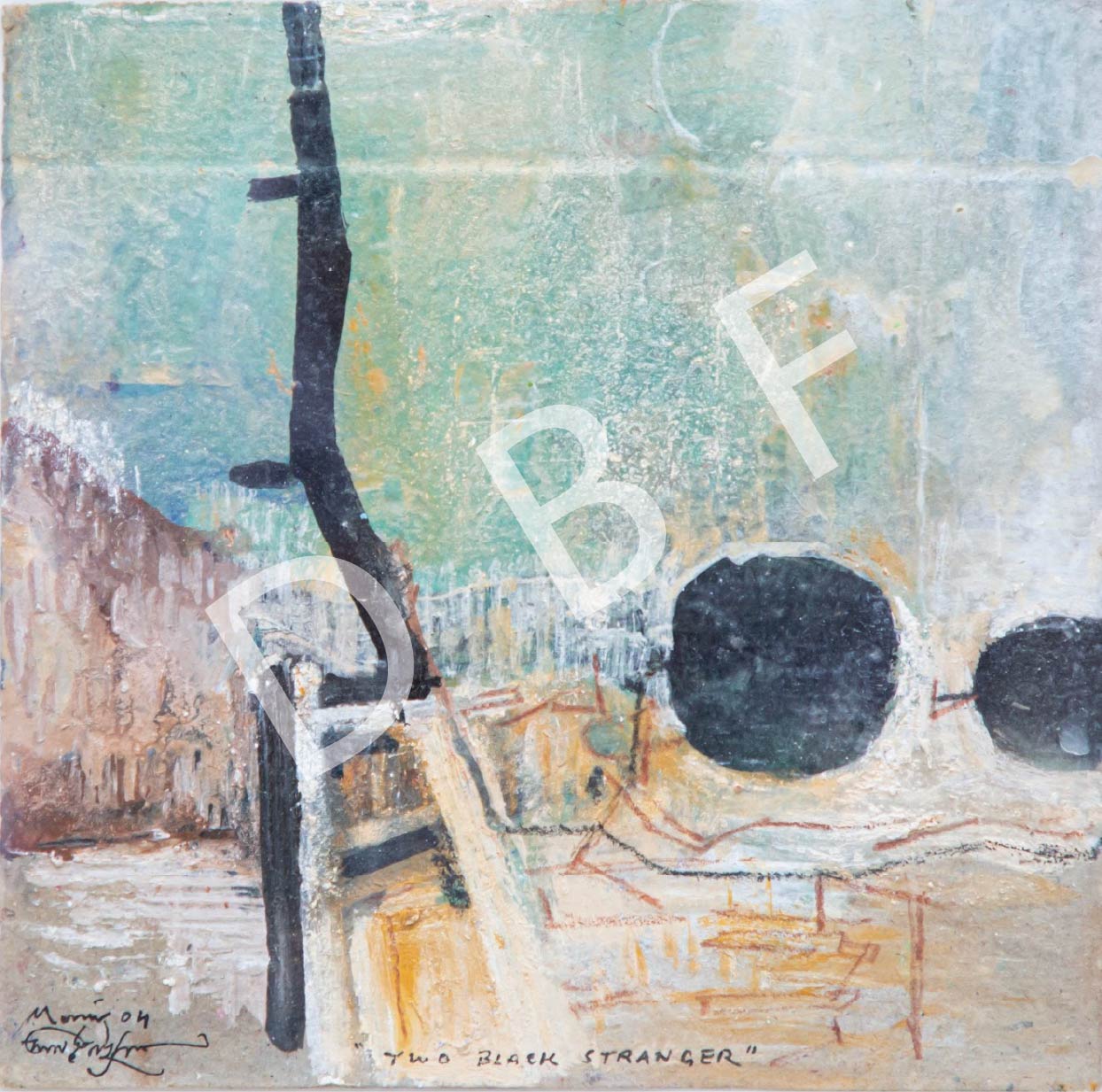
Title: Two Black Stranger
Size: 6.5x 6.5 inch
Year: 2004
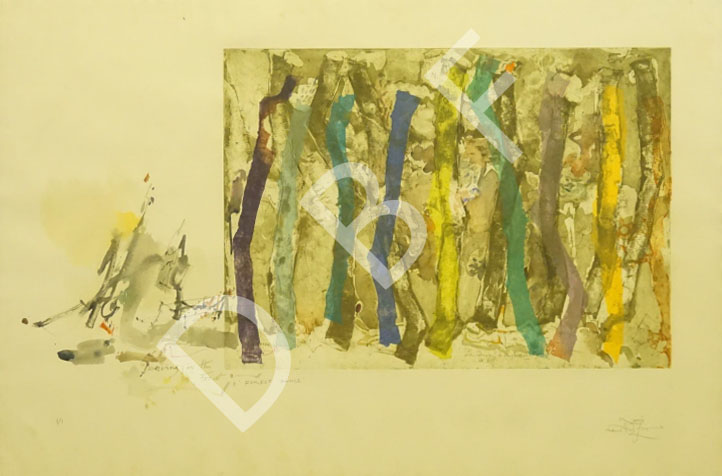
Title: Dancing in the forest
Size: 29.5 x 44 Inch
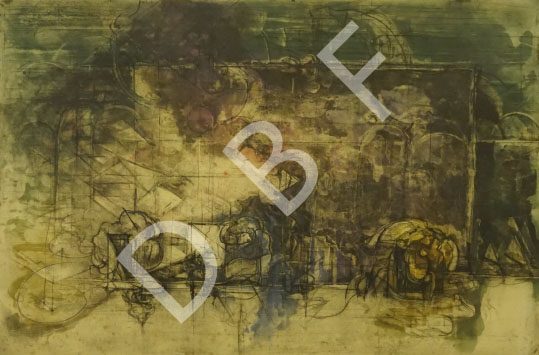
Title: One page of a history
Size: 30 X 40.5 inch
Year: 1988
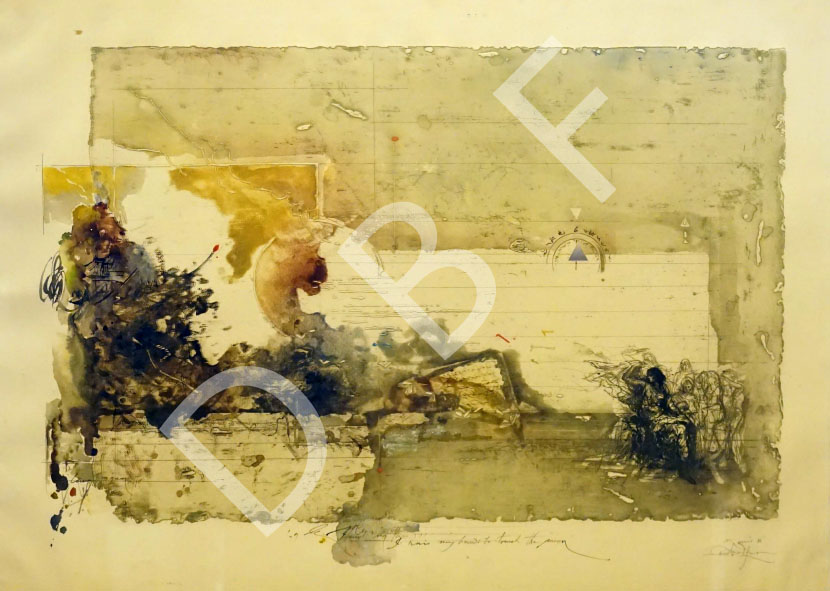
Title: I ran my hands to touch the moon
Year: 1986
Size: 39.5 X 28 inch
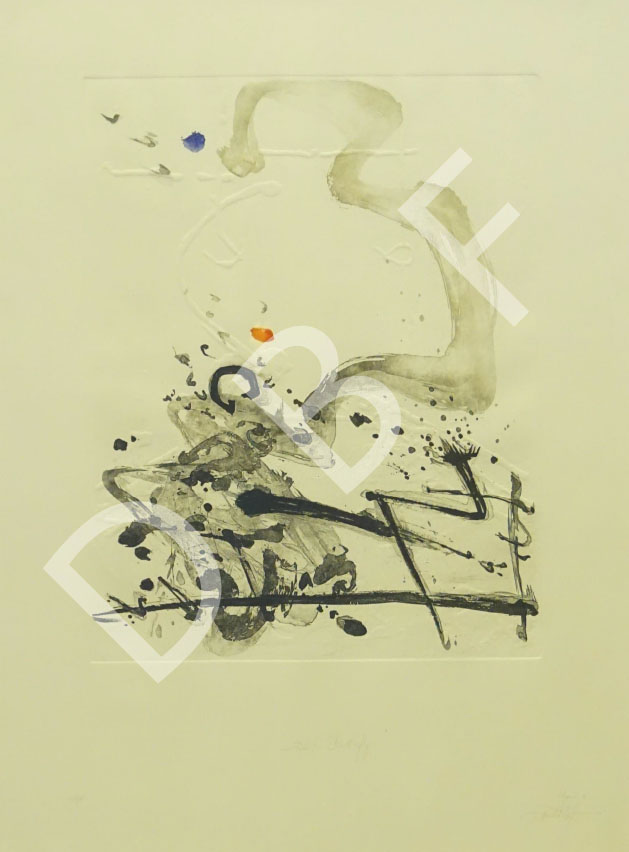
Title: Winter Butterfly
Size: 22 X 29 inch
Year: 1992
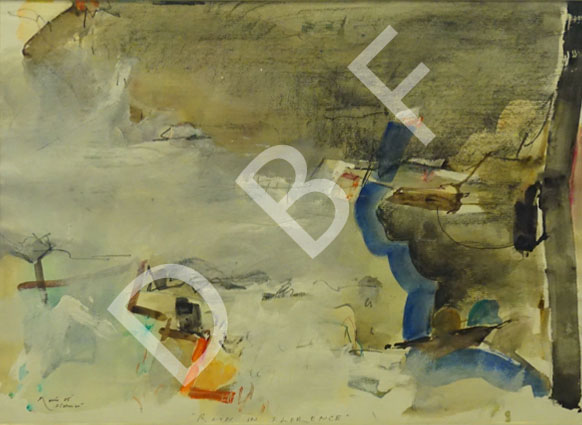
Title: Rain in Florence
Size: 21 X 29 inch
Year:2005

Title: Harmony of Dichotomy in
Florence
Size: 21.5 X 29 inch
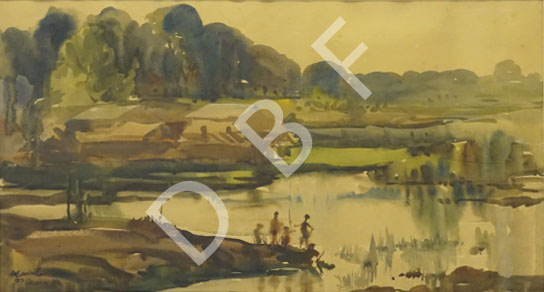
Media: Water Colour
Size: 26 x 14 inch
Year: 1963

Title: Charo
Size: 19 X 15 inch
Year: 2004
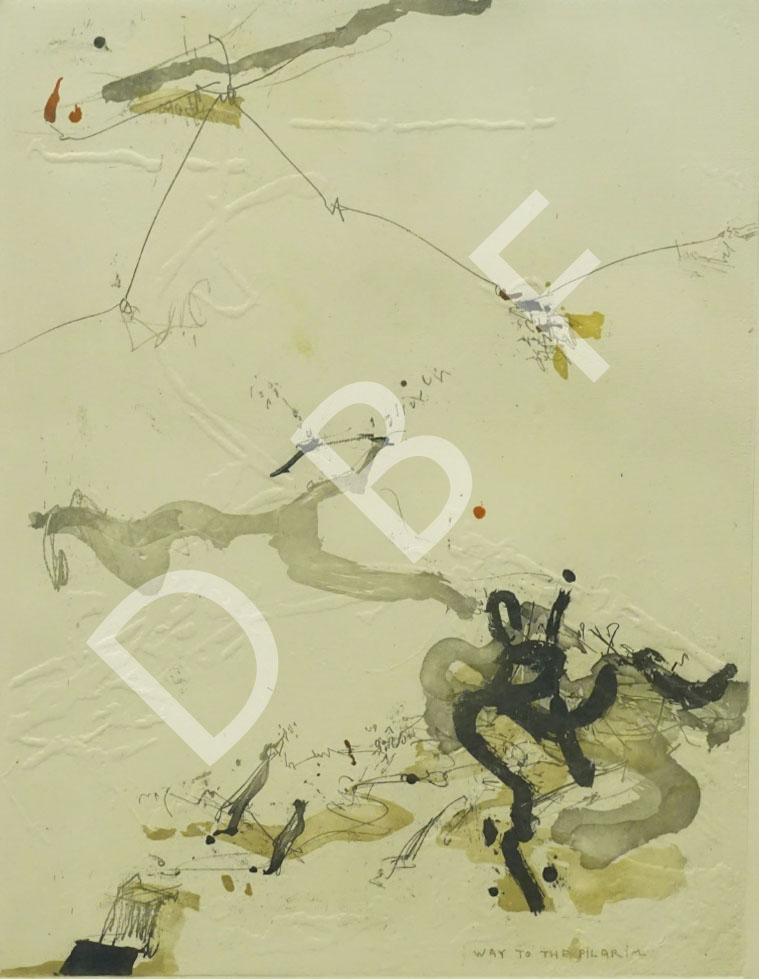
Title: Way to the pilgrim
Size: 22.5 X 30 inch
Year: 1994
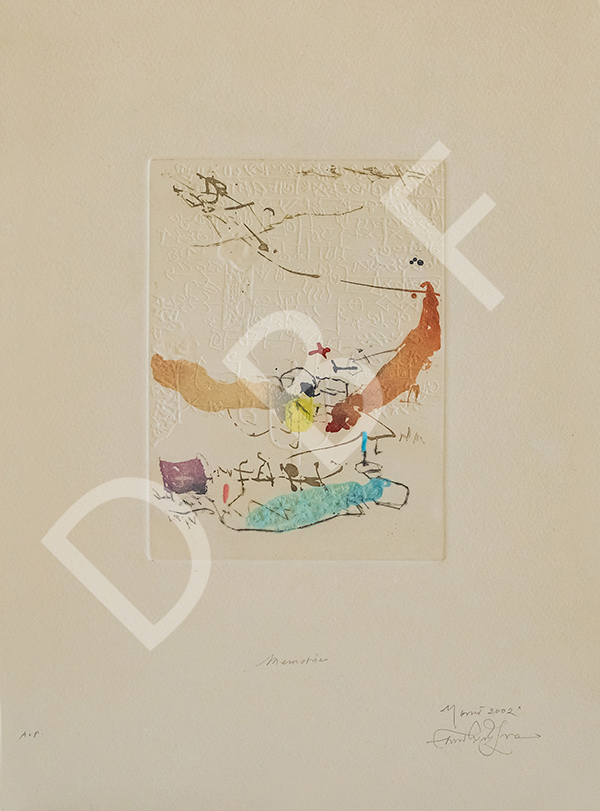
Title: Memories
Size: 15 X 11 inch
Year: 2002

Title: Black Rain
Size: 15 X 20 inch
Year: 2012

Title: Sound of solitude
Size: 21 X 10 inch
Year: 2004
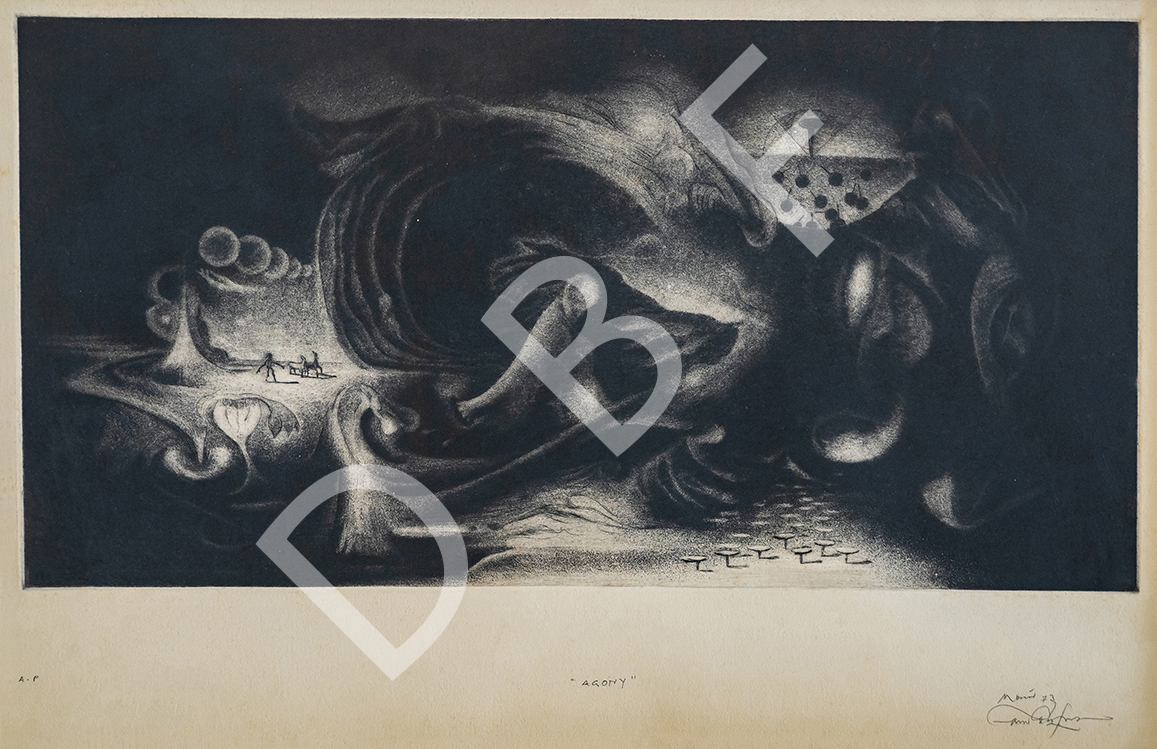
Title: Agony
Size: 20 X 13 inch
Year: 1973