
The work memorializes the Pakistani army’s excesses during the Liberation War. When Bangladesh’s birth seemed imminent, the Pakistani authorities implemented the most heinous plan to kill the Bengali intellectuals. By 11th December of 1971, they along with their collaborators started abducting university teachers, journalists, writers – intellectuals who had the courage to stay in Dhaka during the nine-month-long war – with the hope of draining the nation of its intellectual potential. The “Baddhabhumi” or the killing field is where their bodies were dumped. It is a place that Rafiqun Nabi has revisited in this painting where a pall of darkness covers the entire expanse of the canvas. The cruelty of the massacre is thus transformed into an image of catharsis in which the dead are lying at the foreground while our gaze simply rests on the blackness that dominates the composition. It is Rafiqun Nabi’s tribute to the souls we have lost, the price we have paid to attain freedom.
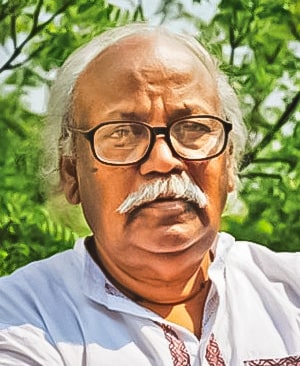
Rafiqun Nabi
Rafiqun Nabi, widely known as Ra-Nabi, is a pre-eminent Bangladeshi artist and cartoonist. Born in 1943 in Chapainwabganj, he is celebrated as a cultural icon. Rafiqun Nabi became Ra-Nabi for his famous cartoon character “Tokai”. Loved by a wider audience for his cartoons that bring into relief social anomalies and class disparities, Rafiqun Nabi is also a printmaker and painter of high stature. Through his woodcut prints and paintings, he also speaks to a vast multitude by representing mainstream rural life of the delta. He developed an affinity to art during his school days in Old Dhaka. He enrolled at the Government College of Arts and Crafts (now Faculty of Fine Arts, University of Dhaka) and completed his bachelor’s degree in 1964. He studied under the tutelage of legendary artists like Zainul Abedin and Quamrul Hassan. He studied printmaking between 1973 and 1976 at Athens School of Fine Arts under the Greek Government’s postgraduate scholarship. He served as a faculty member of the Faculty of Fine Arts, the University of Dhaka during 1964-2010. Nabi started out as a professional cartoonist in 1963. His first contribution was to the daily Purbodesh. Later in the mid-1960s, he became a regular in Swachitra Shandhani where he used to illustrate with cartoons the column Kaal Penchar Dairy by Abdul Gani Hazari. In the late 1960s, he worked for the Weekly Express, an English periodical. In 1969, he got involved in a periodical named Forum, published by Rehman Sobhan and Hamida Hossain. He began to contribute cartoons to the weekly Bichitra and Dainik Bangla. He created the character Tokai, which first appeared in the anniversary issue of Bichitra in May 1977. Rafiqun Nabi’s awards include the Promoters Prize, Inter Graphic-80, Berlin (1980), Bangladesh Shilpakala Academy Award (1989), Ekushey Padak (1993), Agrani Bank Award for Children’s Book Design (1995), and S M Sultan Padak (2002). He received the National Book Centre prize for Children’s Book Cover Design several times between 1968 and 90. He was the first Dean of the Faculty of Fine Arts, University of Dhaka. Rafiqun Nabi lives and works in Dhaka. For his contribution to the arts he was awarded Ekushe Padak in 1993.
Killing Field


Fishermen at Rest
This panoramic picture is composed of a group of figural motifs set against a seascape where a sampan, an indigenous sea-faring boat, is plying. The fishermen are resting after the day’s work while the landscape is bathed in the afternoon glow of the sun. Sitting in the shadow of a couple of boats on the sea shore, the members of fishing communities are seen whiling away their time. Some are seen gossiping, some are in a leaning position while one is seen smoking hookah and another playing the flute. The fluteplayer seems to occupy the centre of the composition – he is the one who is in tune with the collective spirit of the community where nature still presides over their lives. The sea, the boats and the humans are all rendered in Rafiqun Nabi’s own style in which line and chiaroscuro play an important role.
Art Style
Rafiqun Nabi’s primary references include people or animals and he always, as a rule, depicts them against natural settings. The mediums he has explored throughout his life – ranging from printmaking to watercolour to oil, or acrylic on canvas – have been instrumentalised to cultivate a signature style where bold lines accompany forms developed in negotiation of human and animal contours. In most of his forays there appears a tendency to capture the rural landscape or the lives of the toiling masses. When his concern veers towards urban life, the work takes the city skyline or a tokai (urchin) or two as his point of departure. The overarching rhythm that one can hear throbbing beneath his works have to do with Nabi’s ability to translate a real scene into his own composition. He does that by using a formal schema where bold lines and shapes make the images stand out against the backdrop. Ra Nabi, the pen name he used to use as a cartoonist, which got stuck to the collective psyche, is used while referring to his cartoons. Rafiqul Nabi is the name that the audiences still continue to associate with the printmaker-painter who still has the ability to churn out images of popular appeal.
Gallery
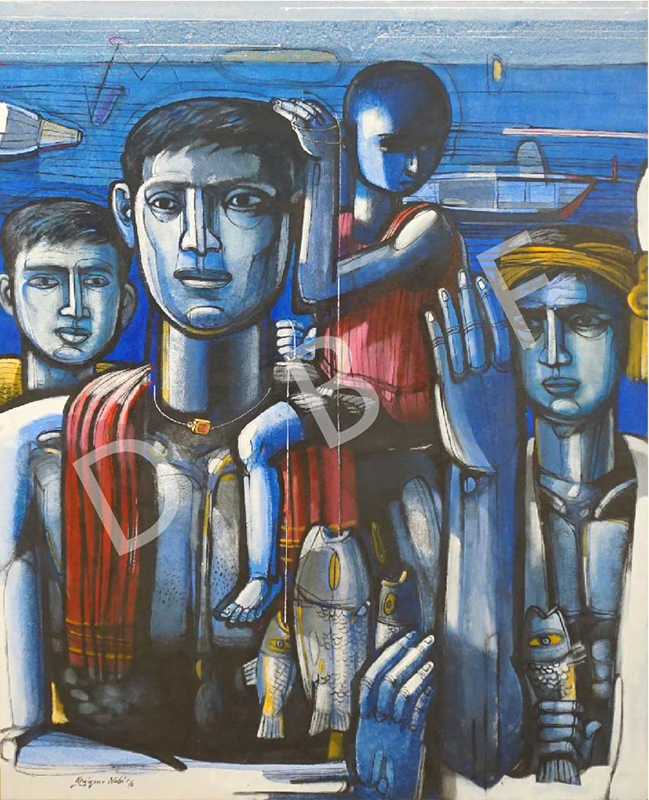
Title: Fishermen
Size: 60 x 48 inch
Year: 2016
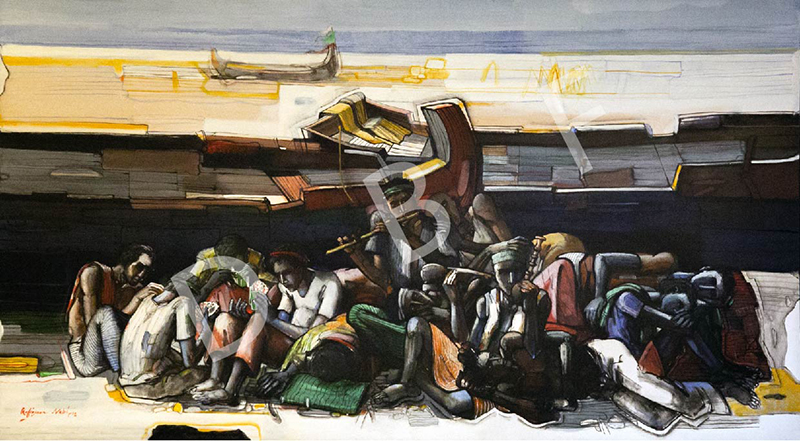
Title: Fishermen at rest
Size: 173 X 307 cm
Year: 2012
Media: Acrylic on canvas
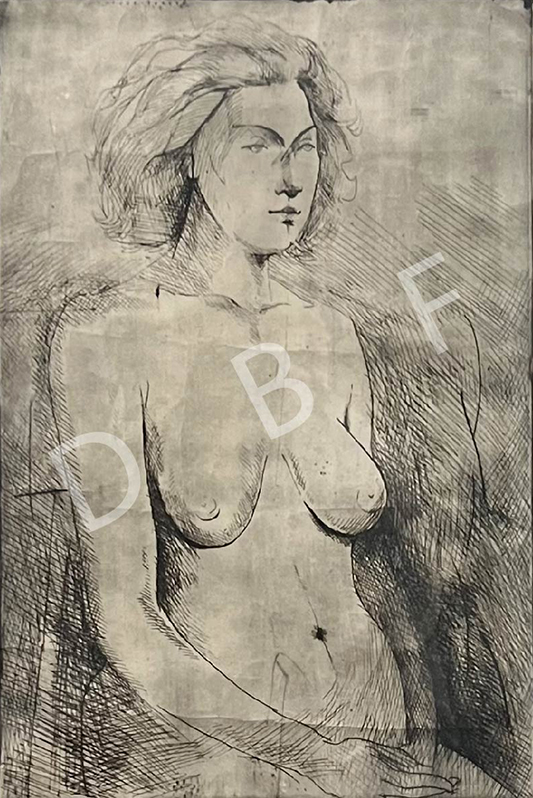
Title: Tasula
Size: 14 x 8 inch
Year: 1974
Media: Dry point on paper
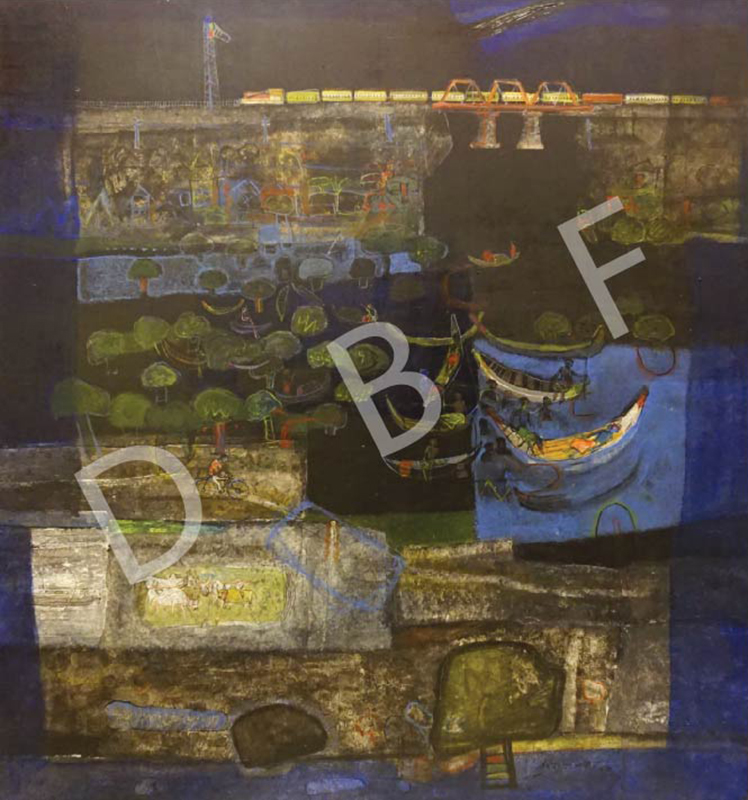
Title: Untitled
Size: 60 x 57 inch
Year: 2006
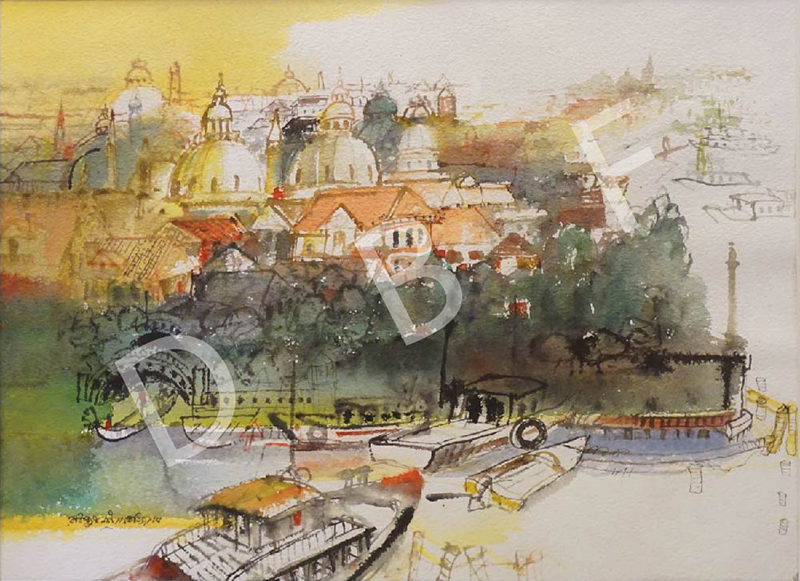
Title: Venice
Size: 21.5 inch X 29 inch
Year: 2005
Media: Water colour on paper
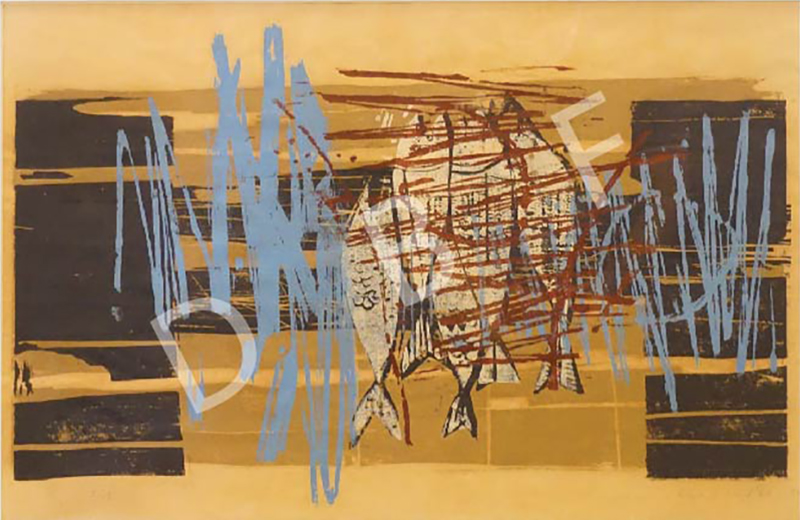
Title: Fish
Size: 16.5 X 25.5 inch
Year: 1980
Media: Wood cut
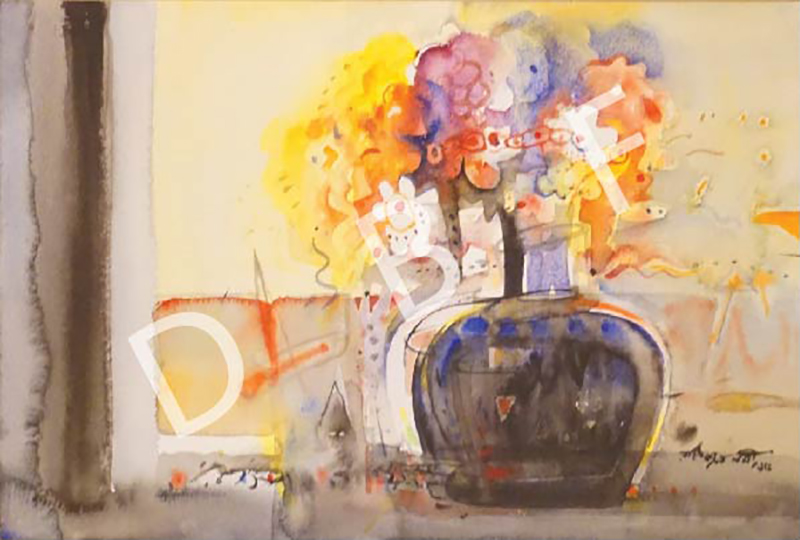
Title: Still Life
Size: 10 x 15 inch
Year: 1996
Media: Water colour on paper
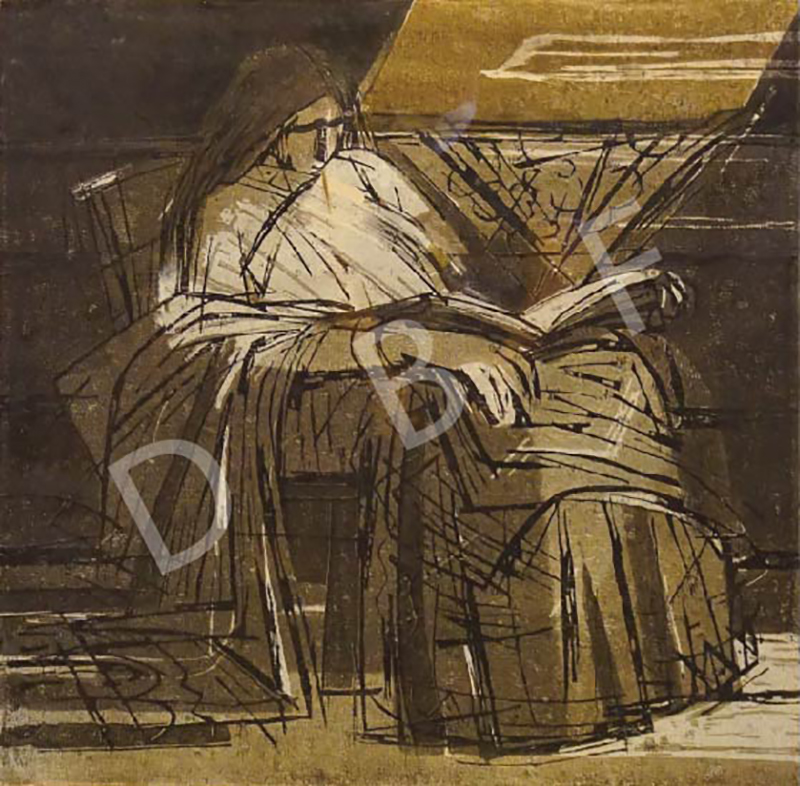
Title: Seated women
Size: 25 X 25 inch
Year: 2003
Media: Wood cut on paper
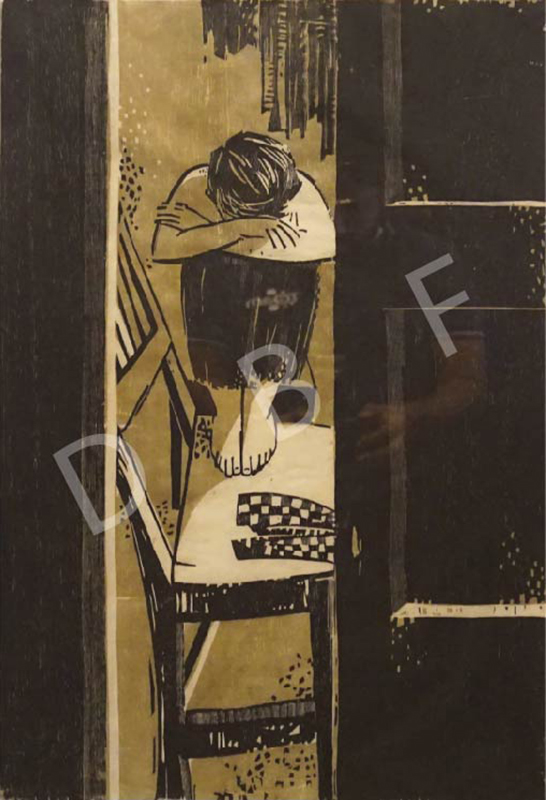
Title: Untitled
Size: 26.5 X 18.5 inch
Year: 1976
Media: wood cut
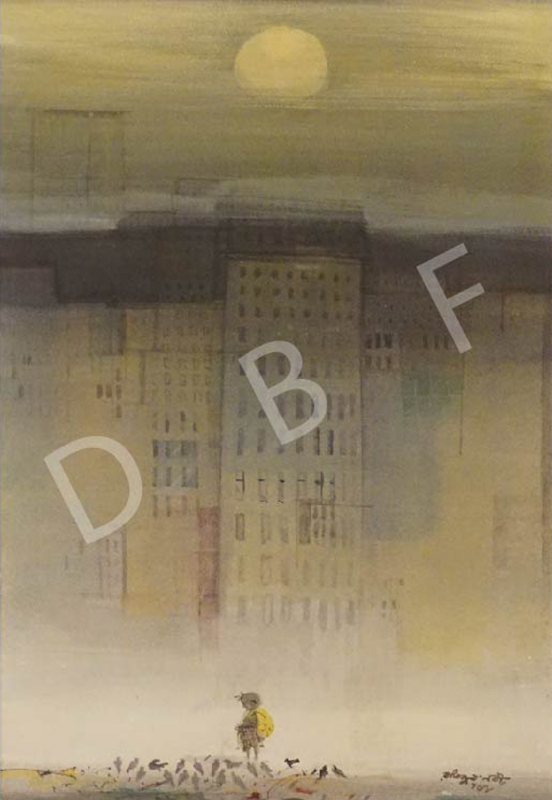
Title: Tokai-1
Size: 21 x 14.5 inch
Year: 2002
Media: Water colour on paper
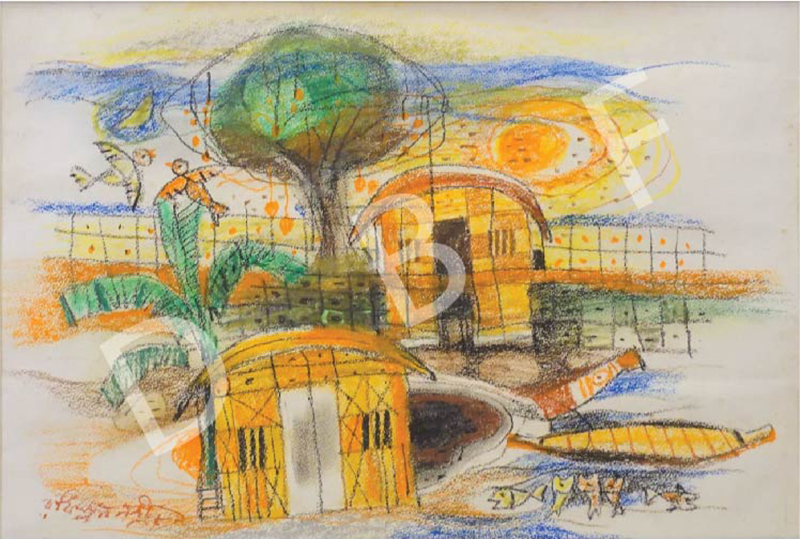
Title: Untitled
Size: 14.5 X 21.5 inch
Year: 1989
Ref. No: 427
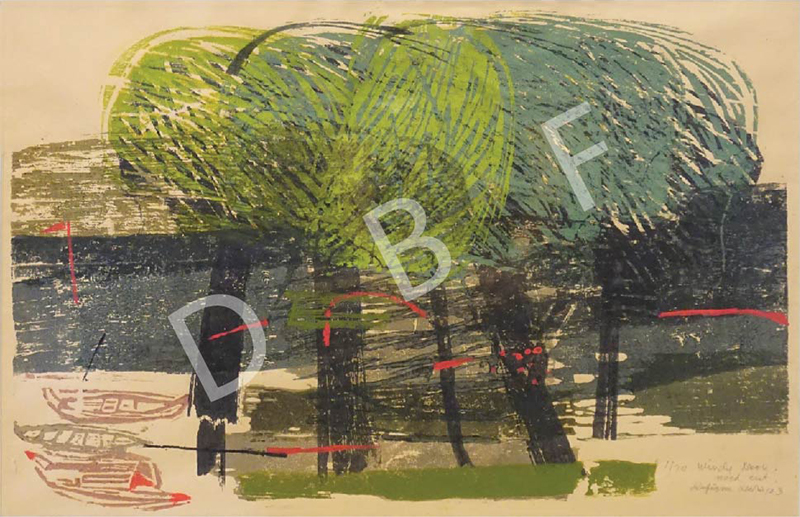
Title: Windy noon
Size: 18.5 X 29 inch
Year: 2003
Media: Wood cut on paper
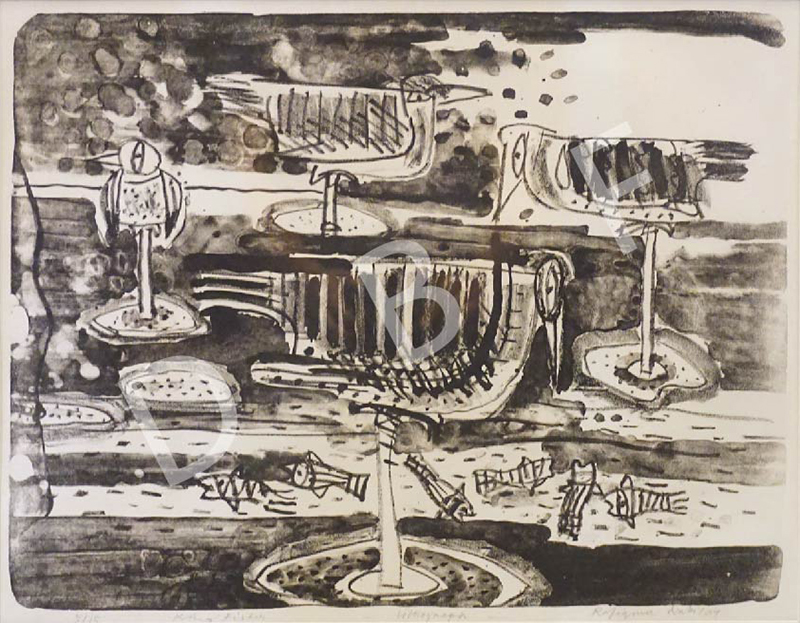
Title: Kingfisher
Size: 19 x 24.5 inch
Year: 2009
Media: Lithograph
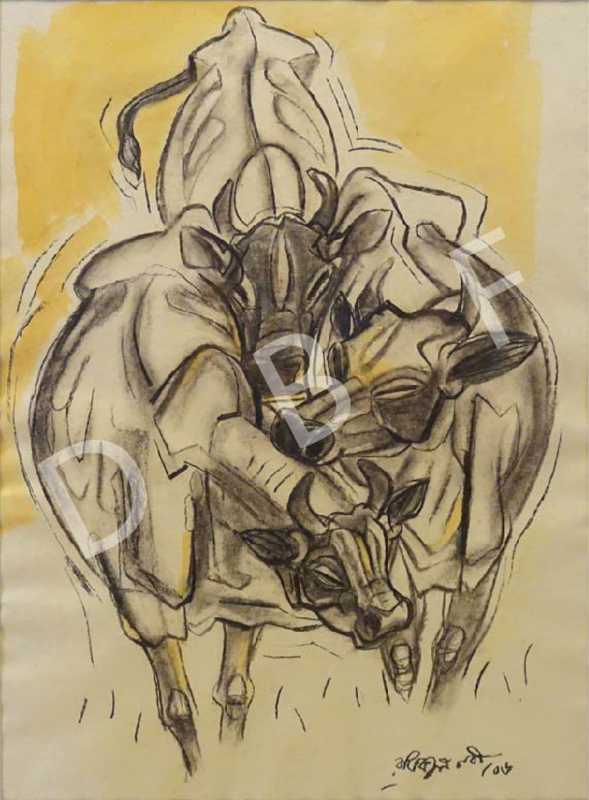
Title: Cattle
Size: 29 x 21.5 inch
Year: 2006
Media: Mixed media
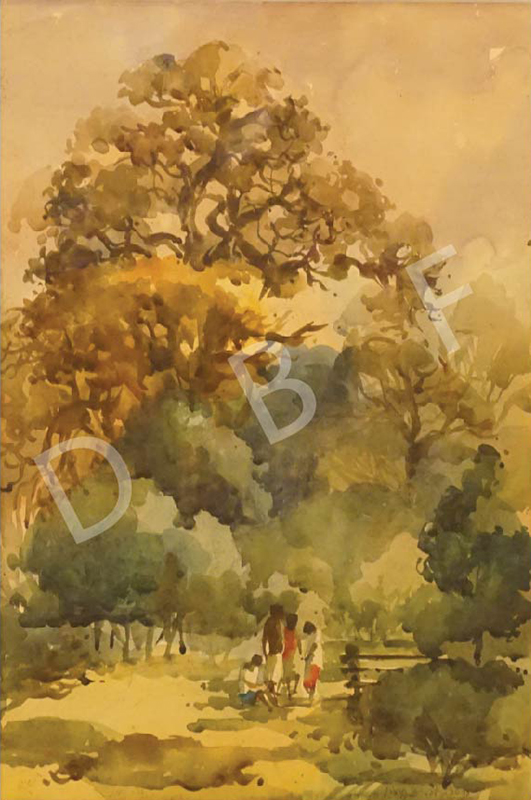
Title: Untitled
Size: 21.5 X 14.5 inch
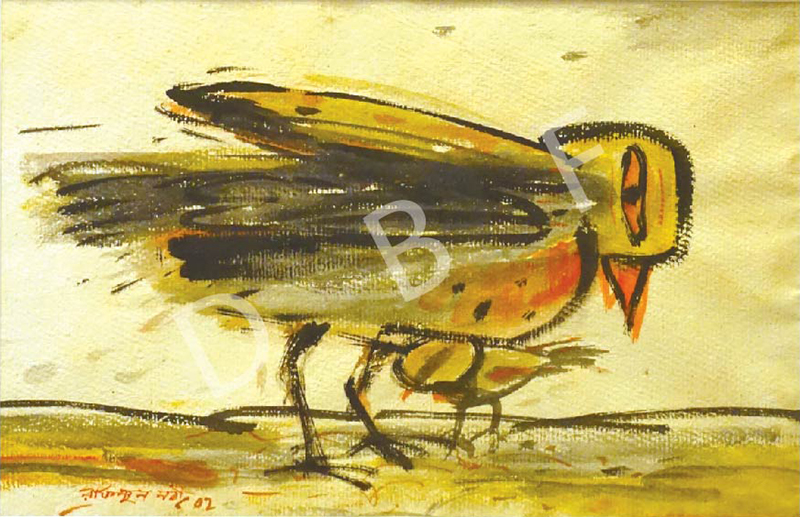
Title: Angry crow
Size: 14 x 21 inch
Year: 2002
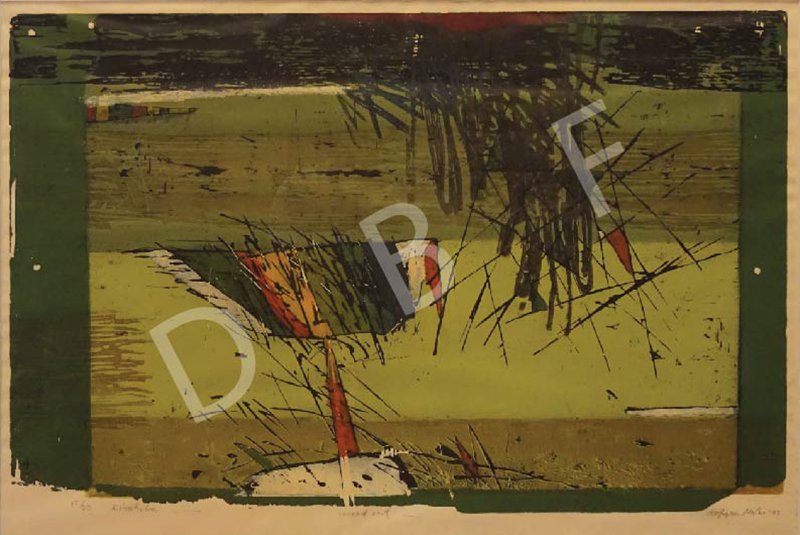
Title: Kingfisher
Size: 25 X 37 inch
Year: 1993
Media: wood cut
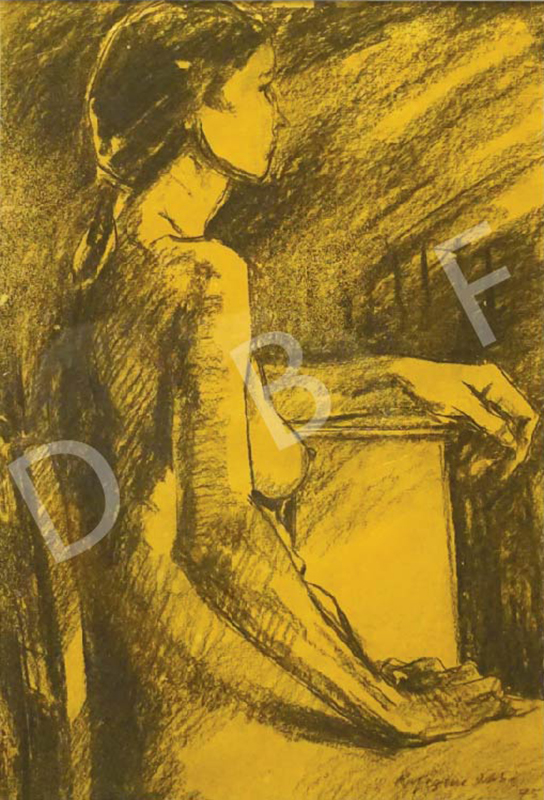
Title: Drawing- 2
Size: 19 x 13 inch
Year: 1975
Media: Charcoal on paper
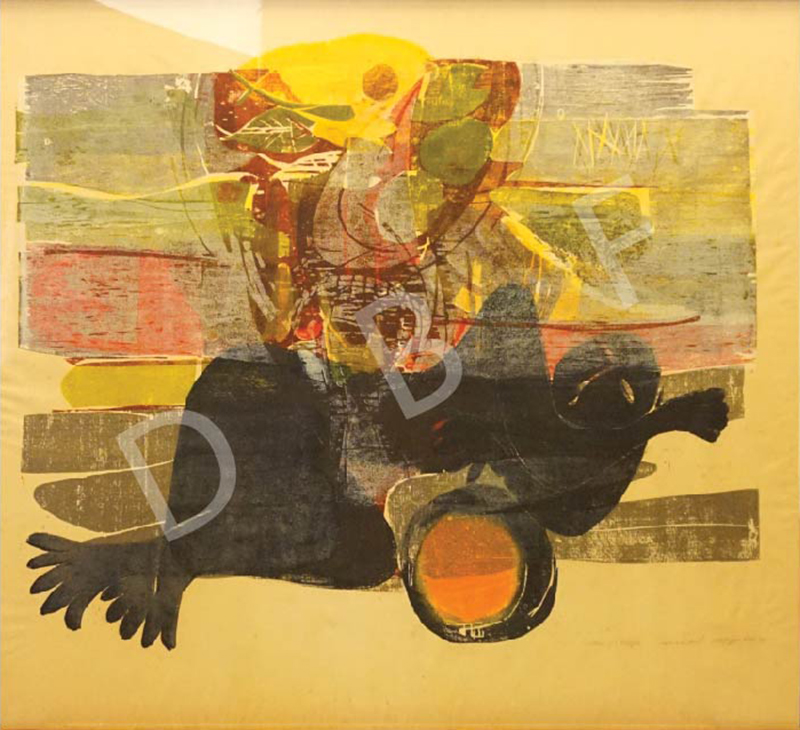
Title: Dream of Beggar
Size: 37 x 41 inch
Year: 1987
Media: Wood cut
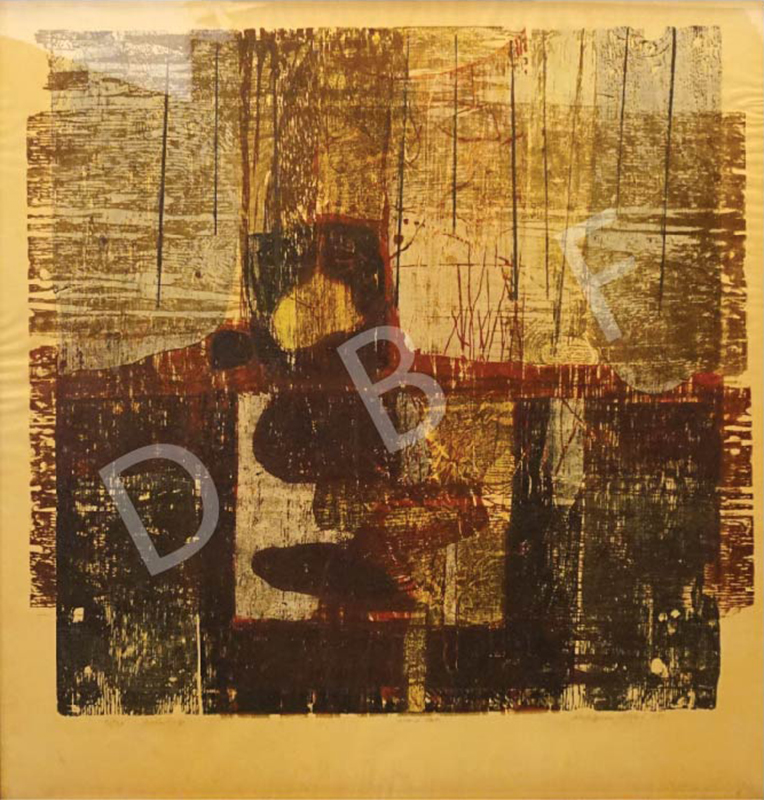
Title: Print VI
Size: 39 x 37 inch
Year: 1985
Media: Wood cut
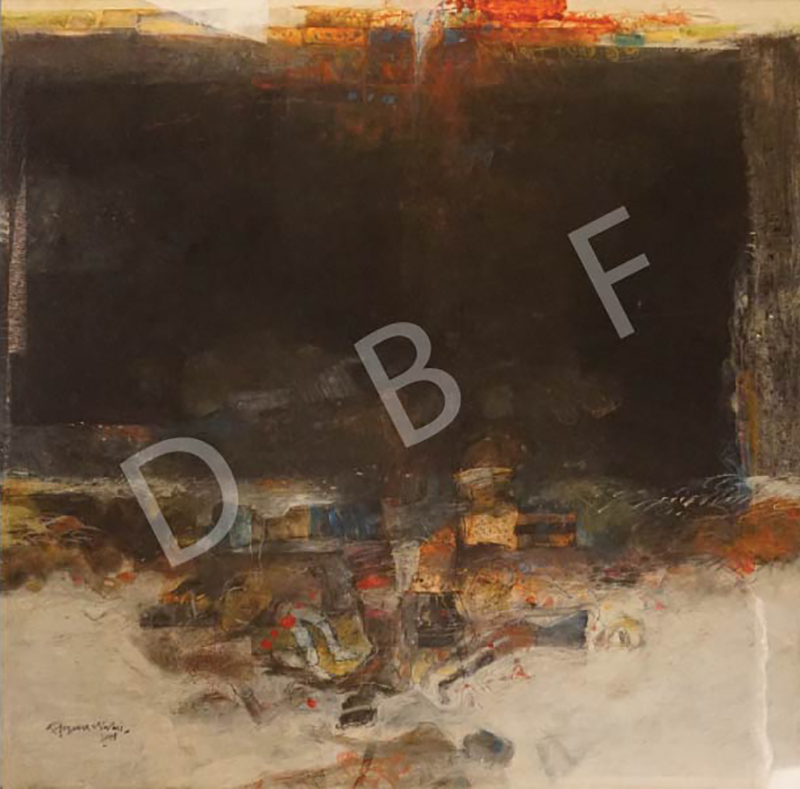
Title: Bodhho Bhumi / Killing Field
Size: 40 x 40 inch
Year: 2004
Media: Mixed media
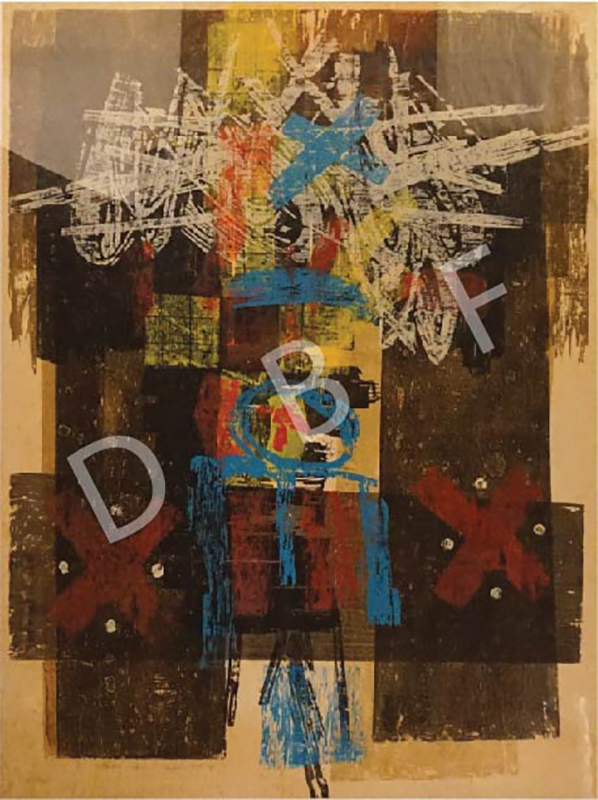
Title: Door Open
Size: 45.5 X 34 inch
Year: 1989
Media: Wood cut
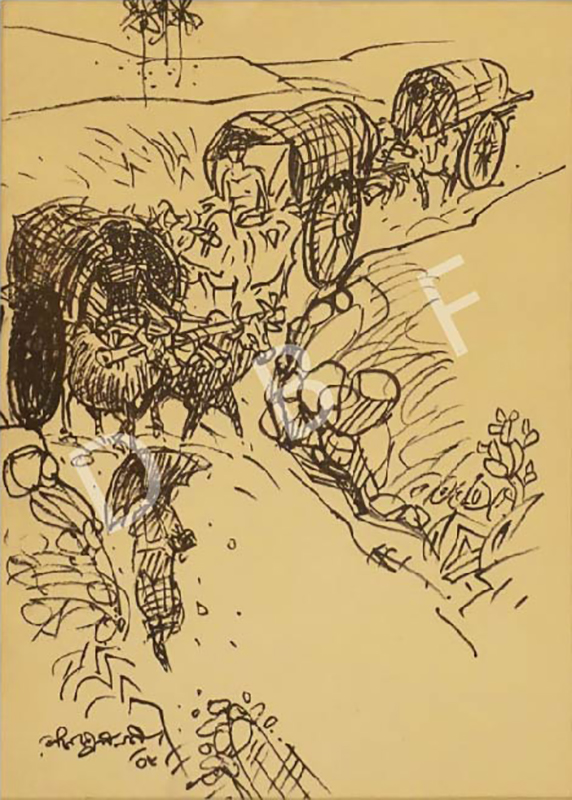
Title: Varendra-3
Size: 14.5 x 10.5 inch
Year: 2005
Media: Pen & Ink
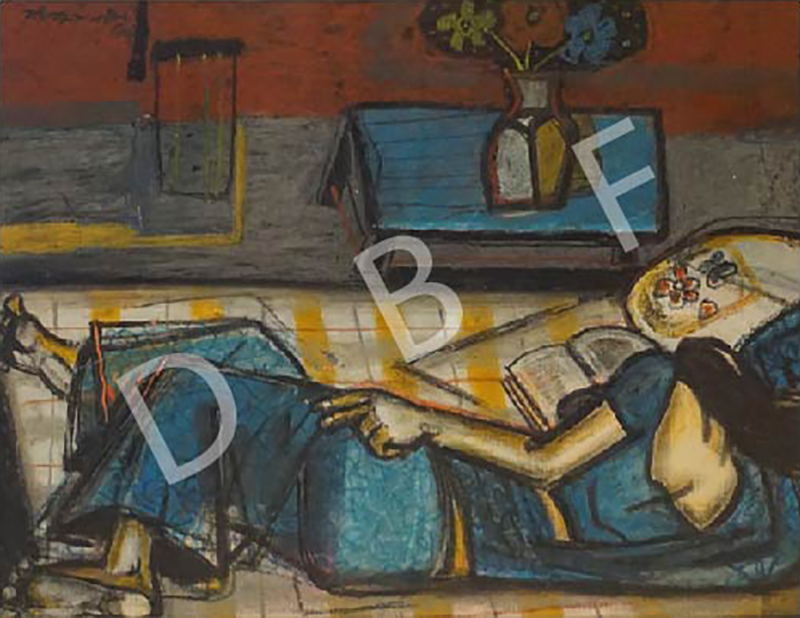
Title: Reclining Women
Size: 16 x 20 inch
Year: 2006
Media: Mixed Media
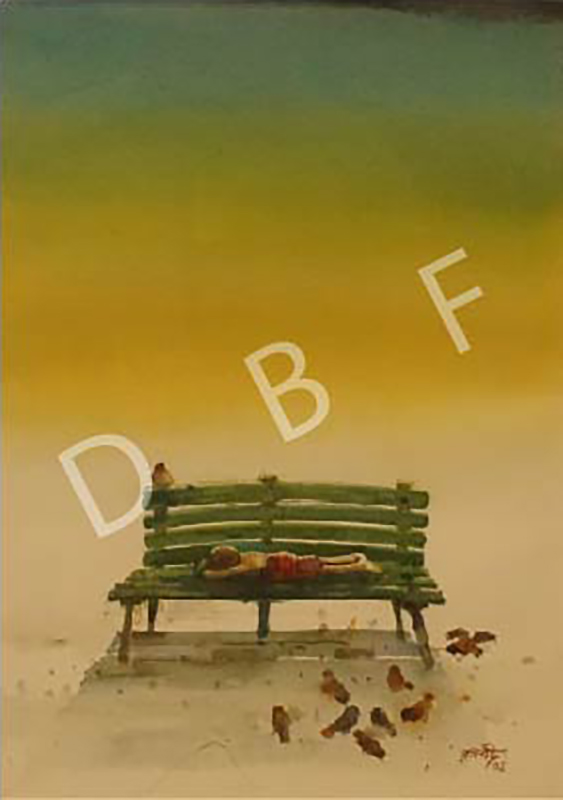
Title: Tokai -2
Size: 15.5 X 11.5 inch
Year: 2004
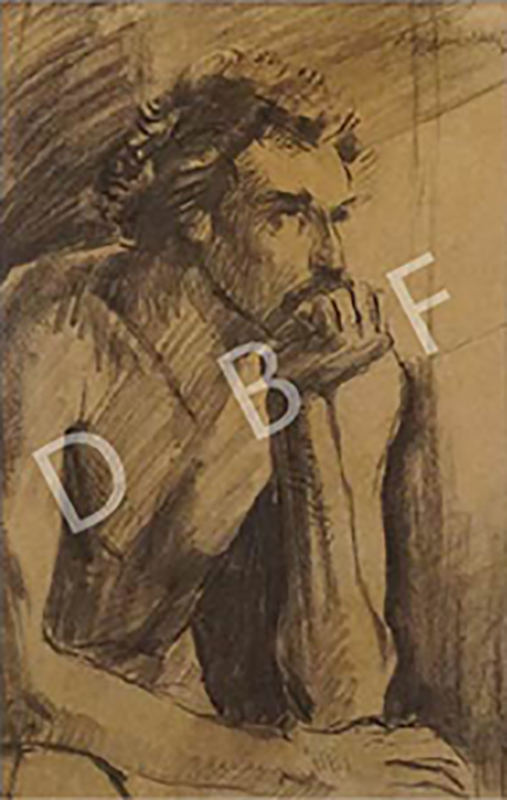
Title: Drawing-3
Size: 19 X 12 inch
Year: 1974
Media: Charcoal on Paper
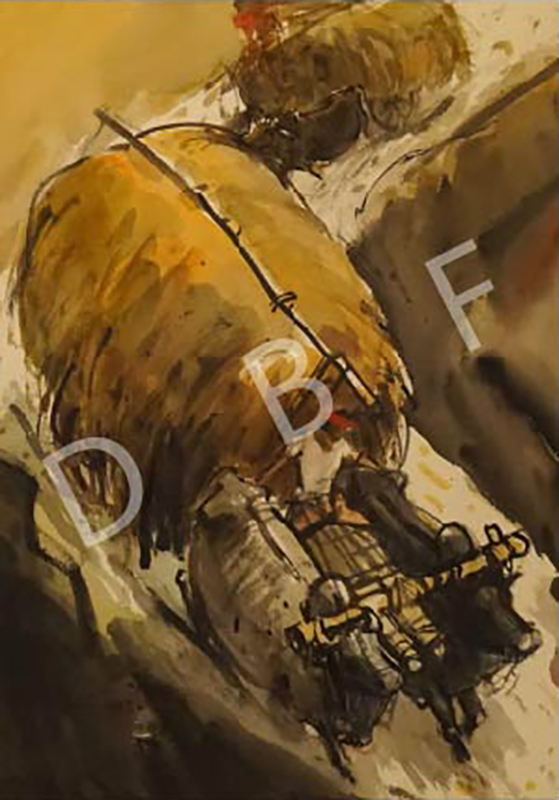
Title: Harvest Time
Size: 20 x 14 inch
Year: 2006
Media: Water colour on paper
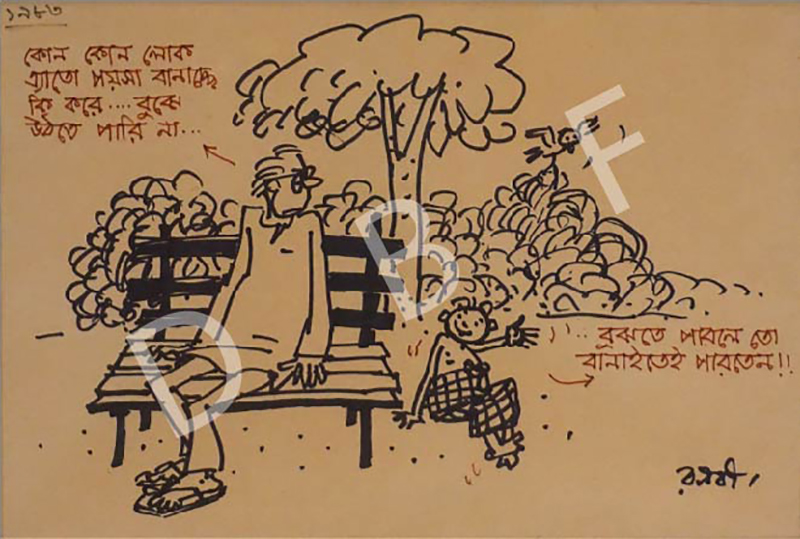
Title: Untitled
Size: 11 x 16 inch
Year: 1983
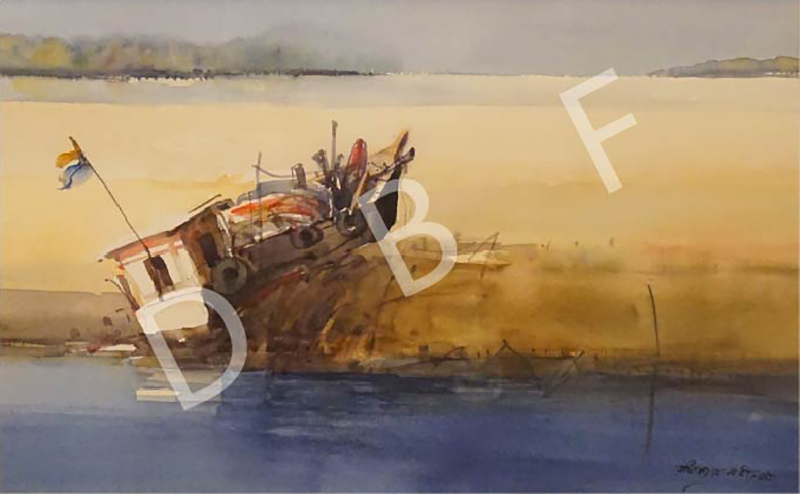
Title: Untitled
Size: 12.5 x 20 inch
Year: 2003
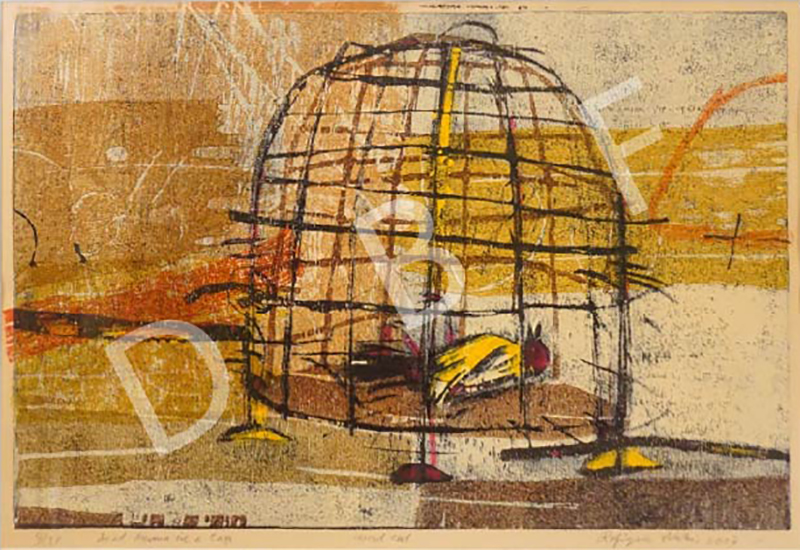
Title: Dead Munia in a case
Size: 17 x 25 inch
Year: 2003
Media: Wood Cut
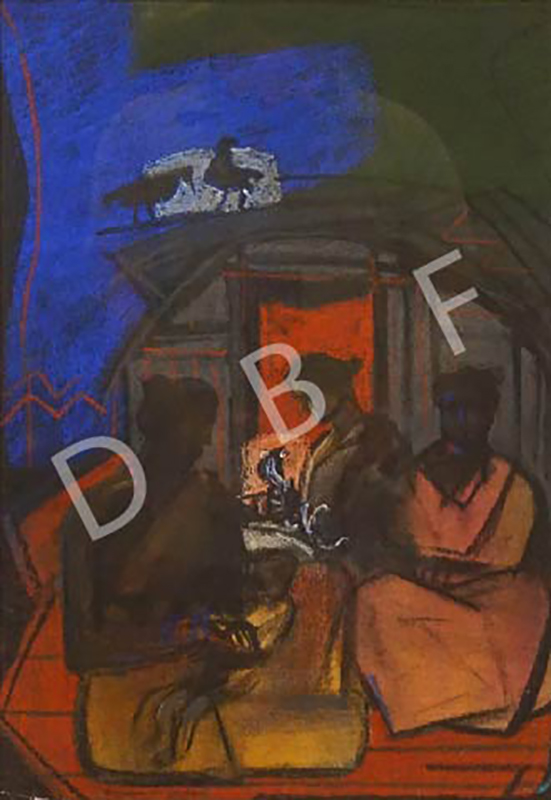
Title: Nomads
Size: 20 x 14 inch
Year: 2006
Media: Mixed Media
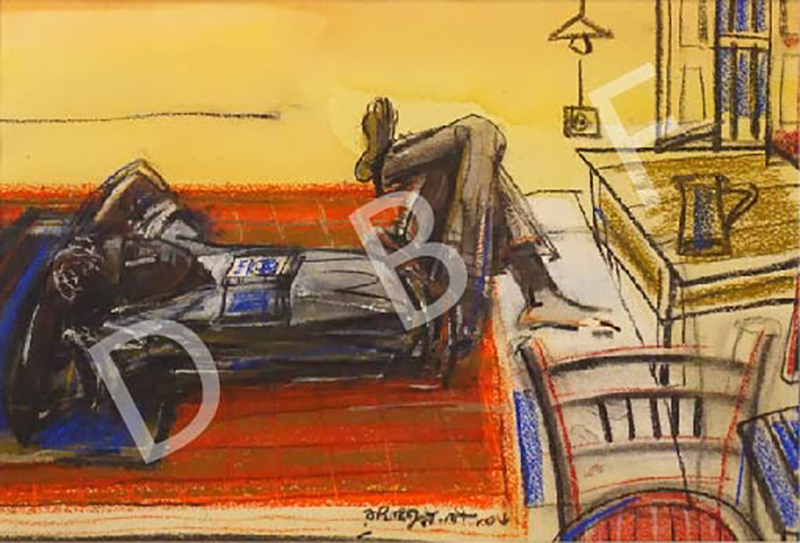
Title: Rest
Size: 14 x 20 inch
Year: 2006
Media: Mixed Media
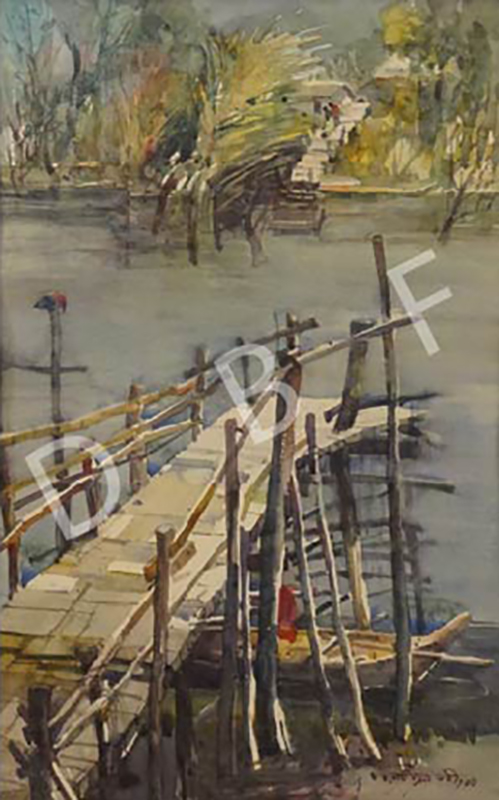
Titled: Untitled
Size: 20 x 12.5 inch
Year: 2003
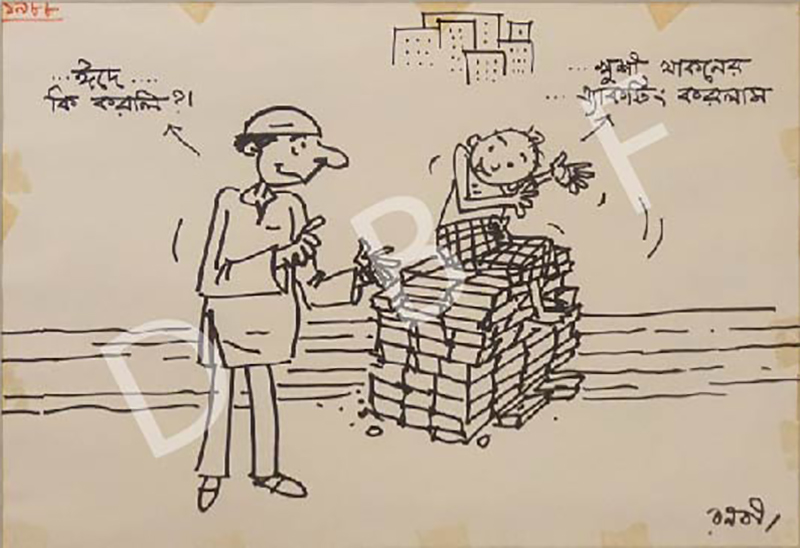
Title: Cartoon -4
Size: 11 x 16 inch
Year: 1988
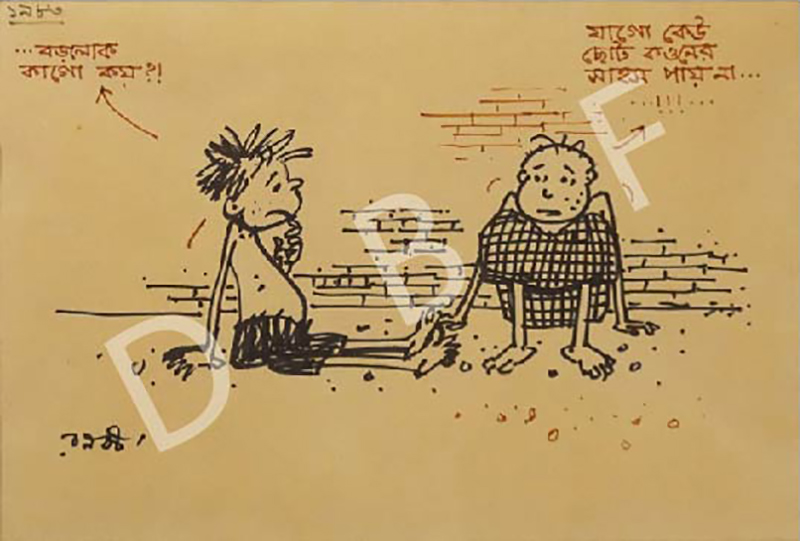
Title: Cartoon-5
Size: 11 X 16 inch
Year: 1983
Media: Cartoon-5
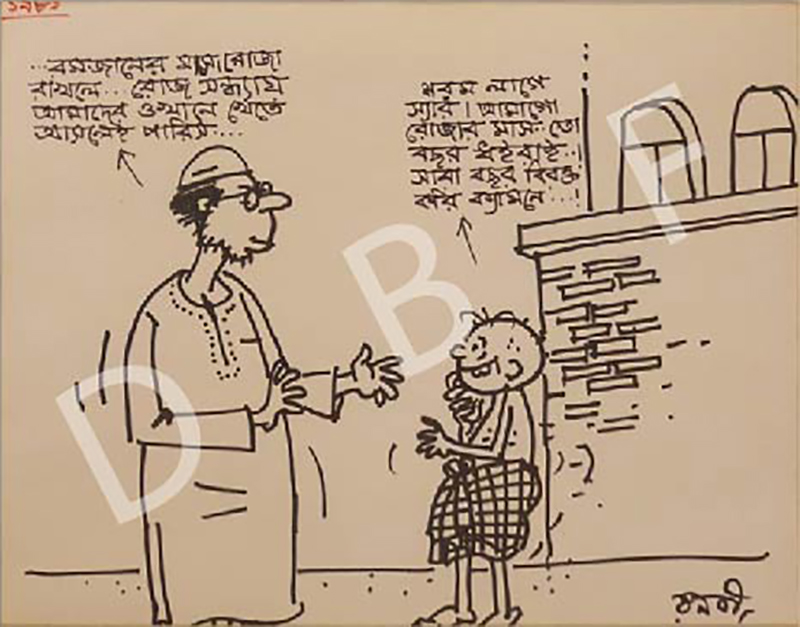
Title: Untitled
Size: 11 x 14
Year: 1981
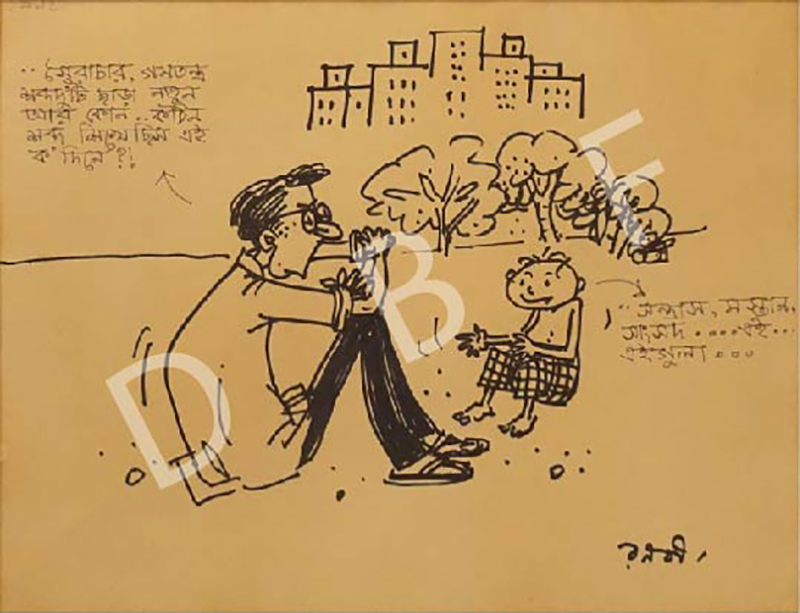
Title: Untitled
Size: 11 x 14 inch
Year: 1992
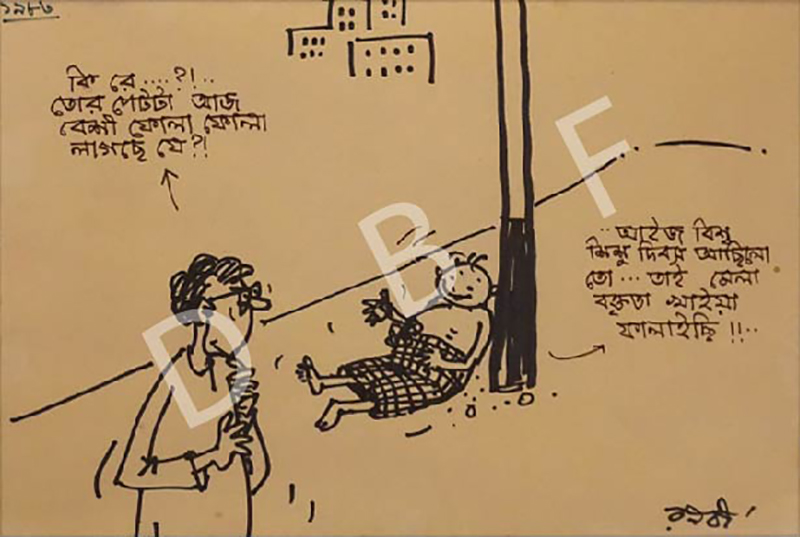
Title: Cartoon 2
Size: 11 X 16 inch
Year: 1983
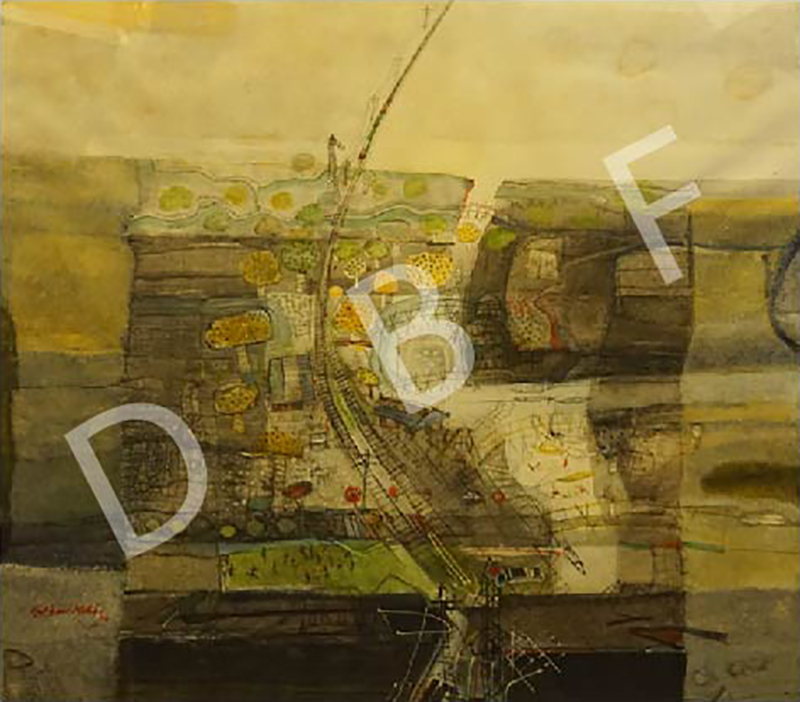
Title: A station
Size: 39.25 x 47.25 inch
Year: 2006
Media: Acrylic on paper
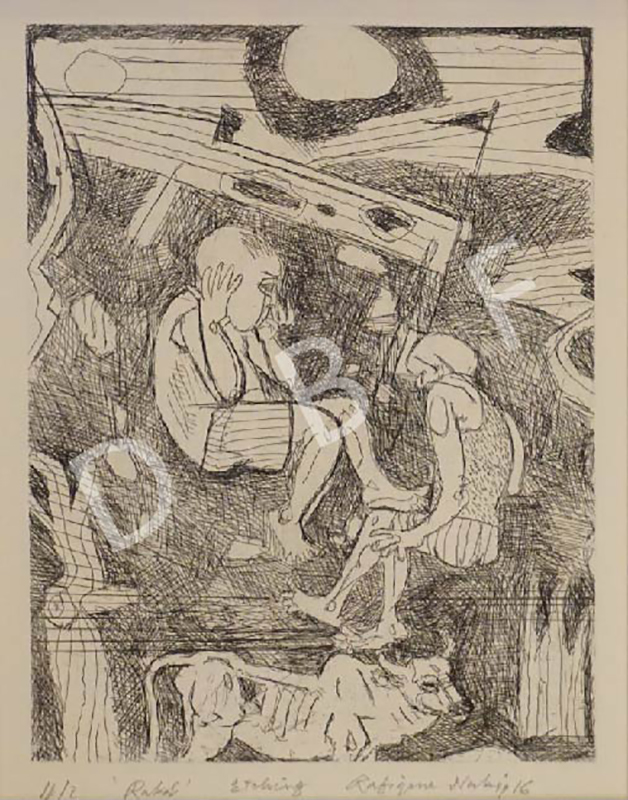
Title: Rakhal
Size: 14 x 11 inch
Year: 2016
Media: Sketch on paper
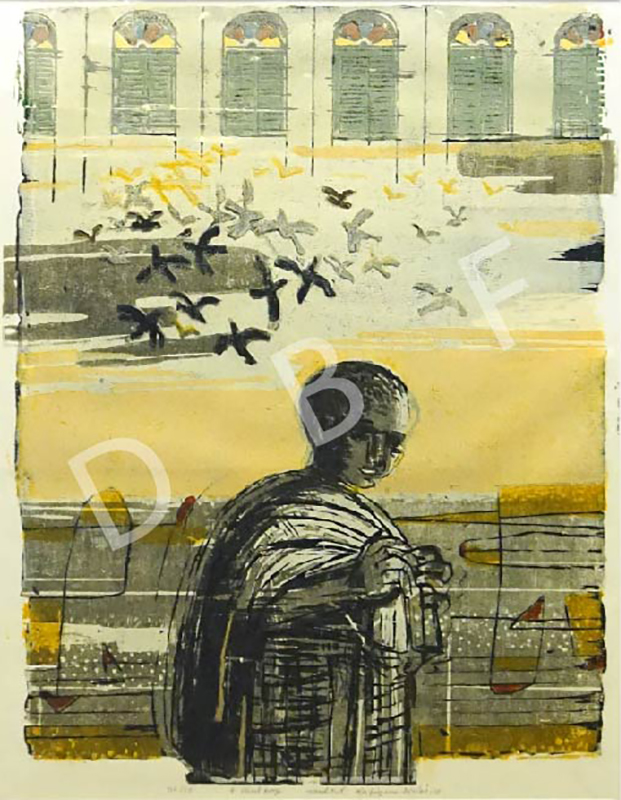
Title: A Street Boy
Size: 28.5 x 37 inch
Year: 2018
Media: Wood cut
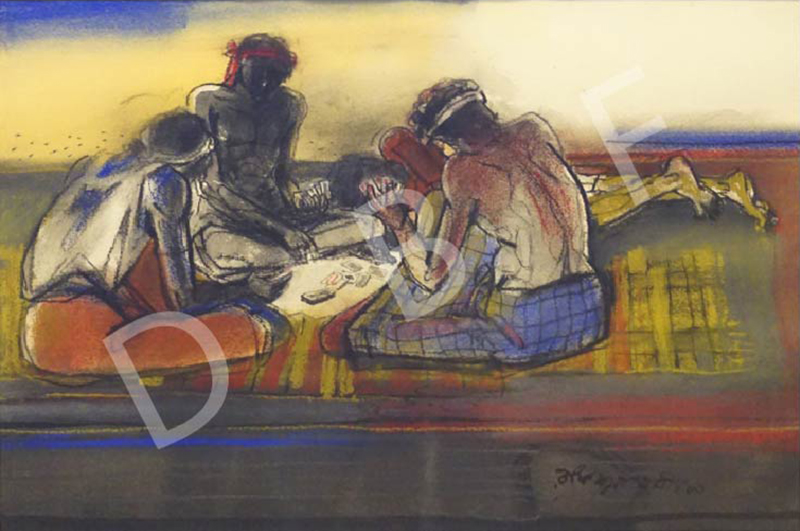
Title: Recreation-1
Size: 13 x 19 inch
Year: 2006
Media: Mixed Media
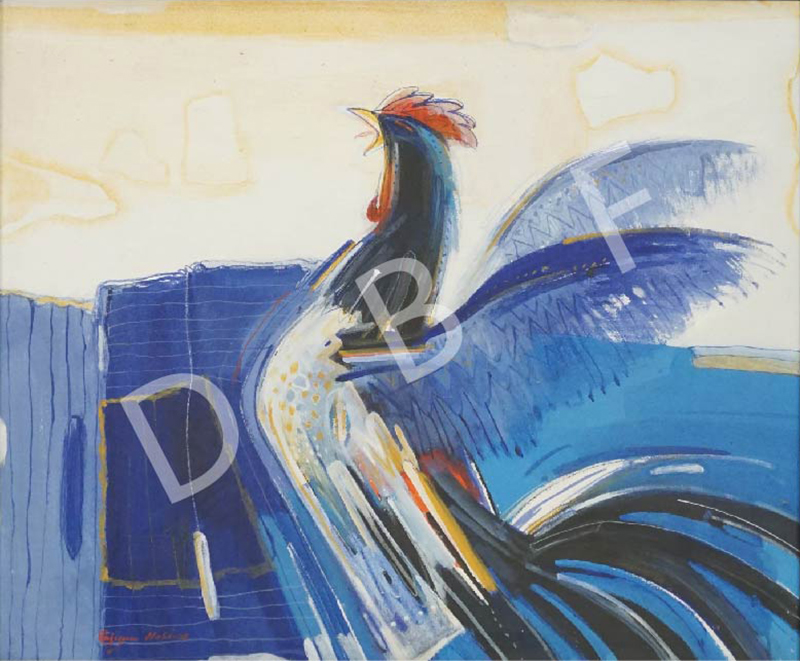
Title: Rooster
Size: 36 x 30 inch
Year: 2008
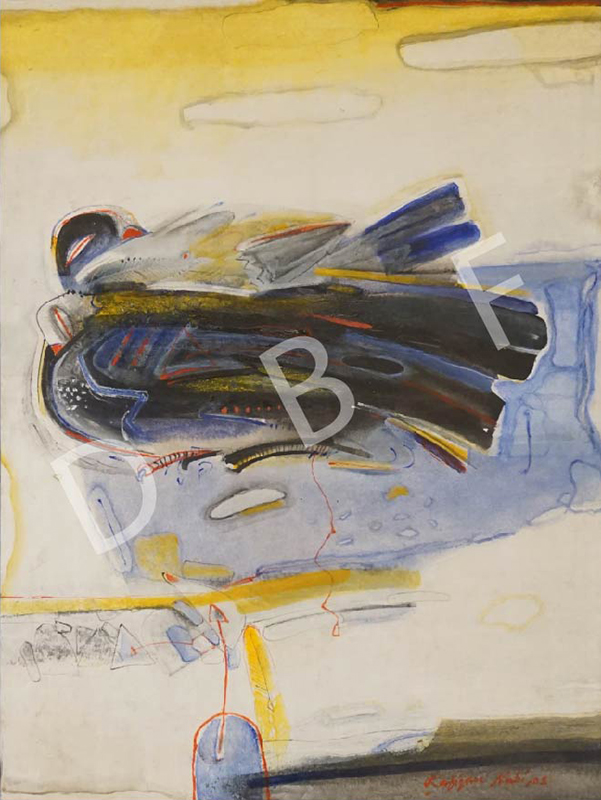
Title: Bird
Size: 47.5 x 36 inch
Year: 2008
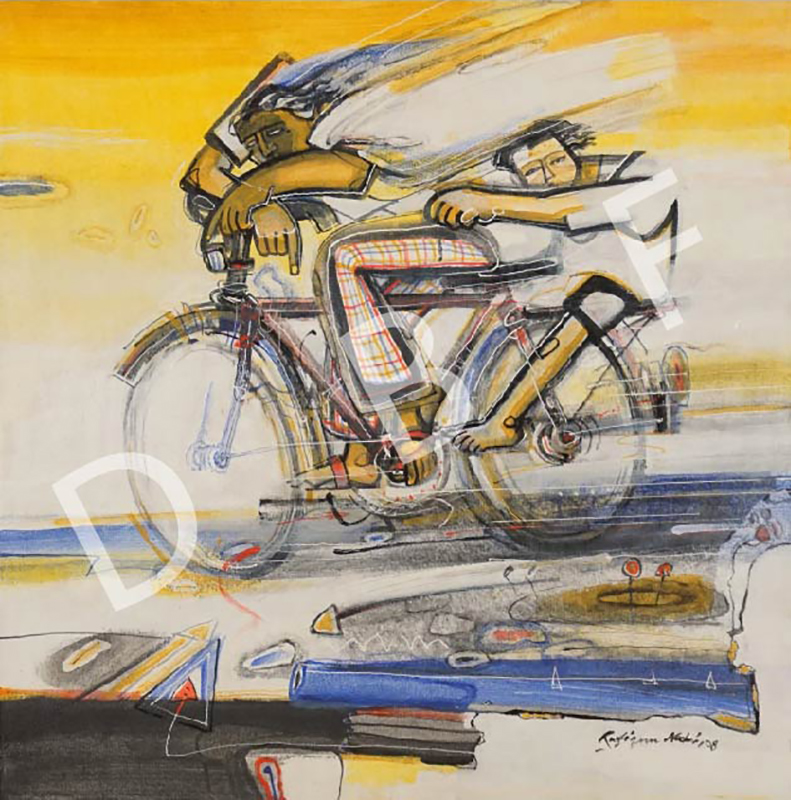
Title: Cycle
Size: 36 X 36 inch
Year: 2008
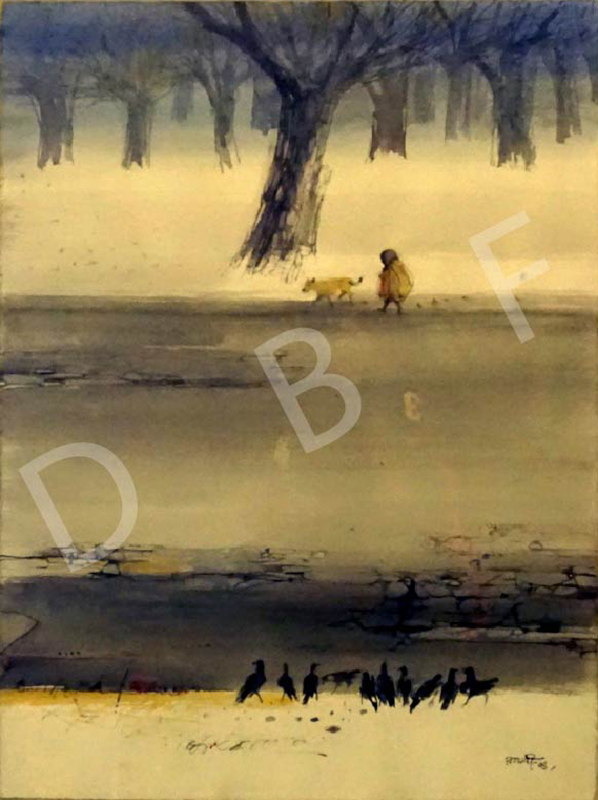
Title: Tokai-4
Size: 22 x 30 inch
Year: 2004
Media: Water colour on paper
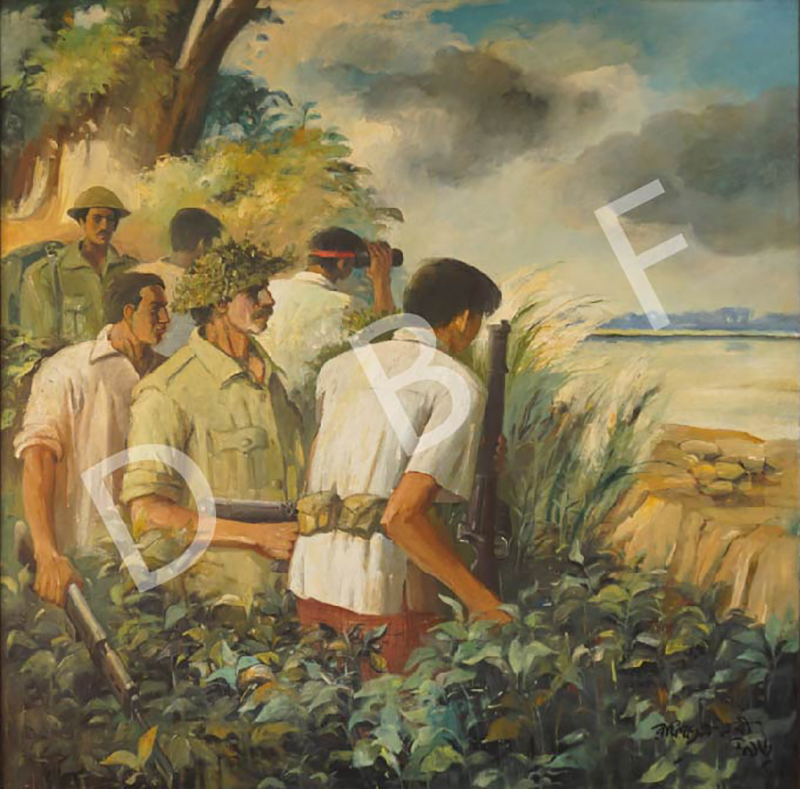
Title: Muktijoddha
Size: 71 x 71 inch
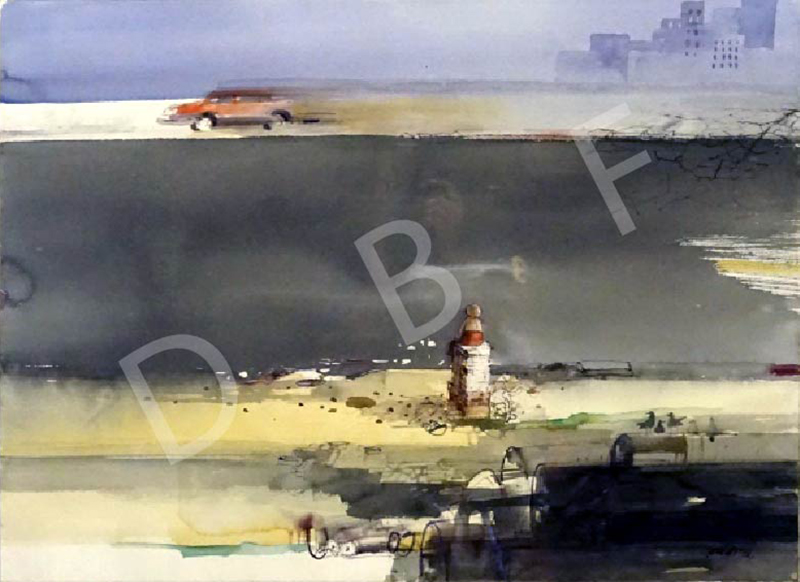
Title: Tokai -3
Size: 22.5 X 30 inch
Year: 2005
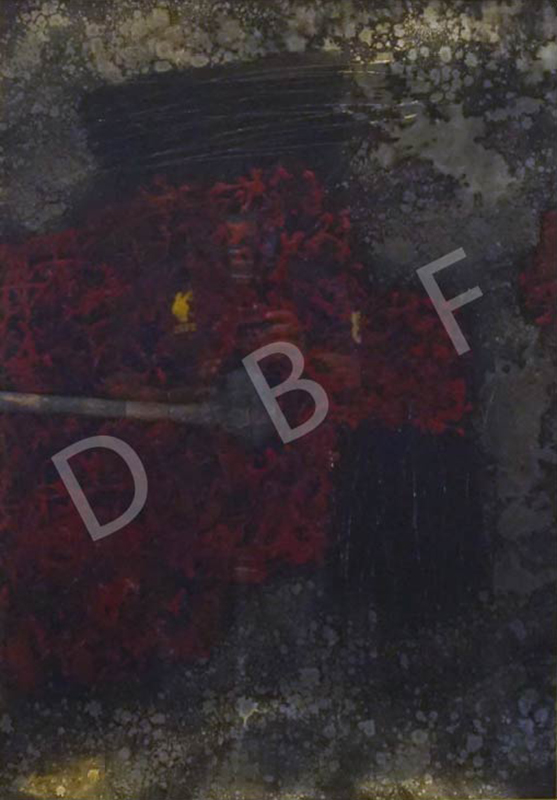
Title: Untitled
Size: 21 x 30.5 inch
Year: 2015
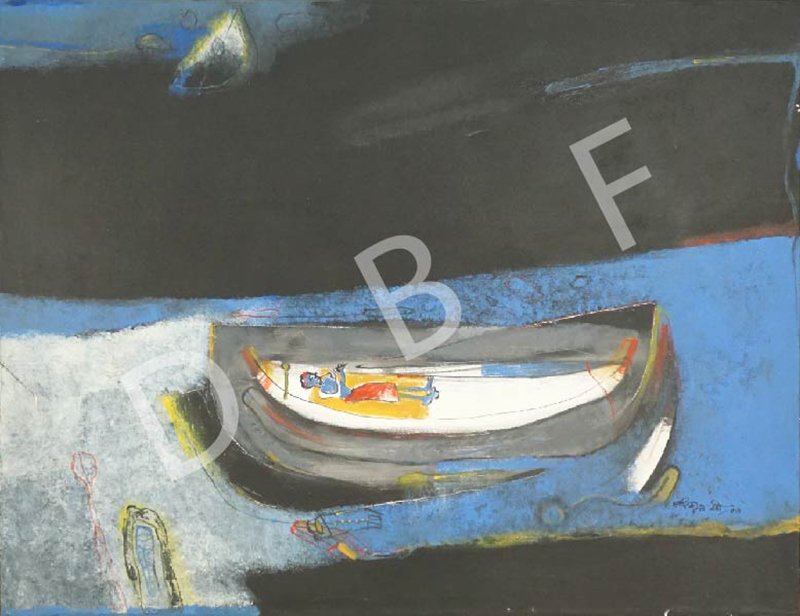
Title: Klantir Oboshese
Size: 36 x 47.5 inch
Year: 2006
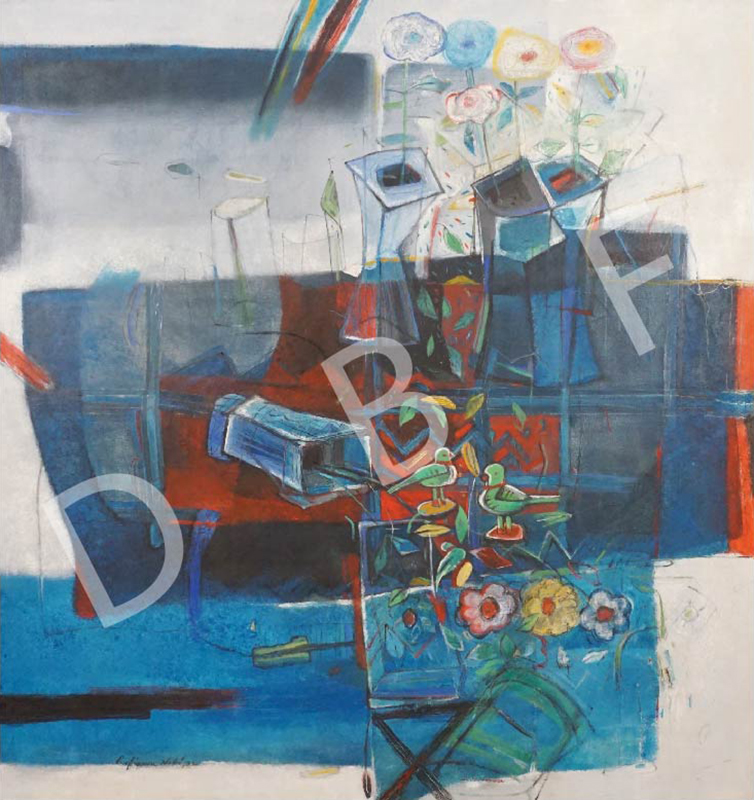
Title: Fallen vase
Size: 60 X 57 inch
Year: 2002
Media: Oil on canvas
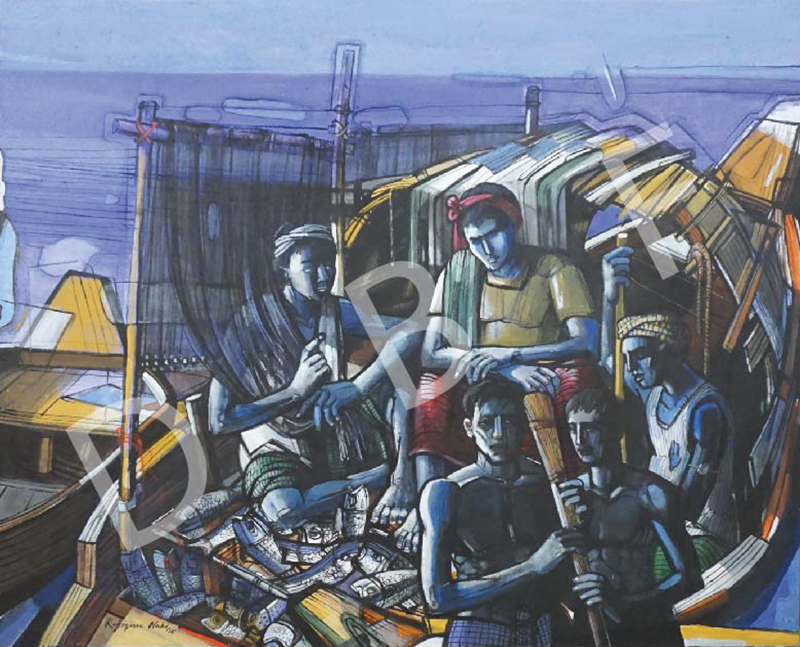
Title: After the catch
Size: 48 x 60 inch
Year: 2015
Media: Acrylic on canvas
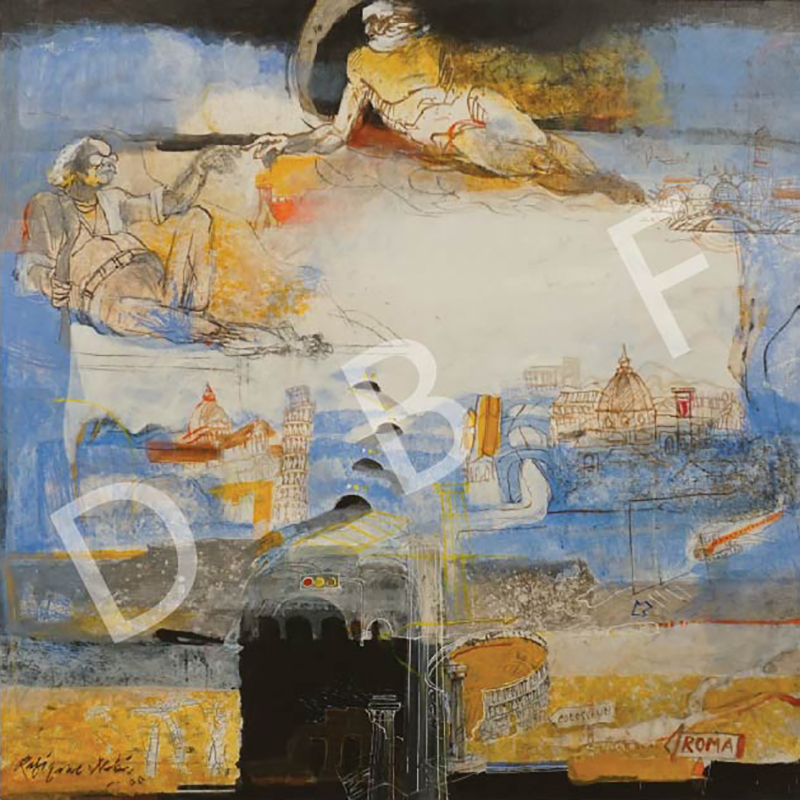
Title: A visit to Rome
Size: 47.25 X 47.25 inch
Year: 2005
Media: Acrylic on Canvas
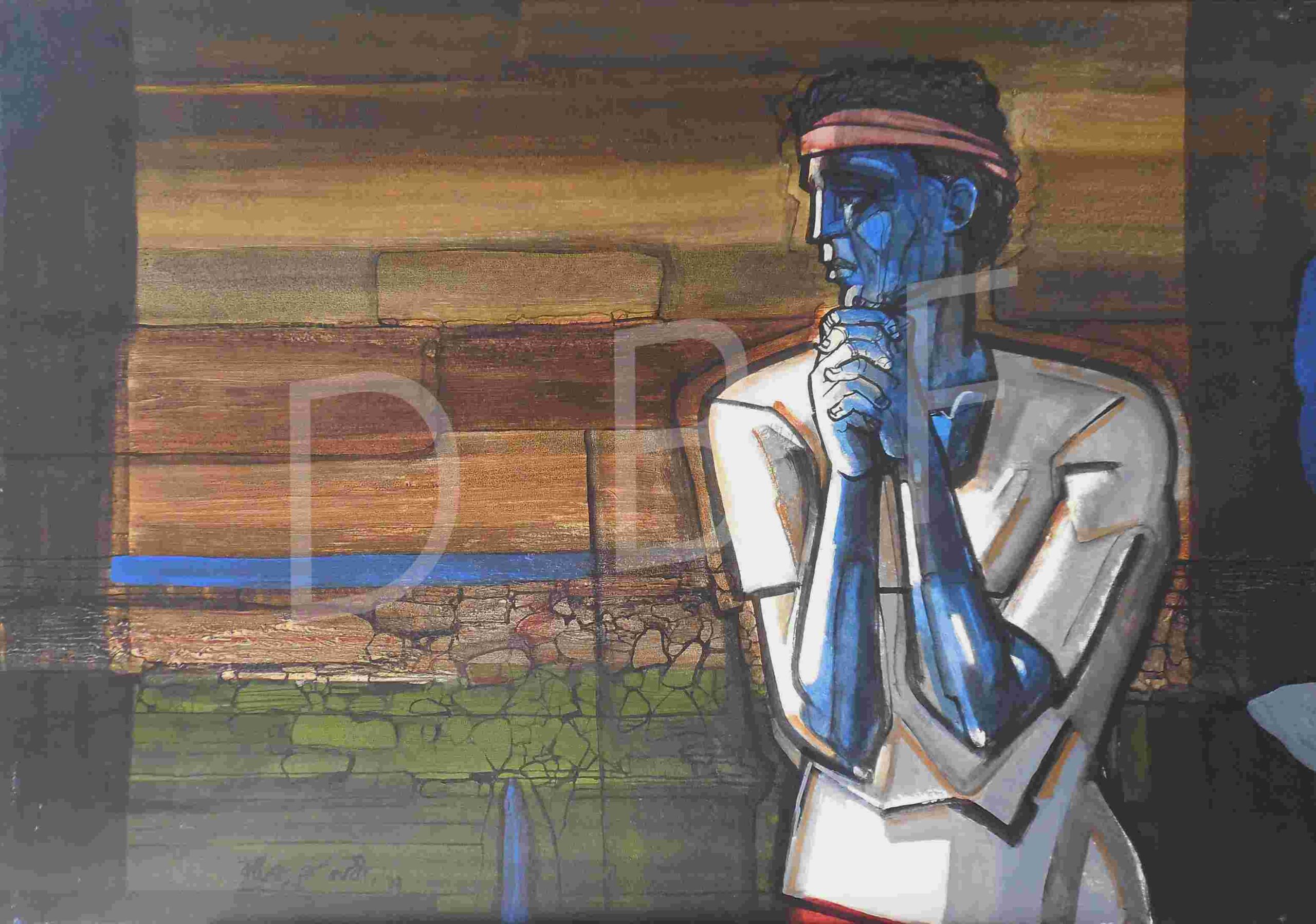
Title: Untitled
Size: 90 X 50 cm
Year: 2017
Media: Acrylic on Canvas
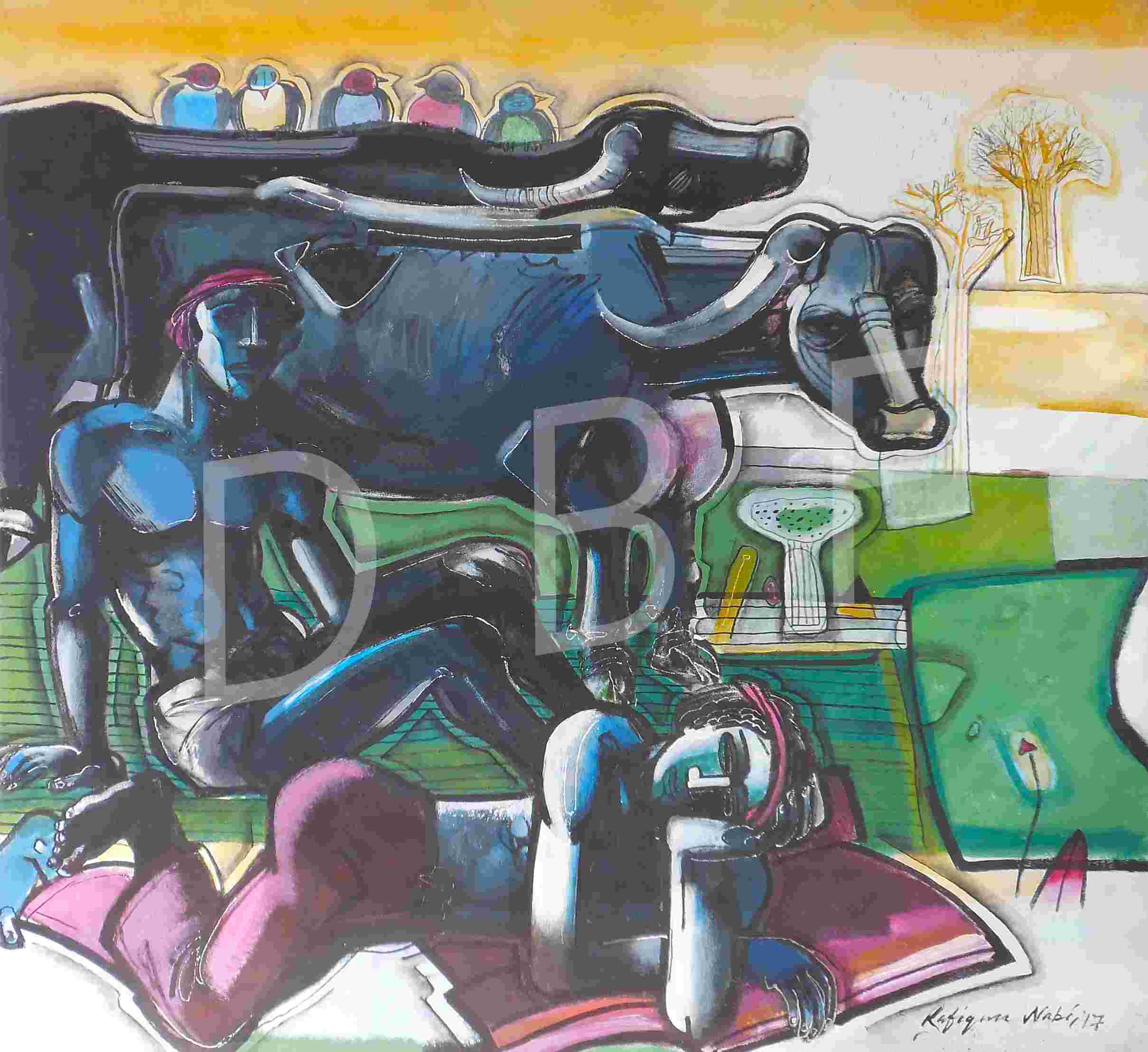
Title: Untitled
Size: 202 X 122 cm
Year: 2017
Media: Acrylic on Canvas
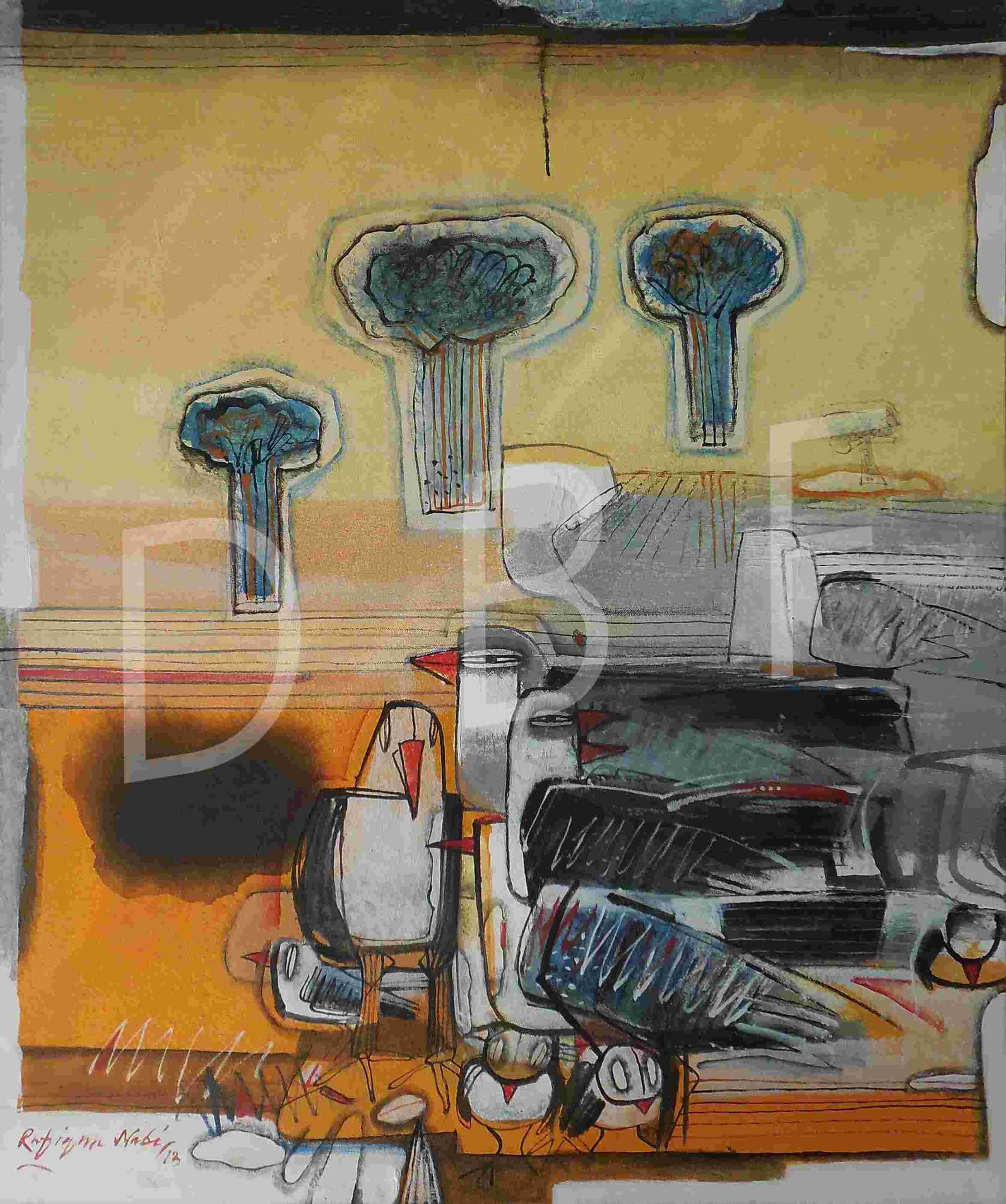
Title: Untitled
Size: 90 X 30 cm
Year: 2013
Media: Acrylic on Canvas
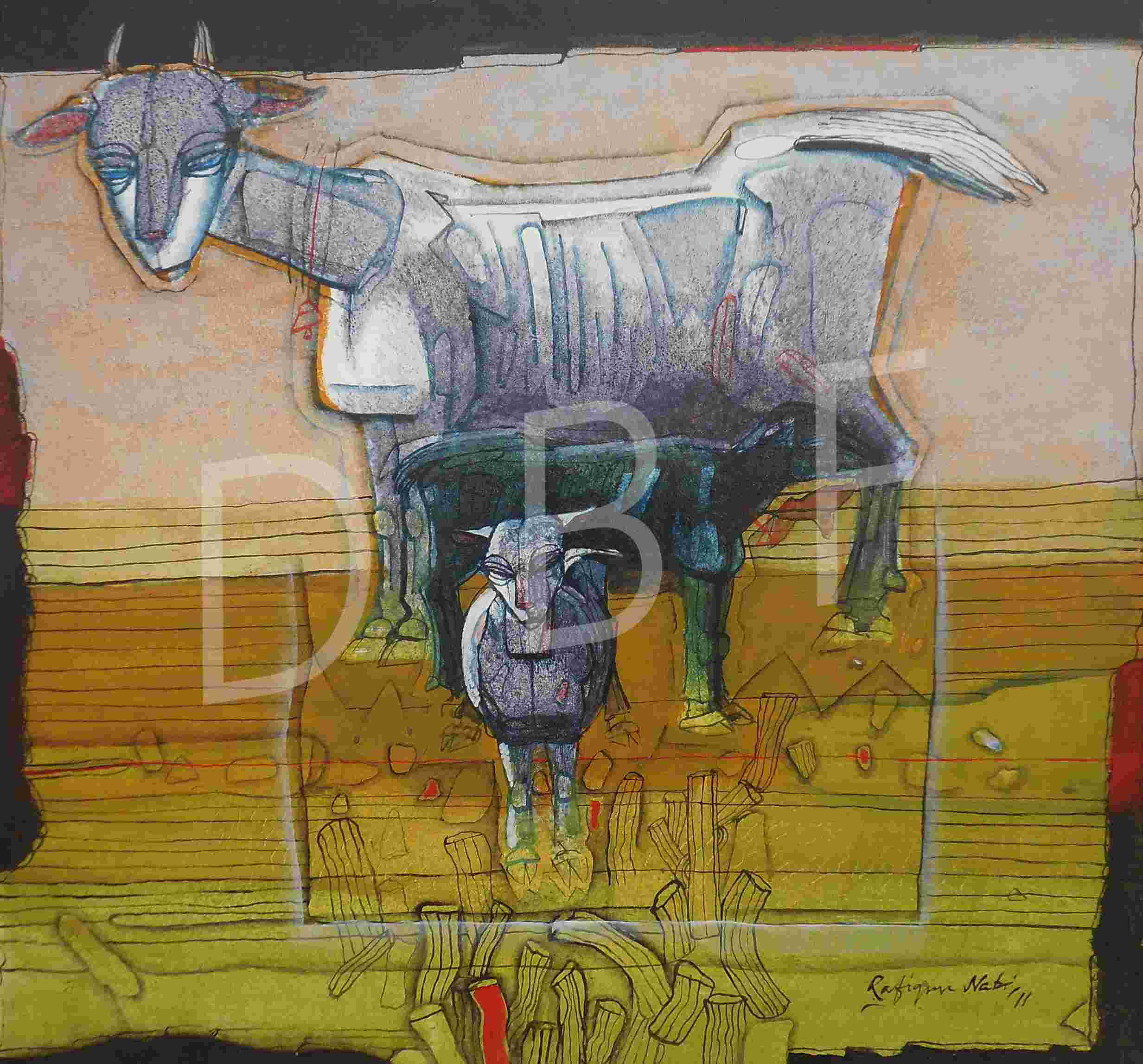
Title: Couple With Goats
Size: 74 X 74 cm
Year: 2011
Media: Acrylic on Canvas
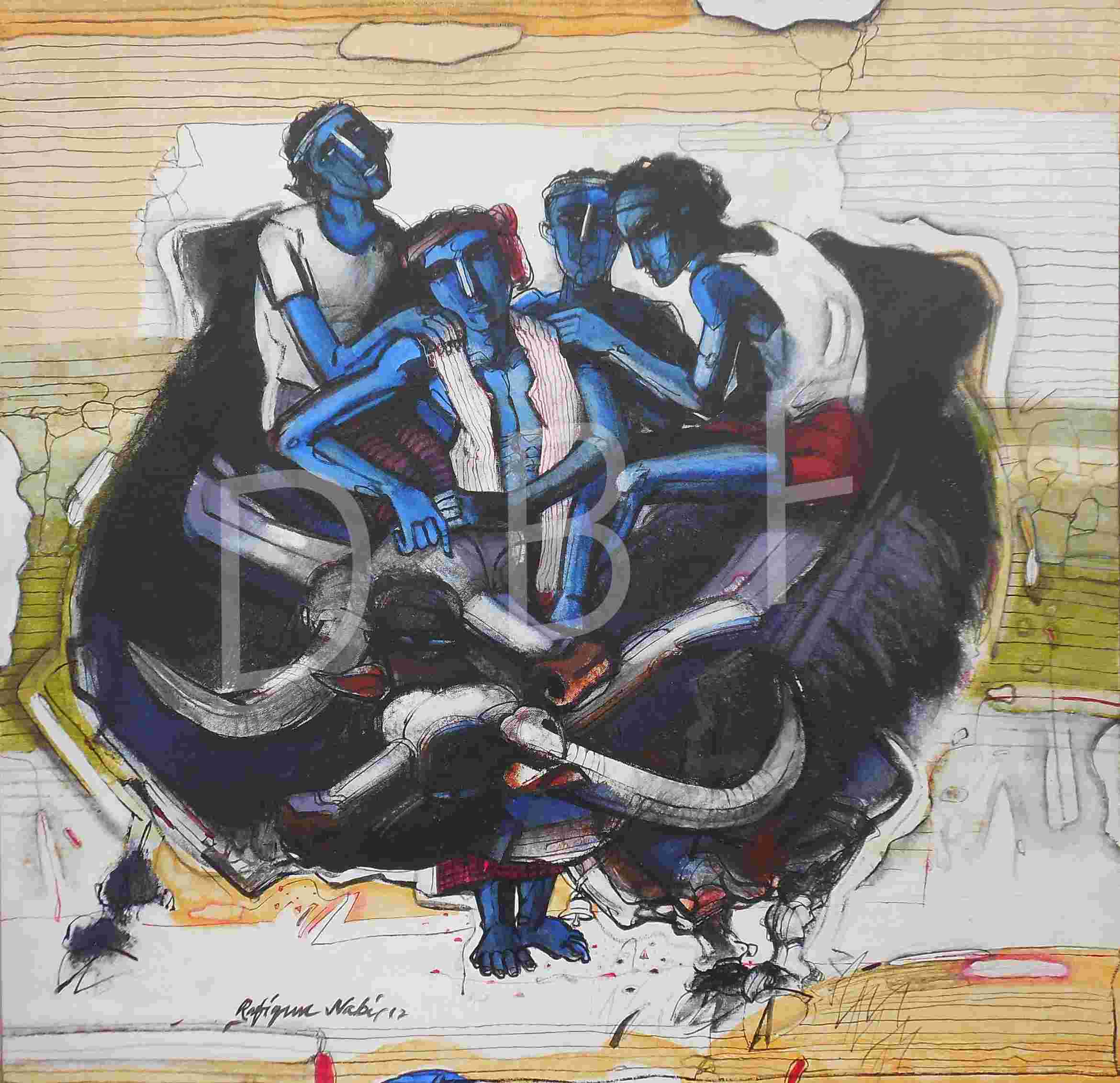
Title: Buffalos and Cowboys
Size: 90 X 90 cm
Year: 2012
Media: Acrylic on Canvas
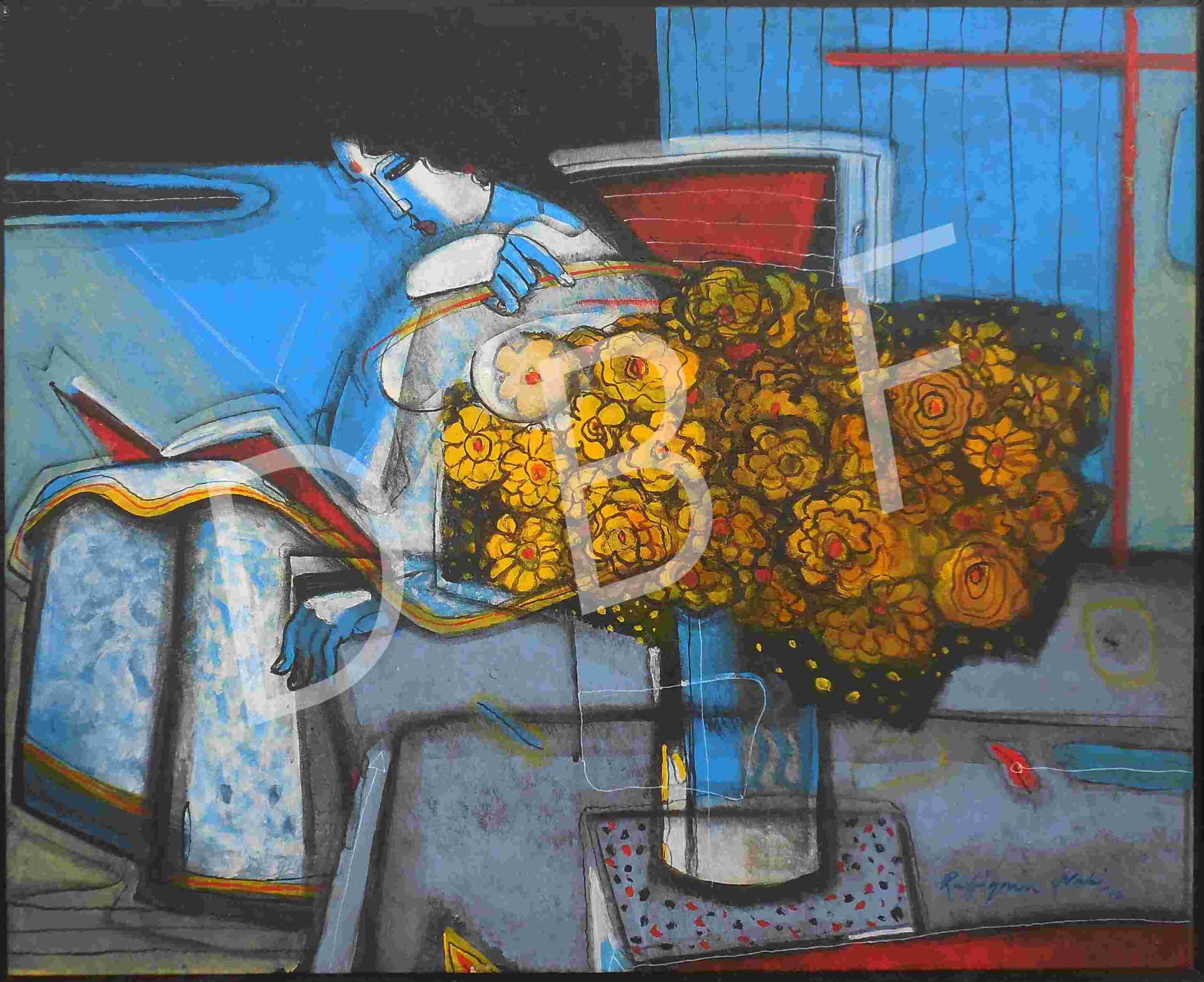
Title: Woman and Yellow Flower
Size: 60 X 75 cm
Year: 2010
Media: Acrylic on Canvas
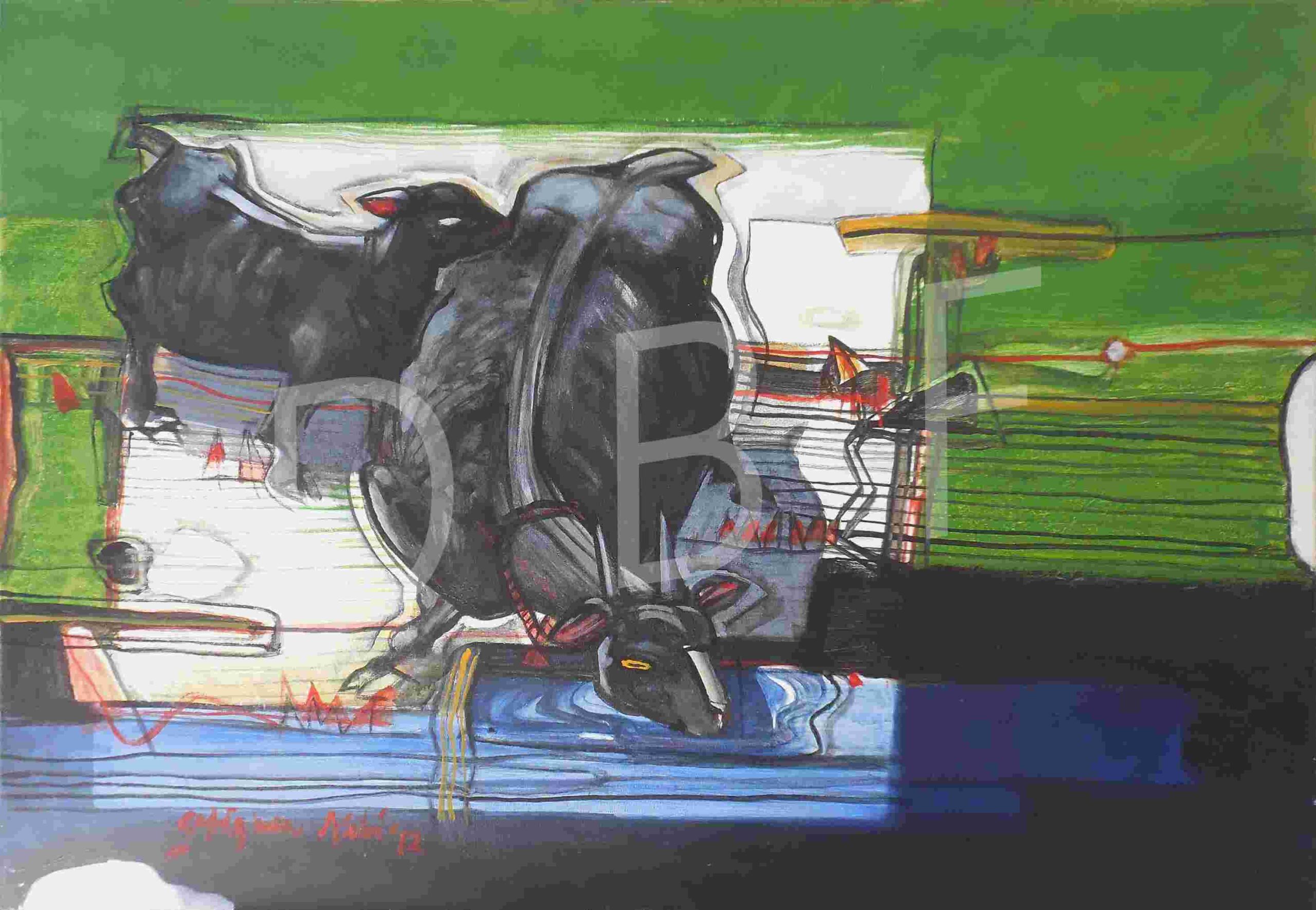
Title: Untitled
Size: 34 X 120 cm
Media: Acrylic on Canvas
Year: 2012
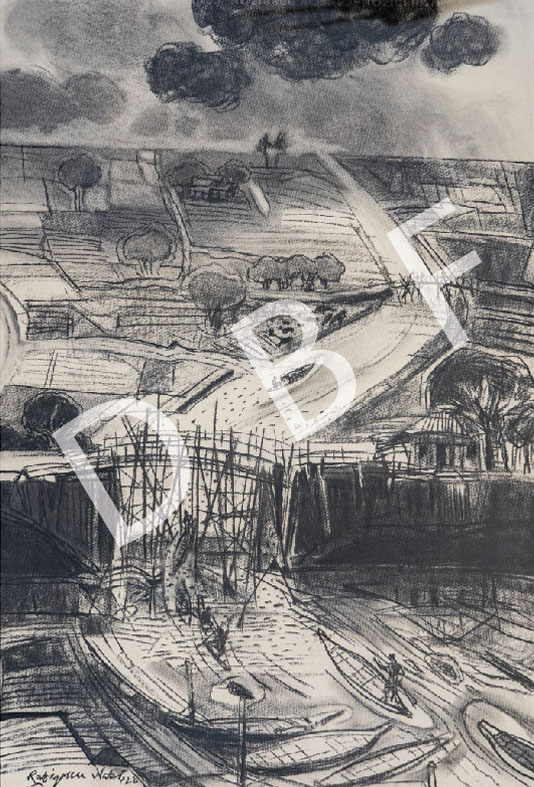
Title: Deck Bridge
Size: 21 X 31 inch
Media: Charcoal on paper
Year: 2022
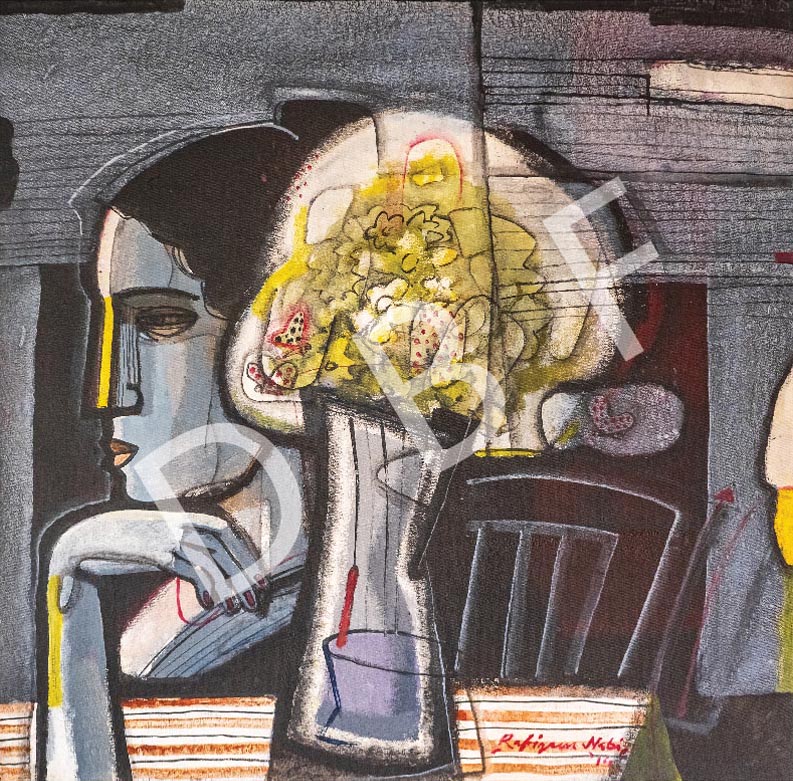
Title: Untitled
Size: 35.5 X 35.5 inch
Year: 2014
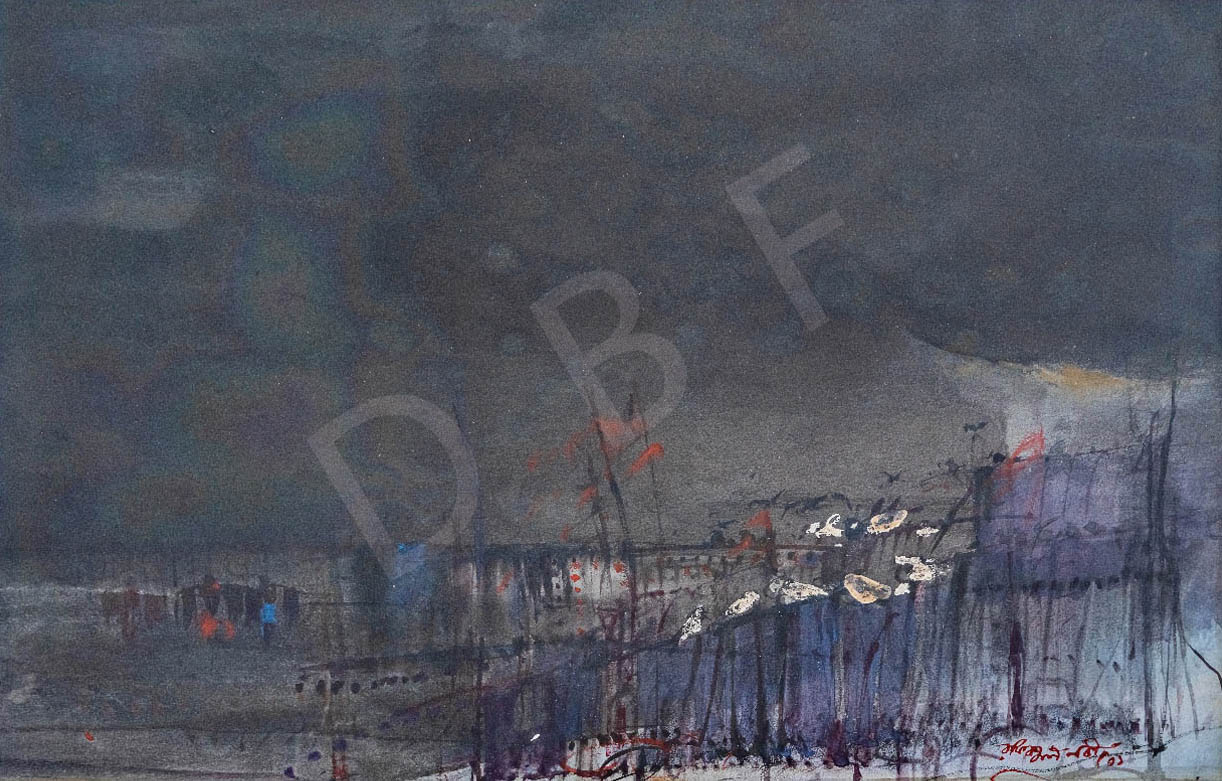
Title: Journey for fishing early morning
Size: 35.5 X 35.5 inch
Year: 2001
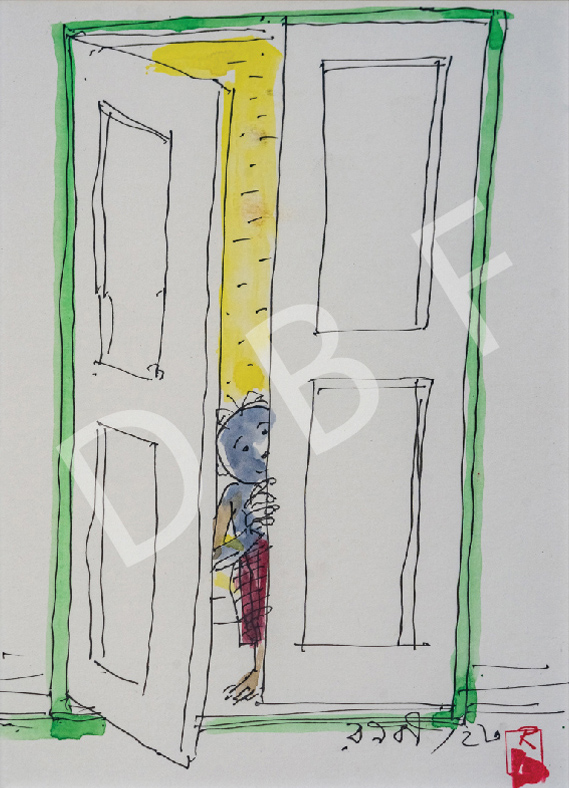
Title: Untitled
Size: 6 X 8 inch
Media: Mixed Media on Paper
Year: 2023
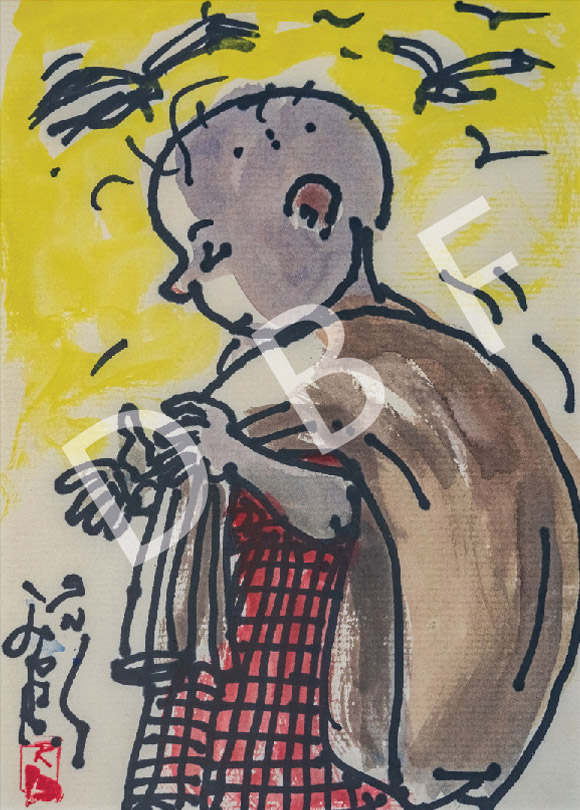
Title: Untitled
Size: 6 X 8 inch
Media: Mixed Media on Paper
Year: 2023
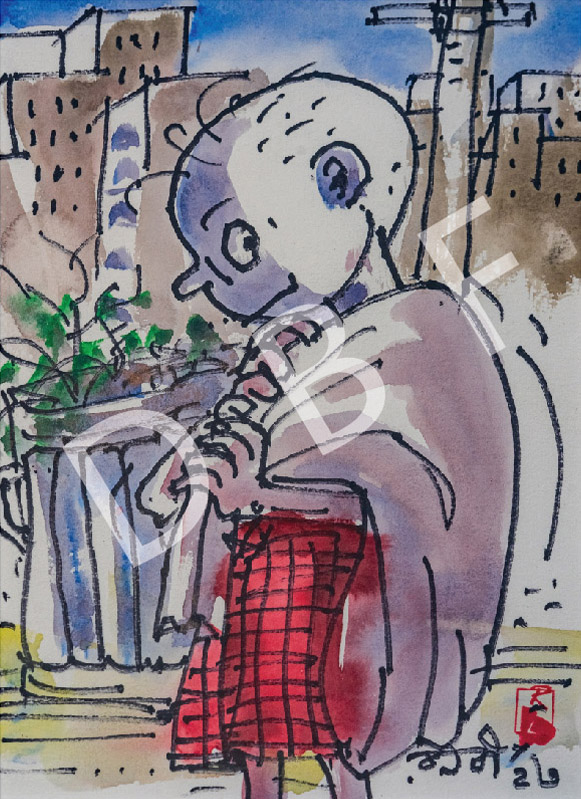
Title: Untitled
Size: 6 X 8 inch
Media: Mixed Media on Paper
Year: 2023
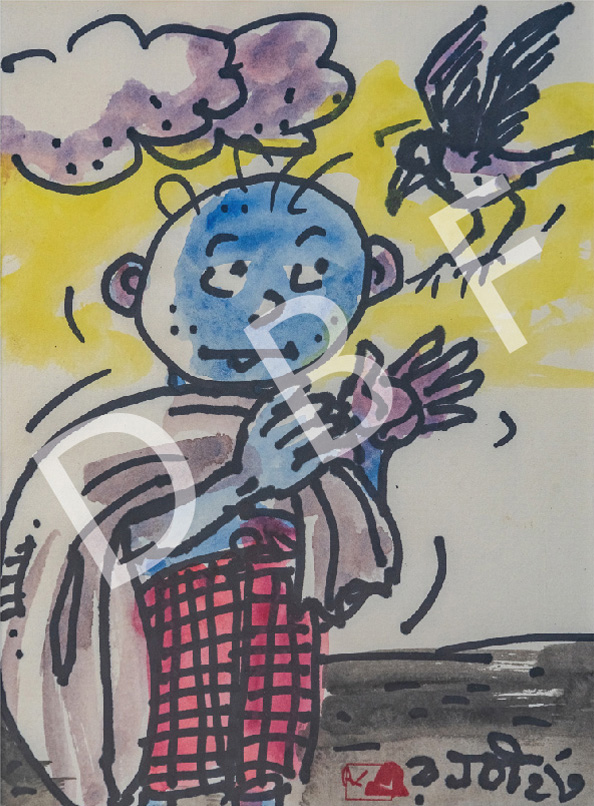
Title: Untitled
Size: 6 X 8 inch
Media: Mixed Media on Paper
Year: 2023
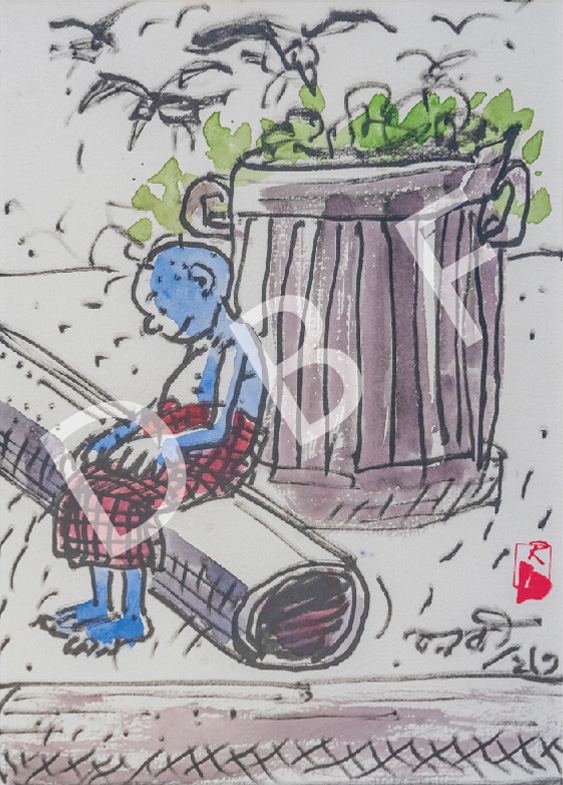
Title: Untitled
Size: 6 X 8 inch
Media: Mixed Media on Paper
Year: 2023
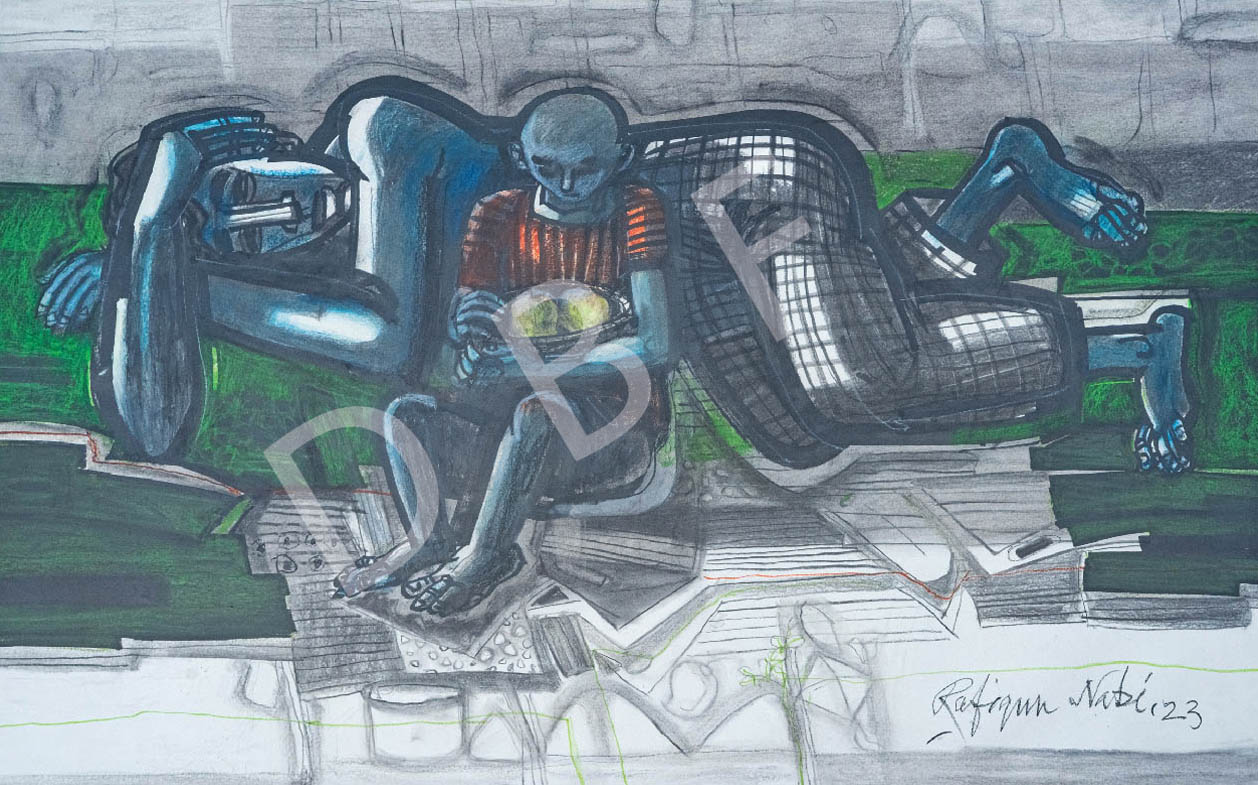
Title: Rest-1
Size: 40 X 58 inch
Media: Mixed media on paper
Year: 2023
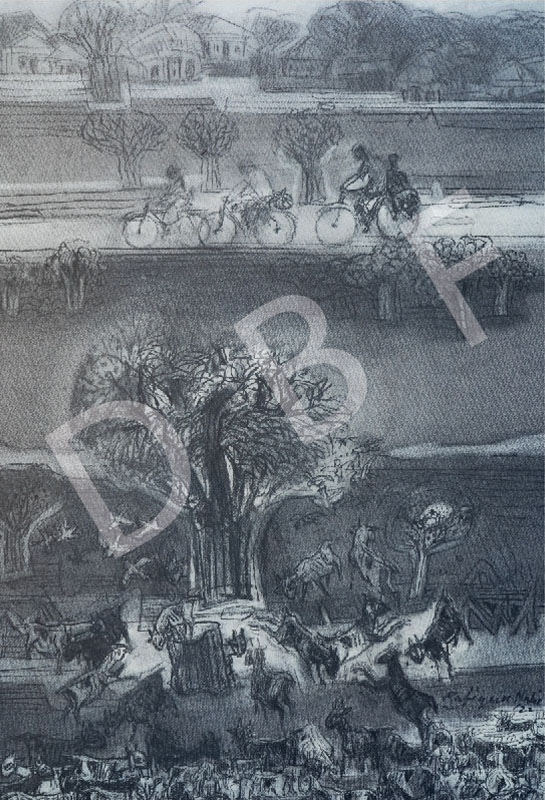
Title: A Village
Size: 22 X 30 inch
Media: Charcoal on paper
Year: 2022
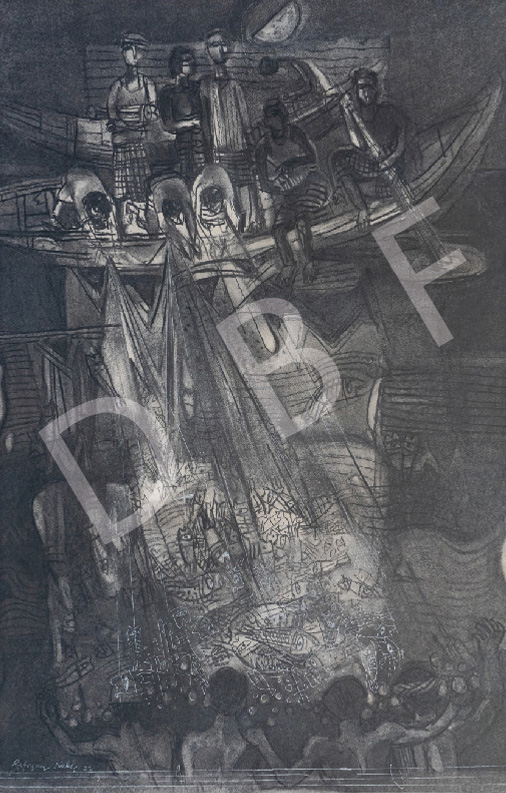
Title: Fisherman
Size: 22 X 30 inch
Media: Charcoal on paper
Year: 2022
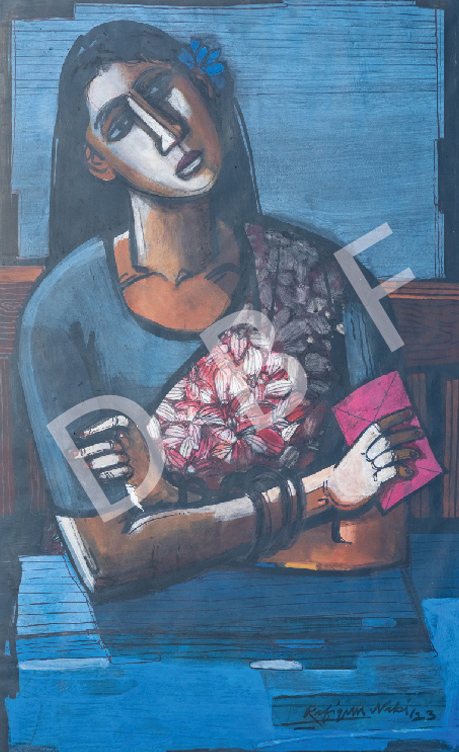
Title: Letter
Size: 30 X 48 inch
Media: Mixed media on paper
Year: 2023
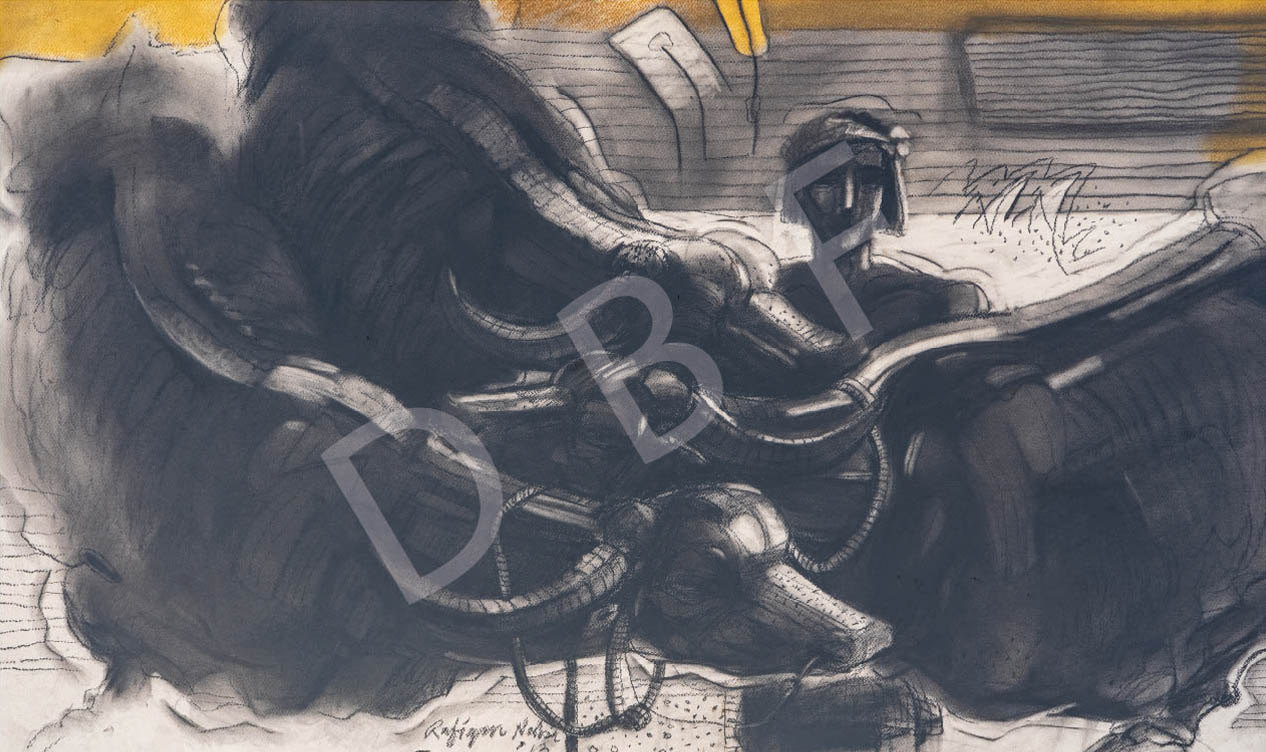
Title: Buffalos
Size: 29 X 46 inch
Media: Charcoal on paper
Year: 2013
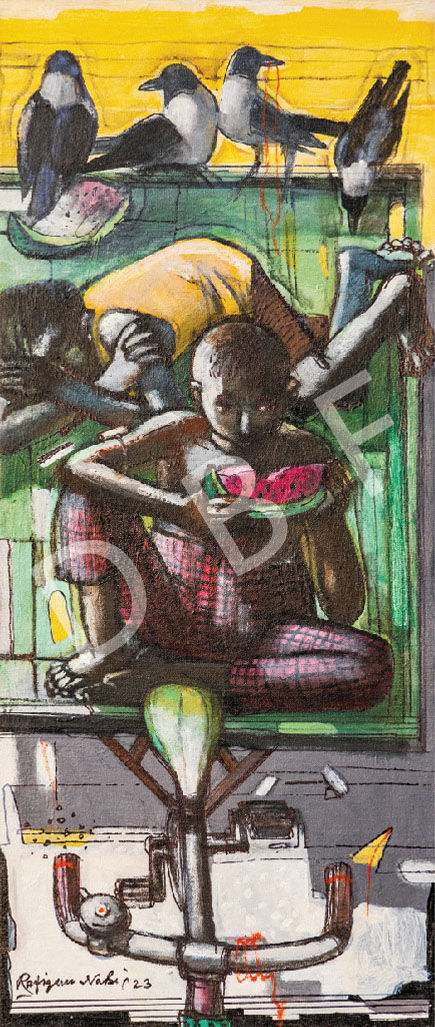
Title: Two Boys
Size: 42 X 18 inch
Media: Acrylic on canvas
Year: 2023
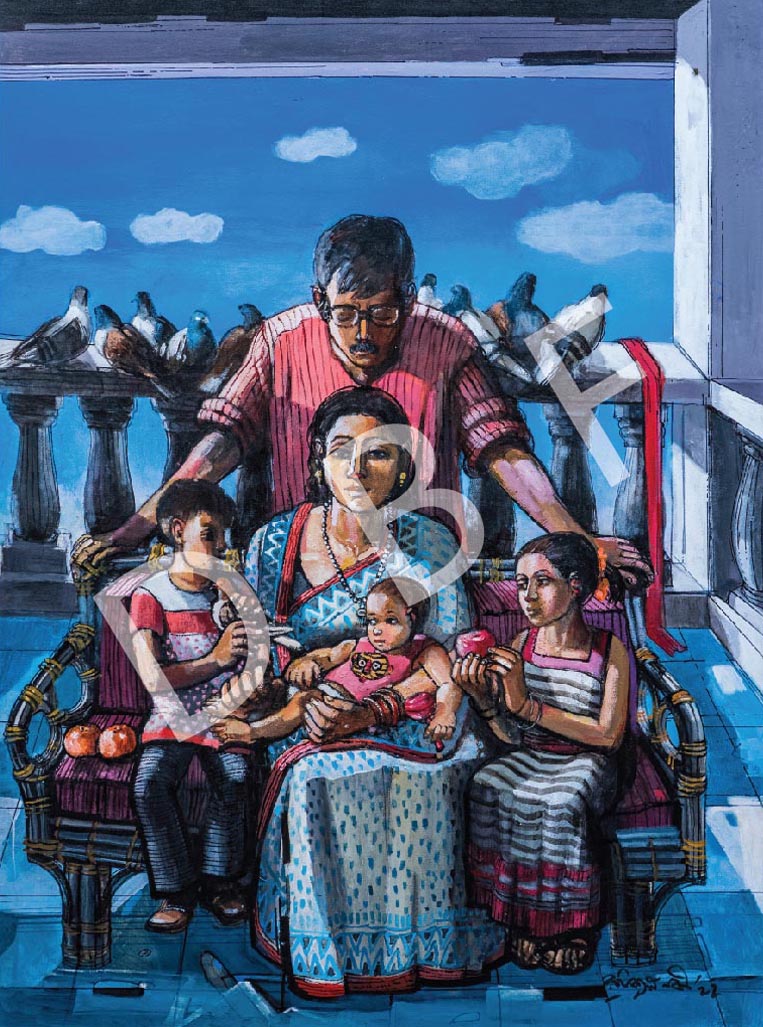
Title: Balcony
Size: 51 X 68 inch
Media: Acrylic on canvas
Year: 2022
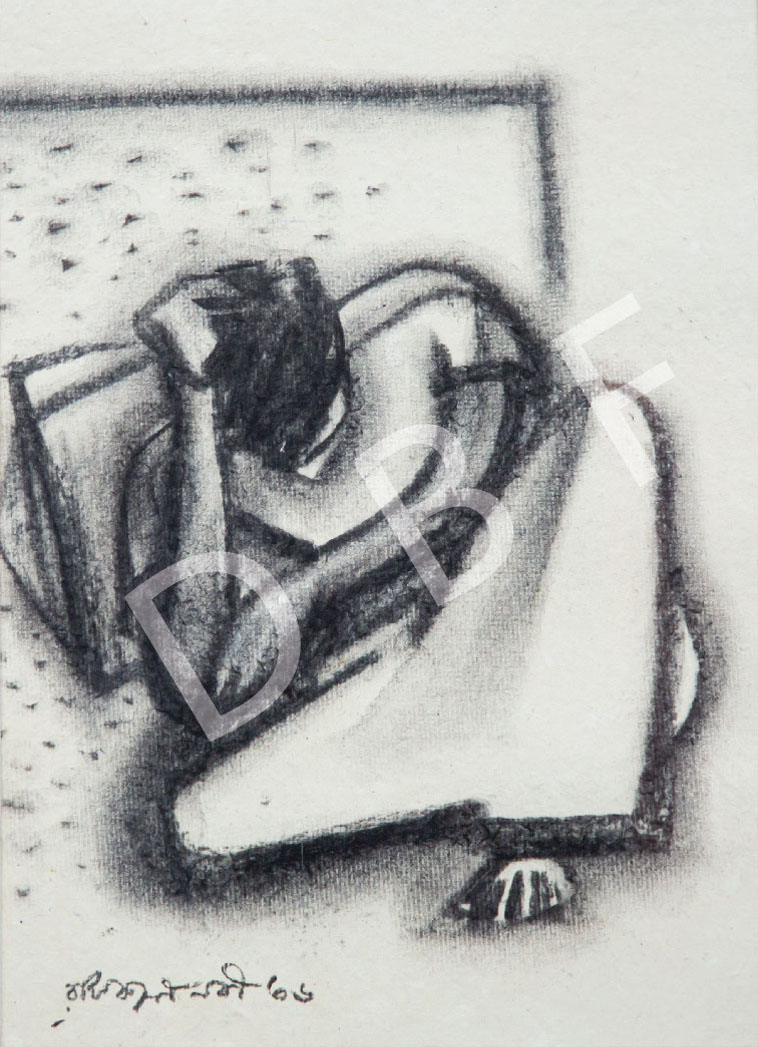
Title: Thinking
Size: 11.5 X 15.5 inch
Media: Charcoal
Year: 2006
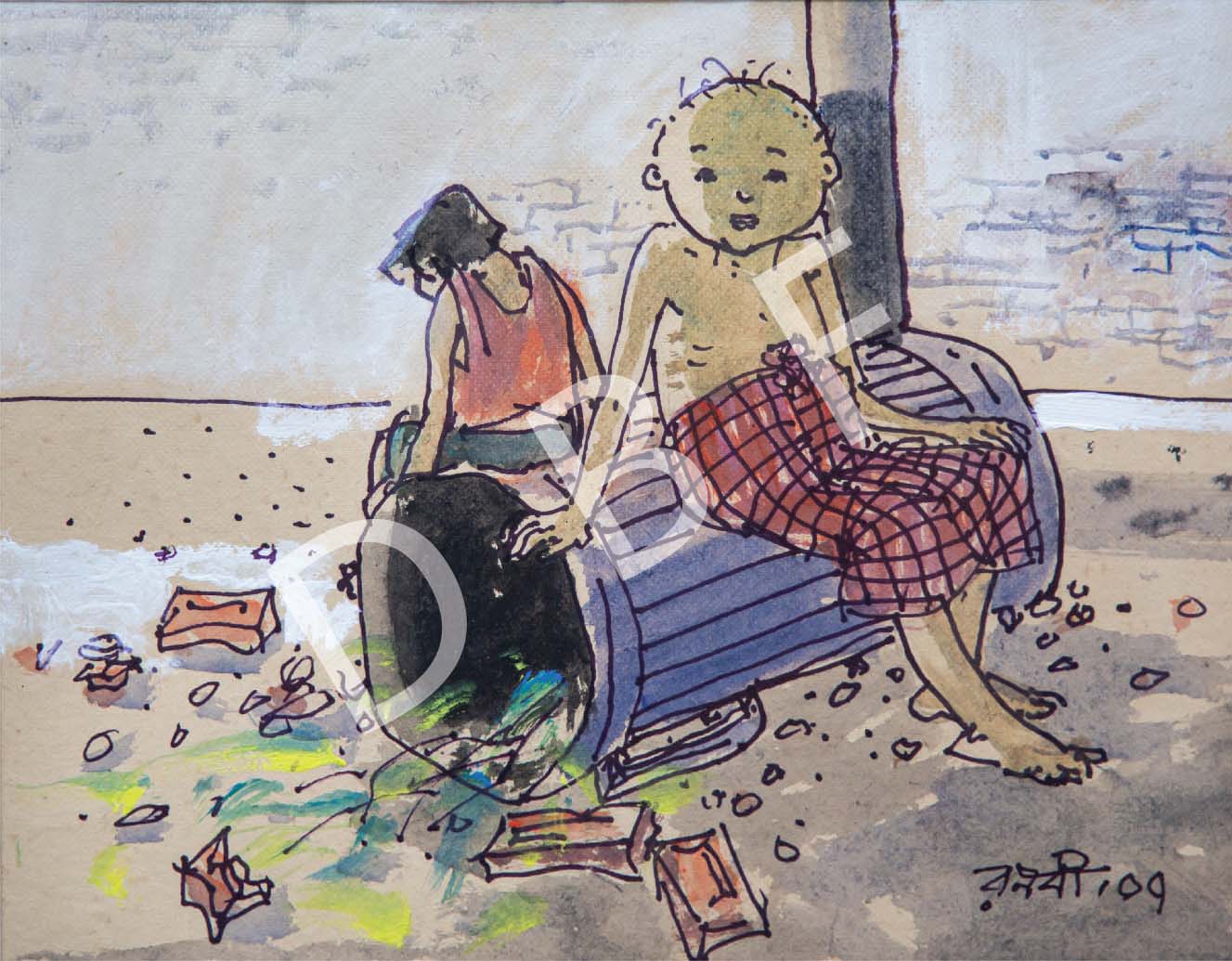
Title: Ronobi Sews
Size: 13.5 X 10.5 inch
Year: 2007
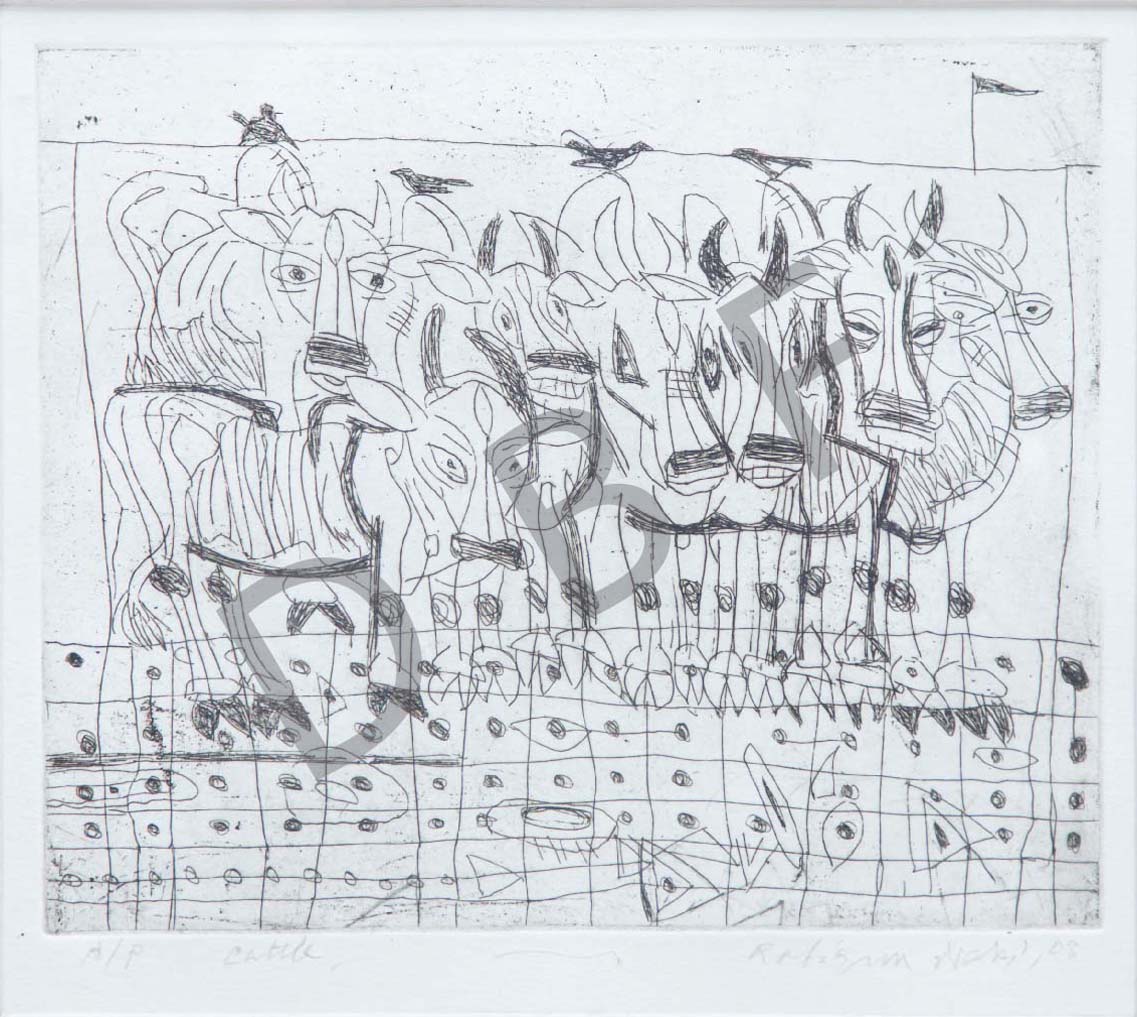
Title: Cattle
Size: 8.5 X 7.5 inch
Media: Intaglio
Year: 2008
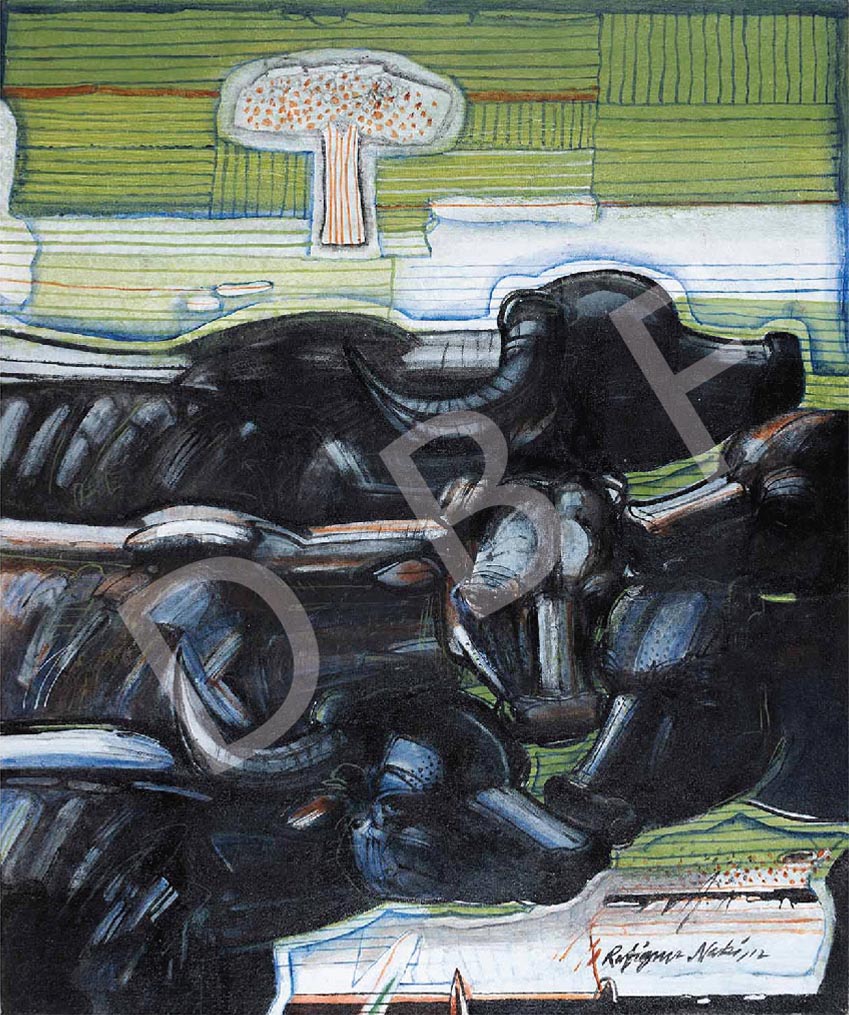
Title: Buffalos
Size: 30 X 36 inch
Media: Acrylic on canvas
Year: 2012
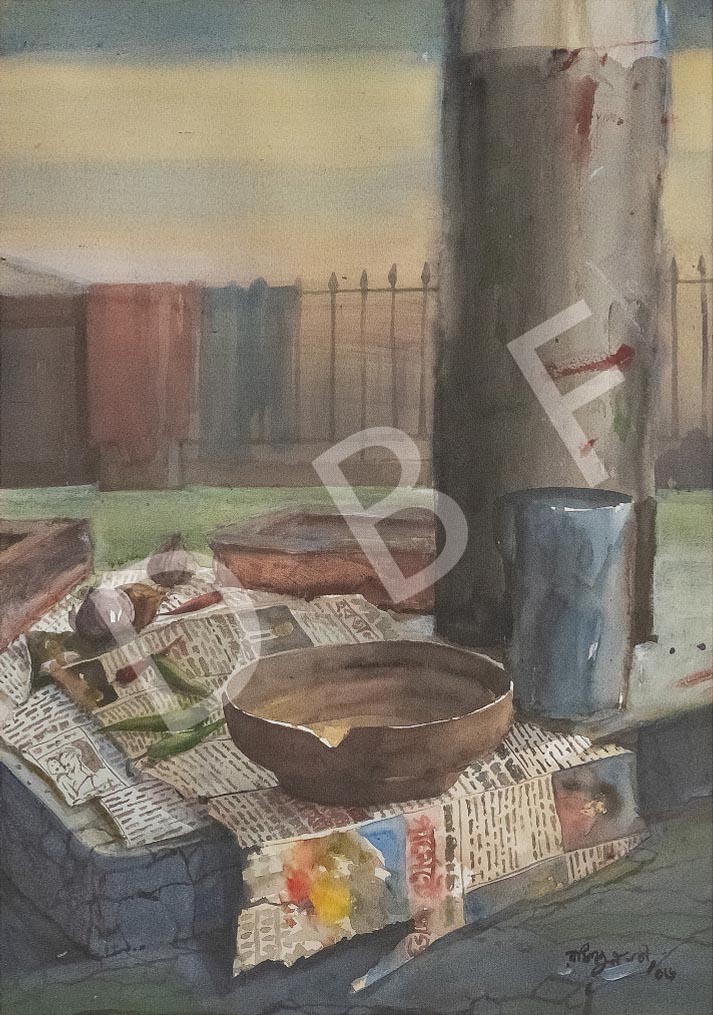
Title: Untitled
Size: 20 X 14.5 inch
Year: 2006
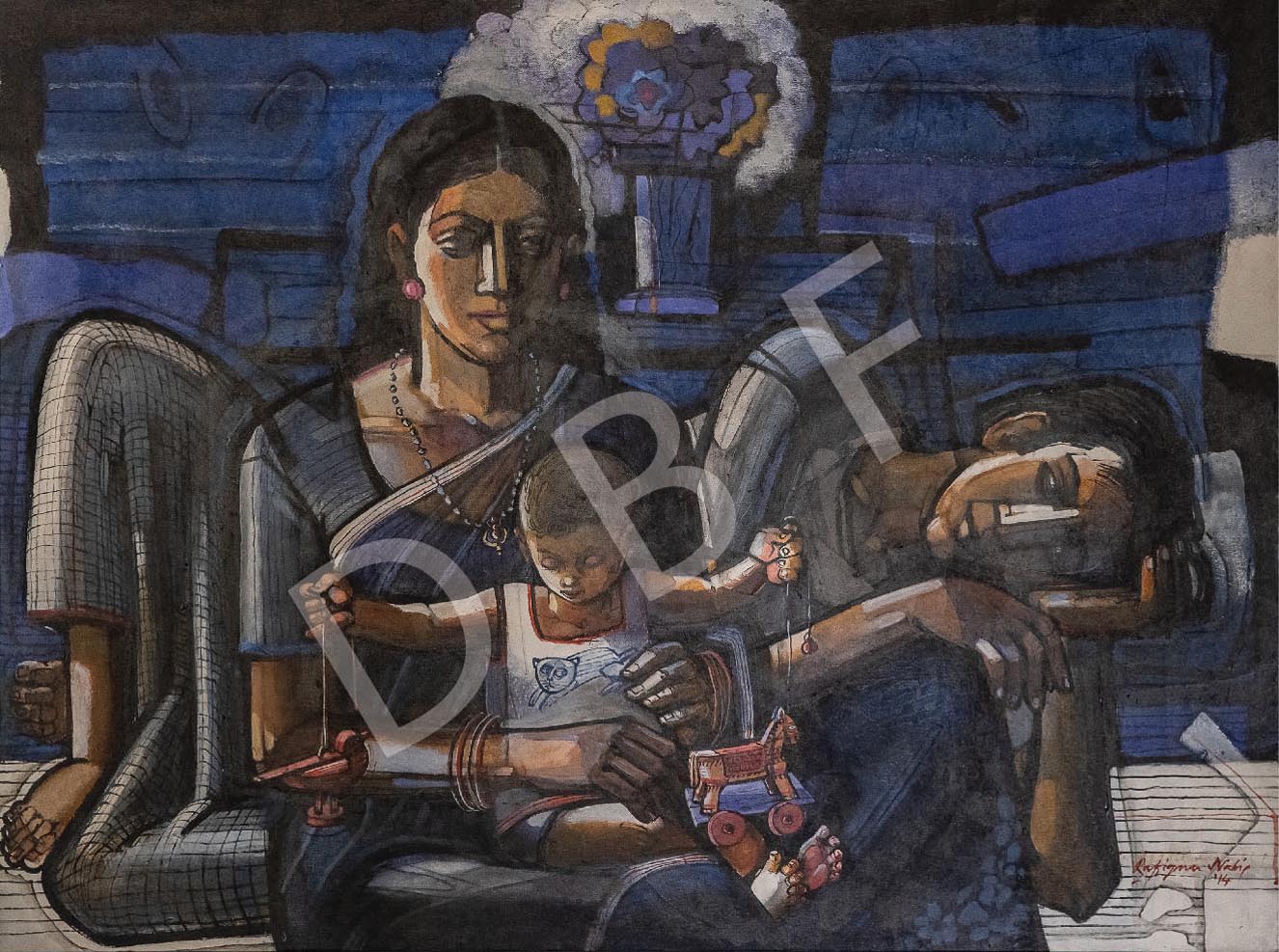
Title: Untitled
Year: 2014
Size: 48 X 36 inch
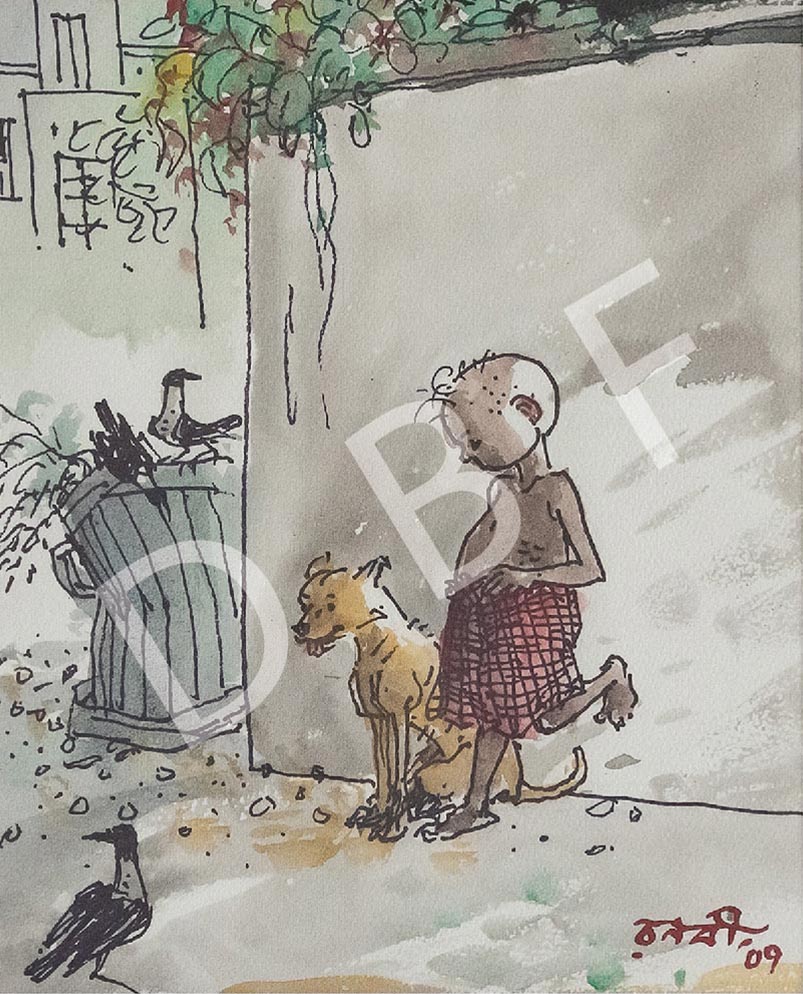
Title: Untitled
Size: 10 X 13 inch
Year: 2007