
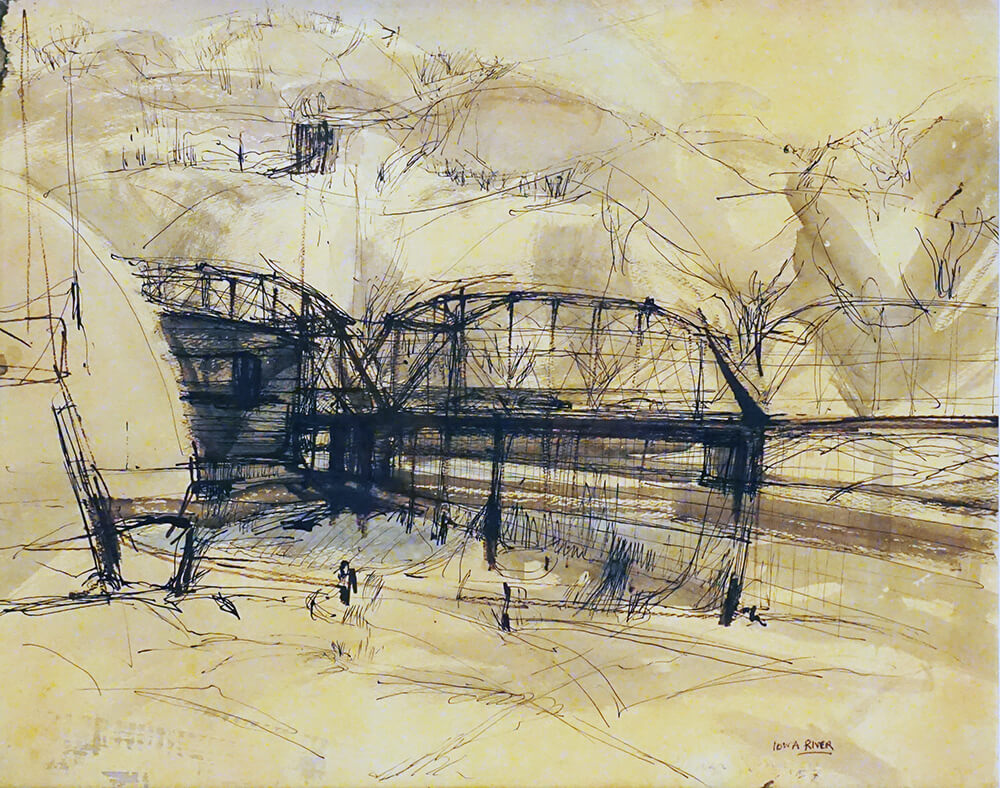
“Bridge on Iowa River” is Abdur Razzaque’s sketch of serene sight of the Iowa River. This 1957 ink and watercolour on paper was executed during his studentship at the State University of Iowa. He was then completing his master’s in printmaking. Set against a blank background, he painted the river of Iowa with bold and purposeful brush strokes using the paint sparingly while his use of the pen to render the bridge is bold and conspicuous. His subject stands out against the hint of washes of colours. This translation of an observed reality provides us with signs of the abstract idiom he would soon embrace through his painting. Instead of oil gestures, here we encounter the way of developing an image through the application of lines to render an image, something akin to what is witnessed in his etchings.
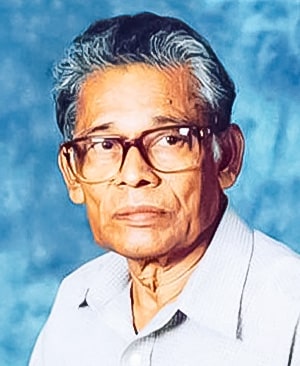
Abdur Razzaque
Abdur Razzaque (1932-2005), a painter, printmaker and sculptor who belonged to the generation that emerged in East Pakistan (now Bangladesh) in the 1950s and studied at Dhaka’s newly founded art school, now Faculty of Fine Arts, University of Dhaka. Abdur Razzaque hailed from Shariatpur and spent the early years of his life in Faridpur. In 1949, he gained admission into the Government College of Art and Craft, thus making Dhaka his locus of artistic activities. In 1954 he graduated from the art institution with a first-class and served as an artist-cum-museum curator, in Malaria Research Institute of Dhaka for a year. A Fulbright Scholarship was offered to him in 1955 by the State University of Iowa, in fine arts for post-graduate studies. Later the same university offered him an International Scholarship and Research Assistantship in the same field. After returning to Dhaka, Razzaq became a faculty at the then Government College of Art and Craft and went on to become the founder head of the sculpture department in 1963. As a sculptor, Razzaque played a vital role in establishing sculpture as a modern medium of art in the country. His most iconic creation is titled Muktijoddha (Freedom Fighter), an 18-foot tall statue of a freedom fighter that sits on a 24-foot high podium at a road intersection in Joydebpur. As a painter he is considered one of the pioneers of abstraction in the country.
Bridge on lowa River
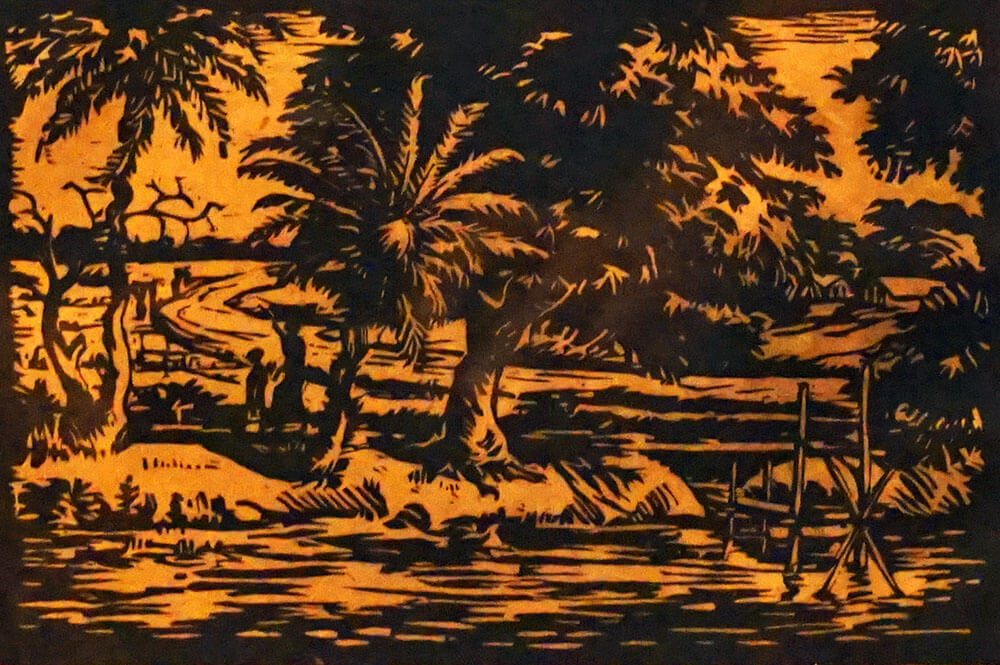
Village
“Village” is a 1950 woodcut print by veteran artist Abdur Razzaque who later earned fame for his non-representational painting and figurative sculptures. In this woodcut, he translates a village scene applying the contrast between light and shade with the utmost ease. His concisely composed village testifies to how his generation was still attached to village life and was keen to capture the beauty of rural landscape. In his rendition, the lush leafage, green pastures that rolls out to the horizon, the quietly flowing water of the canal, and even the shepherd give the the sense of the actual scene, thereby triggering a sense of longing for the ever-expanding world that is to be found in any rural setting. Serenity is the heartbeat of the scene, which is accentuated due to the starkness of black and white.
Art Style
Abdur Razzaque is known for his impassionedly done expressionistic abstract paintings and the figurative sculptures he had done throughout his career that spanned over five decades. However, his mastery was equally felt in his watercolours, etchings, and engravings. Even though he started as a painter, he later focused on sculpting and was the first to turn to this medium after the War of Liberation, the result of which was the first major outdoor sculpture at the Joydebpur road intersection. Though his paintings were inspired by American abstract expressionism, the fact remains that unlike the colour field paintings he always preferred to bring into view the actual experiences of looking at nature. In his watercolours, in particular, he often used to apply the pictorial stimuli received from rural landscapes. He always wanted to portray the essential aspect of nature, only by painting them in oil gestures and in forms reminiscent of nature. Hence, he developed his imageries through impassioned application of brushstrokes while his palette remained loyal to the colours of nature in different seasons.
Gallery
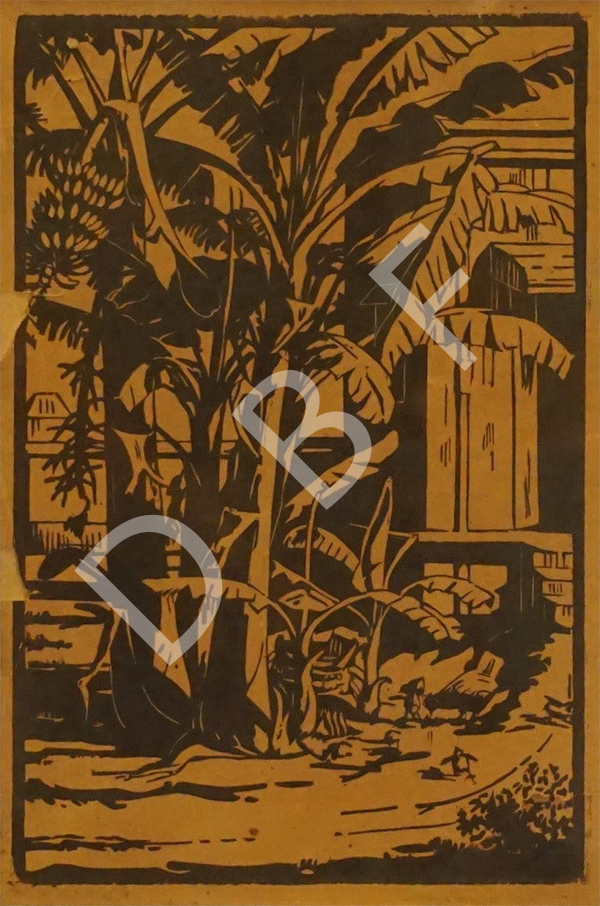
Title: Banana Trees
Size: 10” X 6 1⁄2” inch
Year: 1952
Media: Wood Cut
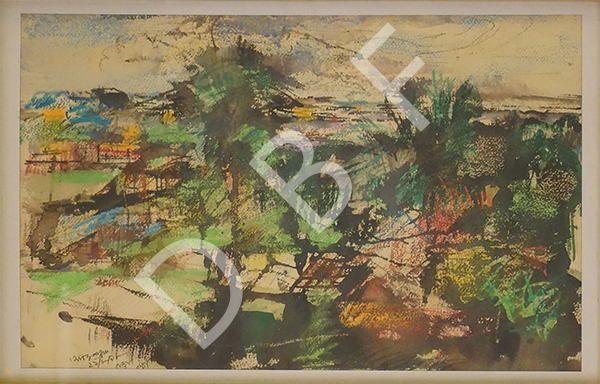
Title: Untitled
Size: 13 X 20 inch
Year: 1998
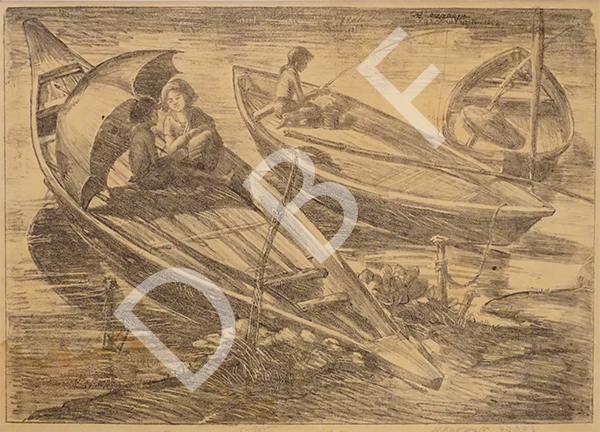
Title: Boats
Size: 12 1⁄2” X 17 1⁄2” inch
Year: 1954
Media: Lithograph
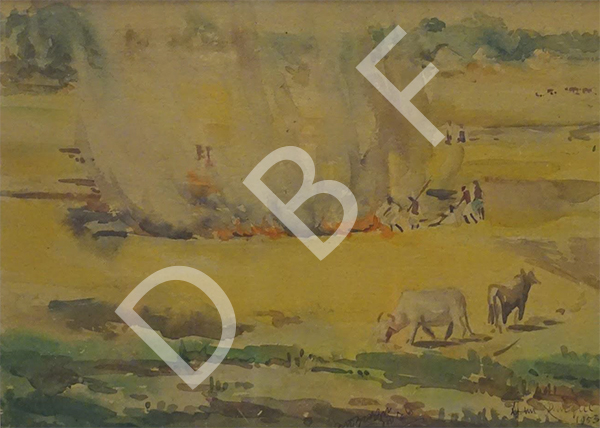
Title: Untitled
Size: 10 1⁄2” X 14 1⁄2” inch
Year: 1953
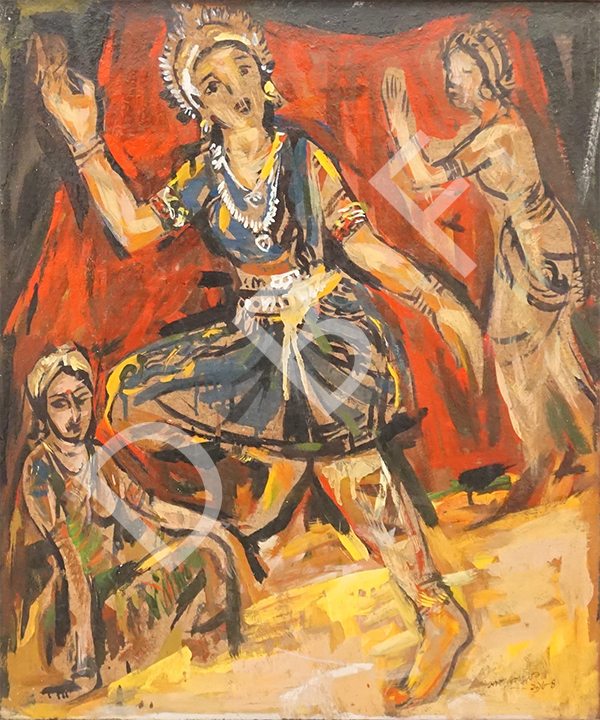
Title: Utsob
Size: 32 “X 27” inch
Year: 1984
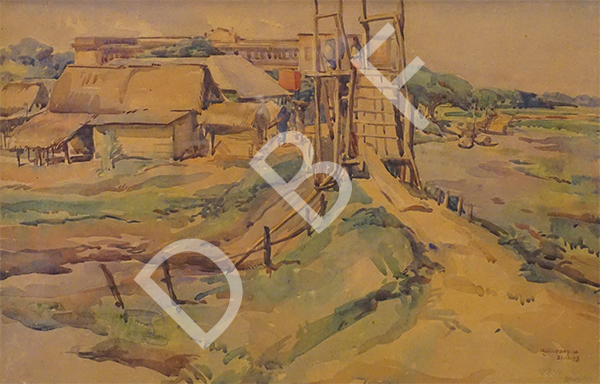
Title: Munshiganj Haraganga College
Size: 14 1⁄2” X 22” inch
Year: 1958
Media: Water Colour

Title: Sundarbon
Size: 16 1⁄2” X 22 1⁄2” inch
Year: 2003
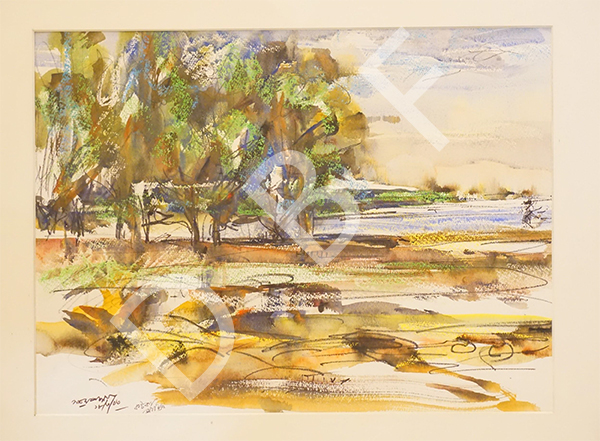
Title: Untitled
Size: 16 1⁄2” X 22 1⁄2” inch
Year: 2003
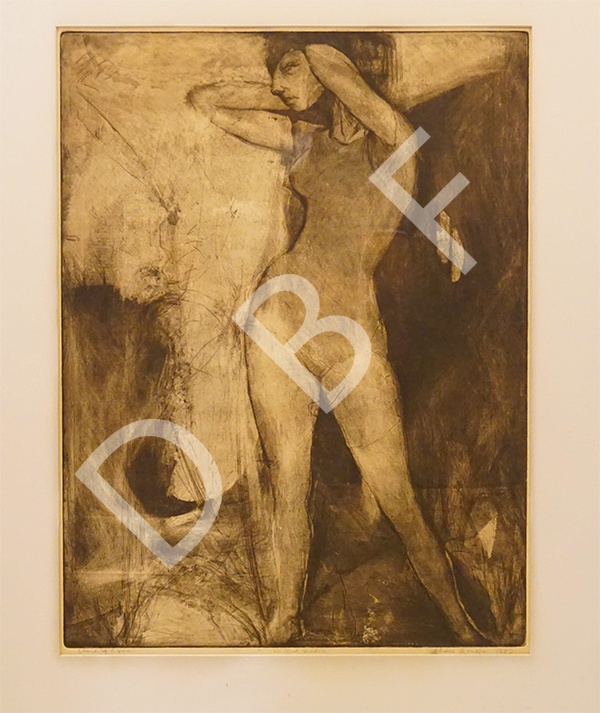
Title: Standing Figure
Size: 24” X 18” inch
Year: 1957
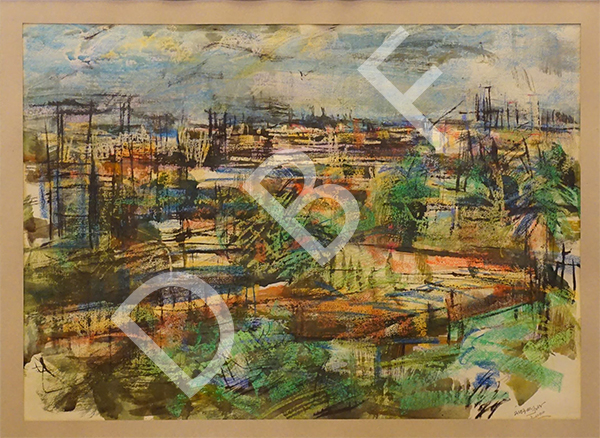
Title: Untitled
Size: 19” X 26” inch
Year: 2000
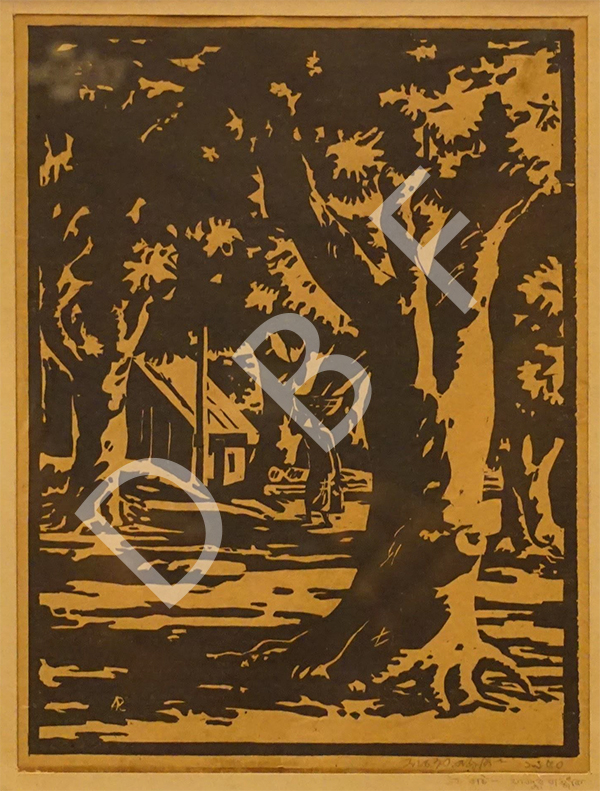
Title: Village
Size: 1950
Year: 9” X 7” inch
Media: Wood cut
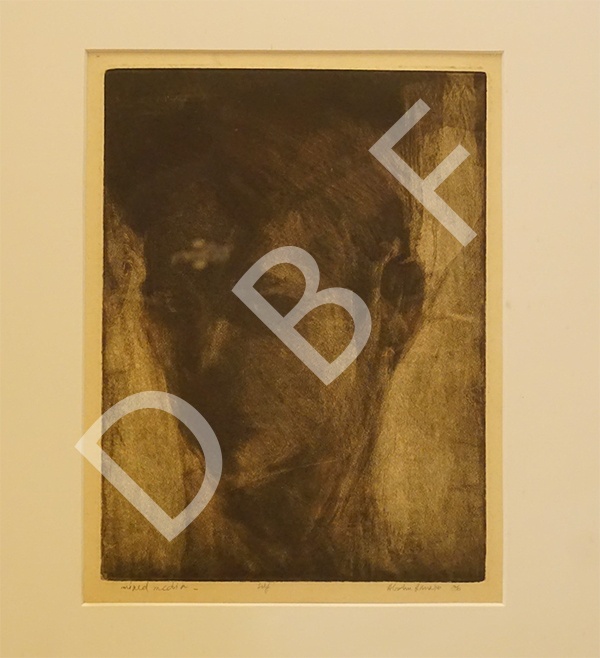
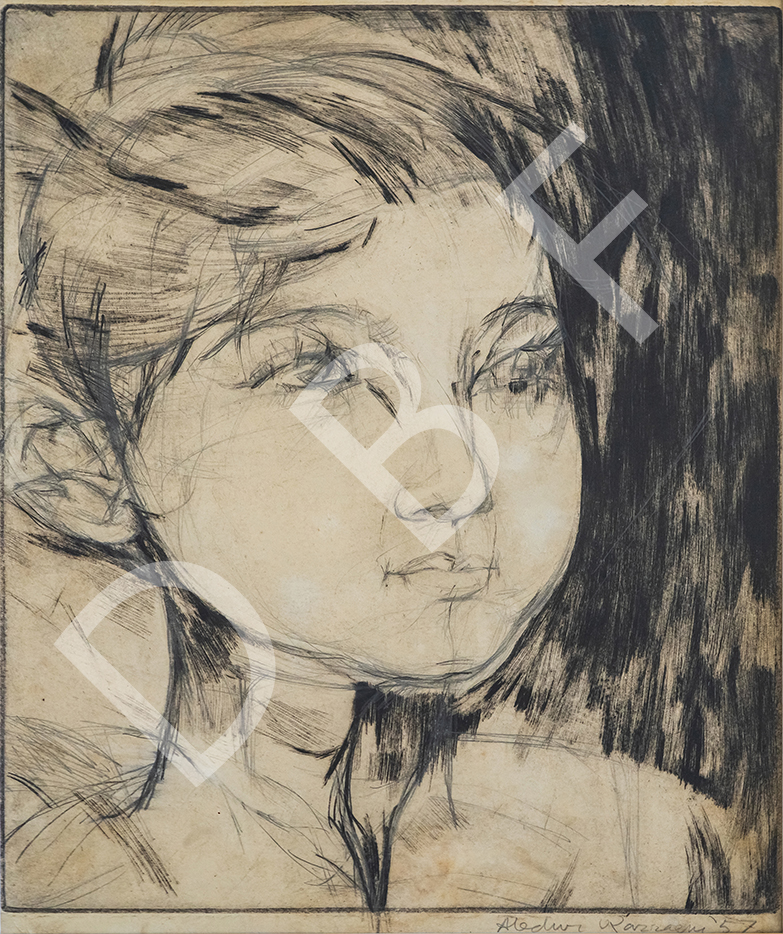
Title: Portrait 5
Size: 13” X 9 1⁄2” inch
Year: 1956
Media: Dry point pencil
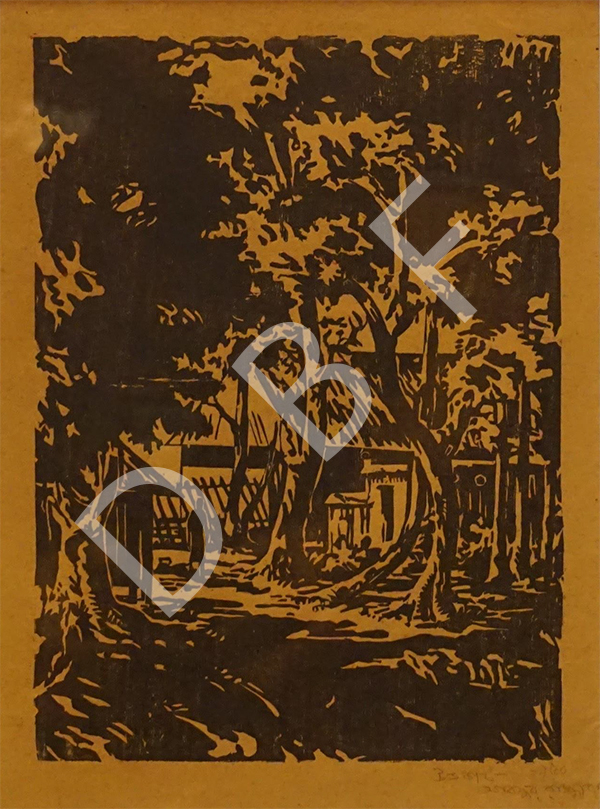
Title: Village
Size: 10” X 7 1⁄2” inch
Year: 1950
Media: Wood Cut
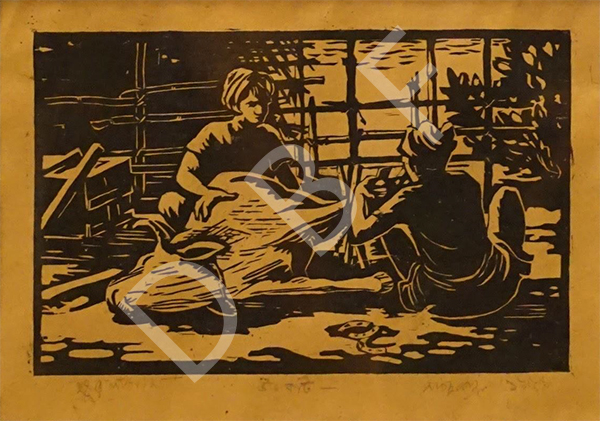
Title: Composition
Size: 5 1⁄2” X 8 “ inch
Year: 1951
Media: Wood Cut
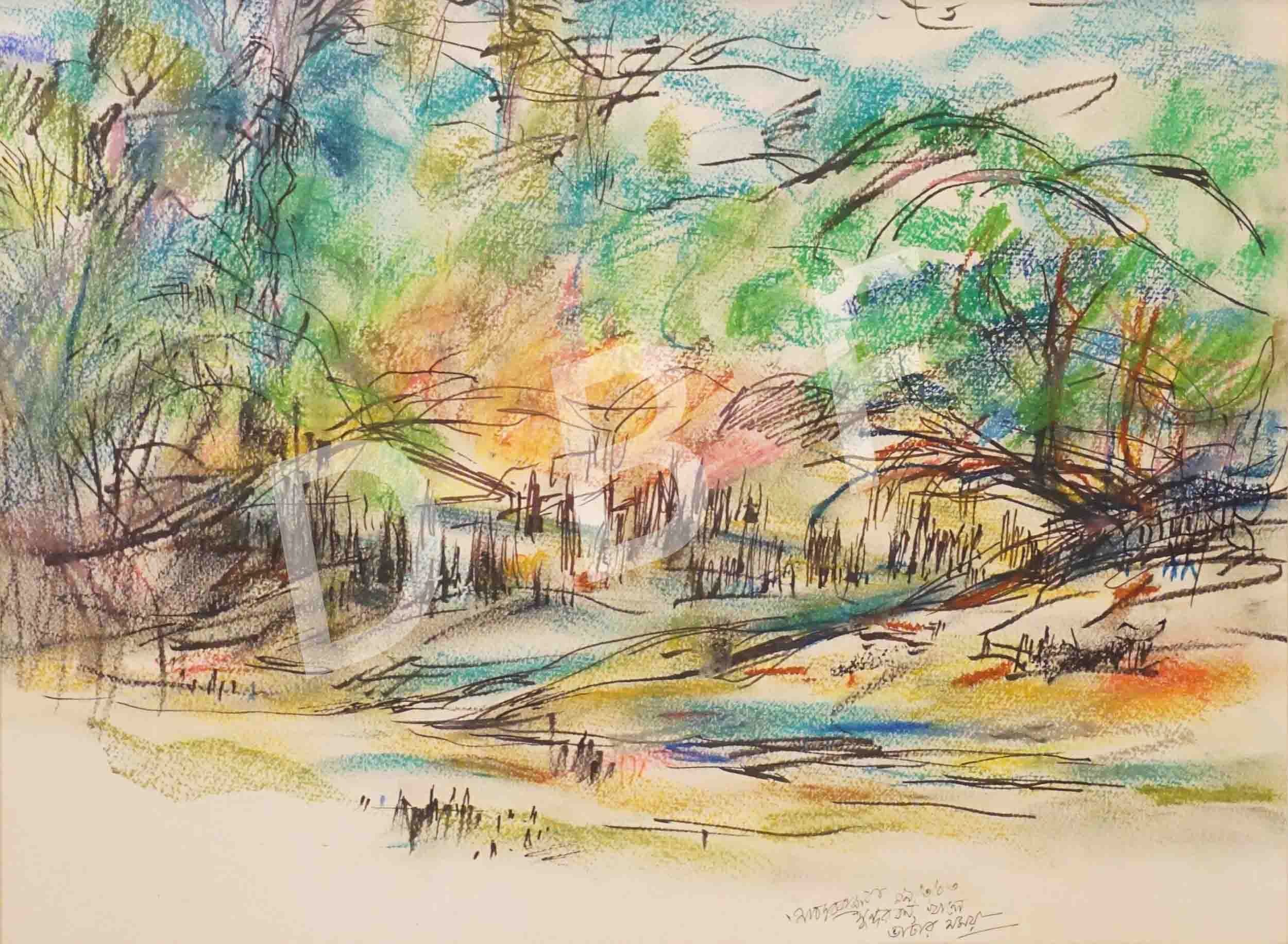
Title: Sundarban Khale Bhatar Somoy
Size: 16 1⁄2” X 22 1⁄2” inch
Year: 2003
Media: Pastel
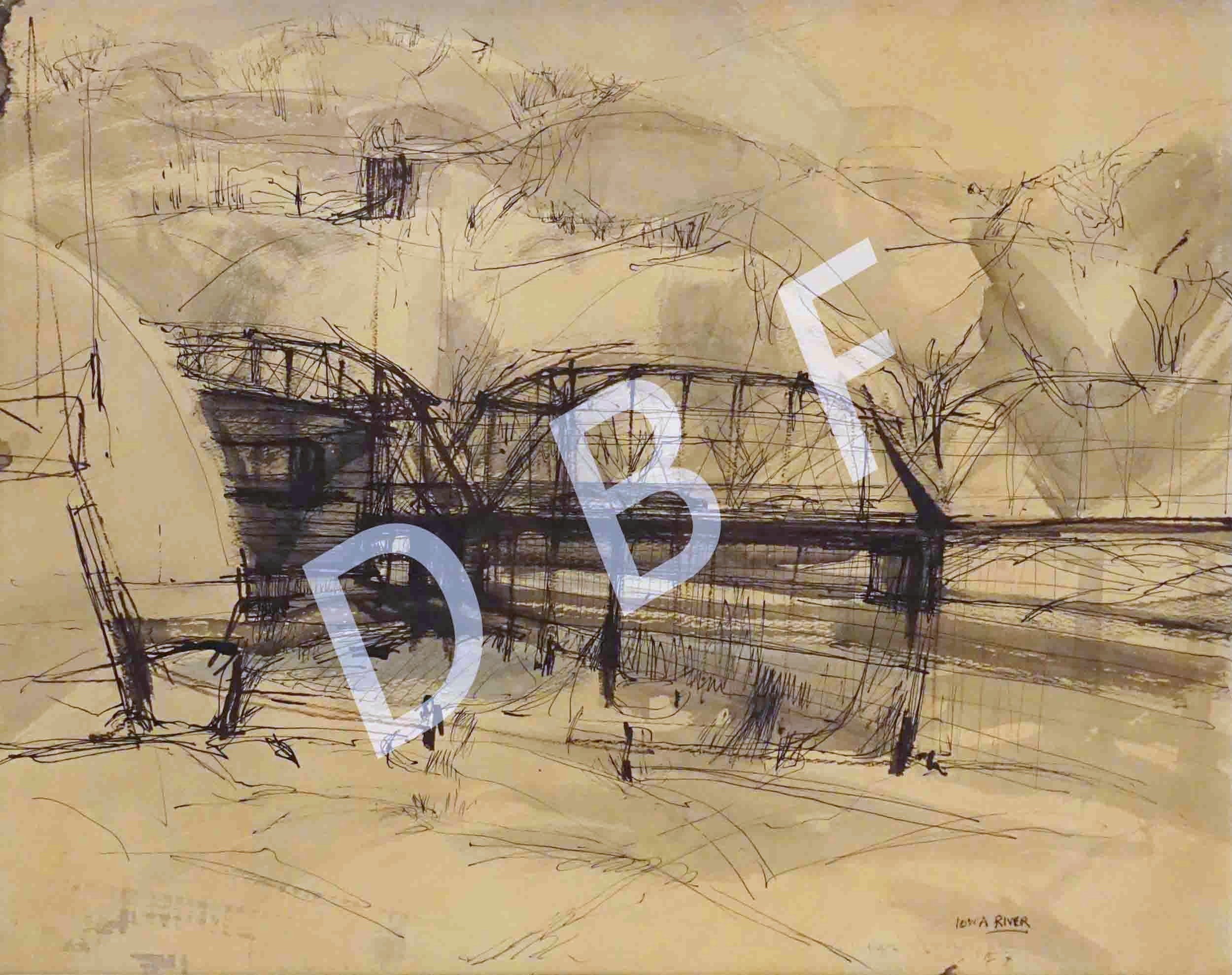
Title: Bridge on Iowa River
Size: 15 1⁄2” X 19 1⁄2” inch
Year: 1957
Media: Ink and Water colour on paper
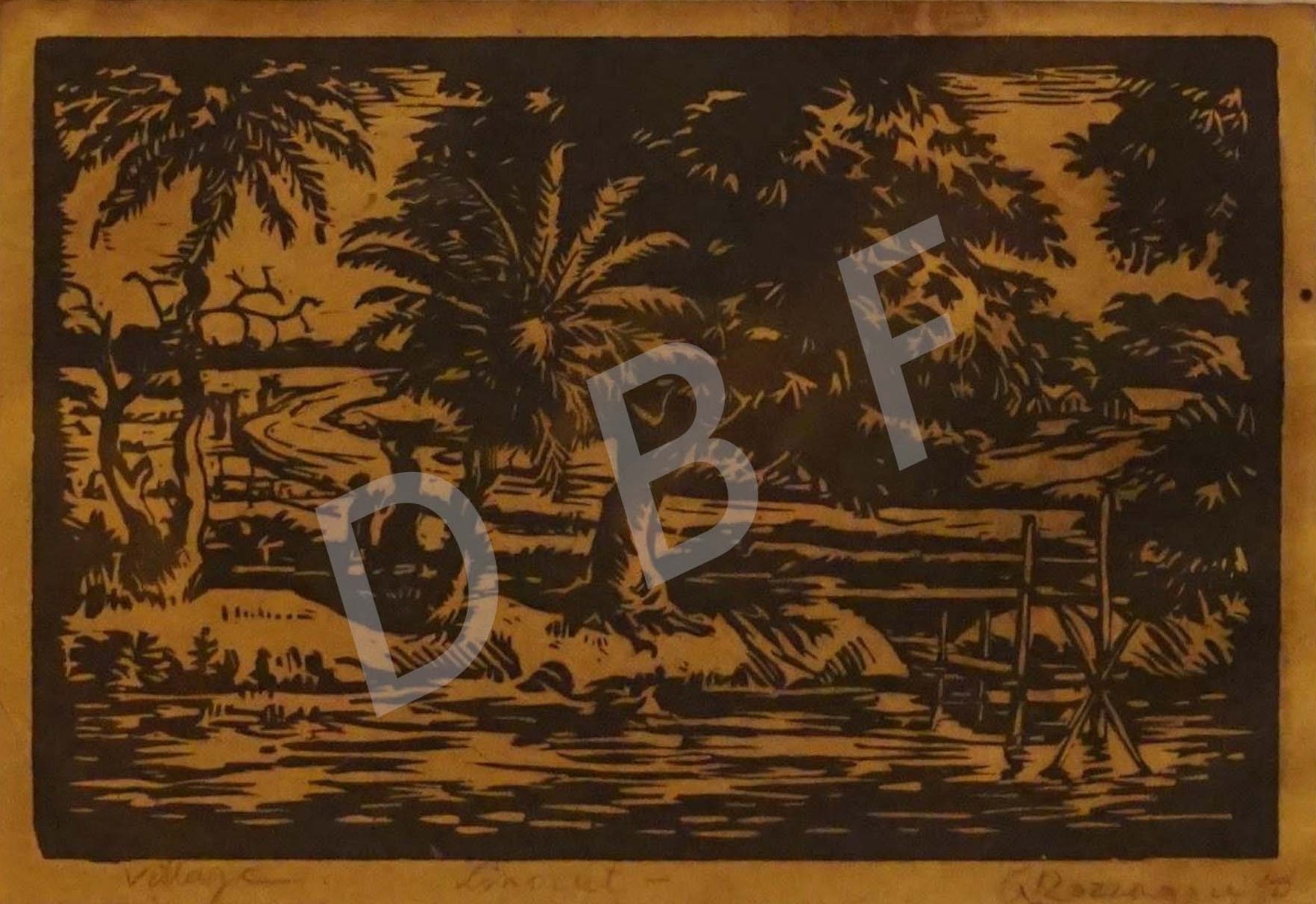
Title: Village
Size: 5” X 7 1⁄2” inch
Year: 1950
Media: Linocut