
“Parables of Womb” consists of ten back-lit pinpricked portraits which were part of a large installation of the same name. Together they bring to light a feminist historical reading of the traumatic experience some women had to endure during the Liberation War. The women who were picked up by the Pakistan military and were tortured throughout the months as the struggle for an independent country continued were later given the title “biranganas” (war heroes) to ensure public acknowledgement of their plights during the war. In this re-telling of the story of the biranganas, Dilara Begum Jolly brings to the forefront individuals whose traumatic life during the time of their torture at military camps and later as social pariahs. The process of applying pinpricks, which have transformed the portraits into mute symbols of resistance, is inspired by the only form of rural art that had no patriarchal influence – nakshi kantha, or embroidered quilt. Parables of Womb is the celebration of lives of women who are more than their flesh and bone.
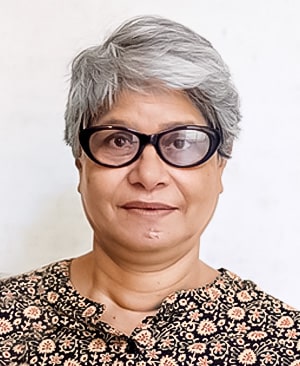
Dilara Begum Jolly
Dilara Begum Jolly is a Bangladeshi printmaker, painter and crossmedia artist who was born in 1960. She was a founding member of the artists’ group Shomoy, and has been working against the grain of the mainstream art since. She has been re-examining the position of women in society through a feminist lens, and has created over the years an oeuvre by pushing boundaries of art and crossing mediums. She studied painting and printmaking at the Government Art College in Chittagong, obtaining her bachelor’s degree in 1981. She completed her Master of Fine Arts in painting at the Institute of Fine Arts, now Faculty of Fine Arts, University of Dhaka, in 1984. In 1991, she enrolled in a post-diploma course in printmaking at Santiniketan, West Bengal, India, with a scholarship from the Indian Government. Jolly began her career as a printmaker and then worked across mediums when she started to use installations that often defy categorisation. In her recent installations, Jolly has used pinpricked photographs and soft sculptures made of fabric. Dilara Begum Jolly was part of many national- and international-level exhibitions, including A Beast, a God and a Line at Dhaka Art Summit, in 2018. Bengal Foundation has organised several solo exhibitions of Jolly’s work, including Excavating Time (Bengal Gallery of Fine Arts, Dhaka, 2006), Threads of Testimony (Dhaka, 2014) and Omorar Akkhan/Microtears (Daily Star-Bengal Arts Precinct, Dhaka, 2015), and Parables of the Womb (Bengal Gallery of Fine Arts, Dhaka, 2020).
Parables of Womb

Art Style
Dilara Begum Jolly’s work explores the trauma of history, political turmoil, and gender identity. She brings to the fore themes of trauma that has been inflicted upon the social body, and she does so through references to the female body and gender analysis. Initially trained as a painter, she has expanded her practice to include various mediums such as performance, video, and photography. In recent years, Jolly has developed a distinct way of addressing war-time sexual violence unleashed by the Pakistan army during the nine-month-long struggle for independence by the Bengalis. She has come a long way from her story-telling canvases of the 1980s and 1990s to her recent installations where lightboxes and soft sculptures often share space to emphasize themes connected to the collective memories. The artist dredges social-political history of Bangladesh and present her take in a way that often does not sit well with our patriarchal frame of mind.
Gallery
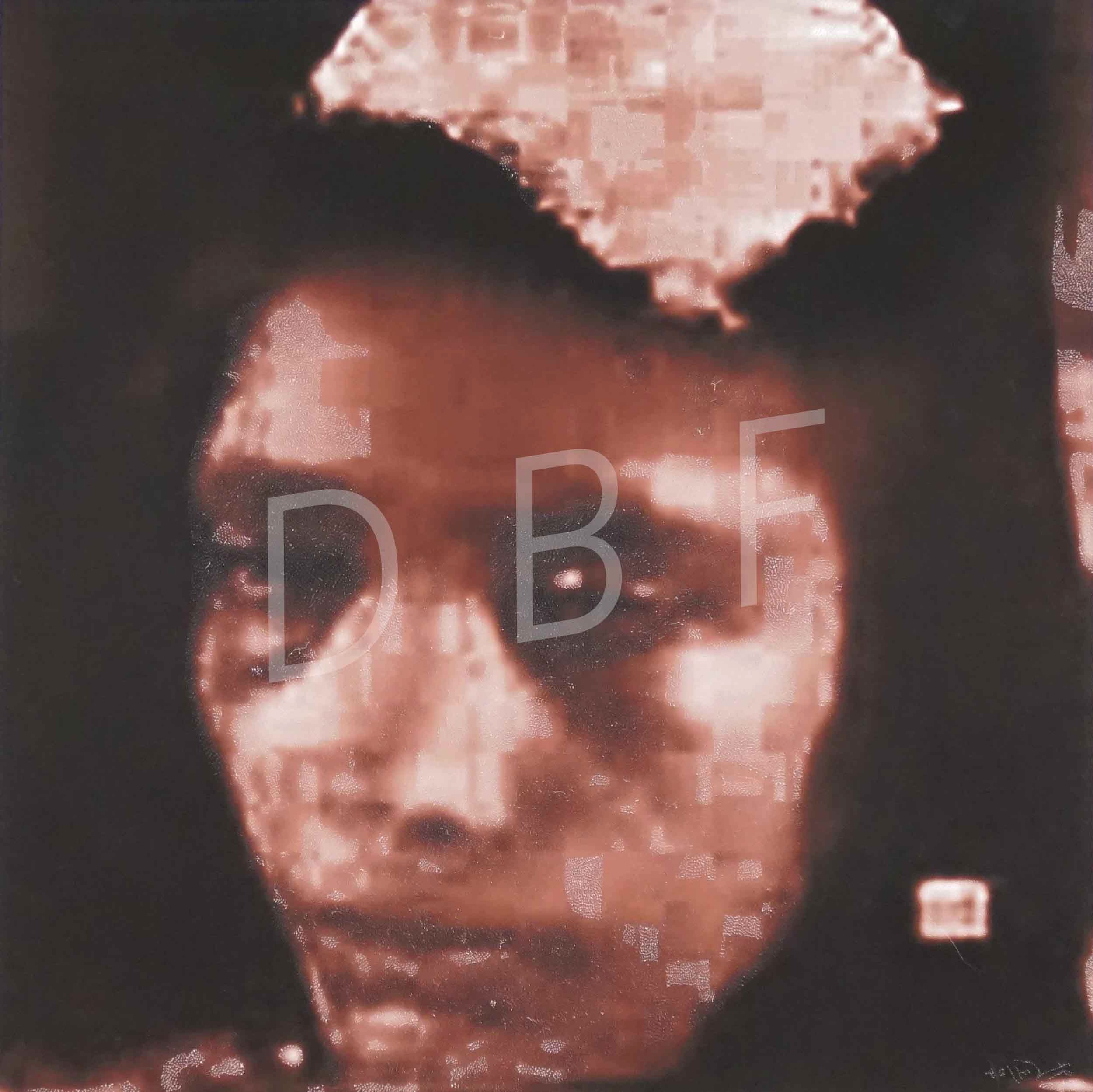
Size: 86 x 86 cm
Medium: Needle on photograph
Year: 2018-19
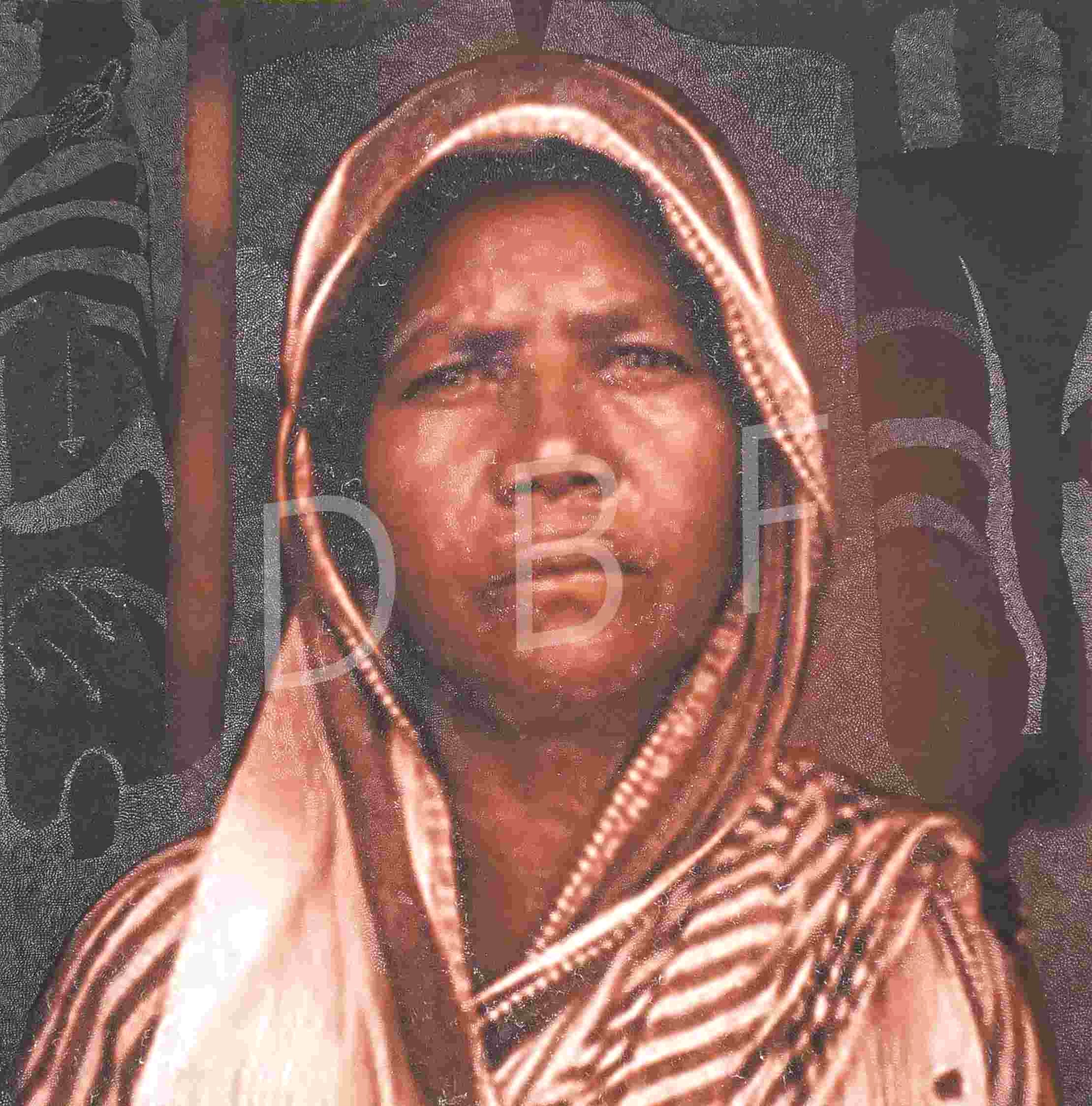
Size: 86 x 86 cm
Medium: Needle on photograph
Year: 2018-19
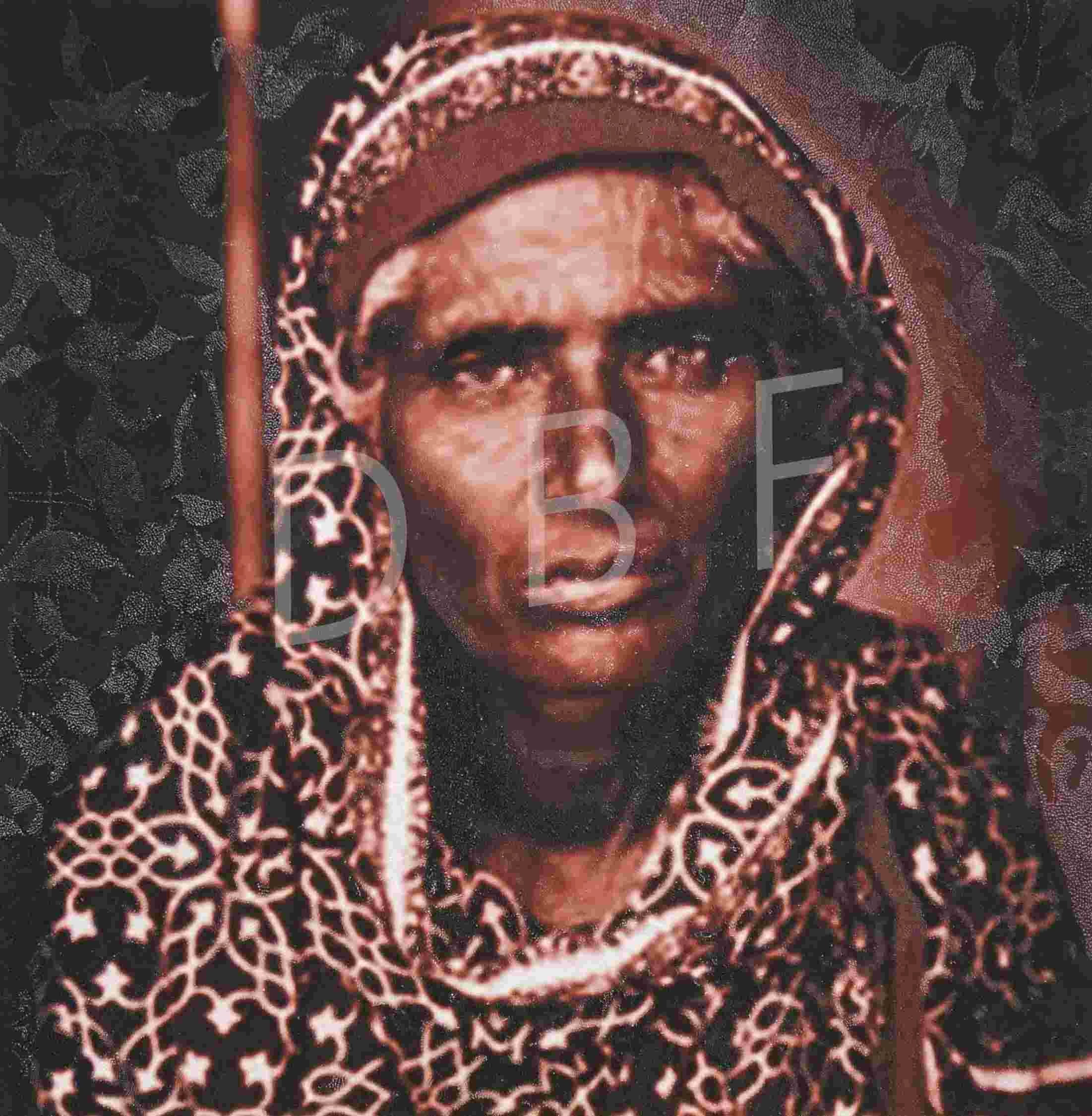
Size: 86 x 86 cm
Medium: Needle on photograph
Year: 2018-19
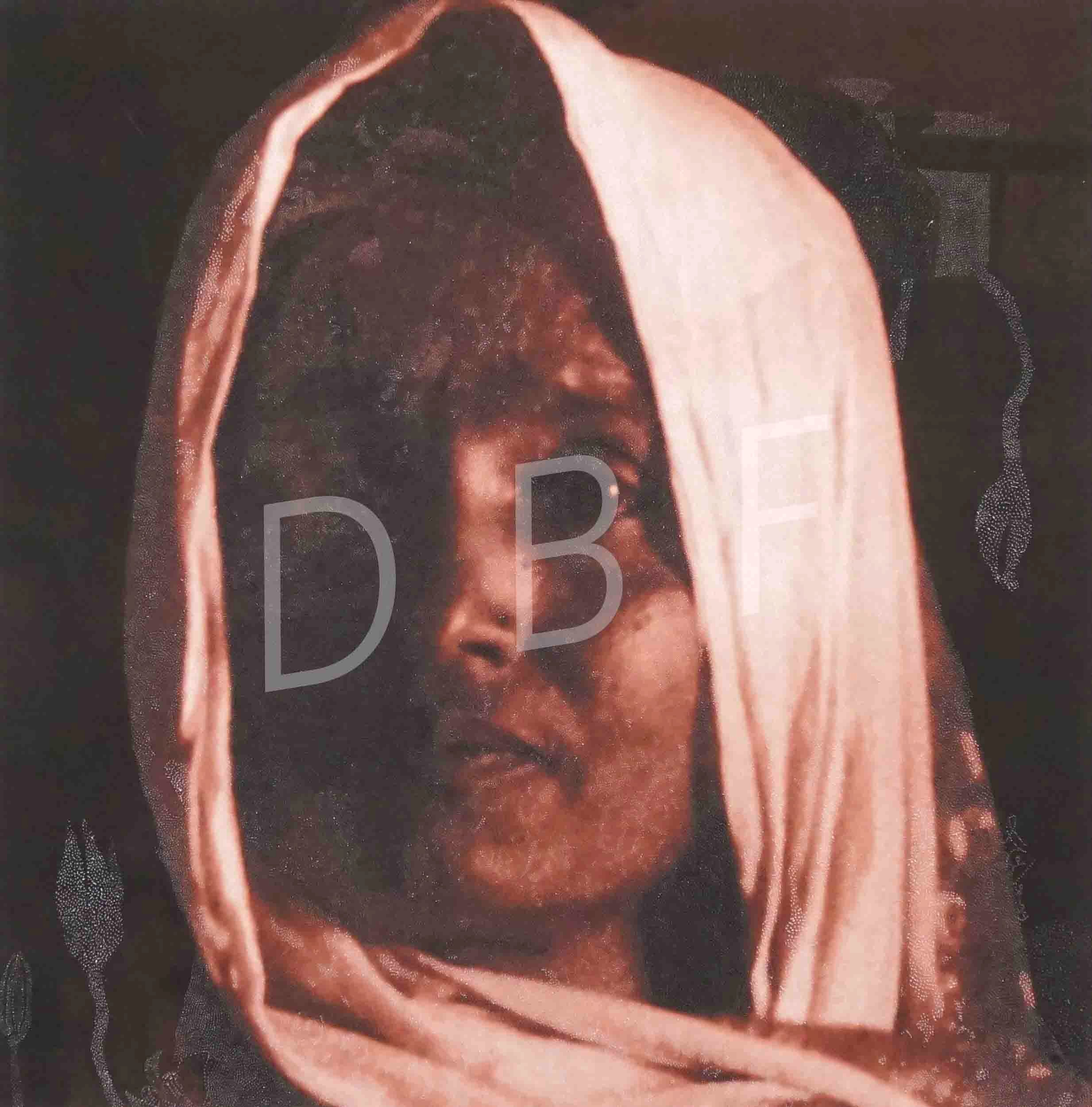
Size: 86 x 86 cm
Medium: Needle on photograph
Year: 2018-19
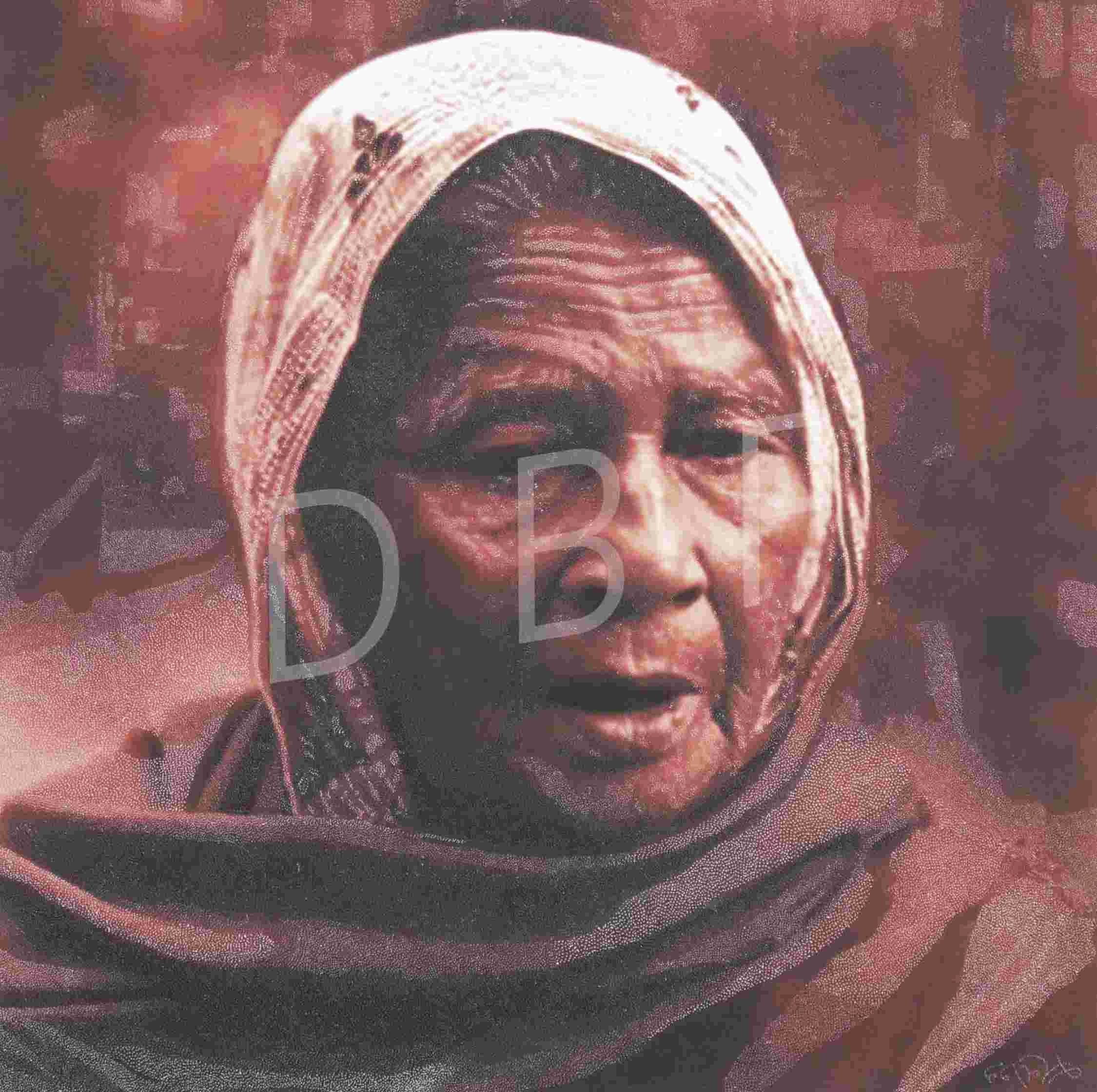
Size: 86 x 86 cm
Medium: Needle on photograph
Year: 2018-19
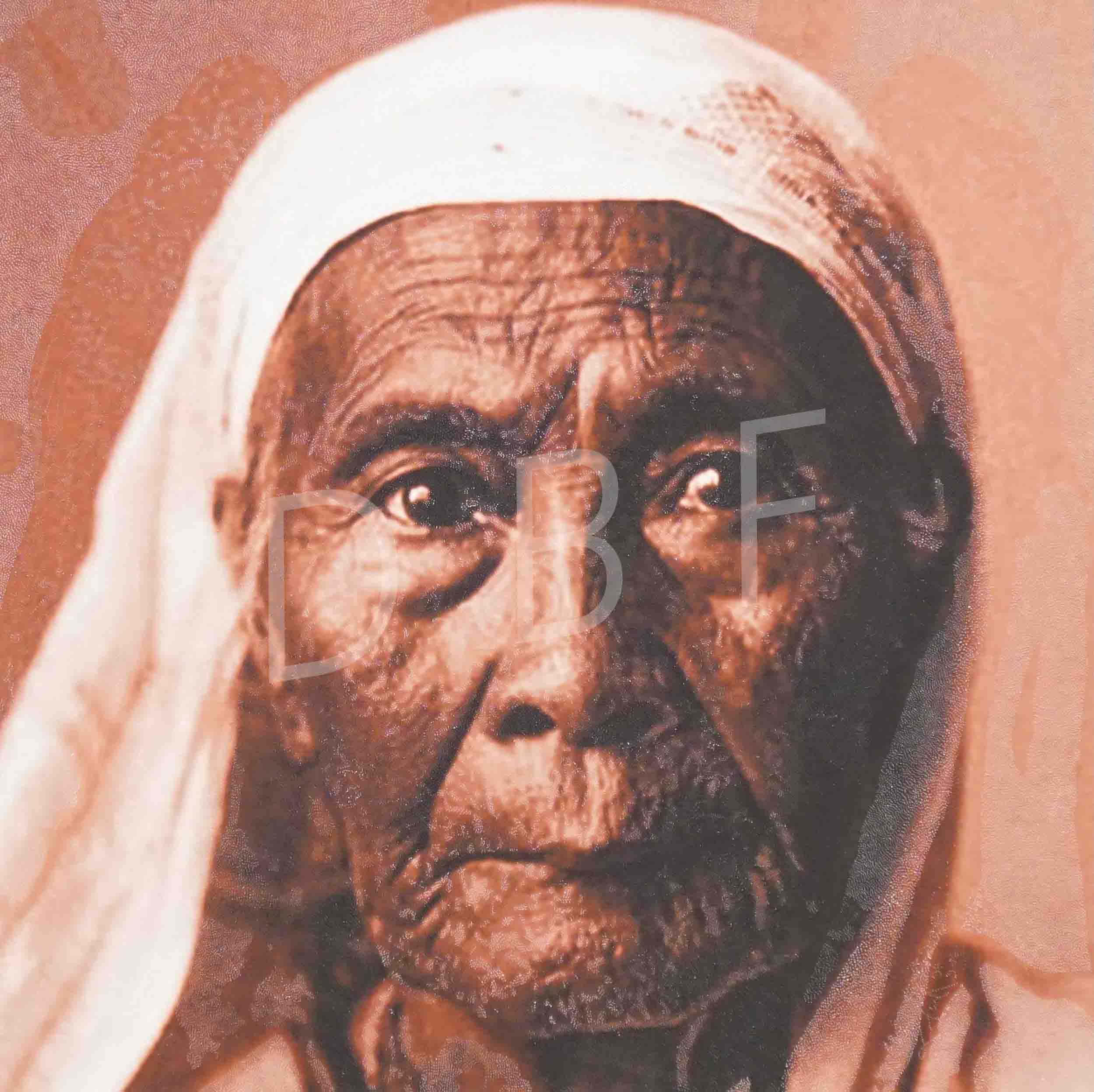
Size: 86 x 86 cm
Medium: Needle on photograph
Year: 2018-19
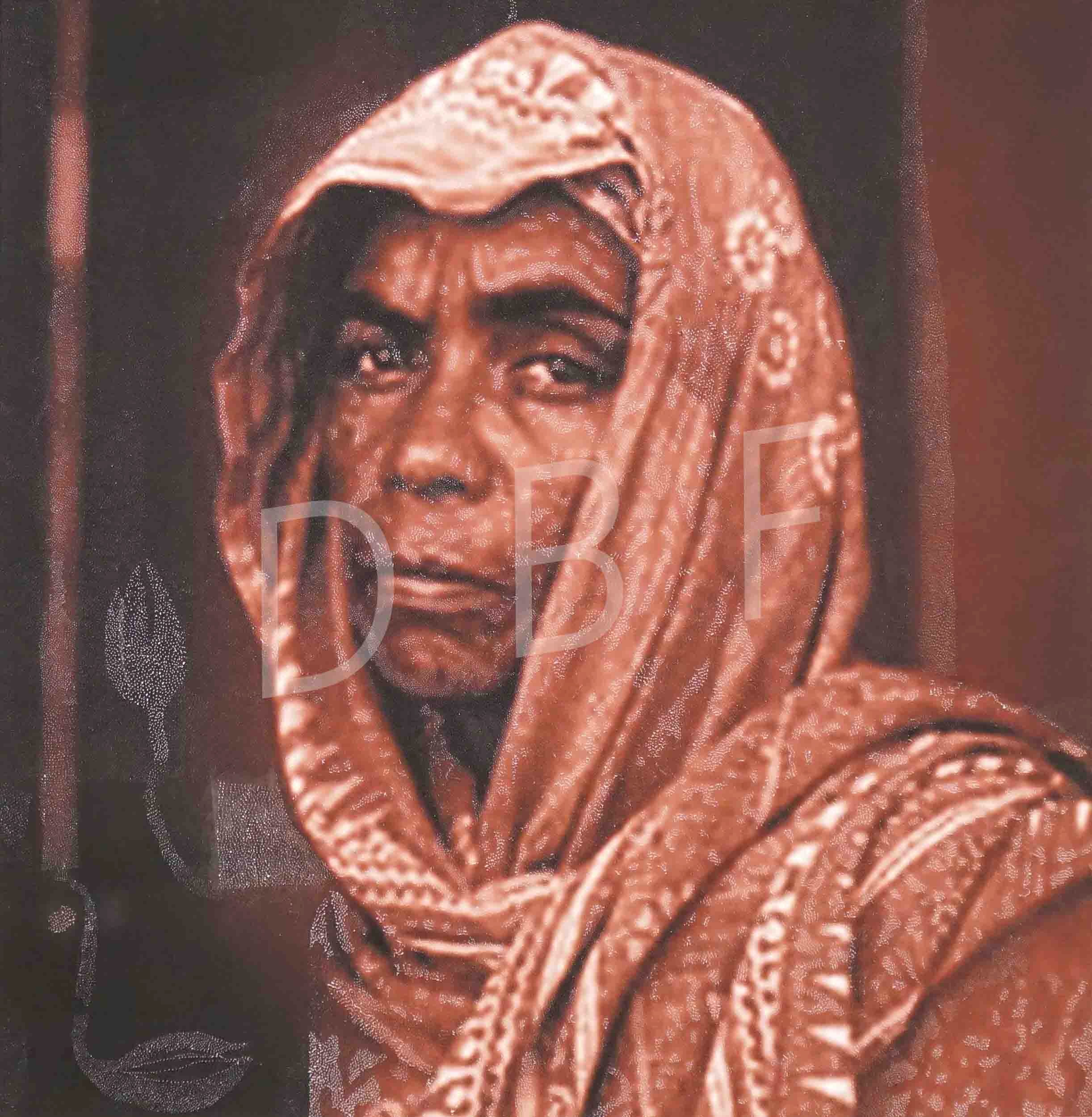
Size: 86 x 86 cm
Medium: Needle on photograph
Year: 2018-19
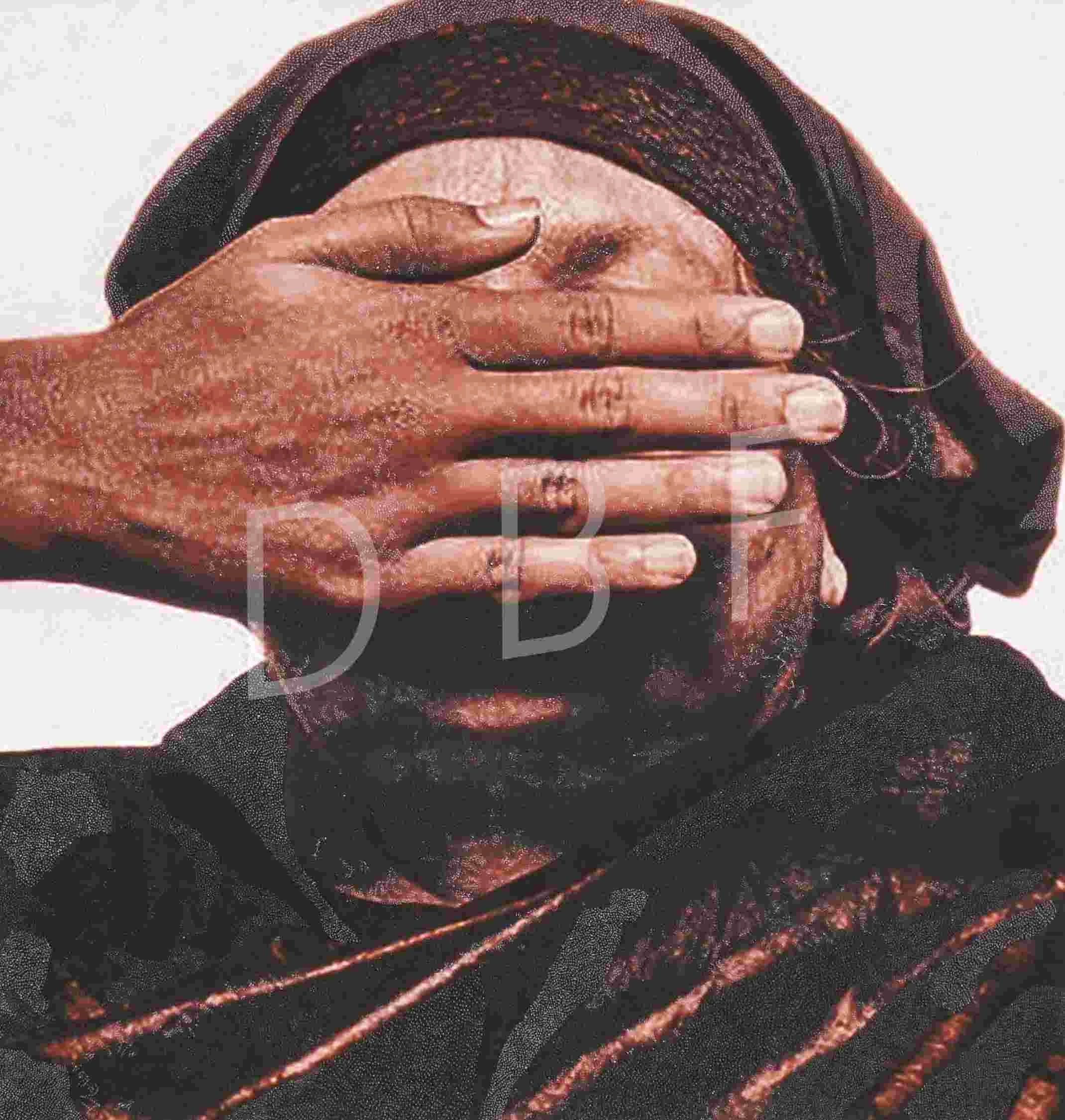
Size: 86 x 86 cm
Medium: Needle on photograph
Year: 2018-19
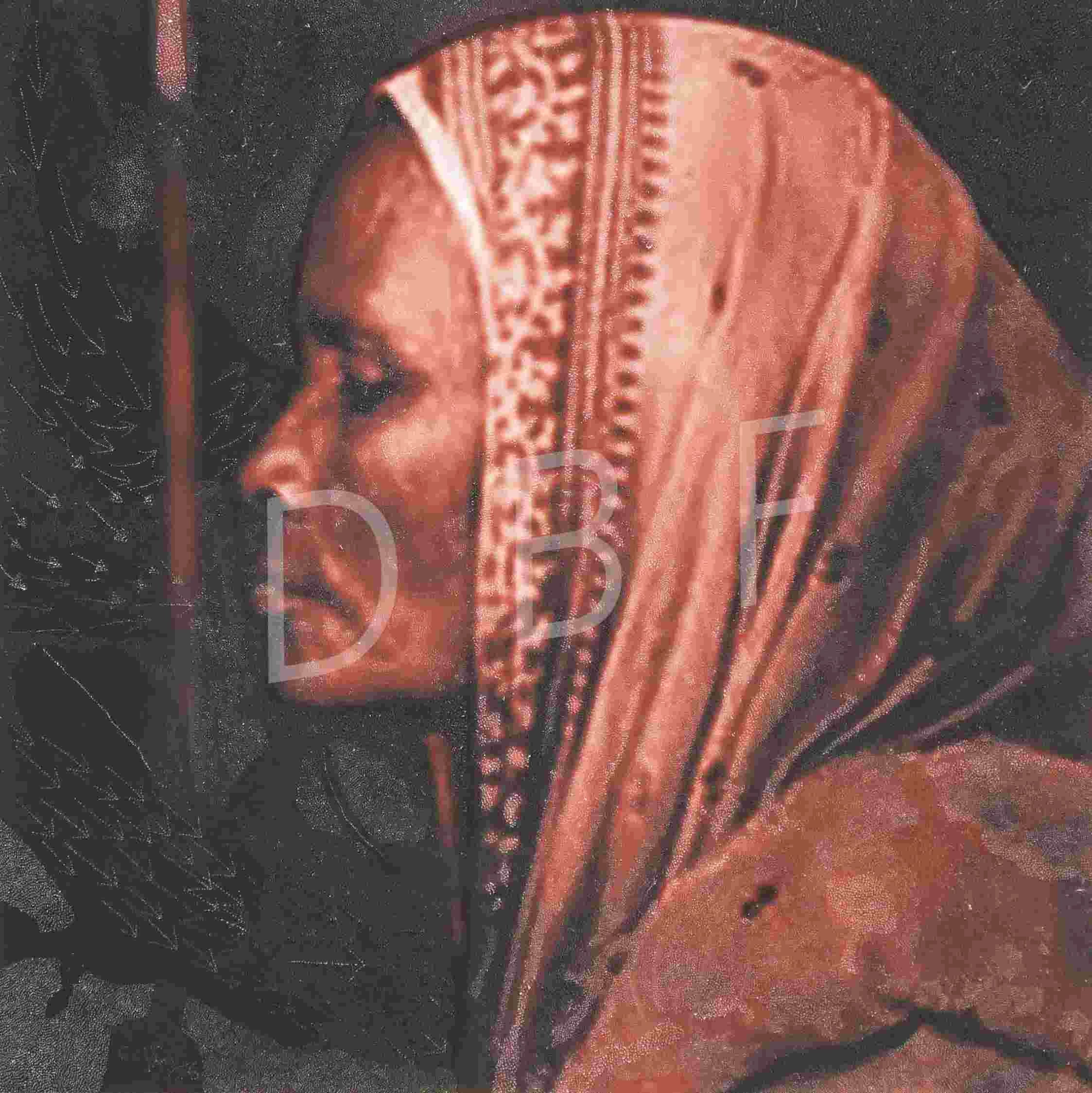
Size: 86 x 86 cm
Medium: Needle on photograph
Year: 2018-19
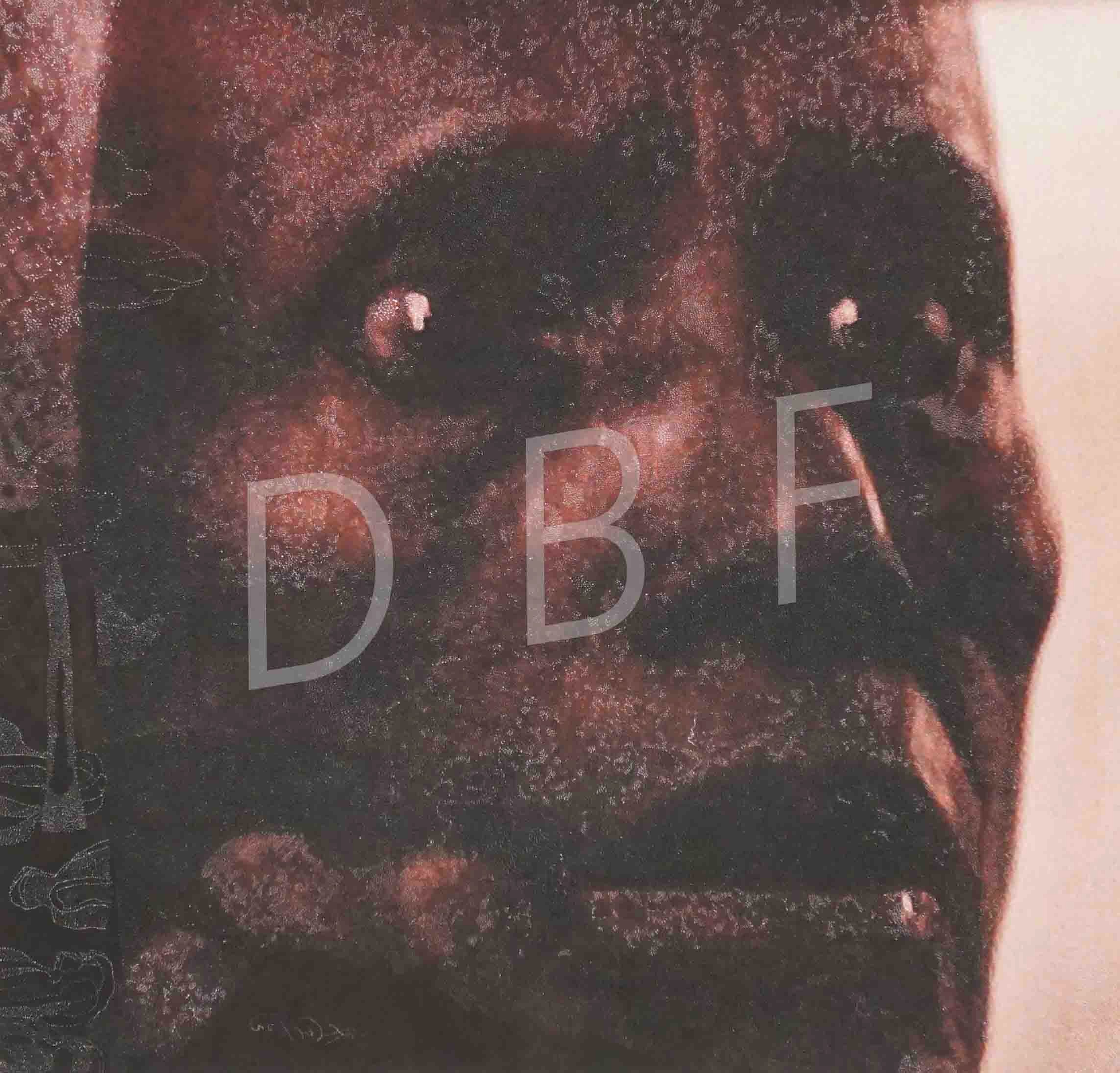
Size: 86 x 86 cm
Medium: Needle on photograph
Year: 2018-19
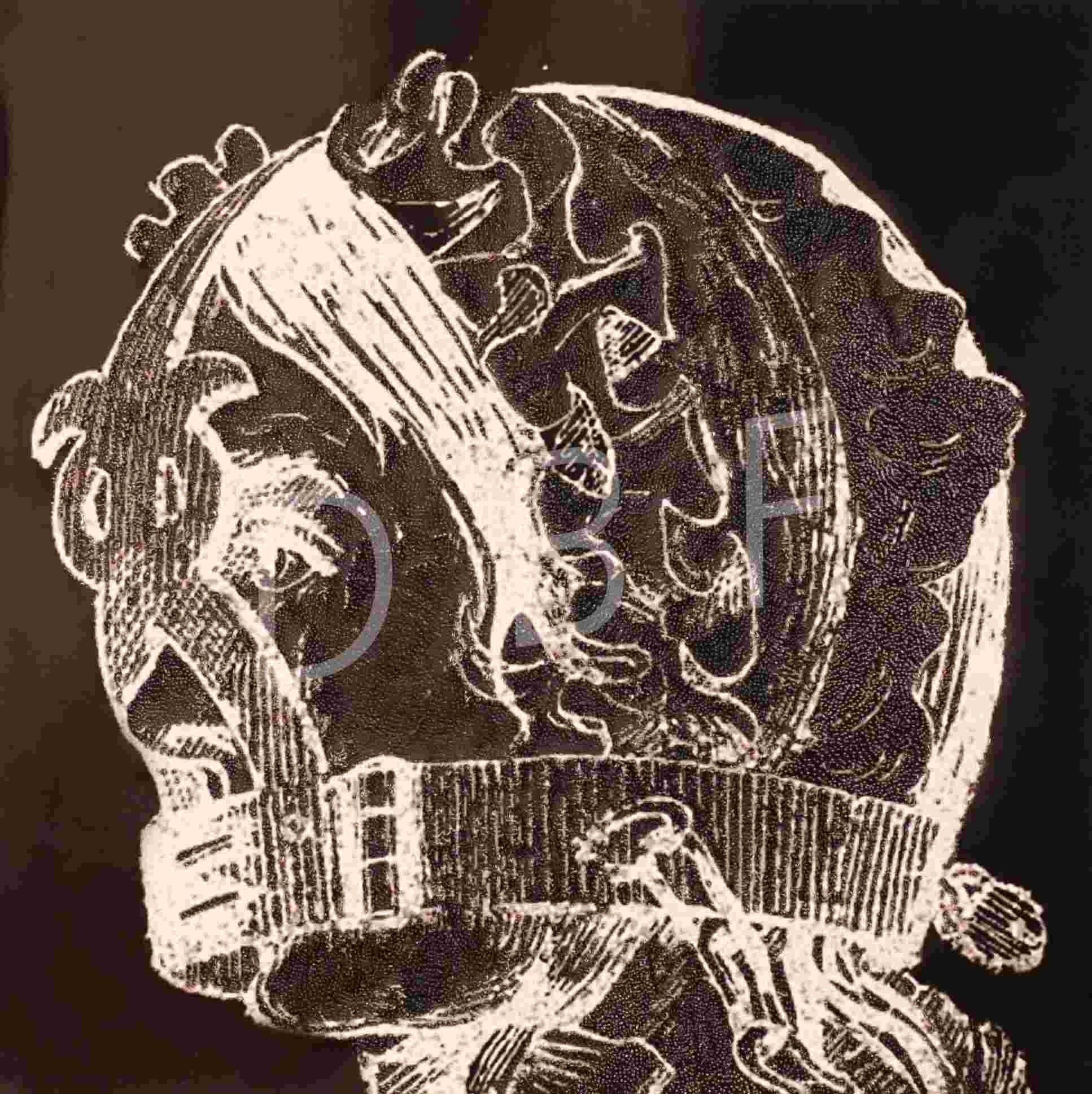
Size: 86 x 86 cm
Medium: Needle on photograph
Year: 2018-19
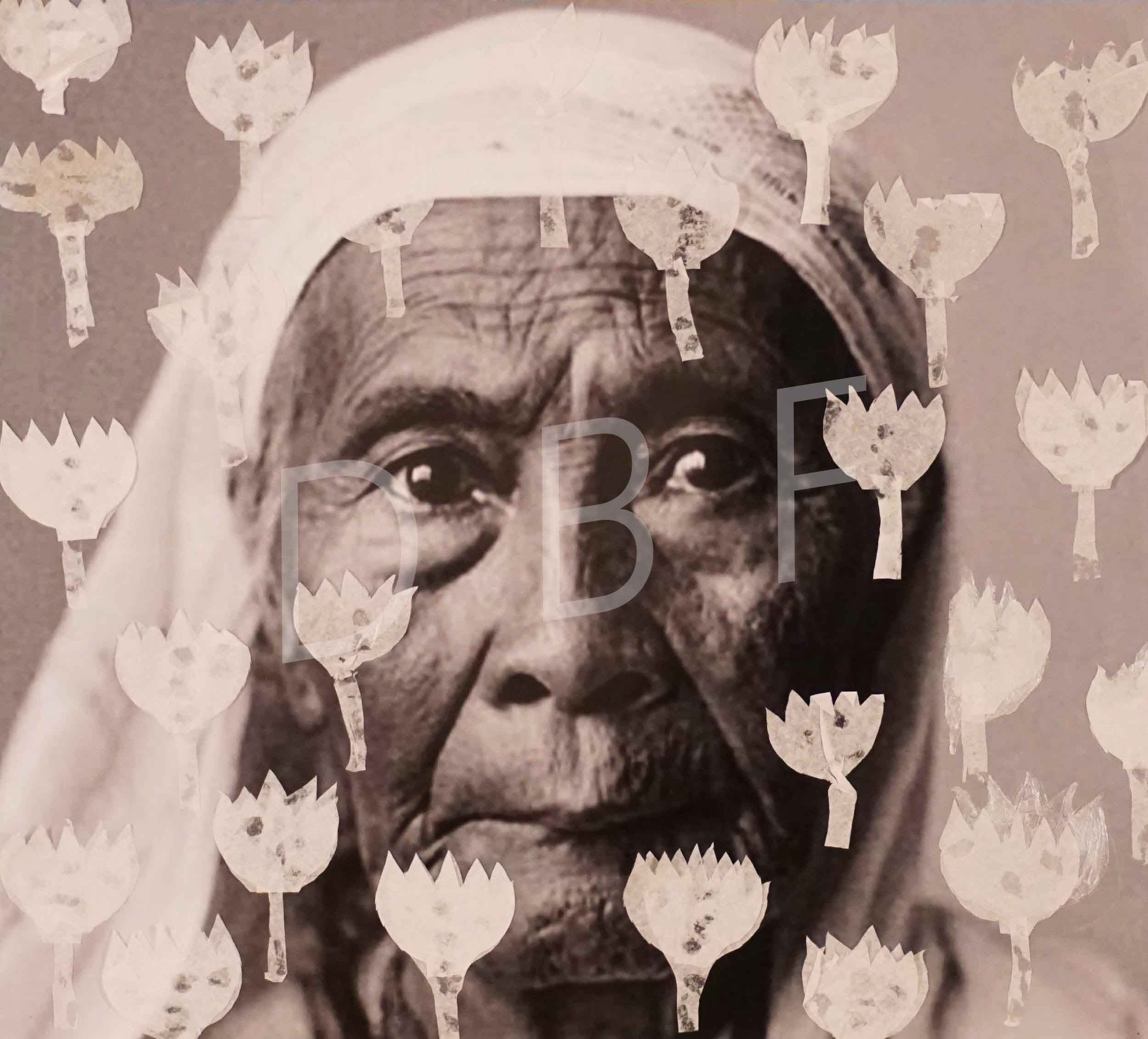
Size: 86 x 86 cm
Medium: Needle on photograph
Year: 2018-19
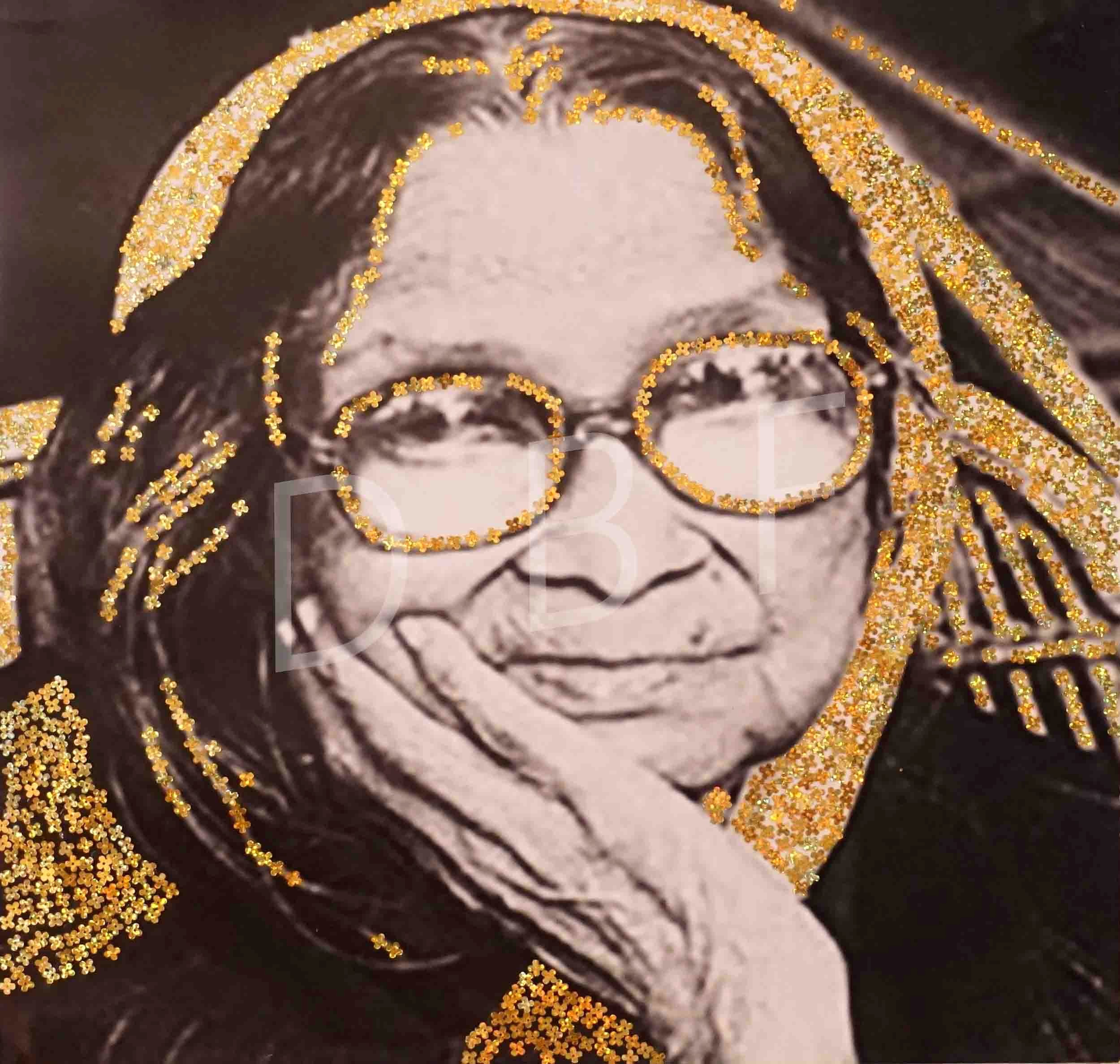
Size: 86 x 86 cm
Medium: Needle on photograph
Year: 2018-19
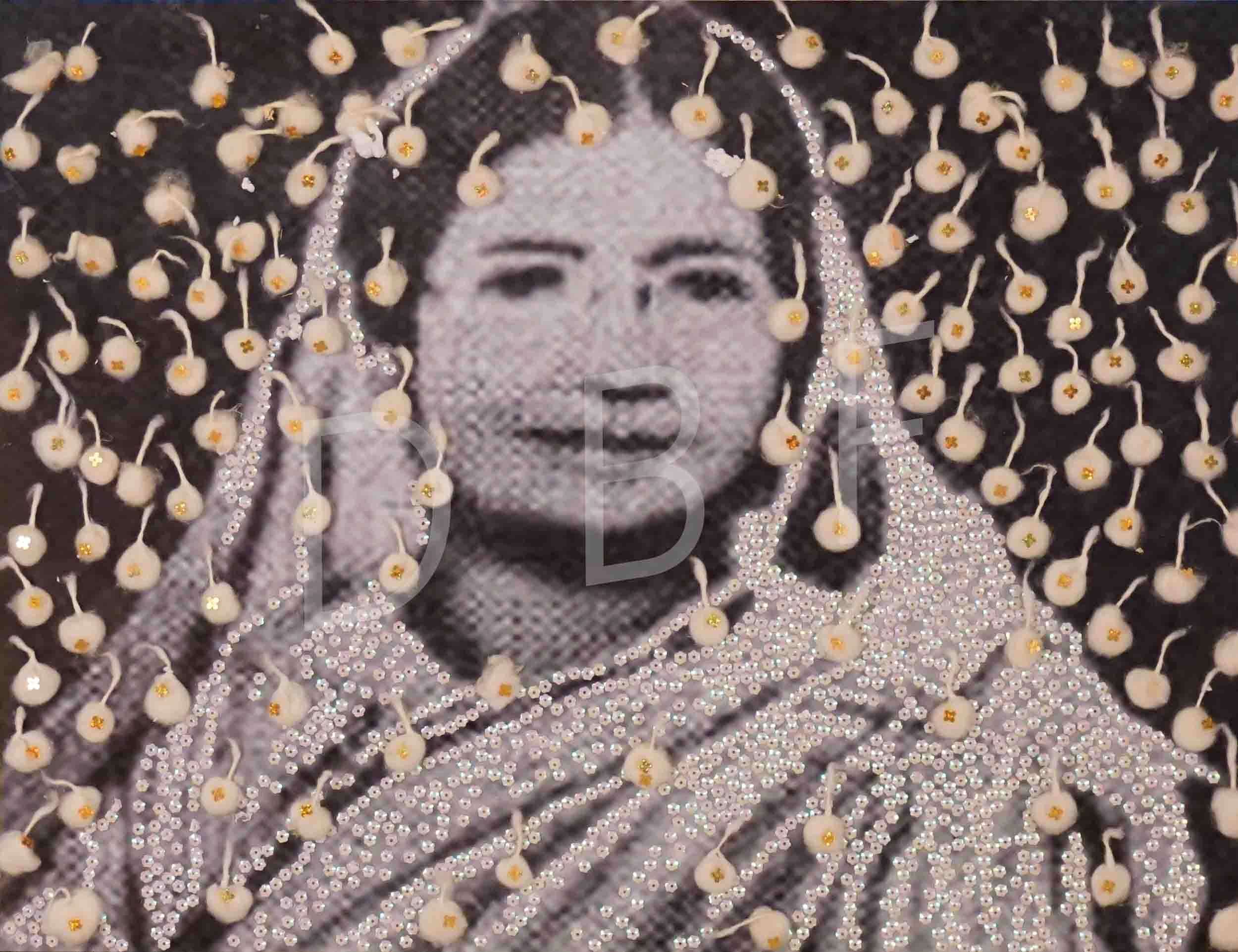
Size: 86 x 86 cm
Medium: Needle on photograph
Year: 2018-19
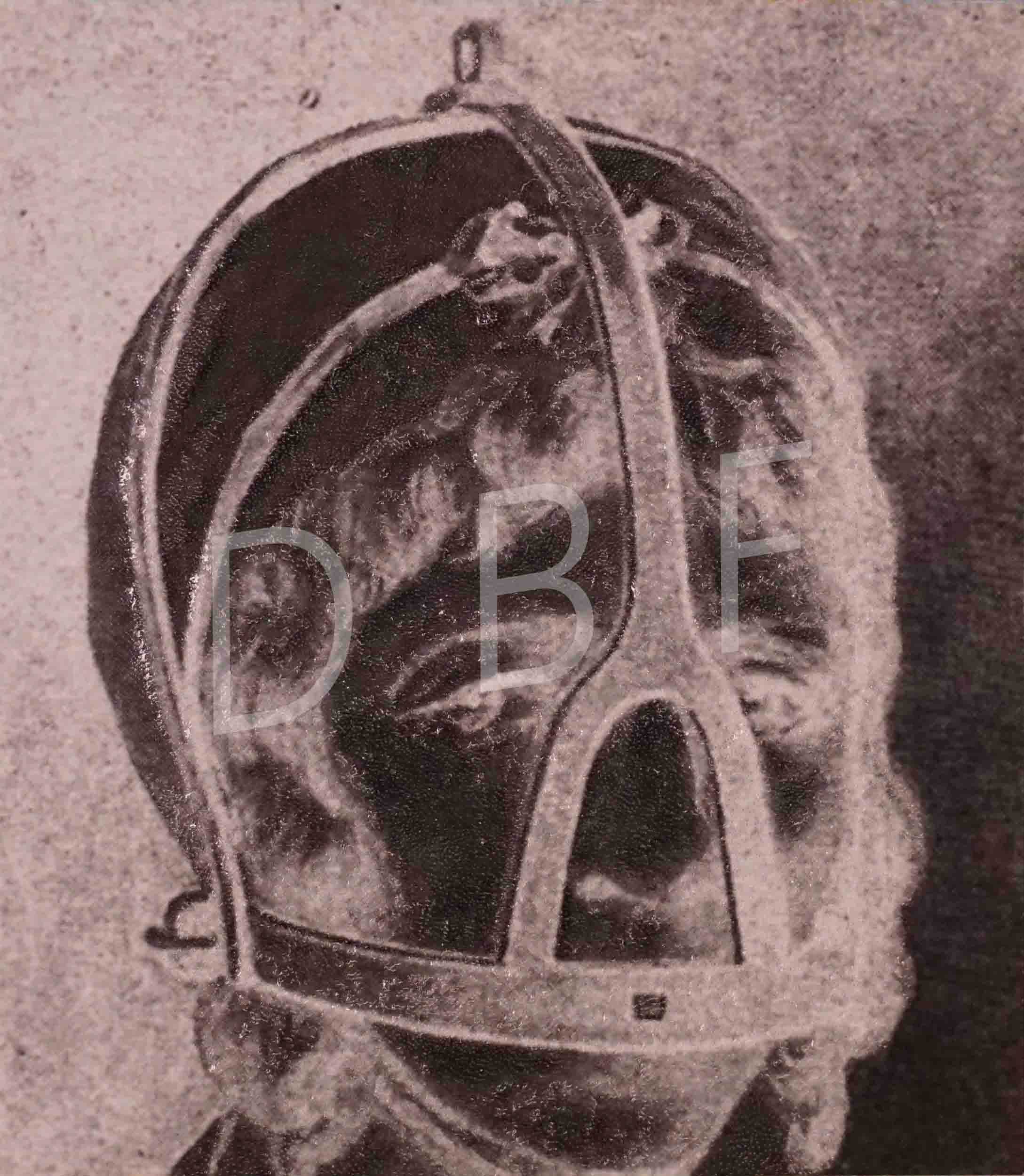
Size: 86 x 86 cm
Medium: Needle on photograph
Year: 2018-19
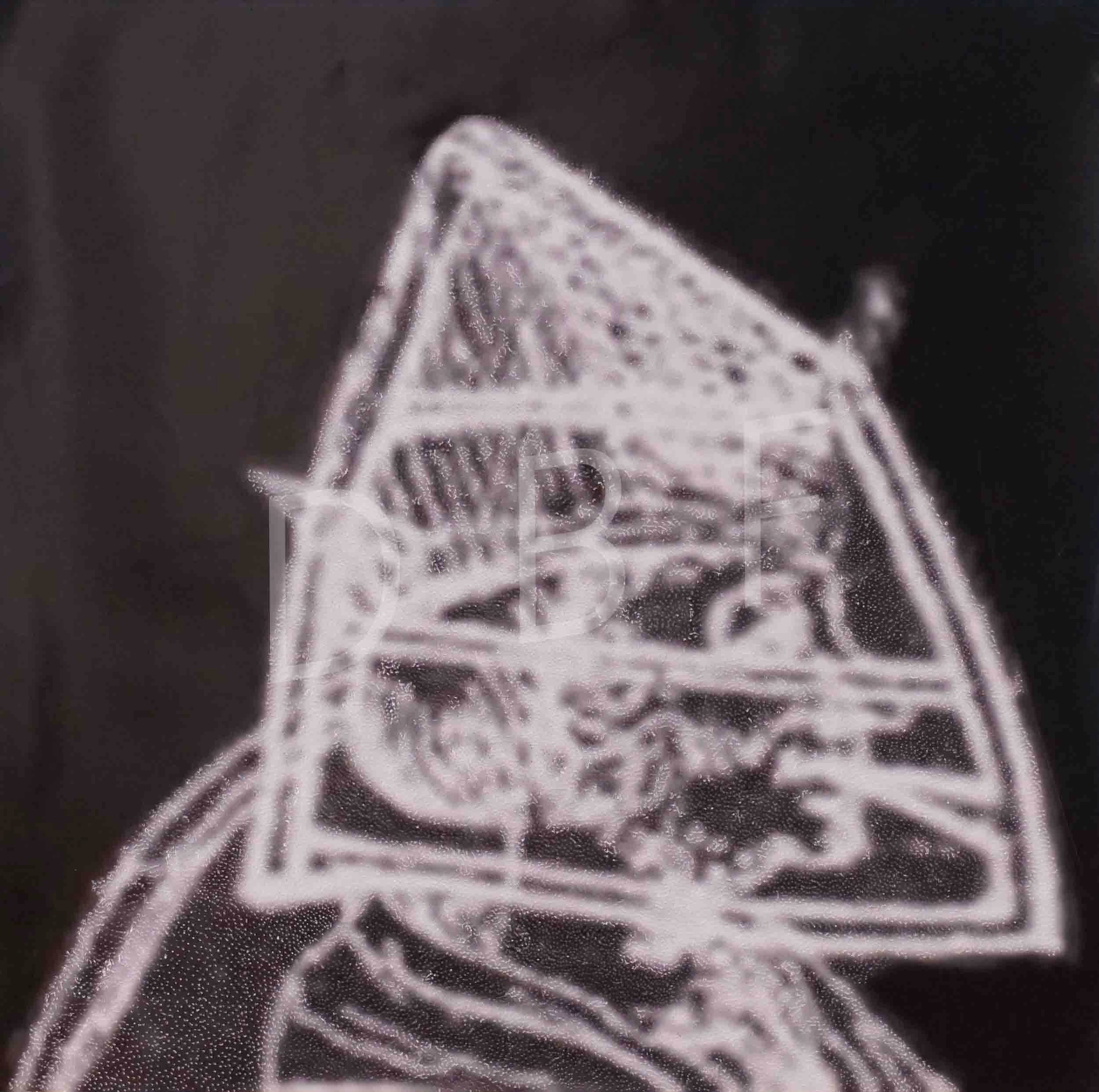
Size: 86 x 86 cm
Medium: Needle on photograph
Year: 2018-19