
This 1999 abstract painting by Mohammad Kibria is one of many works that the artist titled ‘Untitled’. As was his wont, here too he speaks a thousand words by remaining silent. Since his displacement from his place of birth in West Bengal and the loss of his loved ones in his early life, Kibria’s melancholy existence was articulated through many a textured surface. This painting is no exception, though it deviates from his usual colour palette of shades of green, azure and brown. Nature remained a major springboard for Kibria. He always looked at nature through the lens of his own introspective self. This work where various scales of grey are used to form the areas of lightness and darkness is a journey of the soul as he tries to connect himself with the world around him. It looks like a tribute to the monsoon, a season when cloud formation used to inspire poets of the bygone era to pen verses in praise of nature. With a surface that gives an obvious sense of dampness, the artist externalises what he fails to say with words.

Mohammad Kibria
Mohammad Kibria was a pioneer of the abstract art movement in Bangladesh. Born in 1929 in Birbhum of the then Bengal Presidency of British India, he graduated from the Government School of Art in 1950. In 1951, young Kibria came to Dhaka and started his career as an art teacher at the Nawabpur Government High School. In 1954, prompted by his teacher and mentor Zainul Abedin, Kibria joined the Government College of Arts and Crafts and eventually became a faculty member of the Department of Printmaking at the Faculty of Fine Art, University of Dhaka. Kibria went to Tokyo University of the Arts to pursue higher studies from 1959 to 1962. While in Japan, he was exposed to the works of modern masters of international repute, besides receiving training under well-known Japanese contemporary abstractionists. He also became familiar with Zen gardens and was inspired by their economy and grace. His sustained engagement with non-objective painting made him a revered figure in the region. He was awarded Ekushe Padak, the second highest civilian award in Bangladesh, in 1983 and Swadhinata Padak (Independence Award), the country’s highest national civil award, in 1999 by the Government of Bangladesh. Kibria died of old-age complications at a hospital in Dhaka on June 7, 2011 at the age of 82.
Untitled


Memorial
“Memorial” is a 1980 etching by artist Mohammad Kibria. Unlike most of his works, he gave a title that serves as a clue to the subject he chose to explore. Buried under its gloomy surface are the memories of horrors of 1971. This print is a clear testimony to what an abstractionist can do with his surface to articulate what often seems impossible to express with words.The printmaker-painter memorialises the loss of lives of millions and inscribes into a work or art the sense of mourning through the use of muted grey with a hint of brown. The work is an ode to those who sacrificed their lives for freedom as well as those who fought fearlessly during the Liberation War. The artist brings to the fore a sense of loss that would forever haunt the nation that emerged as an independent country after a nine-month-long war. This etching is memory and mourning wrapped into one.
Art Style
Mohammad Kibria’s works fall into the category of abstract art. The non-representational language he became famous for had been his forte since his early experiments with forms in 1960. He was indebted to abstract expressionism of the west and Japanese minimalism found in traditional painting as well as space-making. He developed a penchant for tactile quality, which he achieved through the use of the body of paint and tonal variations of colours. Though his works seem self-referential, the texture and colours always harness nature’s energy. His philosophy of life reflected his contemplative character and had also been connected to the natural cycle of growth and decay, lending him the necessary ingredients and insights into both life and art.
Gallery

Title: Untitled
Size: 33 1⁄2 X 21 inch
Year: 1999
Media: Acrylic on Paper
Ref. No: DBF# 05
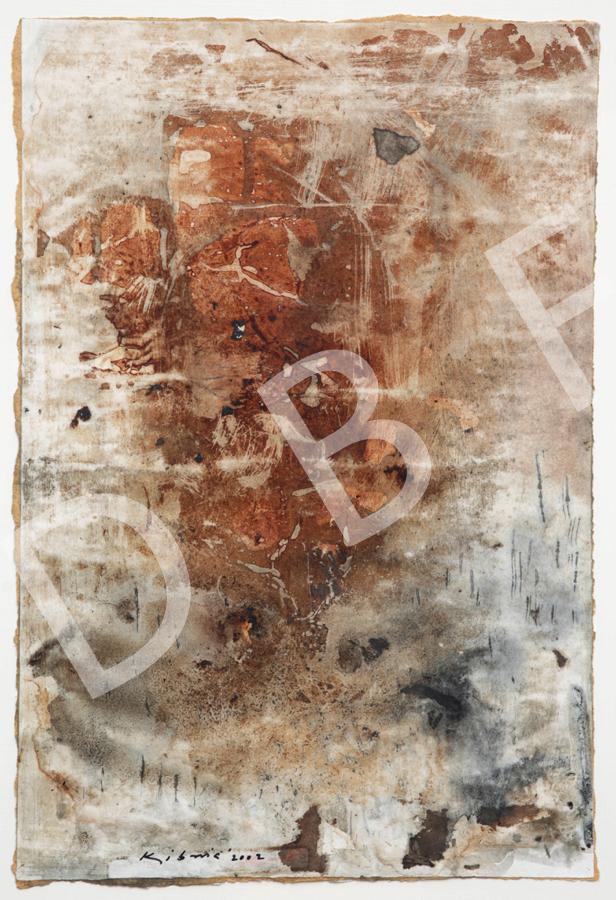
Title: Untitled
Size: 22 1⁄2 X 15 inch
Year: 2002
Media: Acrylic on Paper
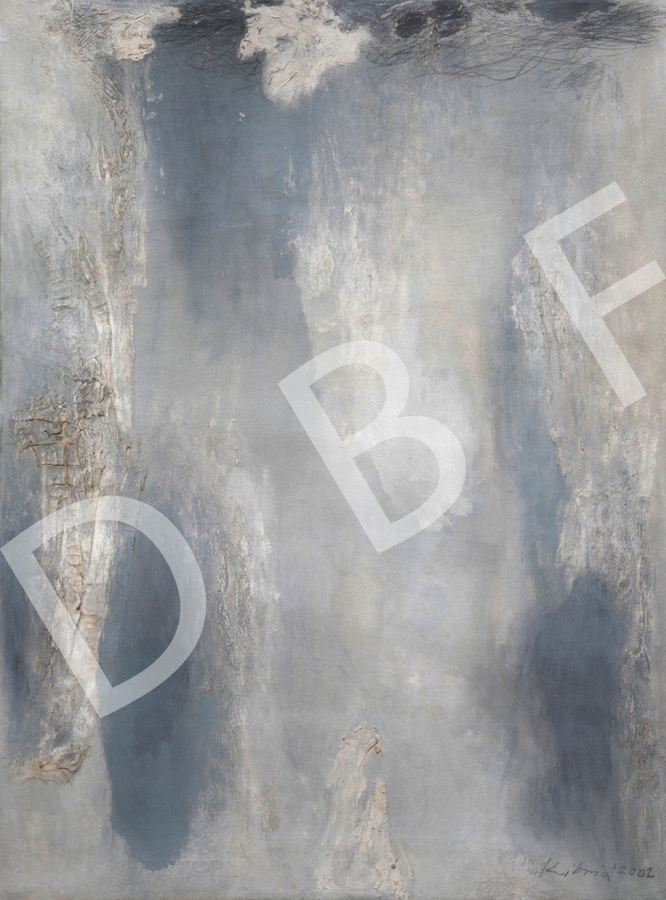
Title: Untitled
Size: 48 X 36 inch
Year: 2002
Media: Oil on Canvas
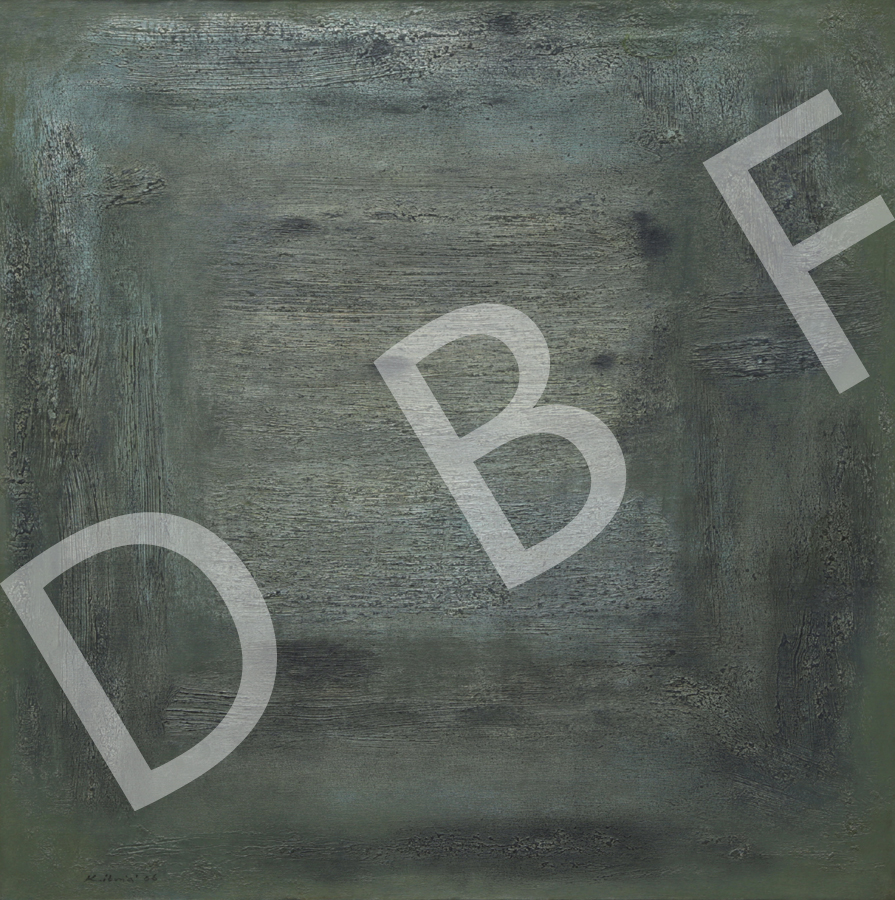
Size: 36 X 36 inch
Year: 2006
Media: Oil on Canvas

Title: Untitled
Size: 36 X 36 inch
Year: 1999
Media: Oil on Canvas
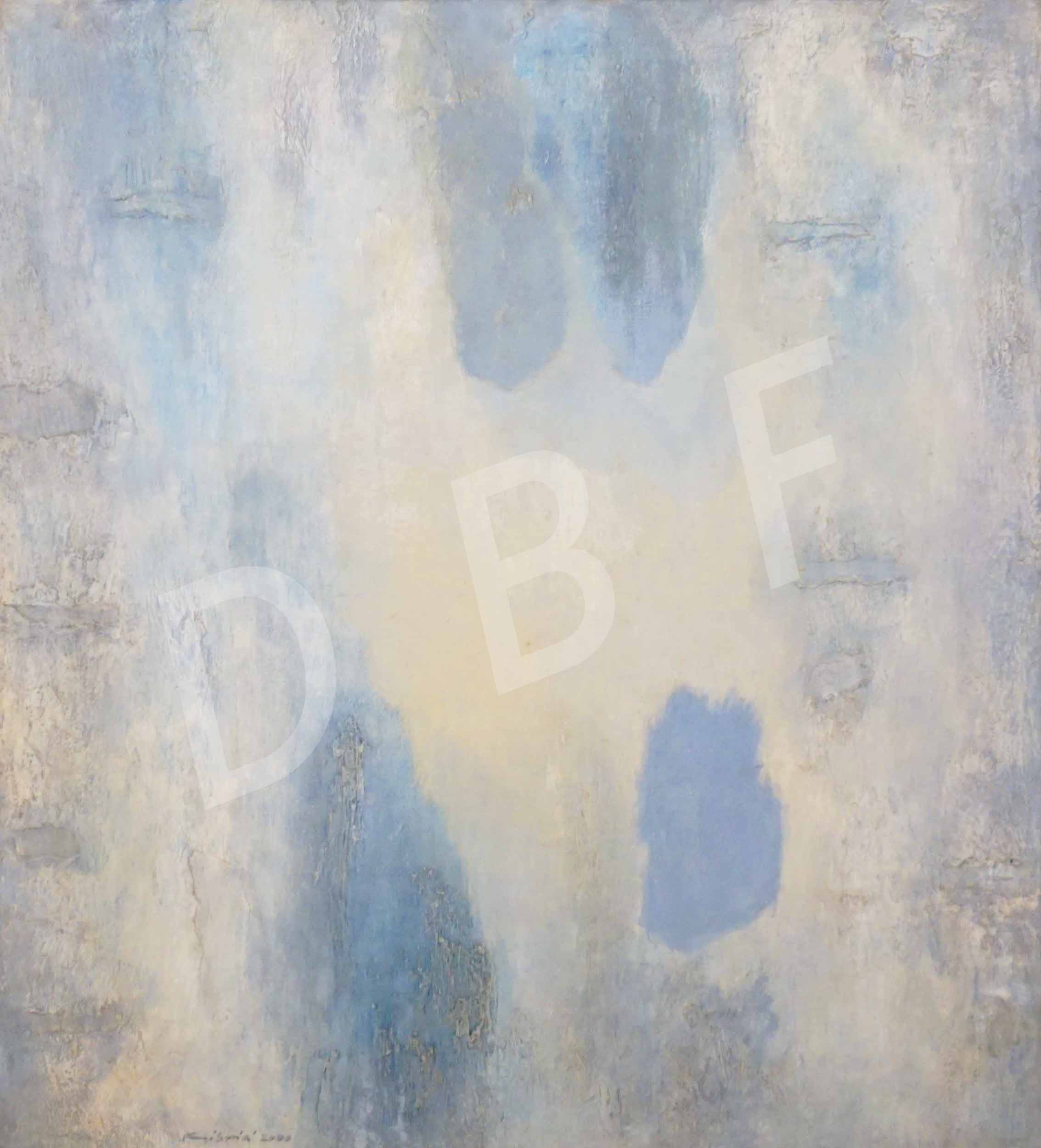
Title: Untitled
Size: 102x91 cm
Year: 2000
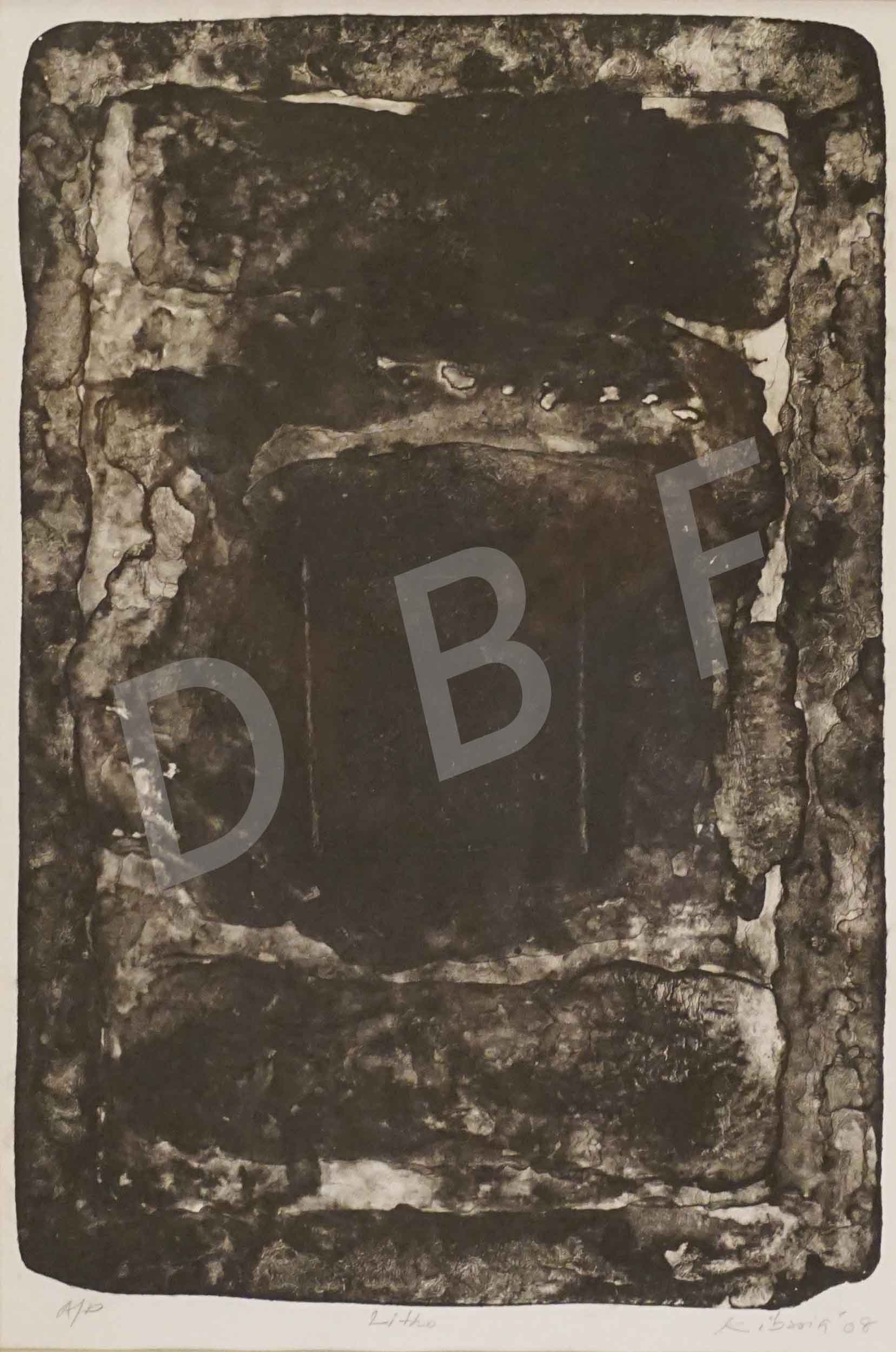
Name: Untitled
Size: 40.5x26.5 cm
Medium: Lithography
Year: 2008
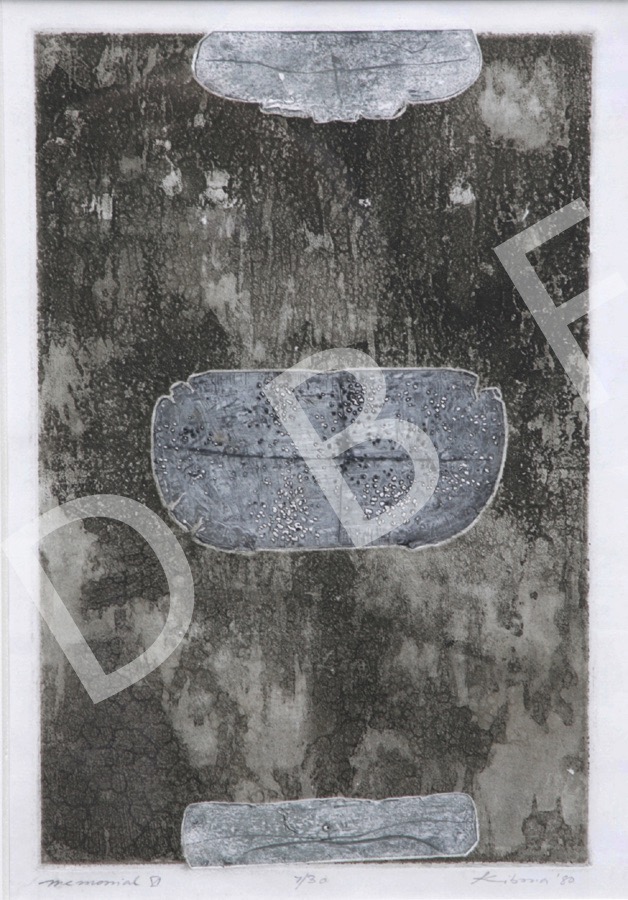
Title: Memorial
Size: 16 X 11 inch
Year: 1980
Media: Lithograph