
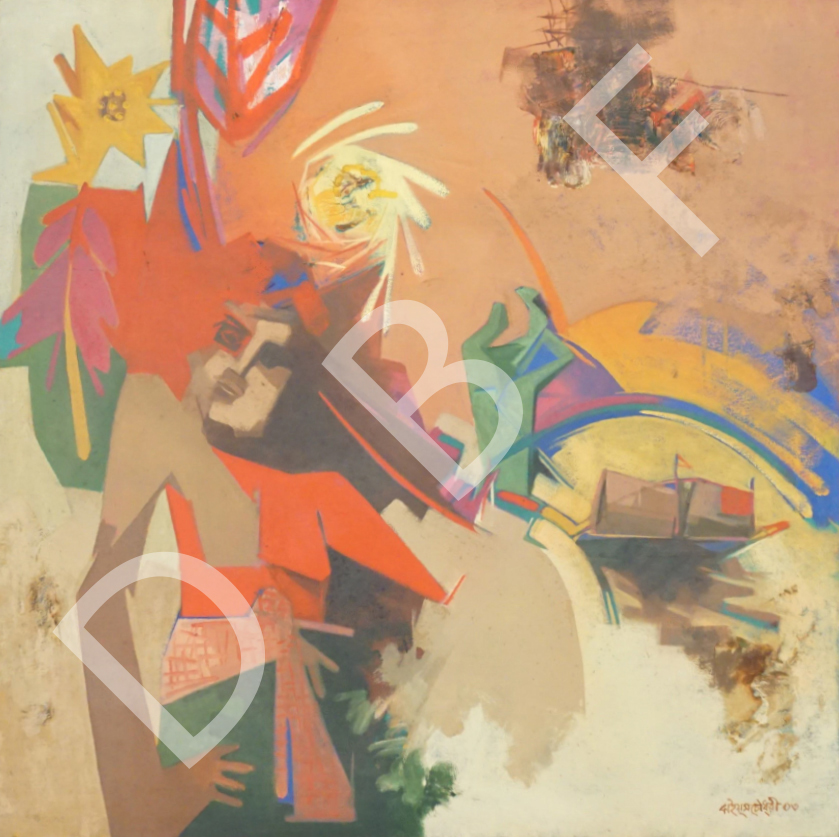
“Freedom Fighter” is a 2007 painting by Qayyum Chowdhury which he painted as a tribute to the country’s war heroes who fought heroically for its independence and many of whom had sacrificed their lives while fighting the enemy. This work is part of many such paintings in which he memorialises the act of valour. In this work the protagonist stands at the top with a gun in hand and a red bandana around his head while a mother is depicted next to him symbolising the motherland. The idea of victory for him was never abstract. The colours that go with his stylistic flourish together create a sense of resilience. The work transmits its emotion to the onlookers through a language that is recognisably his own. The entire painting is drenched in red, including the sky against which the earliest version of the national flag is flaunting. The presence of nature is always felt in Qayyum’s work, and this is no exception. Though there is no reference to trees and rivers in the work, the sap green at the lower portion of the painting is an obvious reference to an open field.
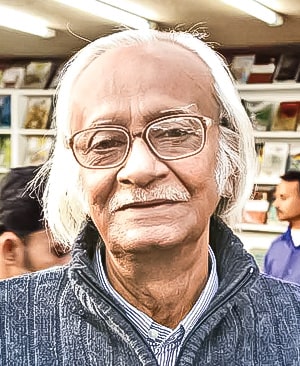
Qayyum Chowdhury
Qayyum Chowdhury, a pre-eminent Bangladeshi painter and designer, was born on March 9, 1932 in Feni. A second generation artist, he graduated from the Government College of Arts and Crafts (now Faculty of Fine Arts, University of Dhaka), Dhaka, in 1954. He joined the same institution as a lecturer in 1957. After three years, he decided to join forces with some of the talented artists who began working at the newly established Design Centre under the aegis of painter Quamrul Hassan. He also started to produce book covers for two major publishers – Shandhani Prakashani and Mawla Brothers. He started to work for the then Pakistan Observer, a daily newspaper, where he served first as the chief artist and then was placed in charge of other periodicals and the Bengali daily of the outlet. He returned to teaching at the College of Art and Craft in 1965. He was promoted to the position of assistant professor in 1970 and to associate professor in 1986 and professor in 1991. He retired from teaching in 1994 but continued teaching as adjunct professor till 2002. He developed a visual language that seemed to have lent a distinct character to both his painting and design. He received numerous awards throughout his career. The notable of them are the Imperial Court Prize, 5th Tehran Biennale, Iran (1966), the Silver Jubilee Award of the Bangladesh College of Arts and Crafts (1973), National Book Center Gold Medal for cover design (1975), Bangladesh Shilpakala Academy Award (1977), Ekushey Padak (1986), Bangabandhu Award (1994), Sultan Smrity Padak (2001) and Independence Award (2014). A music buff who amassed a huge collection of classical music, Qayyum Chowdhury died on November 30, 2014, following a sudden collapse on the stage of Dhaka’s most celebrated classical music festival.
Freedom Fighter


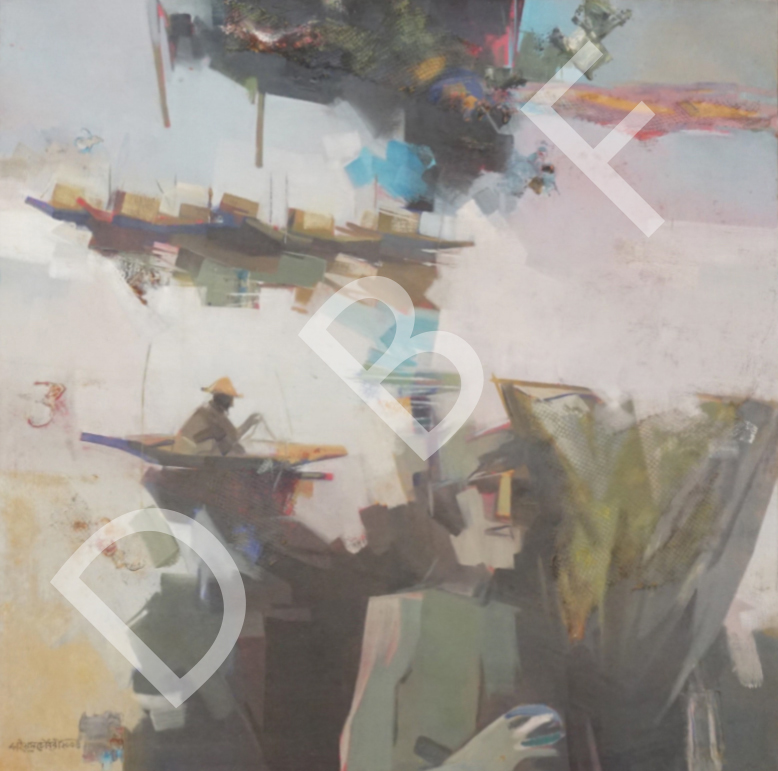
At The End of The Day
“At the End of the Day” portrays the moment when the sun is setting and night is about to fall, though the entire painting is suffused with various shades of colours intentionally misrepresenting the moment it captures. Within its frame, Qayyum Chowdhury seeks to attend to all the facets of the lives of a traditional fishing community represented by the three men returning home from a day-long fishing trip. While the figures are captured in the rays of the setting sun, one in the middle is uncannily glowing with red while the other two show little or no association with the colour of the dusk. This 2003 painting that narrates the life and struggle of our fishermen also simultaneously celebrates their traditional lifestyle. Every day they leave for work and go out to the river to earn their daily meal. The hardship is a reality but the fact that their life centres on the river and the ecosystem at large still inspires awe among many urban denizens who live amid the chaos of rapid modernisation. This very fact, coupled with the painterly treatment that animates the surface of this painting, makes this work a precious symbol of life in the delta.
Art Style
His decisive contribution to the pre- and post-independence cultural firmament made him a household name. The cultural figure that he became was the result of his organic engagement with graphic design and painting. Though his paintings were often considered an extension of his graphic works, he enriched both the realms with his stylistic rigour. His life-long commitment to find his voice amid the rising symphony of the moderns at home and abroad made him discover a middle path. He was ready to learn from his western counterparts but was unwilling to renounce his memories of village life – hence the development of a style in which both the worlds have come together to create a harmonious whole. In both painting and graphic work his signature style is easily recognizable due to the motifs and colours and the manner of execution he developed and continued to pursue throughout his life. To evoke a sense of the rural he kept returning to themes and colours associated with village life, while to organize his aesthetic elements he used lines and brushworks for which he can easily be located in the same bracket as other contextual modernists. While employing forms and lines and in the distribution space within his canvas, he worked like any other modern artist of South Asia. Yet his compositions had a certain brio that drew its inspiration from village life.
Gallery
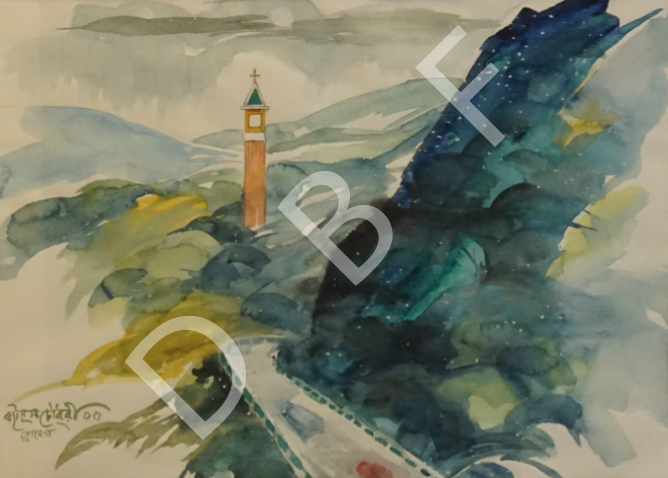
Artist: Qayyum Chowdhury
Dimension: 21.5″ X 29″
Year: 2005
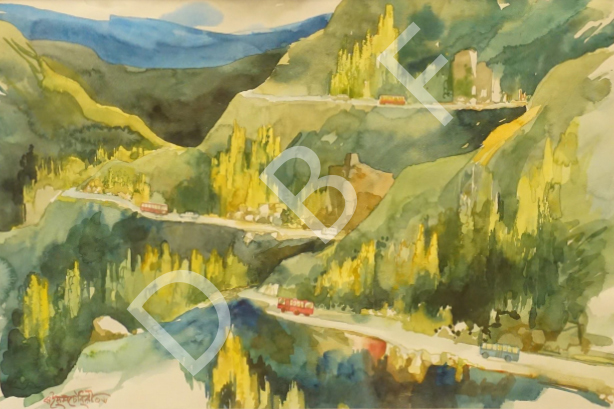
Dimension: 14″ X 21″ Year: 2006
Medium: Water color


Artist: Qayyum Chowdhury
Dimension: 10.5″ X 14.5″
Year: 2001
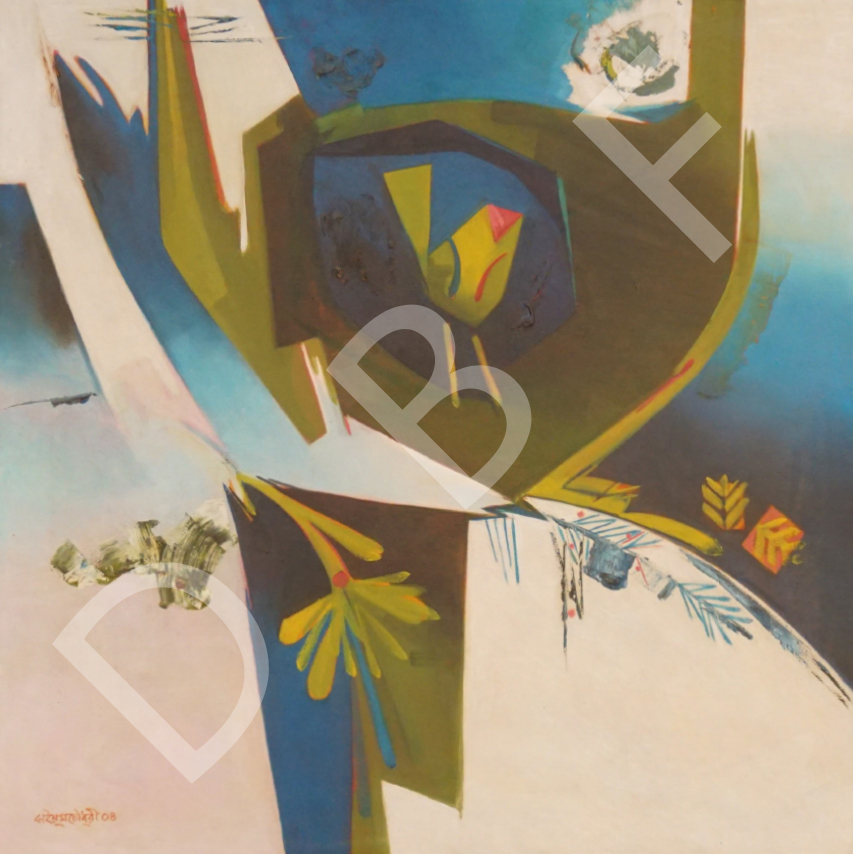
Artist: Qayyum Chowdhury
Dimension: 36″ X 36″ Year: 2004
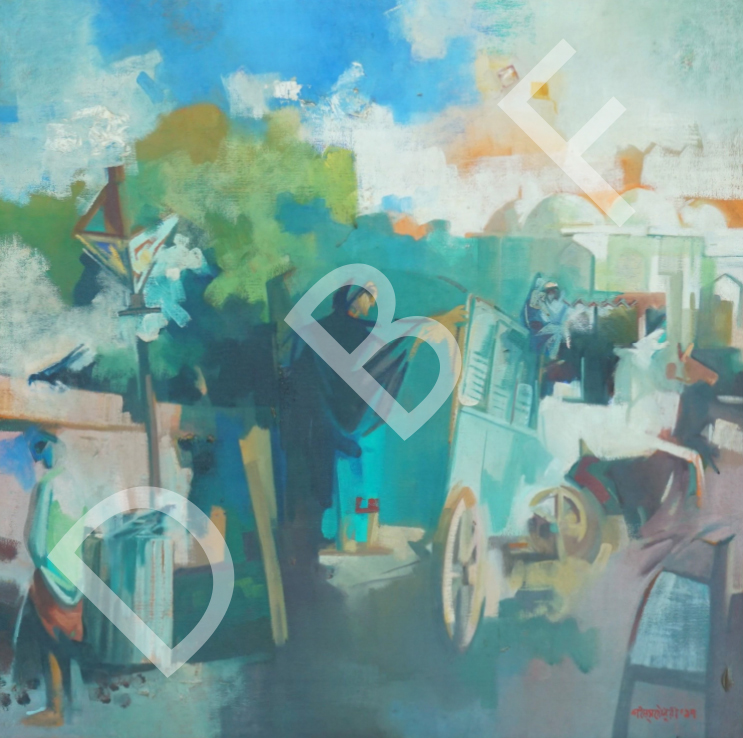
Artist: Qayyum Chowdhury
Dimension: 36″ X 36″ Year: 2003
Medium: Oil on canvas
Artist: Qayyum Chowdhury
Dimension: 36″ X 36″
Year: 2004
Medium: Oil On Canvas
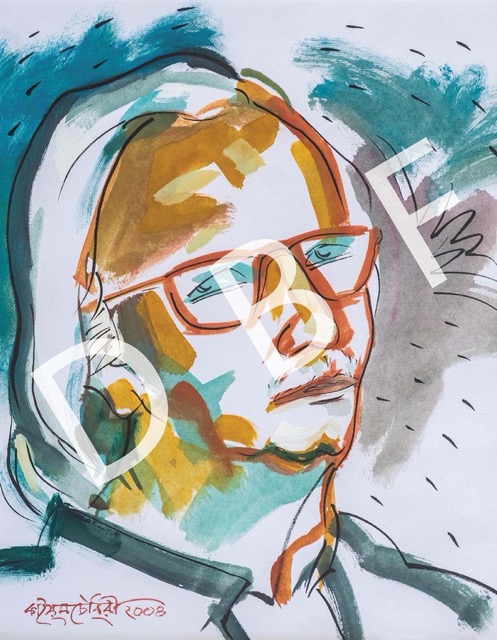
Size: 10.5 x 13.5 inch
Year: 2004
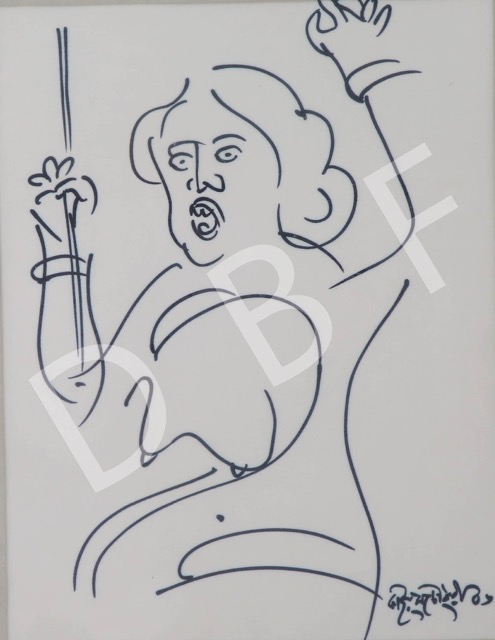
Title: Kansat-2
Size: 11 x 14 inch
Year: 2006
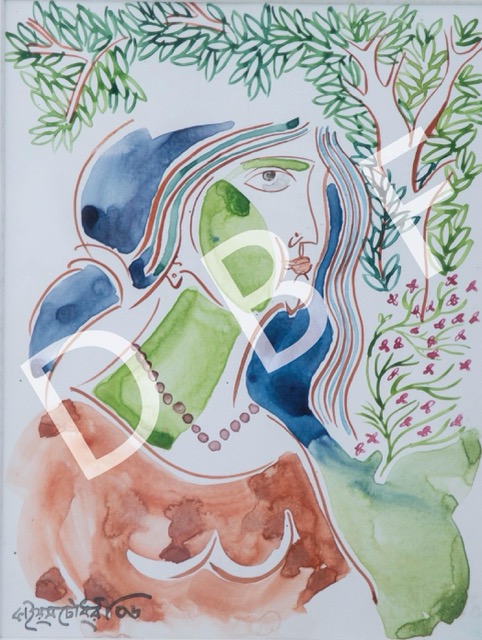
Title: Face
Size: 8 x 10.75 inch
Year: 2006
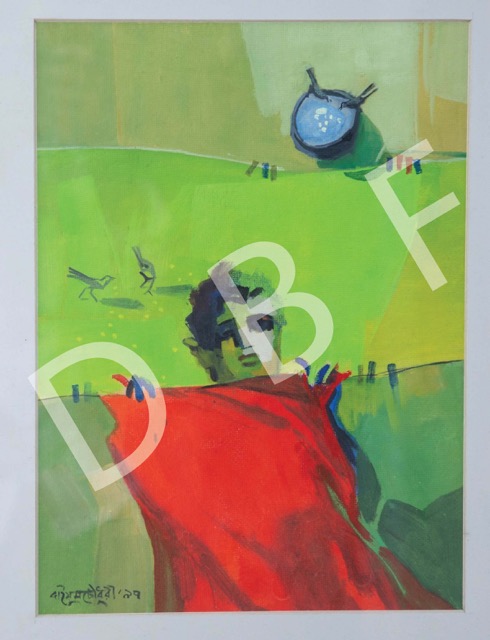
Size: 10.5 x 14.5 inch
Year: 1997
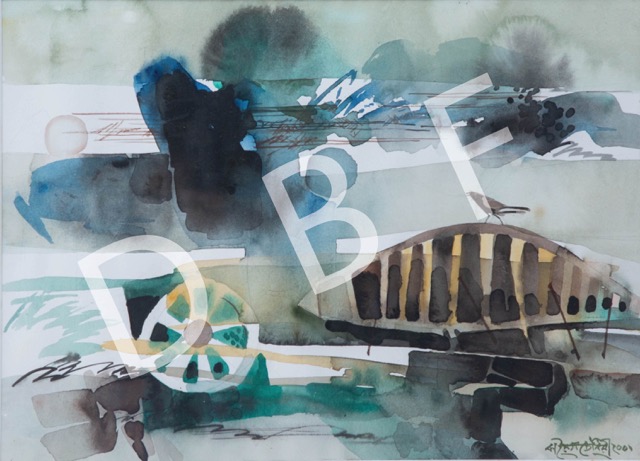
Title: Season-3
Size: 14.5 x 10.5 inch
Year: 2000
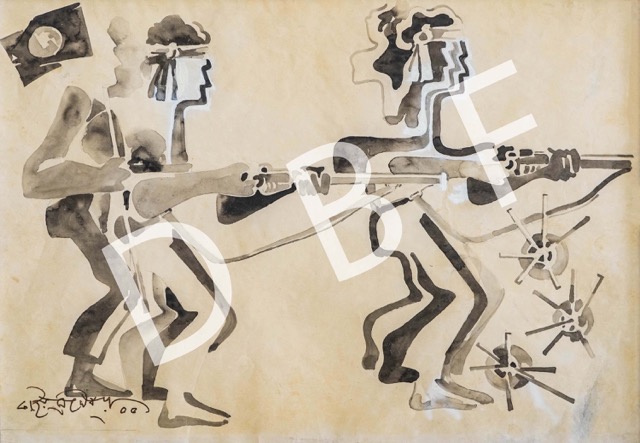
Size: 12.5 x 9 inch
Year: 2005
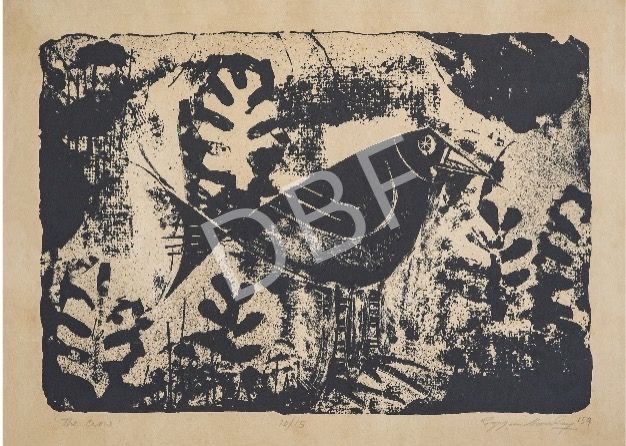
Title: The Crow
Size: 19 x 14 inch
Year: 1954
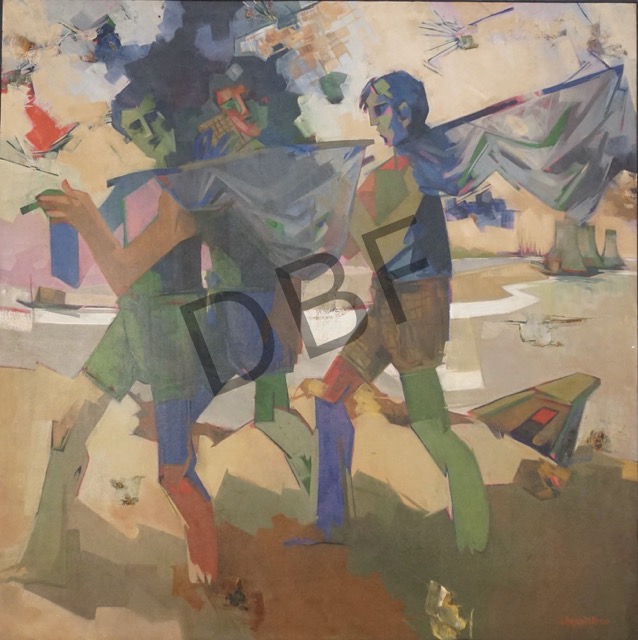
Title At the End of the Day
Size: 48 X 48 inch
Medium: Oil on Canvas
Year: 2003
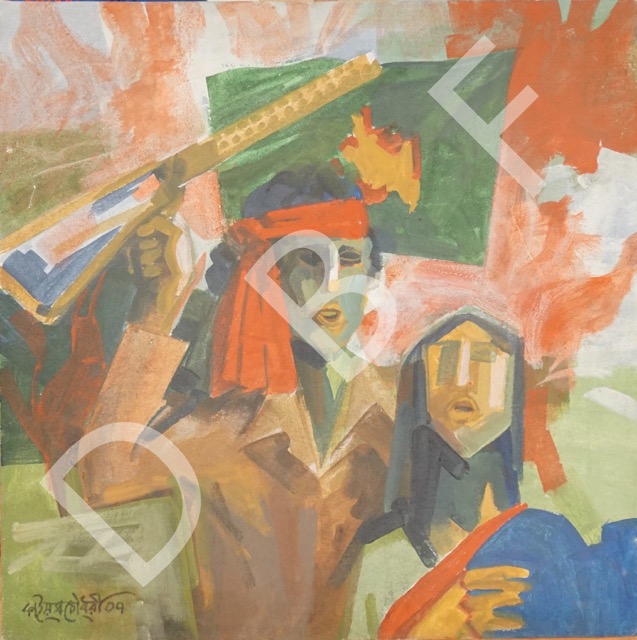
Title Freedom Fighter
Size: 18 X 18 inch
Medium: Oil on Canvas
Year: 2007