
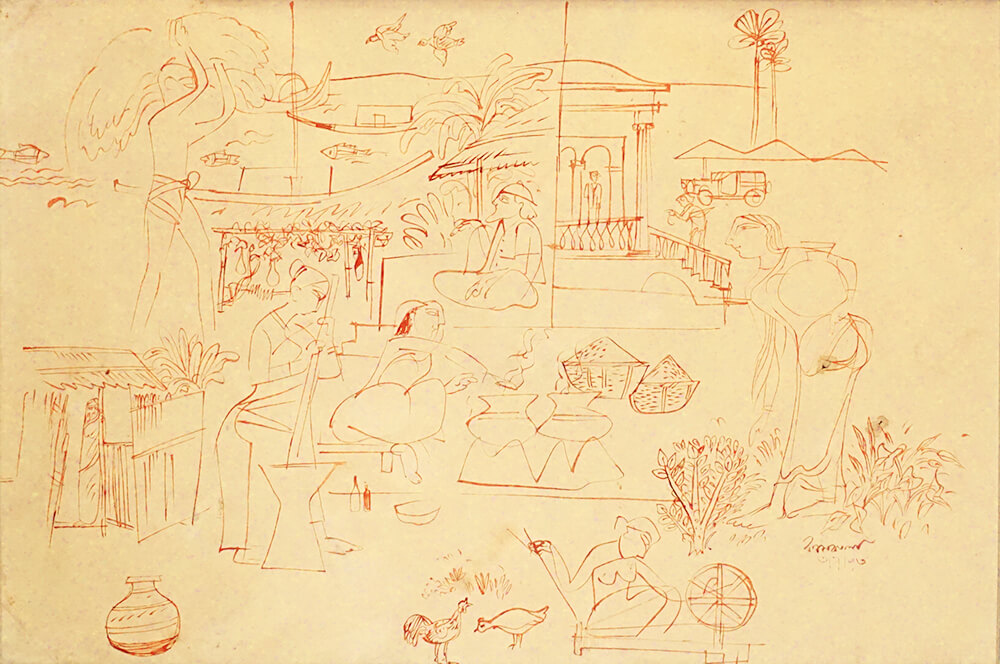
Drawings constitute an important part of Quamrul Hassan’s oeuvre. This pen sketch done in 1973 in the newly independent Bangladesh is his take on women and their contributions in society. The artist illustrates all the facets of women’s involvement in activities ranging from household chores to their involvement in the local economy. Women raise children and also play a central role in both formal and informal economy as they are involved in cutting and thrashing paddy, collecting water and more. Yet in the corridors of power their presence is negligible, which make them a minority in need of empowerment. The sketch is a homage to women living in this delta whose contribution cannot be overemphasized.
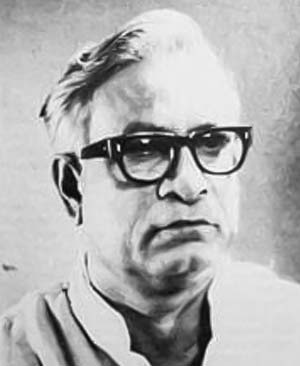
Artist Profile
Quamrul Hassan
Quamrul Hassan, popularly known as patua Quamrul Hassan, is one of the modern pioneers of the region. Born in 1921 in Bardhaman, West Bengal, India, his practice changed the course of art history in this region. Quamrul enrolled himself at the Government Art Scholl of Art in Calcutta (now Kolkata) in 1938 and completed his graduation in 1947. He played a leading role in establishing the Government Institute of Arts (presently Faculty of Fine Art, University of Dhaka) with Shilpacharya Zainul Abedin and others, and taught there until 1960. Under his leadership the East Pakistan Small and Cottage Industries (later renamed Bangladesh Small and Cottage Industries, or BSCIC) were established in 1960. As the head of the Design Centre of BSCIC, he worked tirelessly to invigorate country’s artisanal practices and crafts enterprises, until his retirement in 1978. He played a major role in the liberation war of Bangladesh in 1971, producing the most memorable poster revealing the true nature of general Yahya Khan Khan. Through his fierce political cartoons, he inspired people in joining the civil movements. In the realm of art, his political language of the 1970s set the stage for further intervention in this line. He forged the most enduring images by merging the linear practices of the village patuas with that of world’s most famous cubist, Picasso. His contribution as a designer is enshrined in the monograms of the Government of Bangladesh, Bangladesh Parjatan Corporation, Bangladesh Bank, and Biman Bangladesh Airlines. For his contribution to visual culture he received the President’s Gold Medal in 1965, Comilla Foundation Gold Medal in 1982, Independence Award, the highest civilian award conferred by the Government of Bangladesh, in 1979, Bangladesh Charushilpi Sangsad Award in 1984, and Mahbubullah Trust Gold Medal in 1987. Quamrul Hassan worked as a free-lance artist until his death at the annual conference of poets at TSC, University of Dhaka, in 1988, which also occasioned his most storied sketch titled “desh aaj biswa-behyar khoppore’, or the country is in the clutches of a universal rascal.
Untitled
Untitled
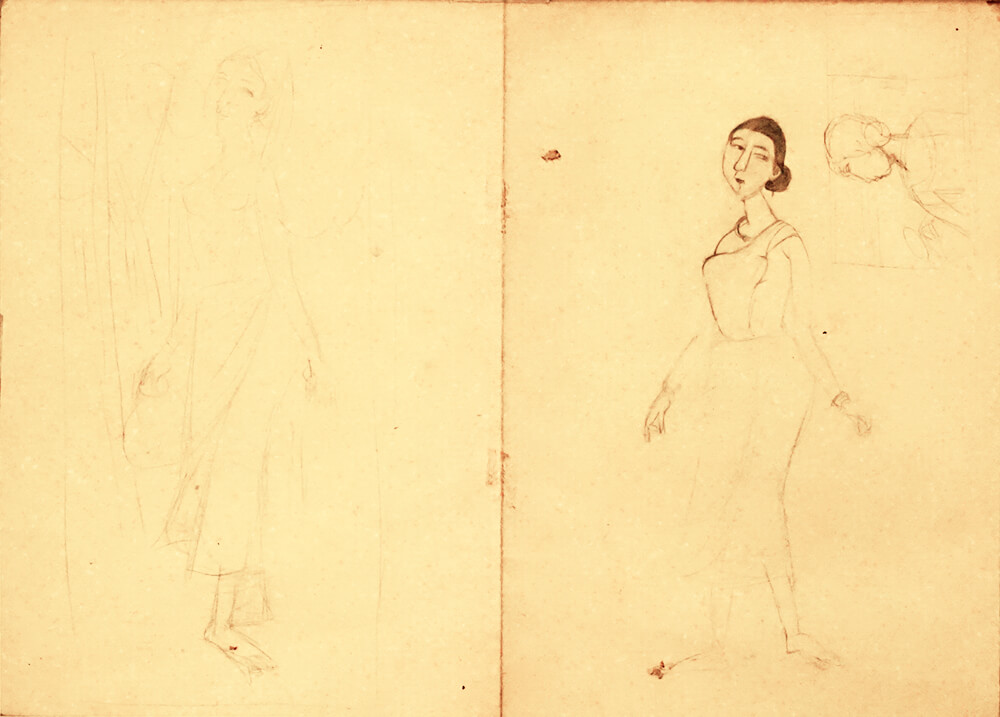
Women are a recurring theme in Quamrul Hassan’s drawings and paintings. In this 1973 sketch he once again went back to his favourite subject. With the depiction of two women – one complete and the other not fully realized – the artist seems to be trying out different postures in order to prepare for big-format paintings. This piece consists of two facing pages out of a sketch book. As for the subject matter explored, to visibilize women is one important task in this part of the world. Through his paintings, prints and drawings, Quamrul had successfully created opportunities to make women appear in many different roles, but mostly as representatives of the people in the Bengal delta. He used to infuse the idea of Bengal with the age-old sense of beauty and personhood, in his hand women come off as individuals whose lives are being celebrated and beauty is apotheosized.
Art Style
Quamrul Hassan is famous for his radical style of art in which he successfully melded rural heritage with Picassoesque method of ‘dehumanization’ to arrive at his own imageries. His political stance fed his artistic philosophy and made him one of those rare breeds who can simultaneously negotiate beauty and criticality. Quamrul is responsible for the political turn in art in the early 1970s, when in the newly independent country society was at a crossroads. He was part of the struggle for an independent Bangladesh and his take on the rise of an isolated bourgeois class in the newly-independent country inspired him to take up drawing and wood engraving to aim his critical images at the emerging power structure. However, as an artist he made his name for some of the abiding masterpieces that provide a sanguine view of rural life in the riverine delta, a glimpse into the everyday realties.
Gallery
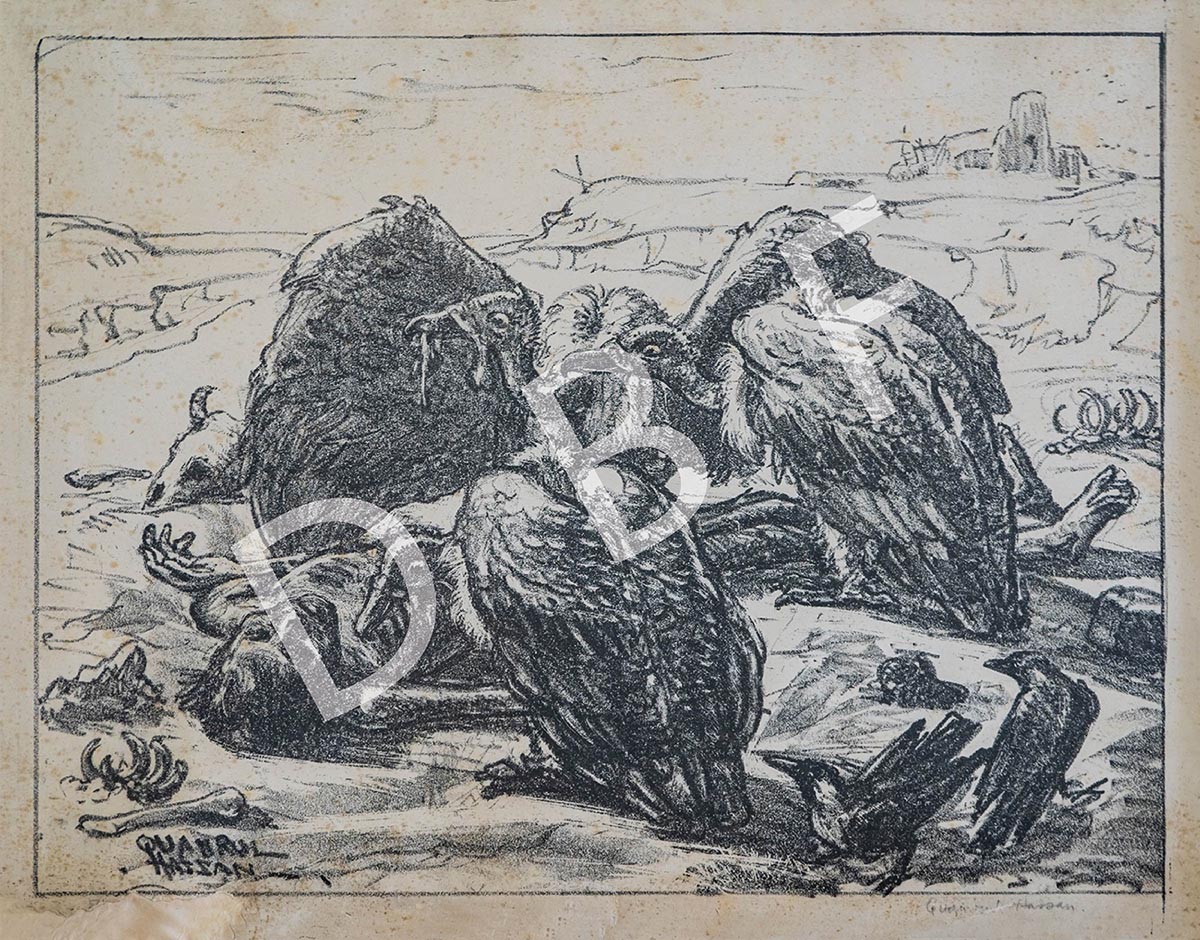
Artist: Quamrul Hasan
Title: The End
Size: 12 x 14 inch
Media: Lithograph
Year: 1958
Title: The End
Size: 12 x 14 inch
Media: Lithograph
Year: 1958
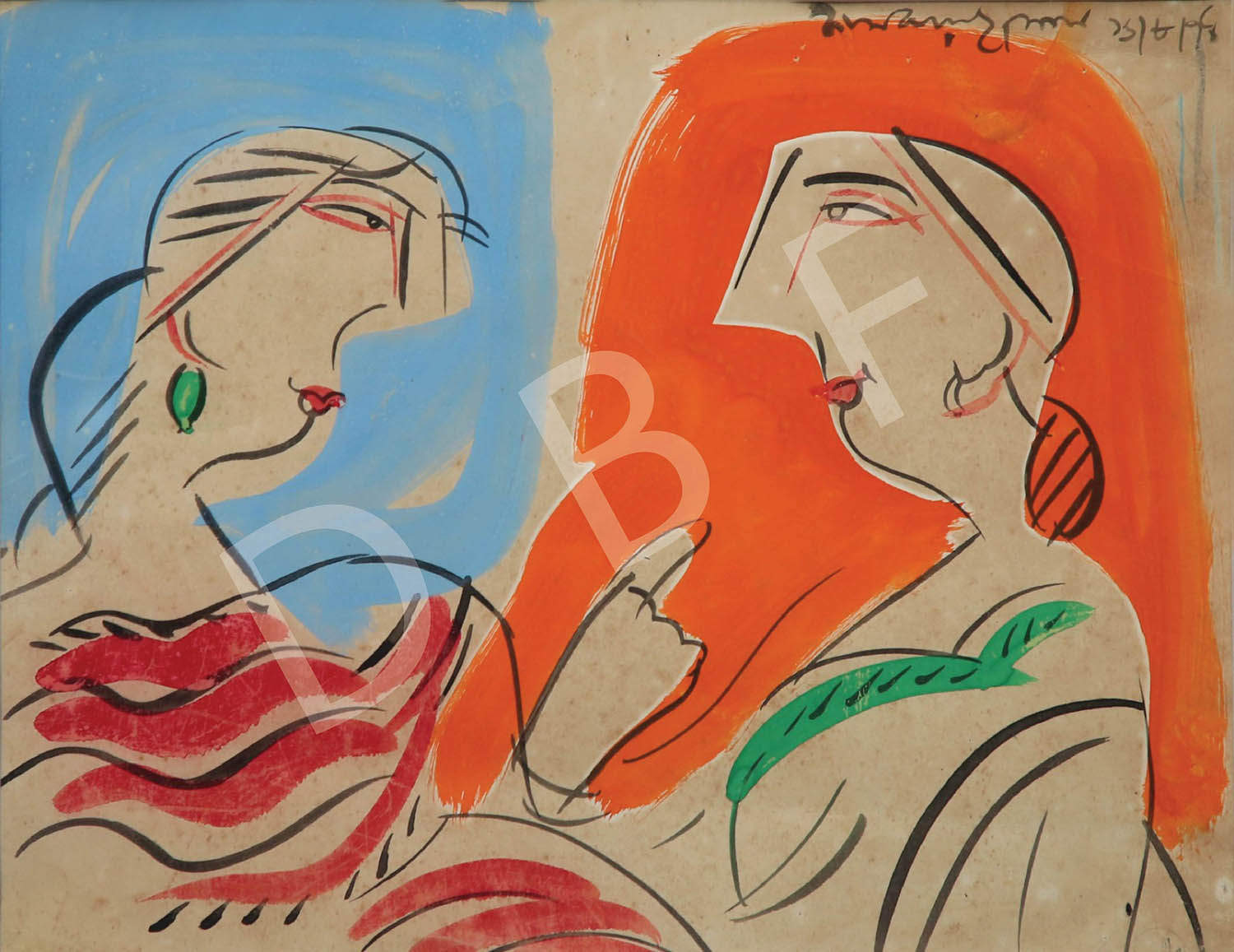
Artist: Quamrul Hasan
Title: Two Women
Size: 10.5 X 13.75 inch
Media: Water Colour
Year: 1976
Title: Two Women
Size: 10.5 X 13.75 inch
Media: Water Colour
Year: 1976
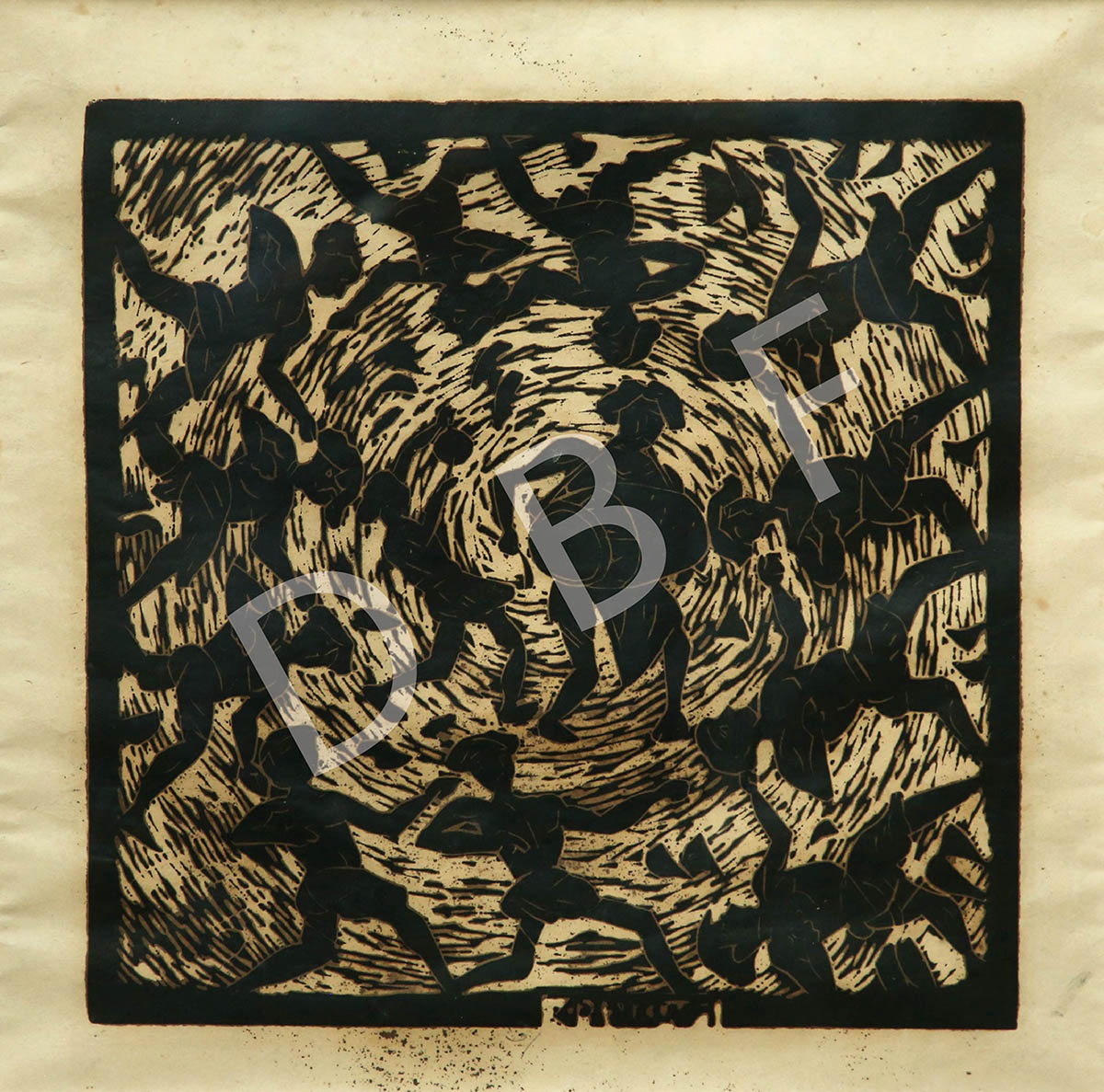
Artist: Quamrul Hasan
Size: 14 X 14 inch
Media: Lithograph
Size: 14 X 14 inch
Media: Lithograph
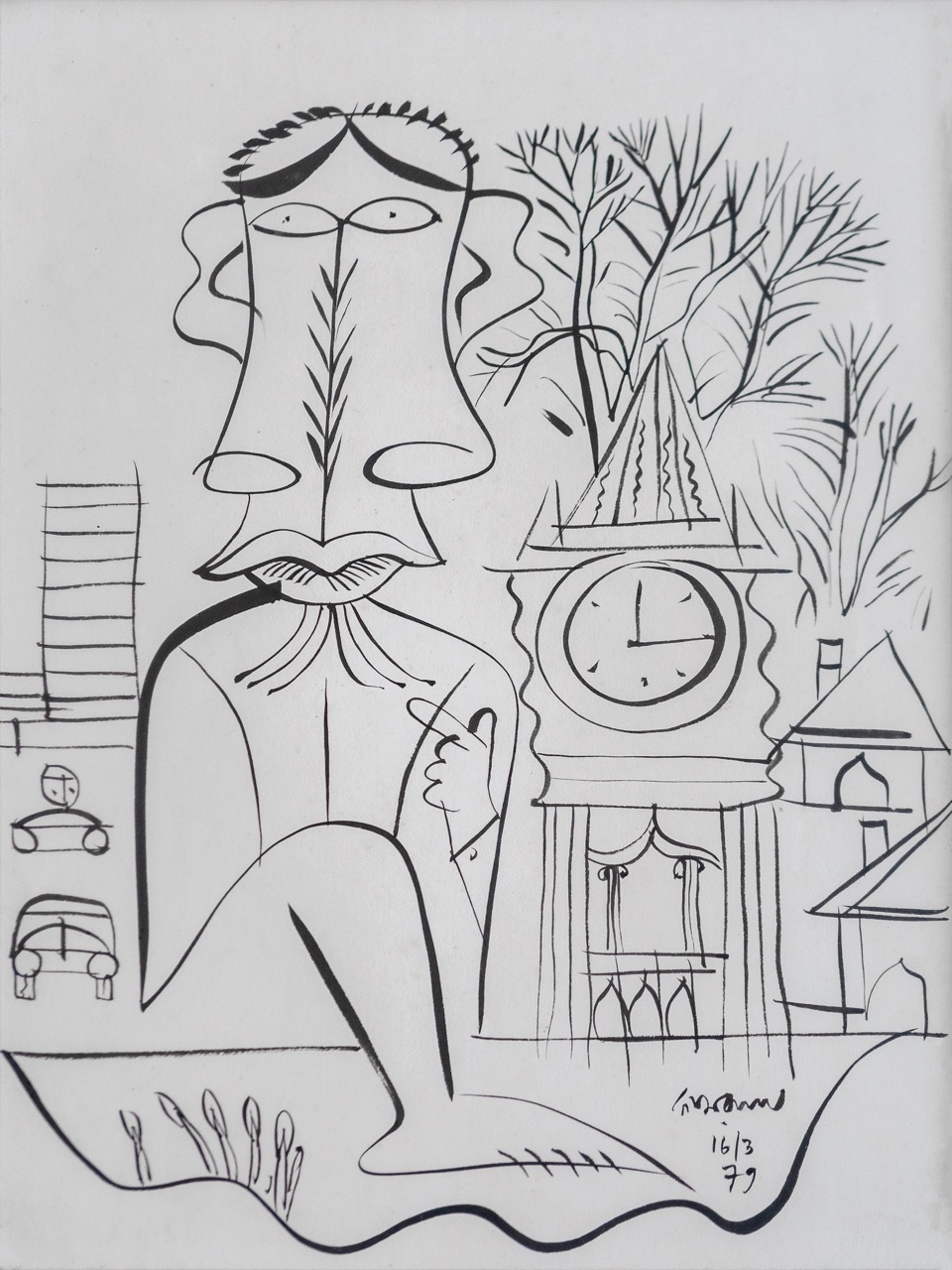
Artist: Quamrul Hasan
Title: Drawing-1
Media: Brush and ink on paper
Size: 8 X 11 inch
Year: 1979
Title: Drawing-1
Media: Brush and ink on paper
Size: 8 X 11 inch
Year: 1979
Artist: Quamrul Hassan
Title: Untitled
Size: 12″ X 18″
Year: 1973
Title: Untitled
Size: 12″ X 18″
Year: 1973
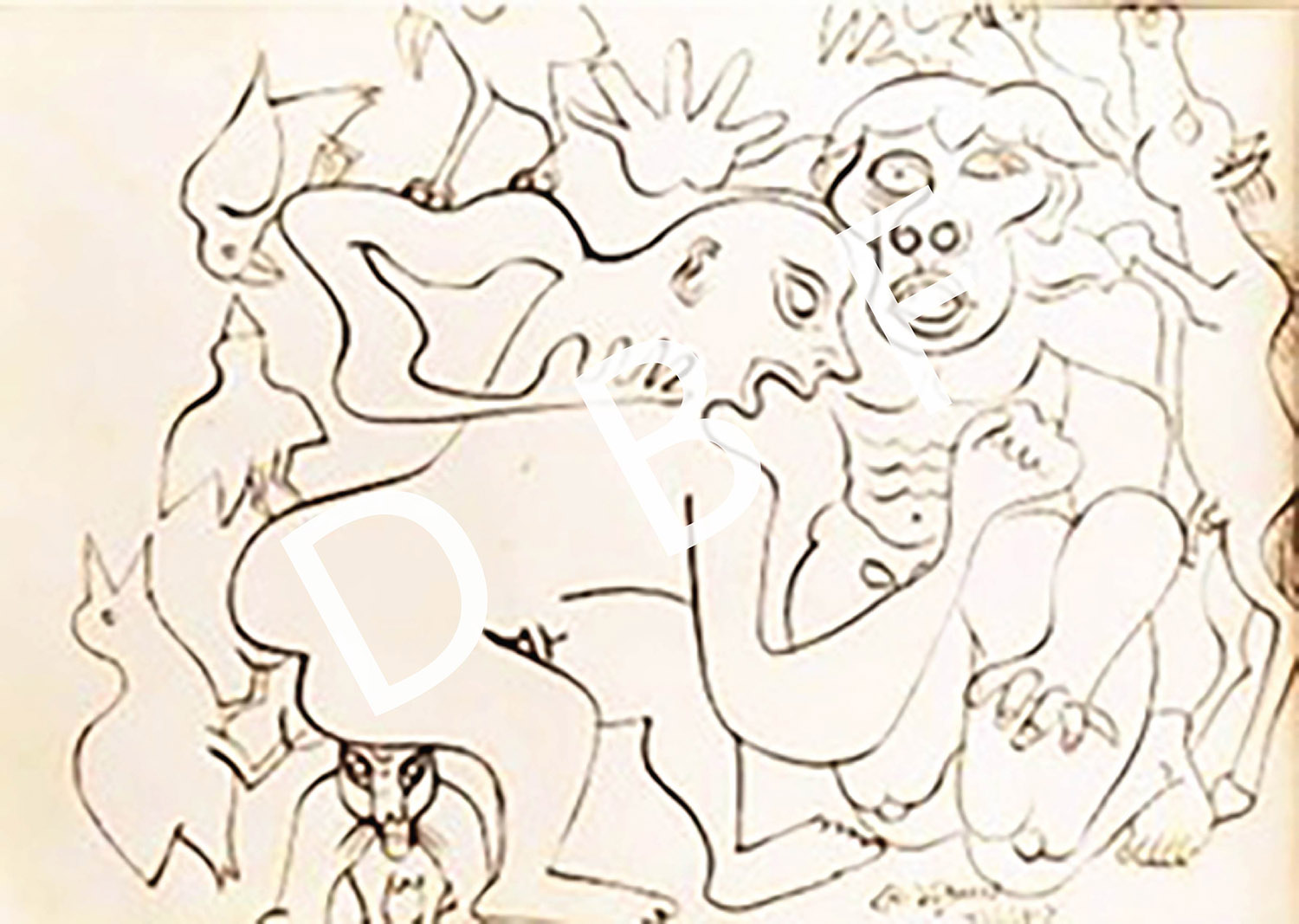
Artist: Quamrul Hasan
Title: Drawing-2
Media: Ink on paper
Size: 9 x 7 inch
Year: 1982
Title: Drawing-2
Media: Ink on paper
Size: 9 x 7 inch
Year: 1982
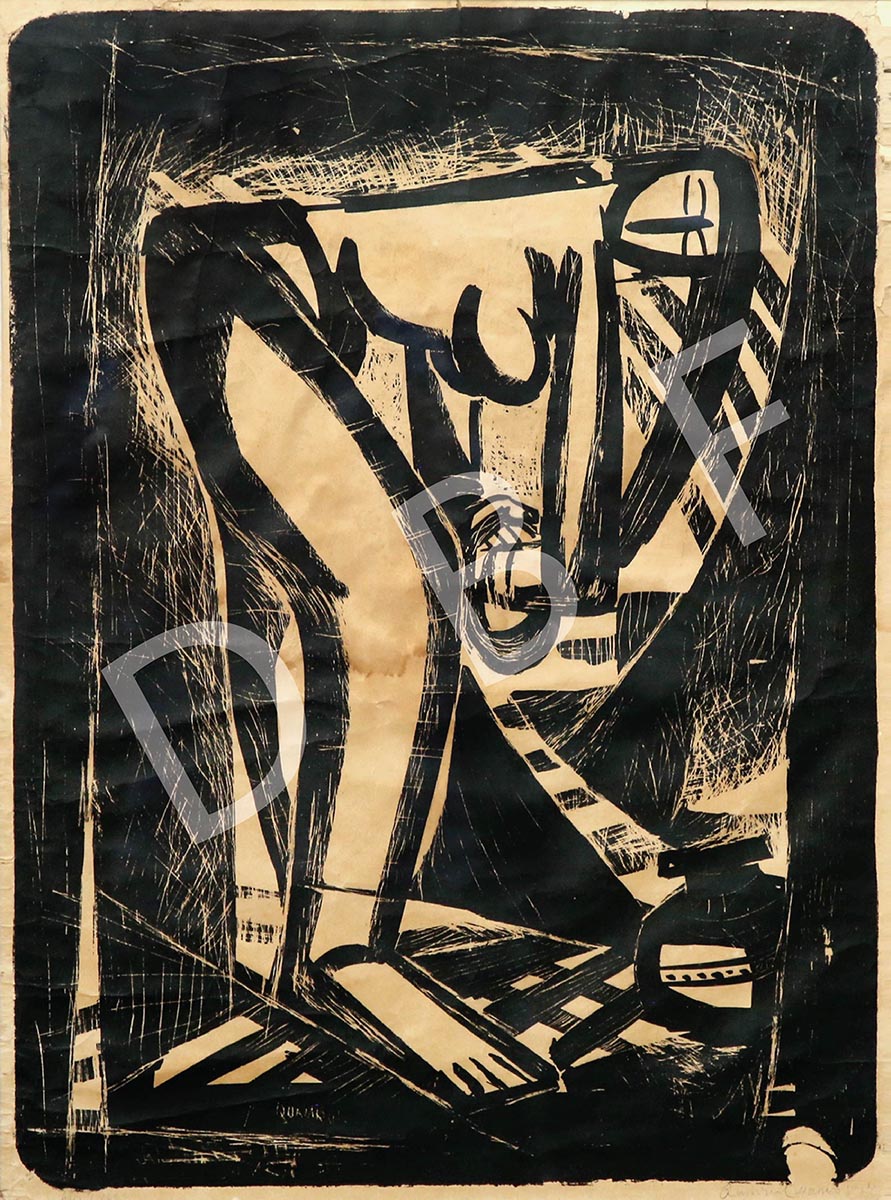
Artist: Qaumrul Hasan
Title: After Bath
Size: 29.5 X 21.25 inch
Year: 1958
Media: Lithograph
Title: After Bath
Size: 29.5 X 21.25 inch
Year: 1958
Media: Lithograph
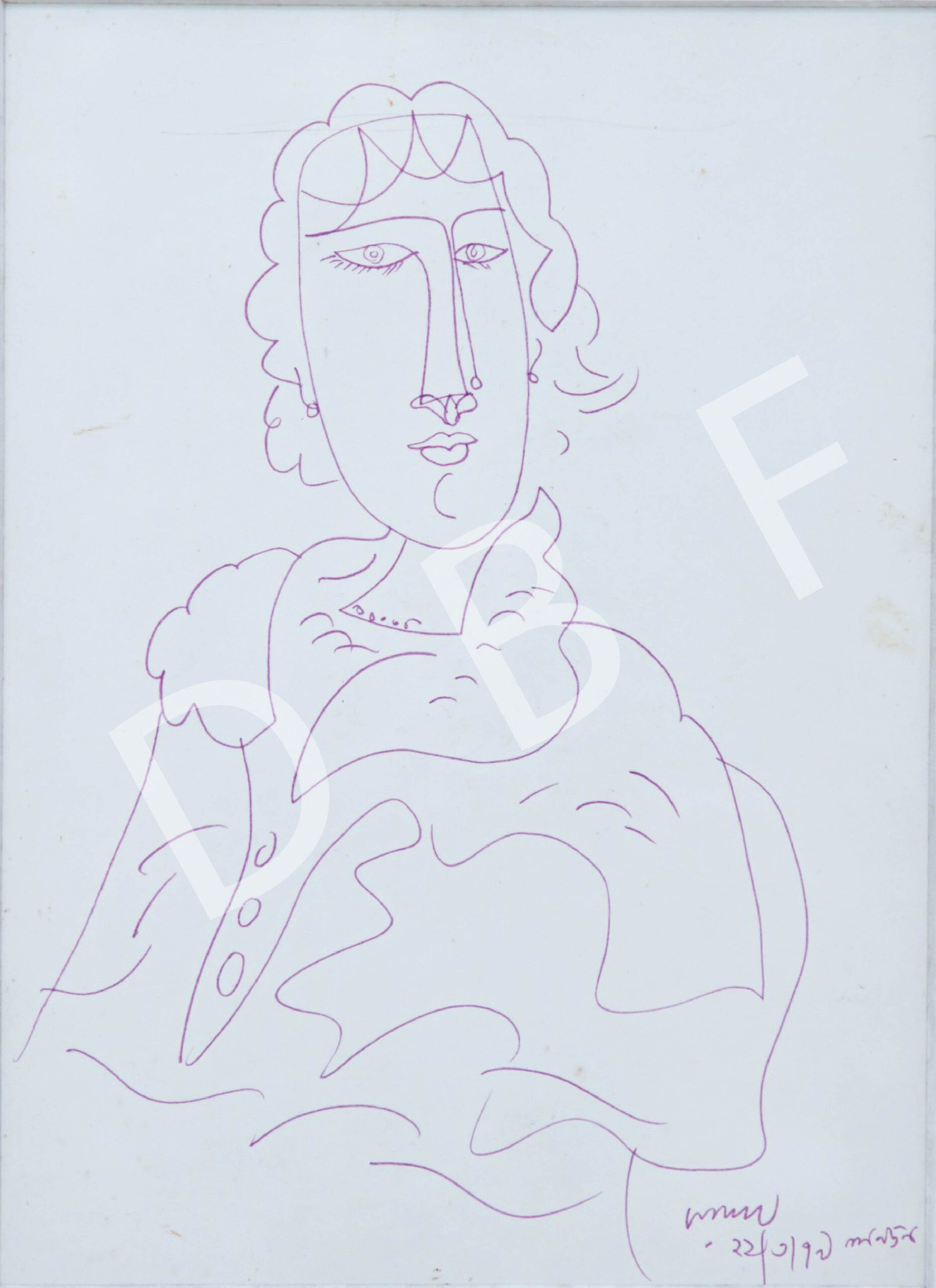
Artist: Quamrul Hasan
Title: London
Size: 7 X 5 inch
Year: 1964
Title: London
Size: 7 X 5 inch
Year: 1964
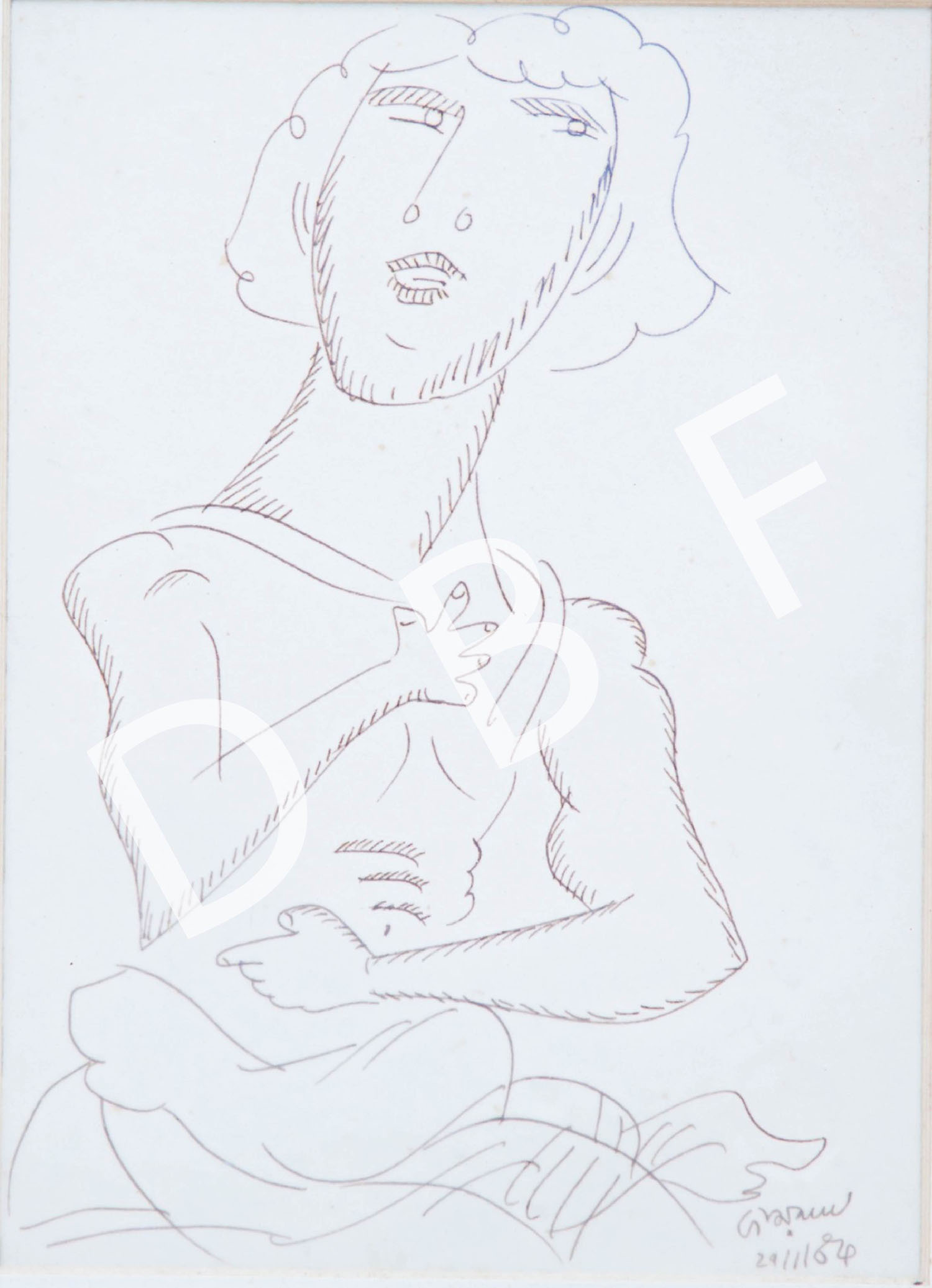
Artist: Quamrul Hasan
Size: 8 X 11 inch
Year: 1979
Size: 8 X 11 inch
Year: 1979
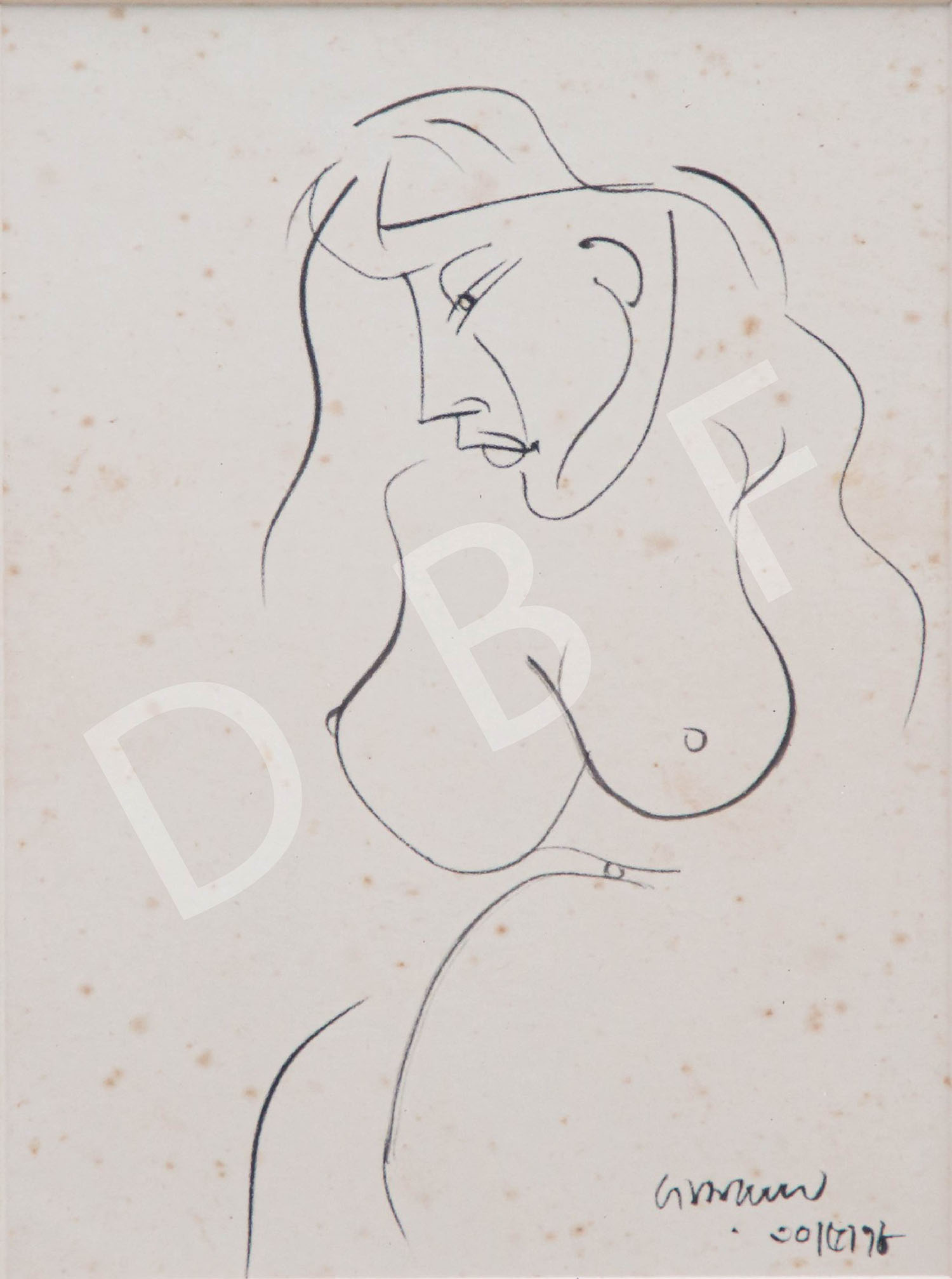
Artist: Quamrul Hasan
Size: 5.5 X 7.5 inch
Year: 1978
Size: 5.5 X 7.5 inch
Year: 1978
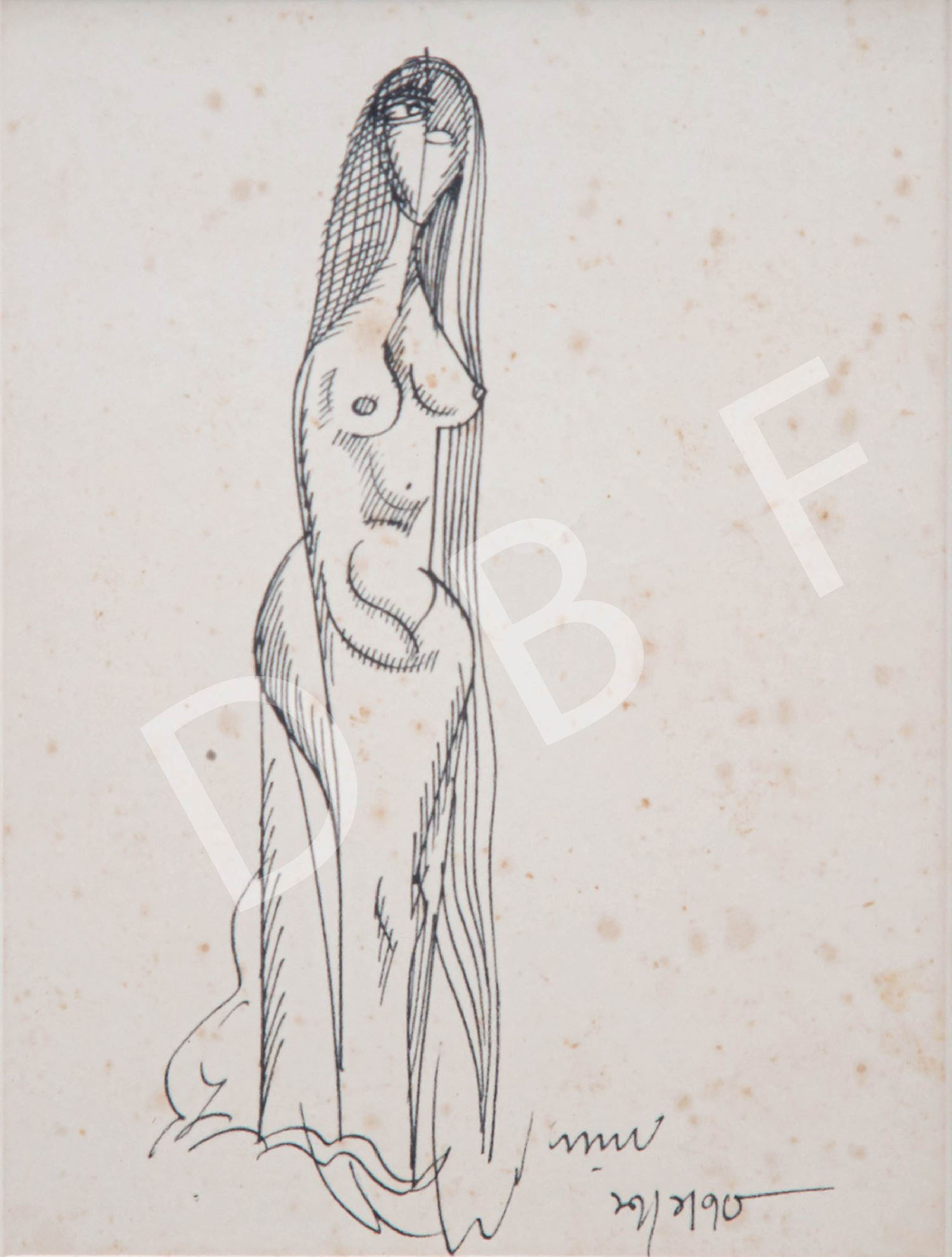
Artist: Quamrul Hasan
Size: 5.5 X 7.5 inch
Year: 1970
Size: 5.5 X 7.5 inch
Year: 1970
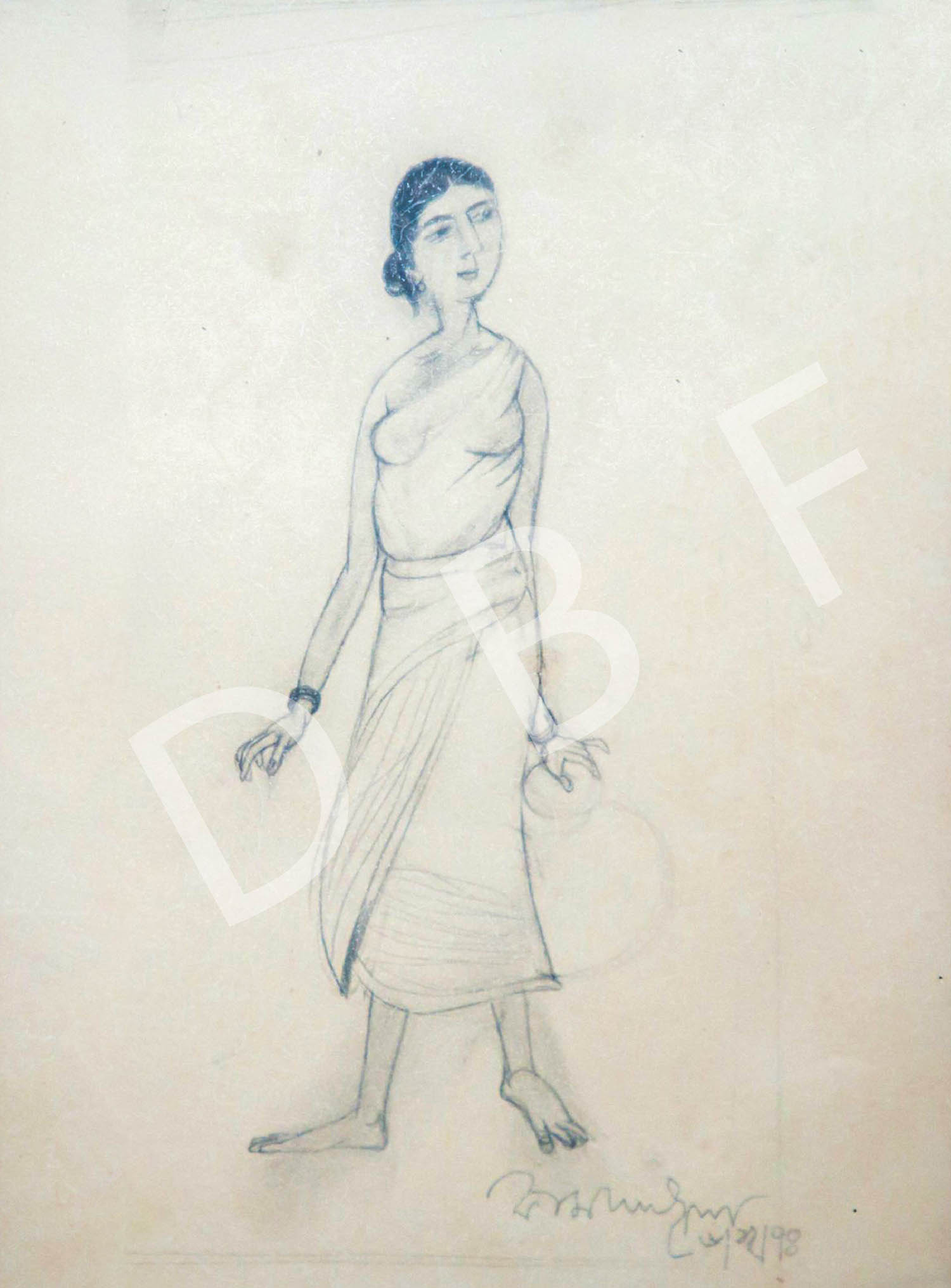
Artist: Quamrul Hasan
Size: 10 X 8 inch
Year: 1974
Size: 10 X 8 inch
Year: 1974
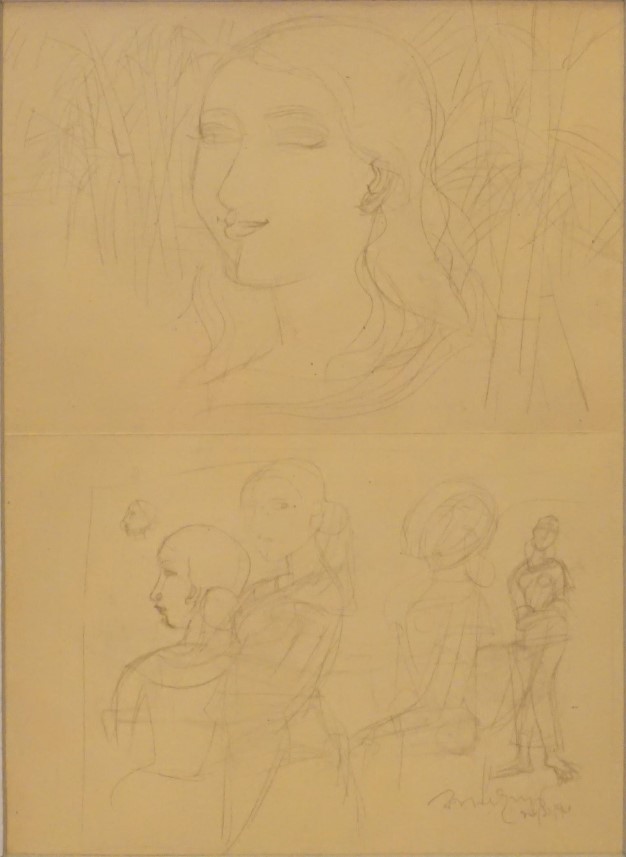
Artist: Quamrul Hasan
Size: 15 X 11 inch
Year: 1973
Size: 15 X 11 inch
Year: 1973
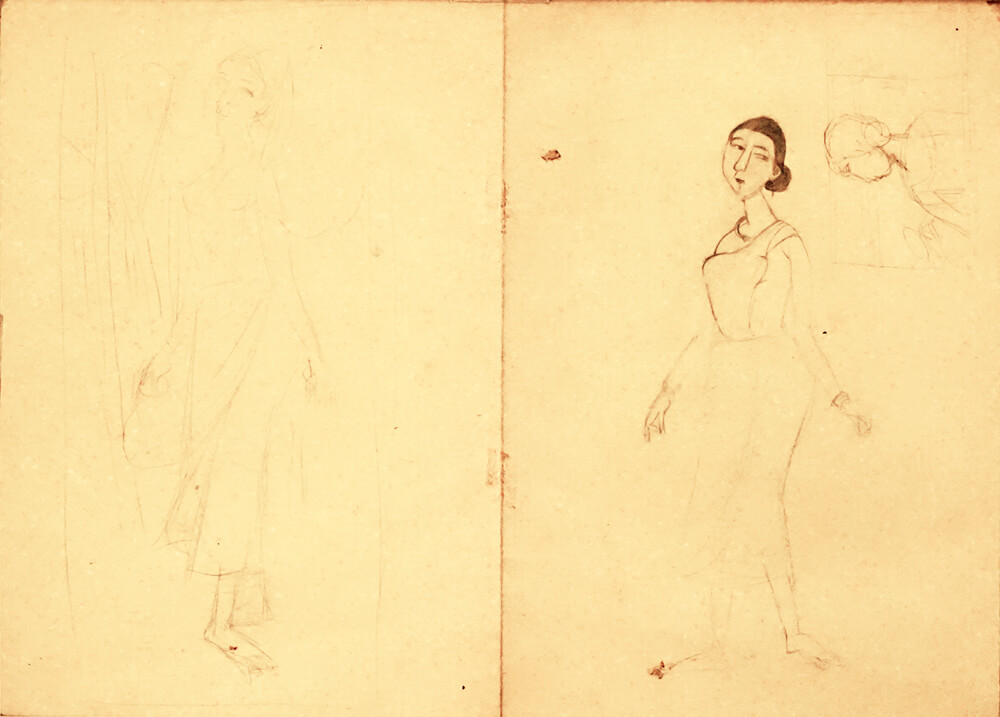
Artist: Quamrul Hasan
Title: Untitled
Medium: Pencil
Year: 1973
Title: Untitled
Medium: Pencil
Year: 1973