
“Escape” seeks to play on the idea of uncertainty about human destiny. Humans are inherently conflicted beings, especially at times when their sense of duty and desire cannot be easily reconciled. In this 1991 painting, Shahabuddin Ahmed paints a picture of a departing man who is stepping towards an unknown space. Though it seems that he is progressing towards light, the male body developed through the application of oil gestures, with its slightly burly structure and an almost absent head, fails to signal hope. He is in the process of retreating from life. Perhaps, destiny eludes him as he searches for a sense of purpose. To survive the ebb and flow of life is to have the courage to see beyond the fears of losing oneself in the swirls of things. So, when a disenfranchised individual fails to secure his or her own place in the world, there emerges the urge to depart, to escape. This work, thus, brings into view the emotional temperature of that moment when things have not worked out for someone. The colours, the gestural aspect, the half-finished hands and the absence of a proper head lend this image a sense of foreboding.

Shahabuddin Ahmed
Escape


Victory
Shahabuddin painted “Victory” sixteen years after the independence of Bangladesh. One who fought at war as a muktijoddha, or freedom fighter, years after independence, as a major painter of the country, he lets us know that winning a war is not all joy and celebration but also associated with frustration, loss and an endless cycle of pain as memories are hard to deal with. The colour red externalizes the horrors of war, the bloodshed one has witnessed in the battlefield. The memory of the hurdles that one had to pass is perhaps inscribed into the body that the artist presents in oil gestures, pale-white and as such reminiscent of death. This uniquely incomplete figural motif, as it appears from the depth of nowhere while trying to push through one last barrier to reach its final destination, annunciates victory. The boldness with which Shahabuddin has painted the body without revealing most of its part, the gestures that suggest the presence of the splayed hands and the knee of the leg that confronts the viewers, together encapsulates the agony and ecstasy of victory.
Movement
“Movement” is a 1994 oil on canvas by Shahabuddin Ahmed. The painting shows a man in action, placing him in the “here and now” to examine the truth of his being and also to reveal his resolve to stay focused on his destiny. Life is often measured by movement in time and in place. The blurry lines of the figure and the beige background, the artist’s signature colour, reveal to us a motivated being in motion. As usual, Sahabuddin’s painterly technique makes the image even more compelling. He let the viewers see it as a symbol of a modern man caught in his daily struggle for crossing myriad thresholds. As is his wont, Shahabuddin gives life to his figural motif without paying much attention to the contour lines, which makes the image all the more appealing to the eye, charged as it is by an emotive power that the artist always draws from his memory of the war he fought shoulder-to-shoulder with his fellow freedom fighters in 1971.


Reminiscent of Liberation
Shahabuddin’s stylistic awakening can easily be determined in reference to time and place. He was exposed to the figurative paintings of Europe during his study in France. He also carried with him the idea of the “man of the soil” from the Bengal delta, which he could rework once he began to frame his language of expression following his exposure to modern European masters. Shahabuddin was granted a French government scholarship to study at Ecole des Beaux-Arts in Paris in 1974. As he began to see his paintings as vehicles of collective passion that accreted around the idea of independent Bangladesh, he started to give shape to a certain figural motifs developed in sweeps of paint-heavy brushes. Having experienced the atrocities of war first hand, Shahabuddin began to perceive his identity and artistic freedom in the light of the legacy of the Liberation War. This particular work is a unique piece in which figures have detached from the land and are floating across the visual field, symbolising unity and freedom.
Artist Art Style
Shahabuddin Ahmed’s style is forever attached to his dynamic figural motifs. In most of his works humans are seen in movement across a decontextualised space. His iconic alpha males are freedom fighters and they have been conceived as spirited beings who have never lost sight of their destiny. There are exceptions, but the predominant tenor of his work is the glorification of the freedom fighters. The distinctiveness of his idiom stems from his use of oil paint – which is applied to achieve thickness, lending a sense of depth to every image. Shahabuddin’s realism thus veers away from academic naturalism and achieves an expressionism rarely found in Europe and the Indian subcontinent. Perhaps his learnings from baroque art and post-war European figurative painters of global renown informed his works, but his figures, their postures and the space they are painted against, bespeak his unique preoccupation with painterly gesture and the desire to capture the indomitable human energy that makes life possible. His ability to conceive in visual terms the infiniteness of space, against which he places his decontextualized protagonists, makes him an epic storyteller. With the predominance of earthy tones in most of his works, with perhaps a dash of another bright hue, most of Shahabuddin works seem to be guided by what he himself once referred to as “ethereal force”.
Gallery
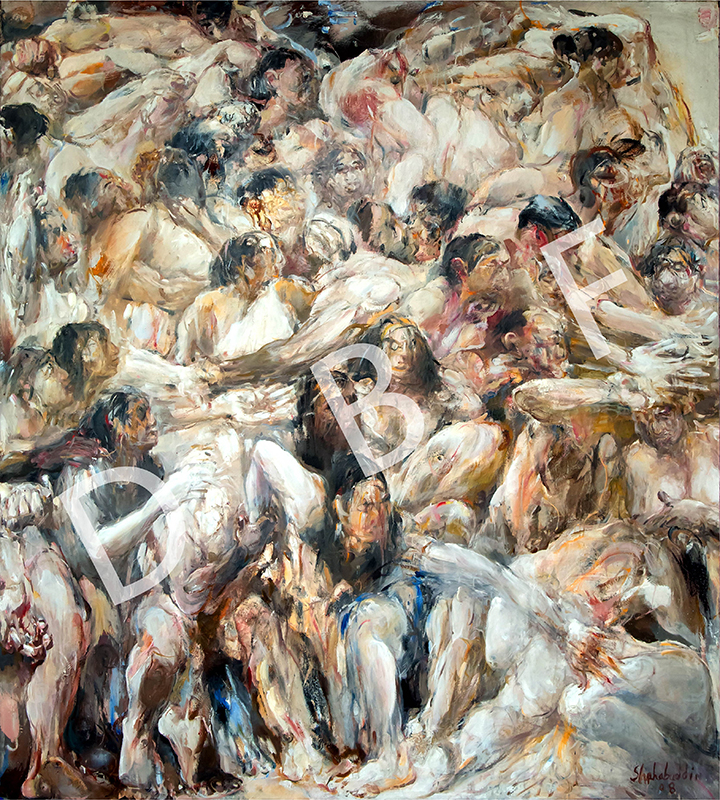
Size: 188x200 cm;
Medium: Oil on Canvas;
Year: 2008
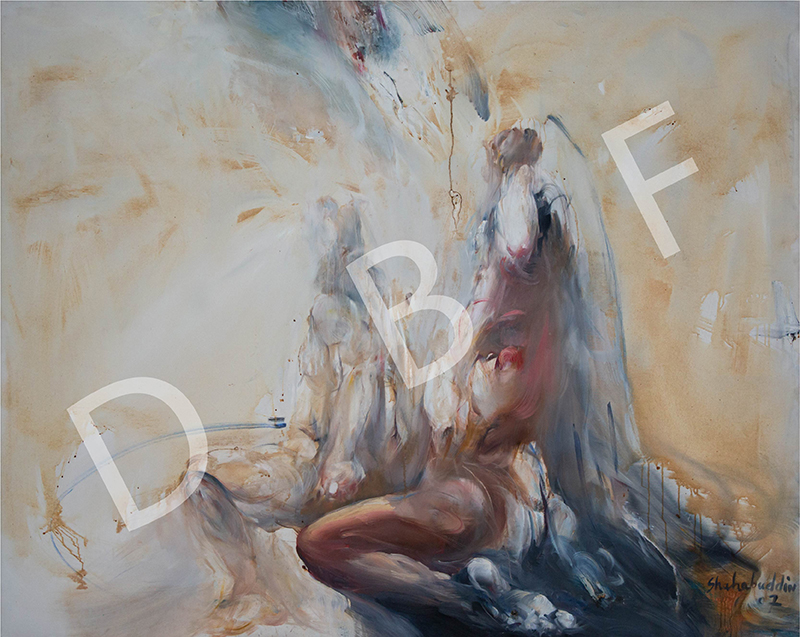
Size: 78.5 X 63 inch;
Medium: Oil on Canvas;
Year: 2007
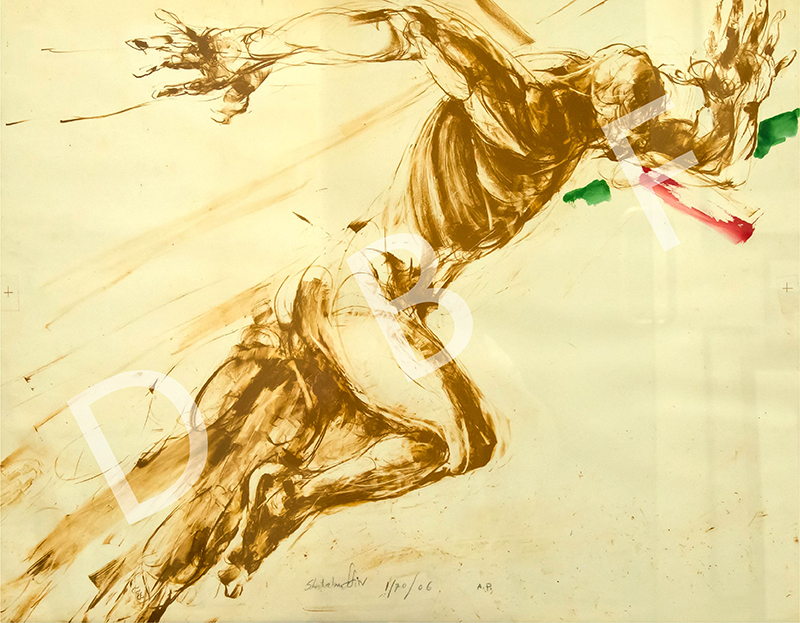
Size: 58x78cm;
Medium: Serigraphy;
Year: 2006
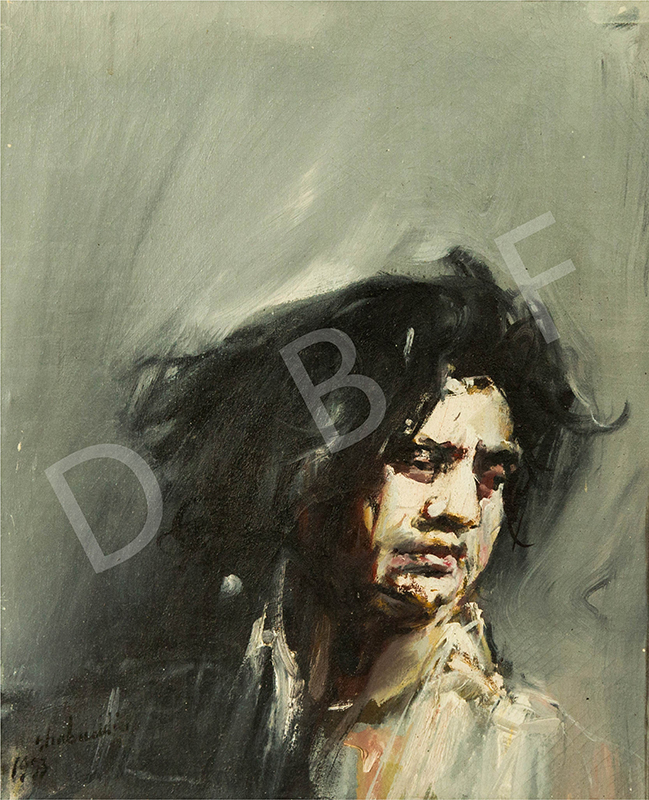
Size: 48X36 cm;
Medium: Oil on Canvas;
Year: 1993
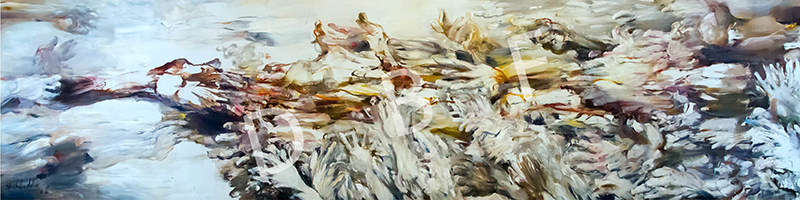
Size: 332x82 cm;
Medium: Oil on Canvas;
Year: 2006
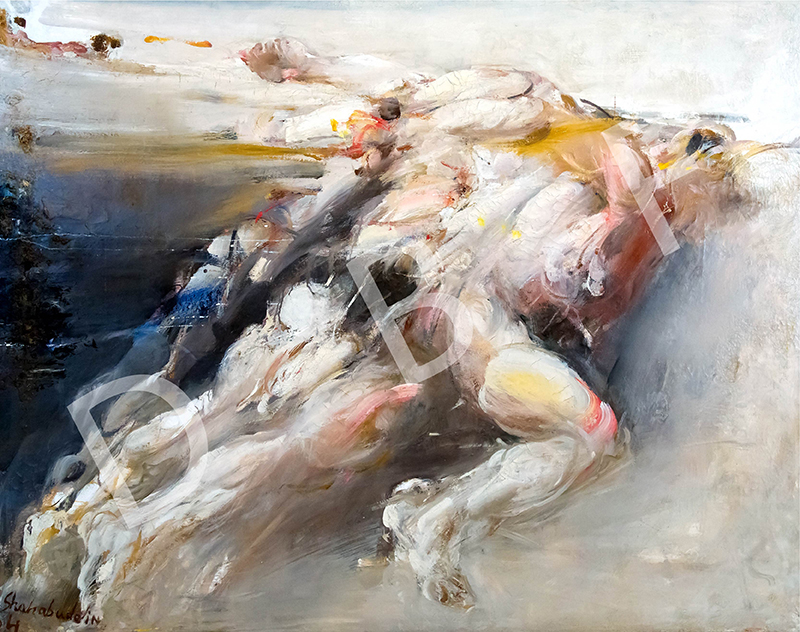
Size: 136x176 cm;
Medium: Oil on Canvas;
Year: 2004
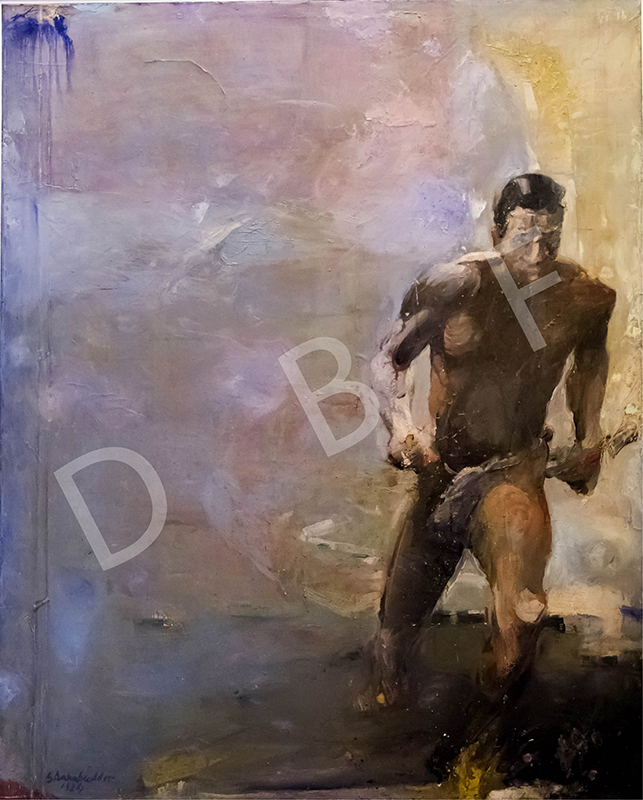
Size: 162x132 cm;
Medium: Oil on Canvas;
Year: 1984
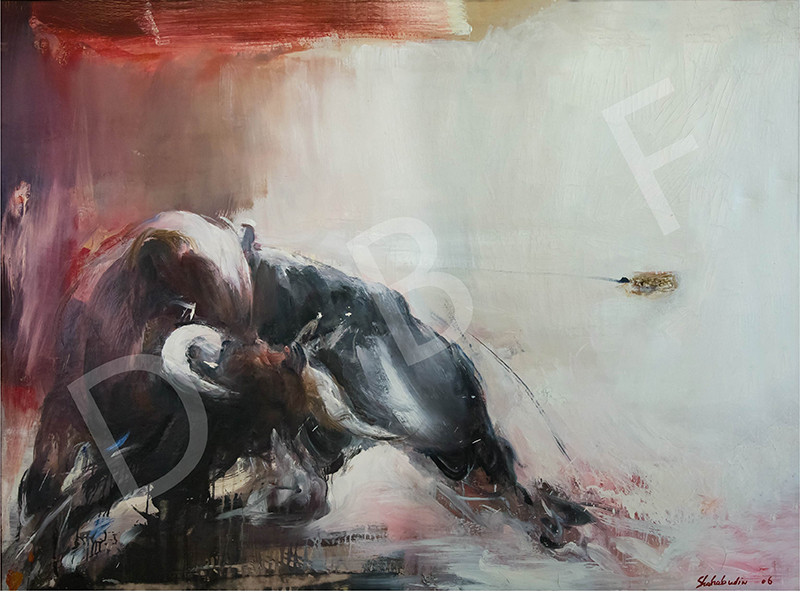
Size: 130x162 cm;
Medium: Oil on Canvas;
Year: 2006
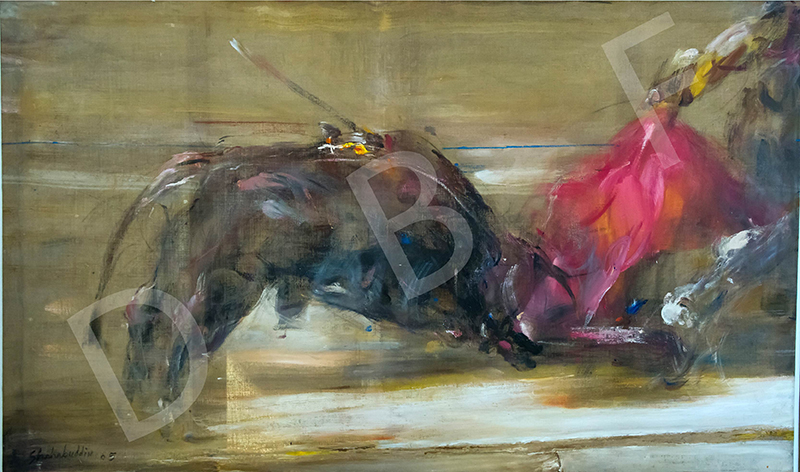
Size: 208x125 cm;
Medium: Oil and acrylic on Canvas;
Year: 2005
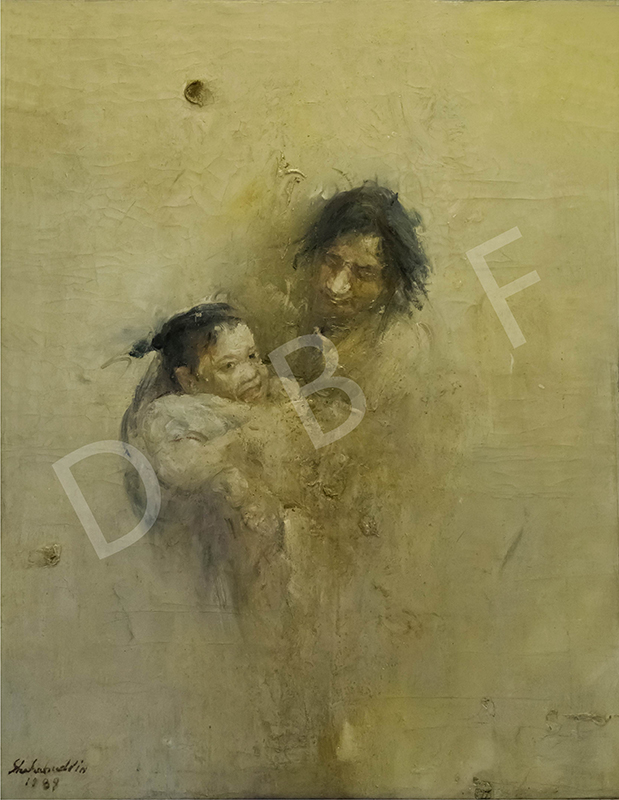
Size: 153x117cm;
Medium: Oil on Canvas;
Year: 1989
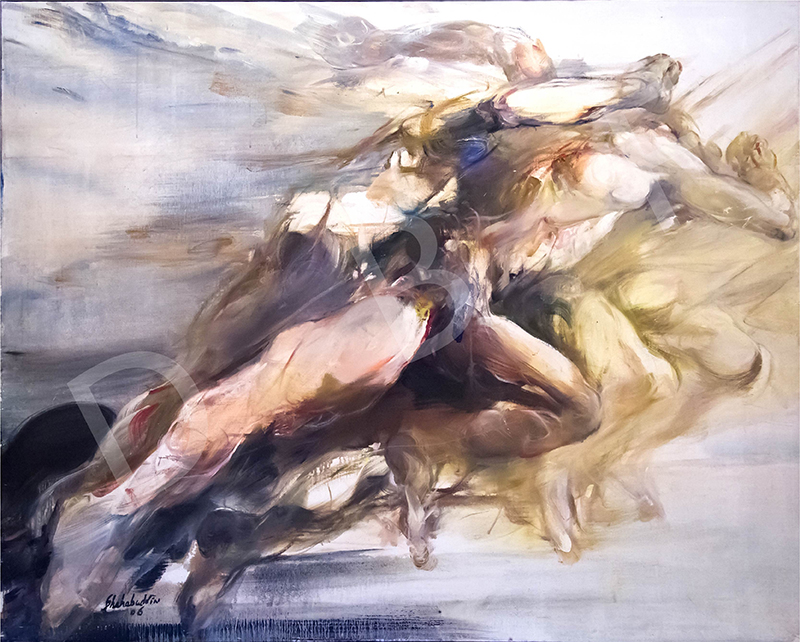
Size: 130 x 162 cm;
Medium: Oil on Canvas;
Year: 2006
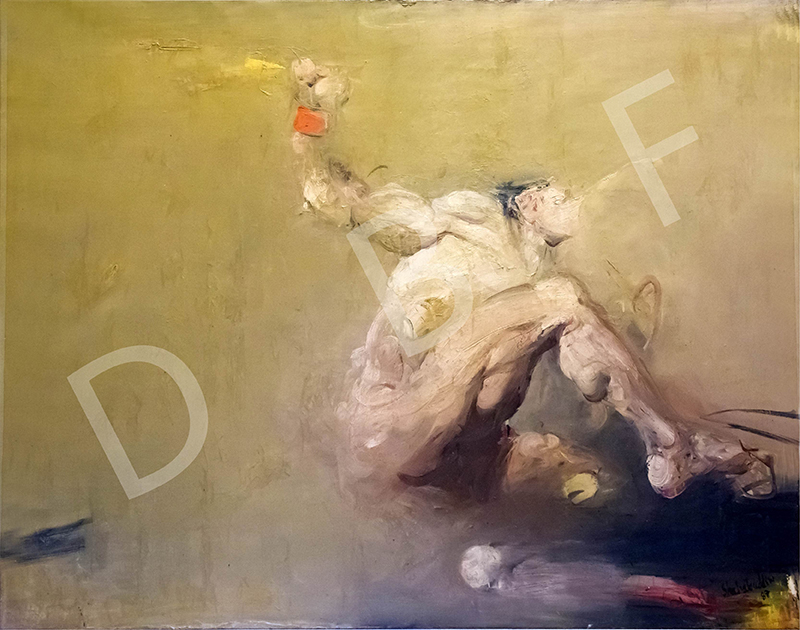
Size: 164x132 cm;
Medium: Oil on Canvas;
Year: 1987
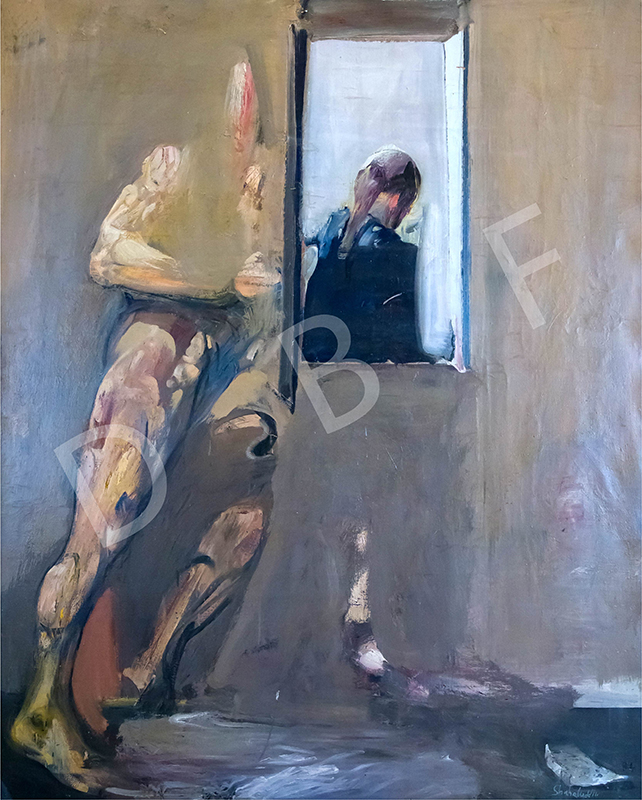
Size: 130x160cm;
Medium: Oil on Canvas;
Year: 1984
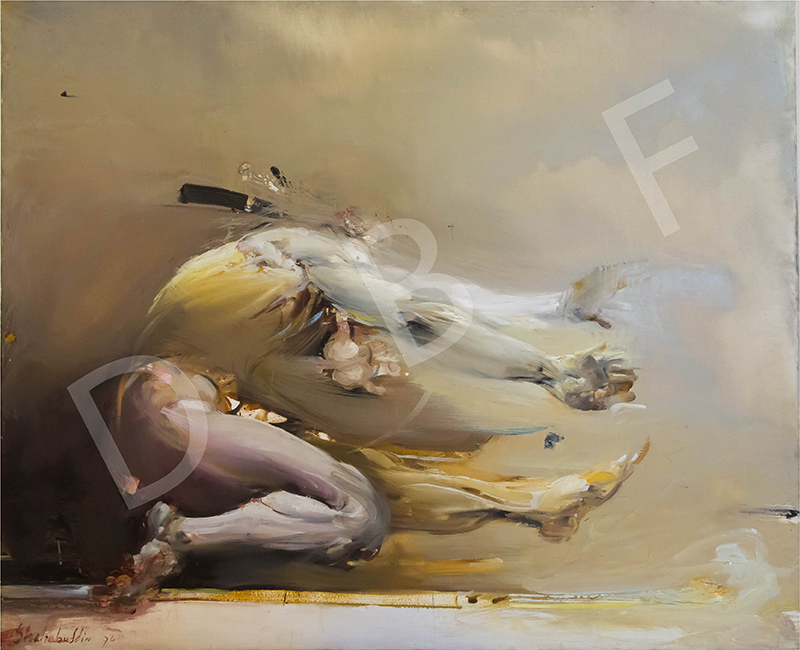
Size: 160x130cm;
Medium: Oil on Canvas;
Year: 1994
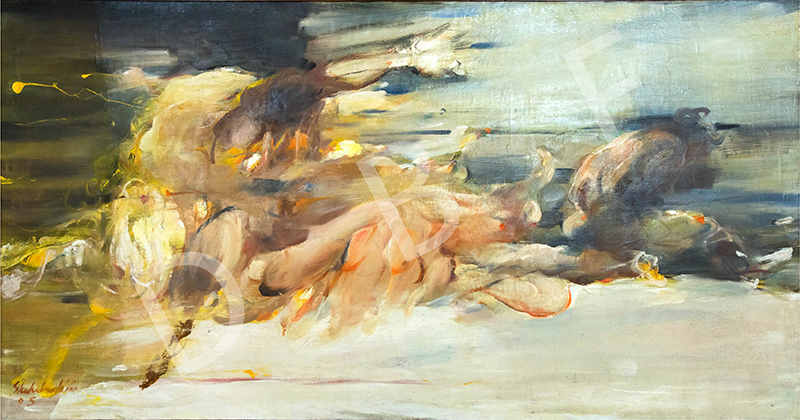
Size: 200x107cm;
Medium: Oil on Canvas;
Year: 2005
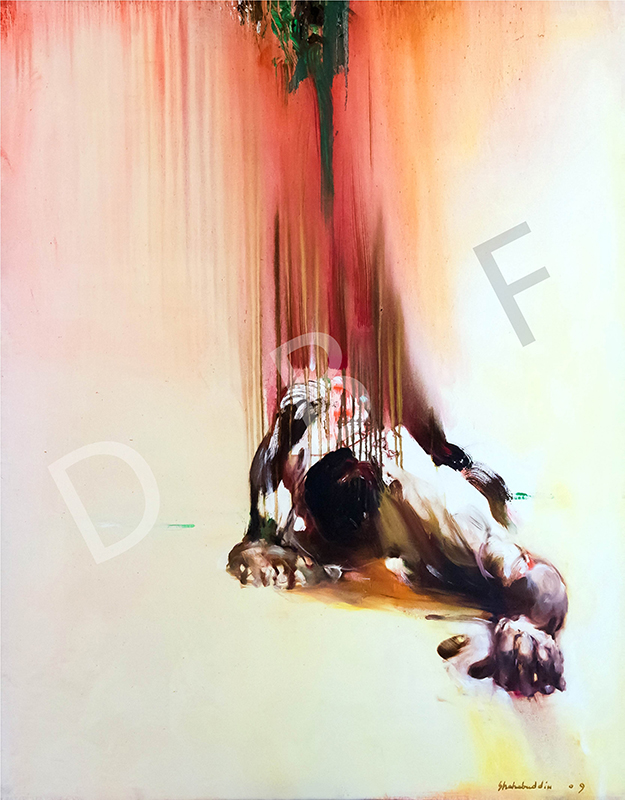
Size: 210x 160cm ;
Medium: Oil on Canvas;
Year: 2009
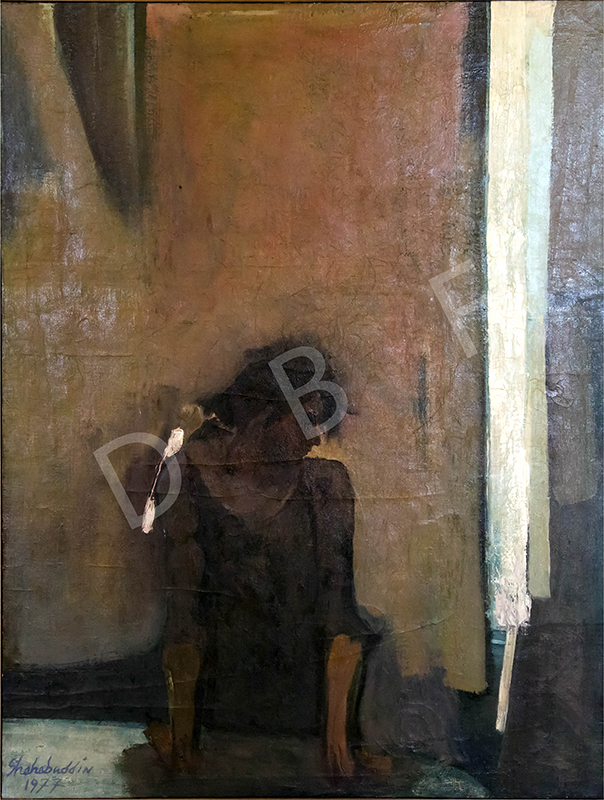
Size: 153x117 cm;
Medium: Oil on Canvas;
Year: 1977
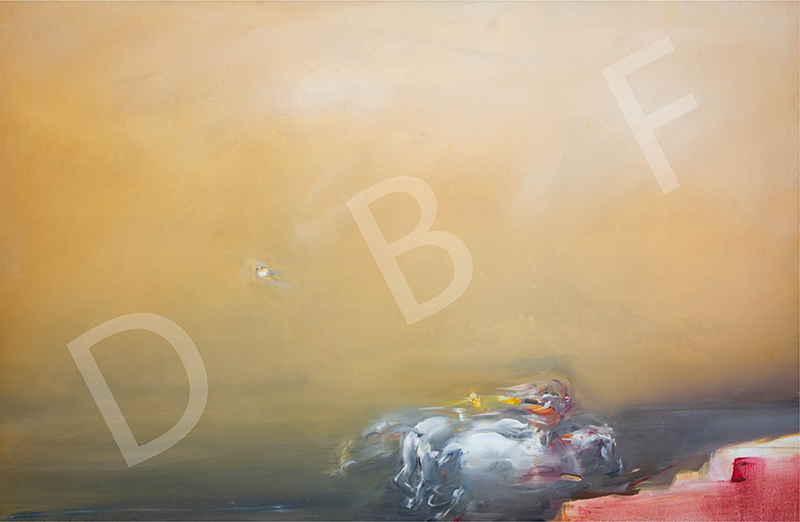
Size: 48 x 72 inch;
Medium: Oil on Canvas;
Year: 2007
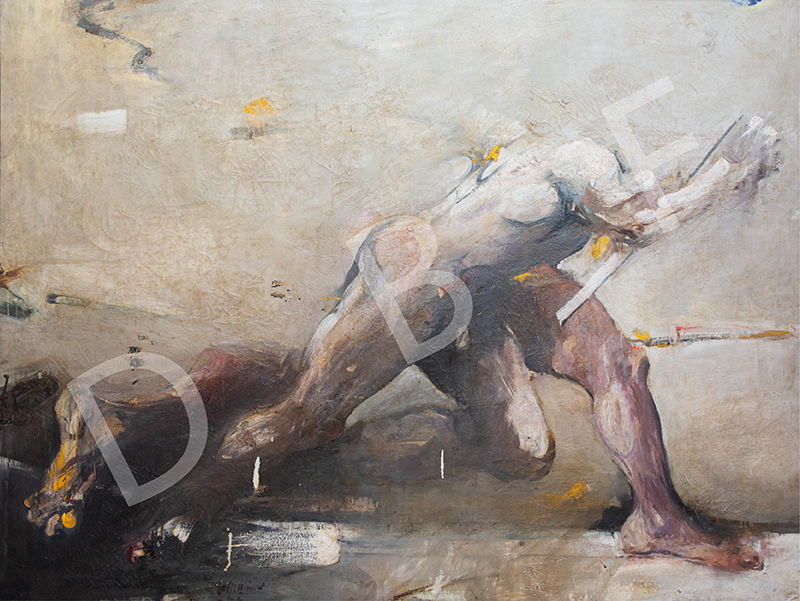
Size: 75 X 56.75 inch;
Medium: Oil on Canvas;
Year: 1986
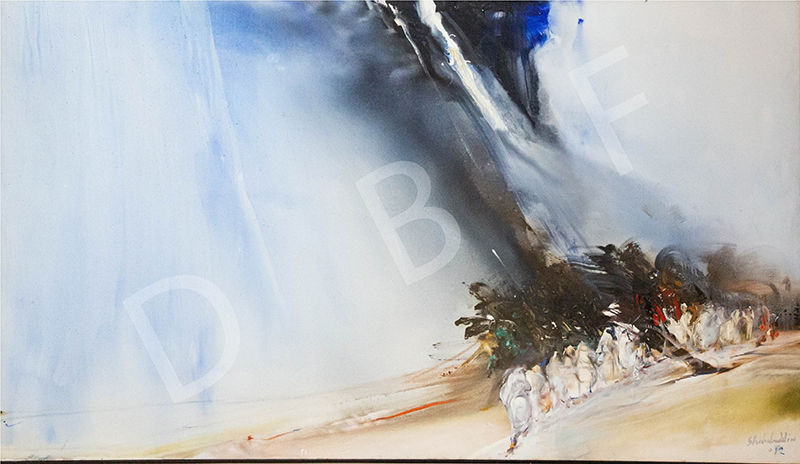
Size: 45 X 76.75 inch;
Medium: Oil on Canvas;
Year: 2012
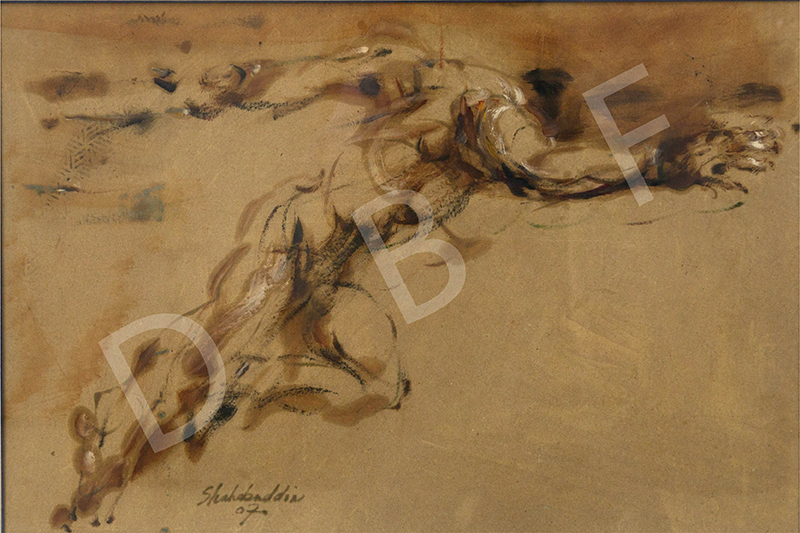
Size: 44x64cm;
Medium: Water Colour;
Year: 2007
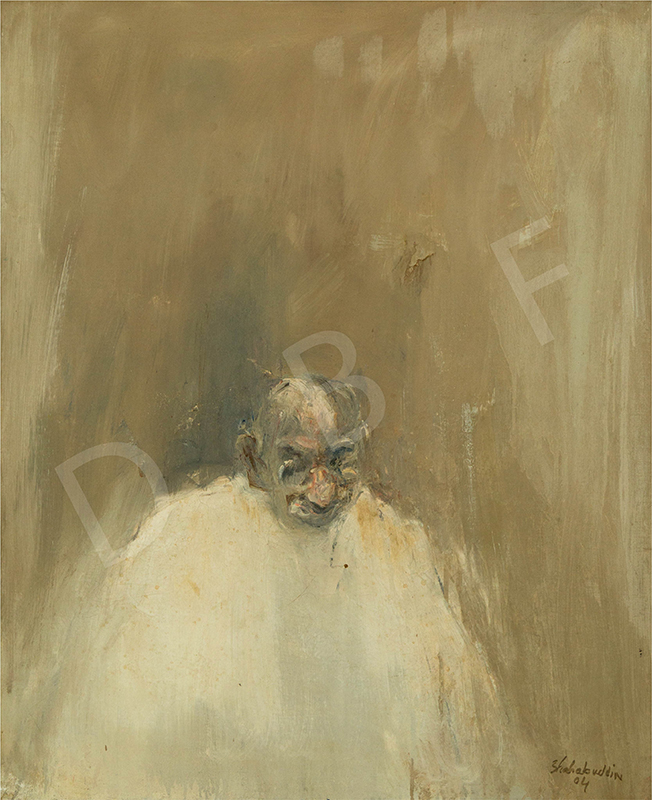
Size: 103x84cm;
Medium: Oil on Canvas;
Year: 2004
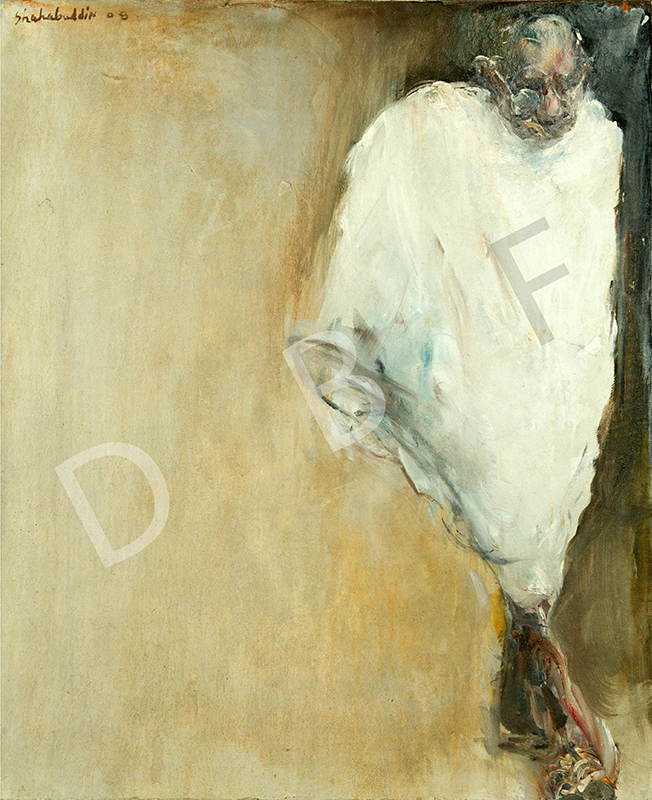
Size: 95x75cm;
Medium: Oil on Canvas;
Year: 2008
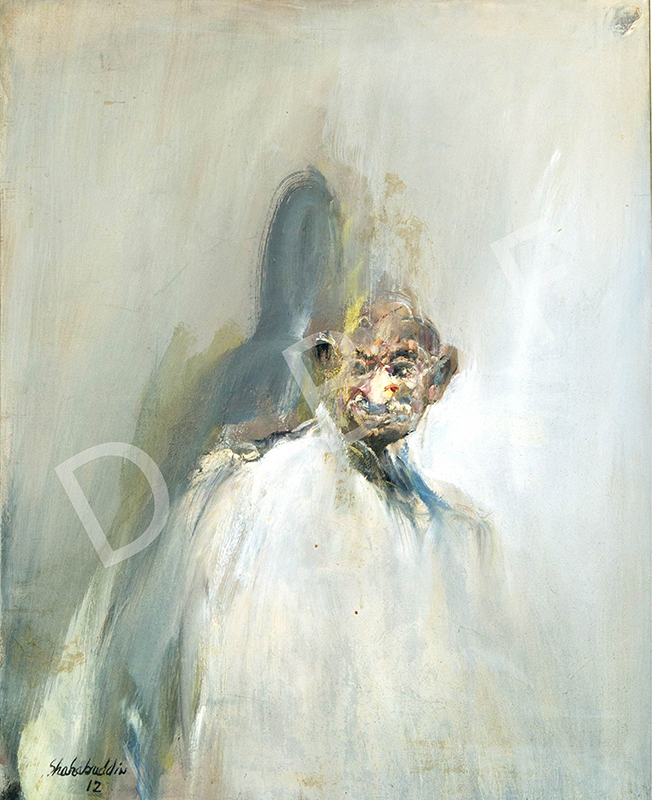
Size: 103x84cm;
Medium: Oil on Canvas;
Year: 2012
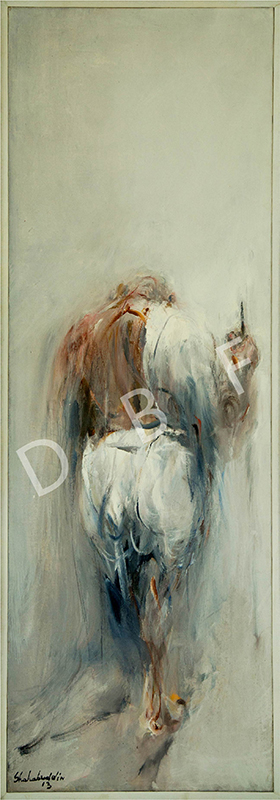
Size: 153x53cm;
Medium: Oil on Canvas;
Year: 2013
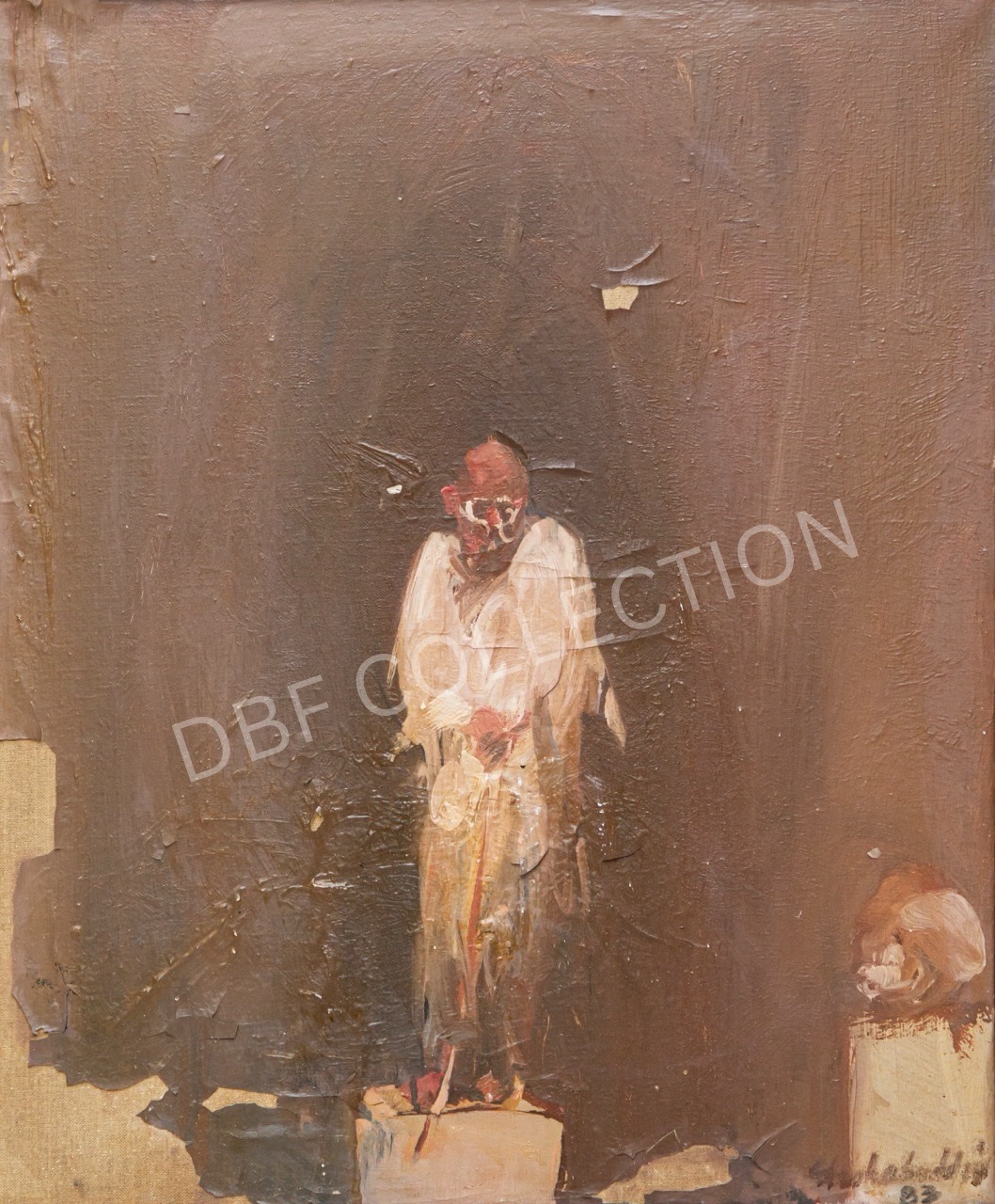
Title: Mahatma Gandhi
Size: 55 X 45 cm
Year: 1983
Media: Oil on canvas
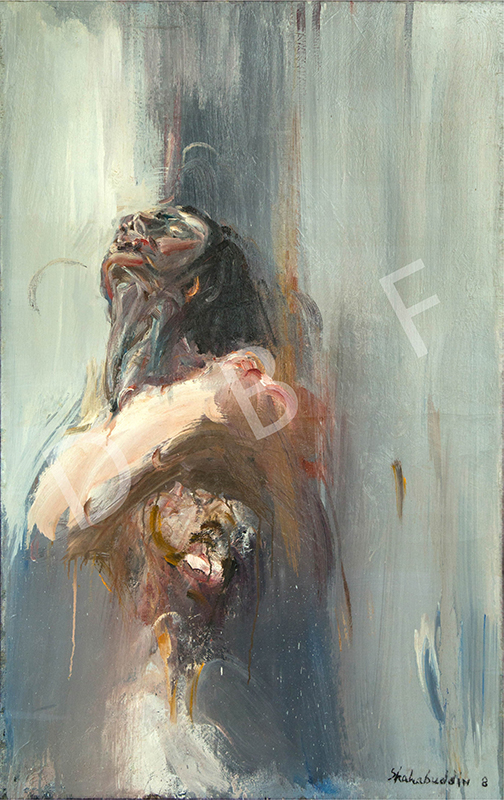
Size: 117x75cm;
Medium: Oil on Canvas;
Year: 2008
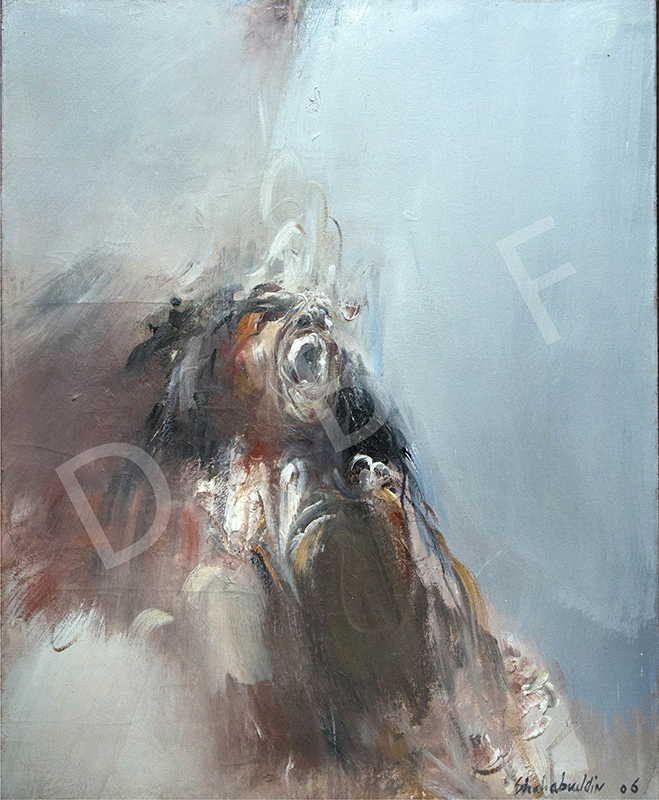
Size: 100x84cm;
Medium: Oil on Canvas;
Year: 2006
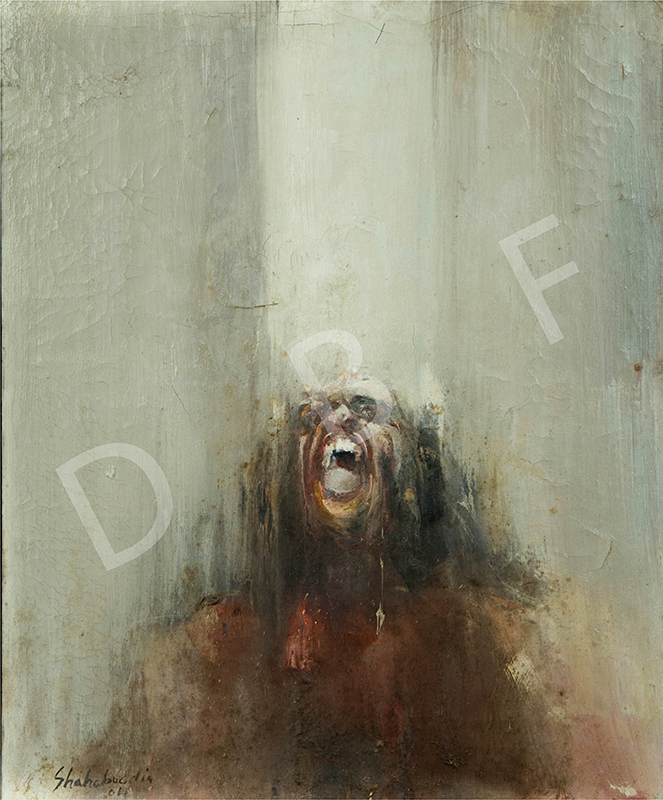
Size: 75x61cm;
Medium: Oil on Canvas;
Year: 2004
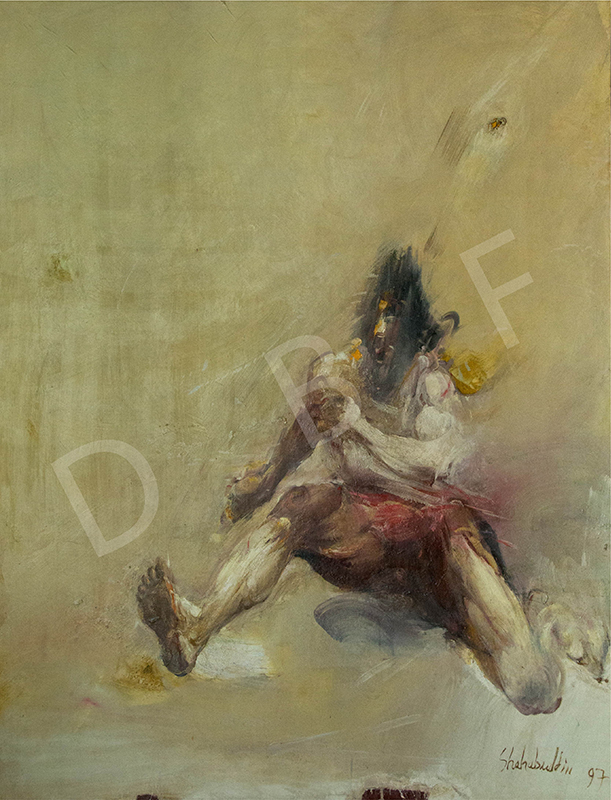
Size: 210x160 cm;
Medium: Oil on Canvas;
Year: 1997
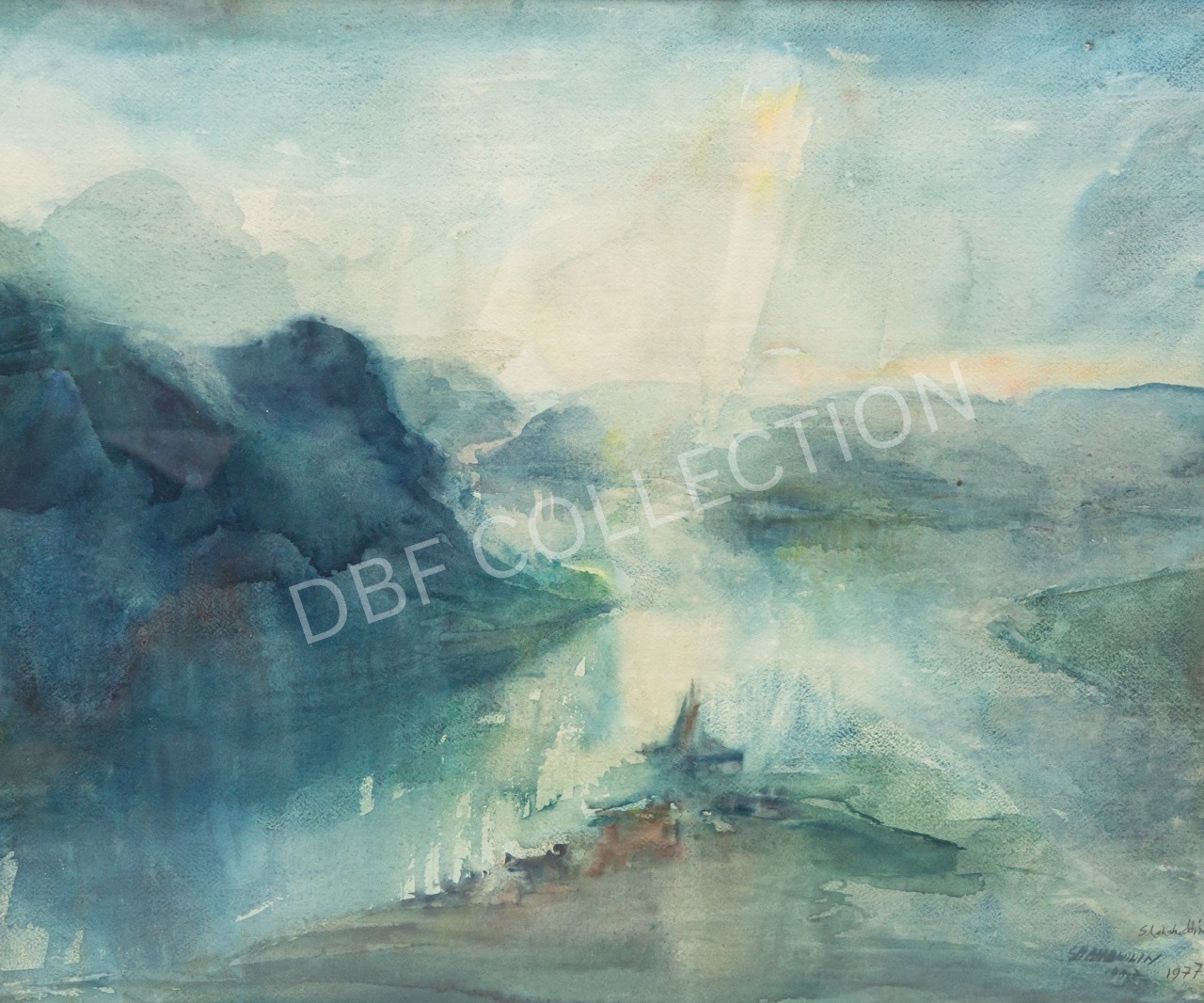
Title: Reminiscence of the Liberation War
Year: 1977
Size: 63 X 50 cm
Media: Water color on canson paper
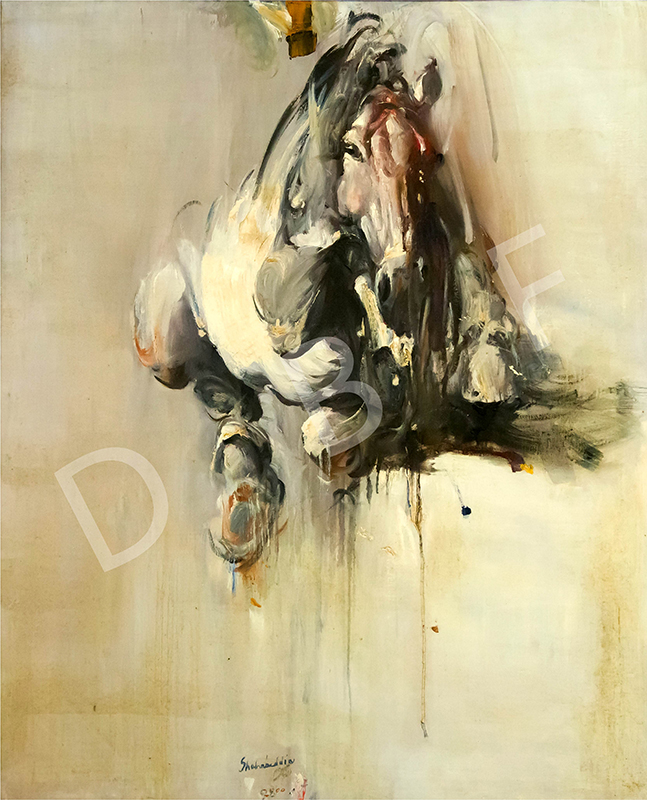
Size: 100x80 cm;
Medium: Oil on Canvas;
Year: 2000
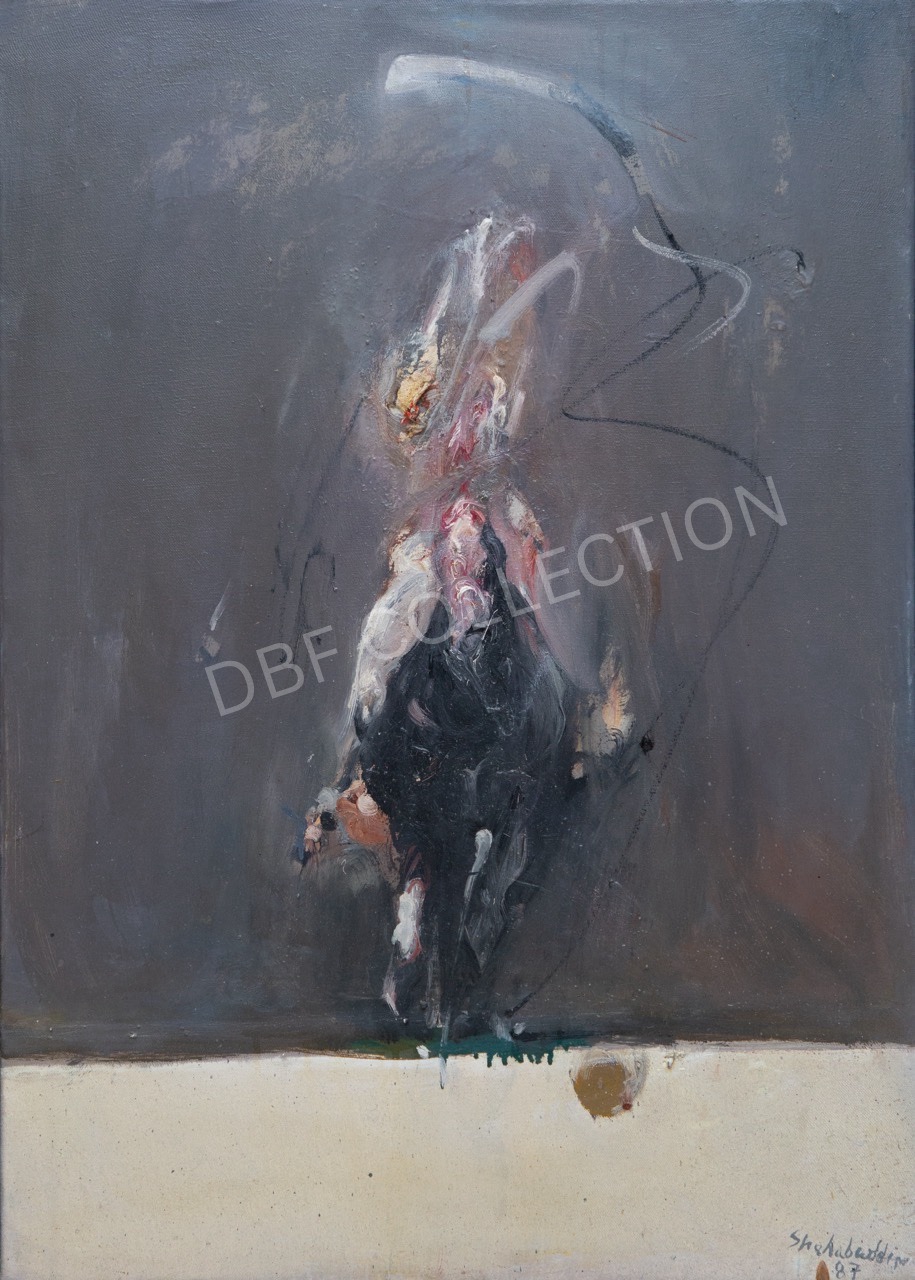
Title: Racing Horse
Size: 74 X 53 cm
Year: 1987
Media: Oil on canvas
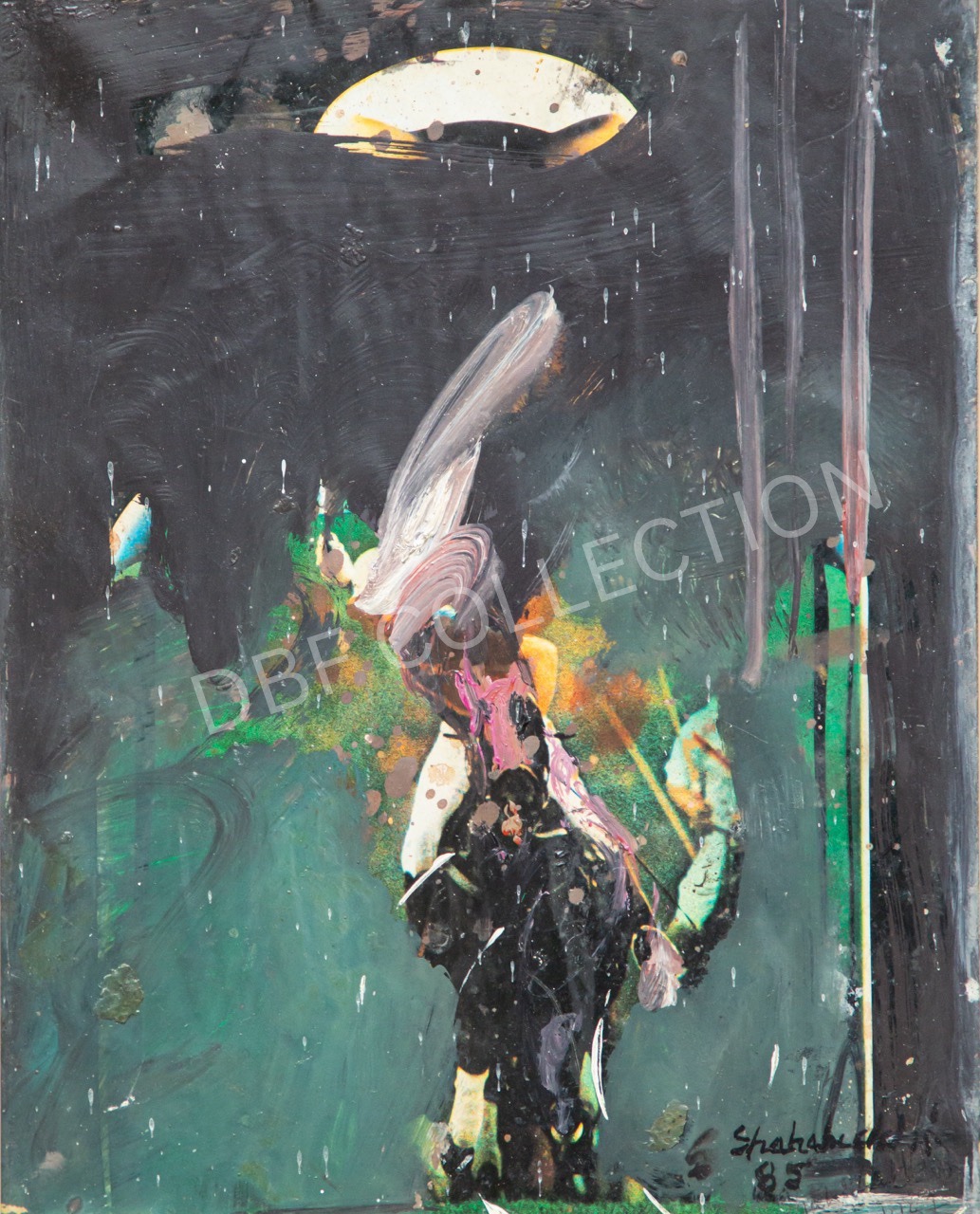
Title: Horse Racing
Size: 30 X 23 cm
Year: 1983
Media: Oil on cardboard
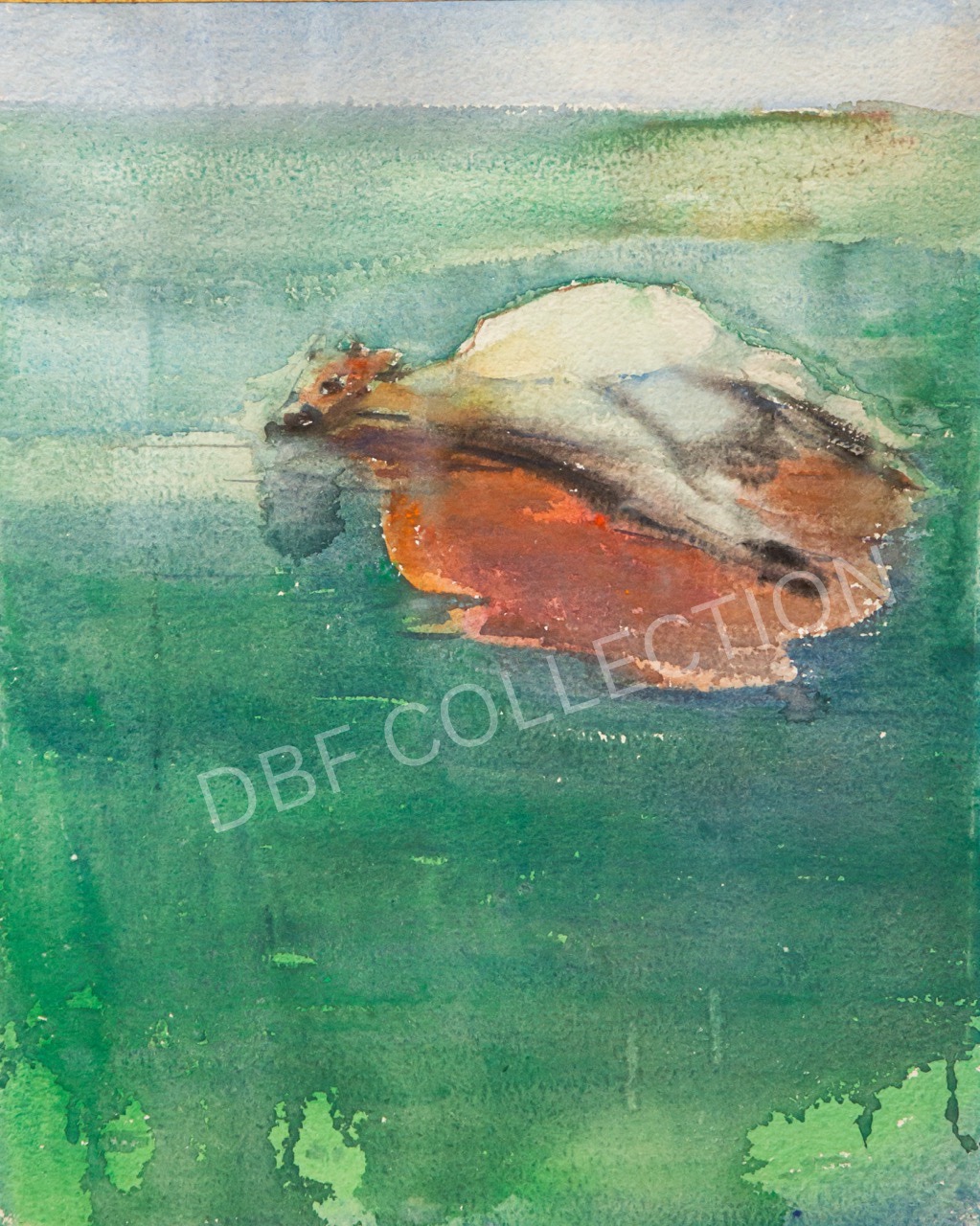
Size: 63 X 50 cm
Media: Water color on canson paper
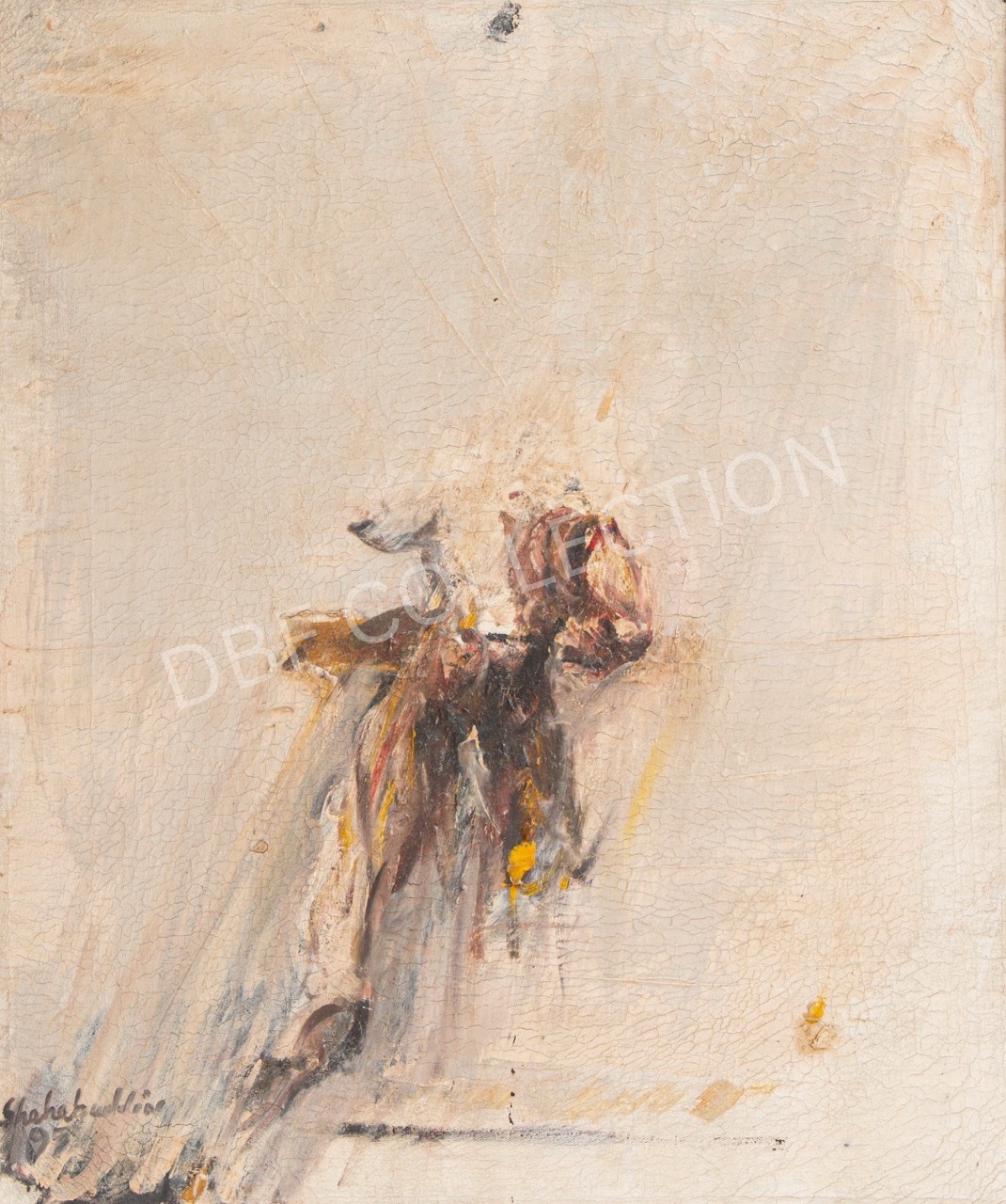
Size: 19.5 X 23.5
Year: 1995
Media: Oil on canvas
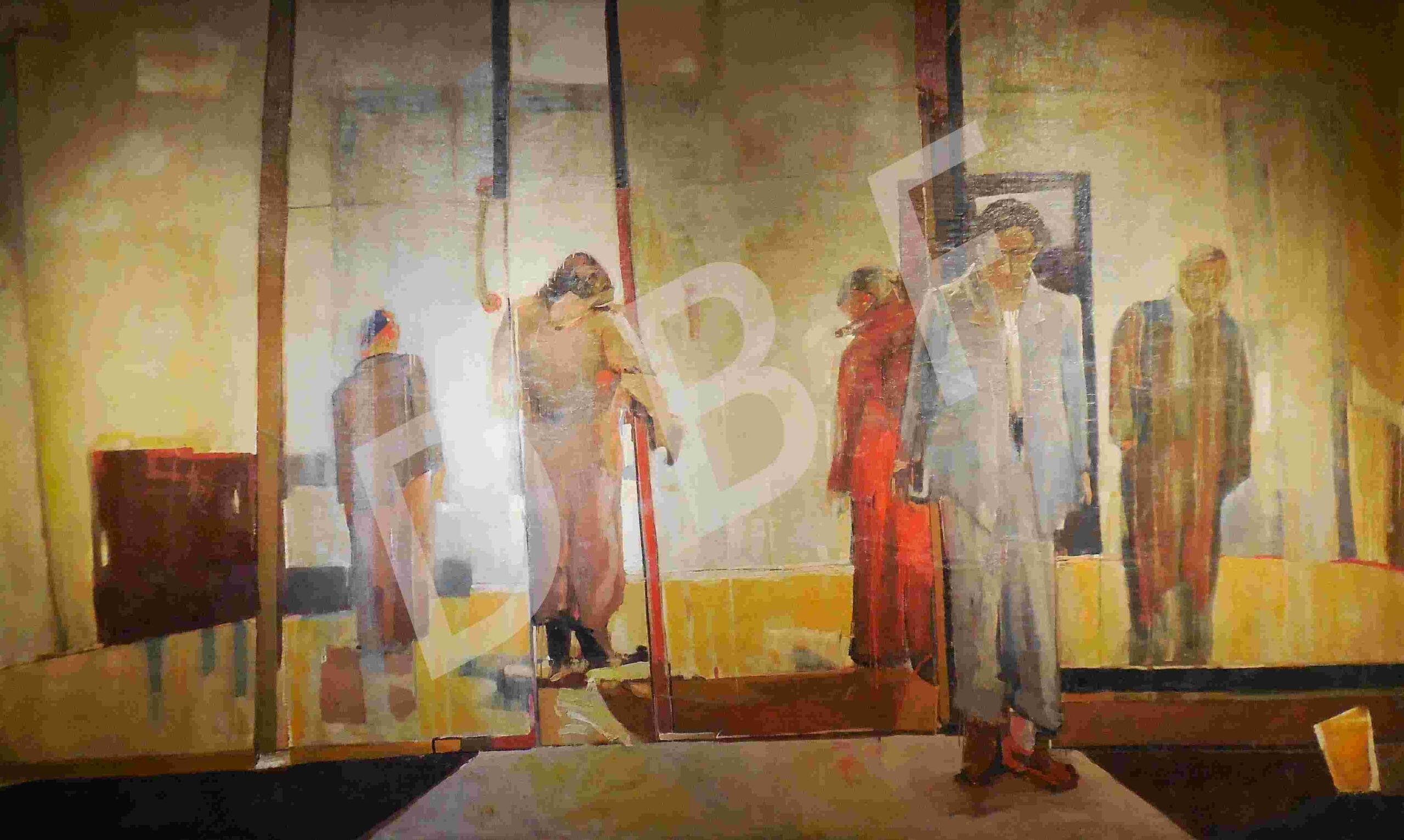
Size: 236 X 384 cm
Medium: Oil on Jute
Year: 1979
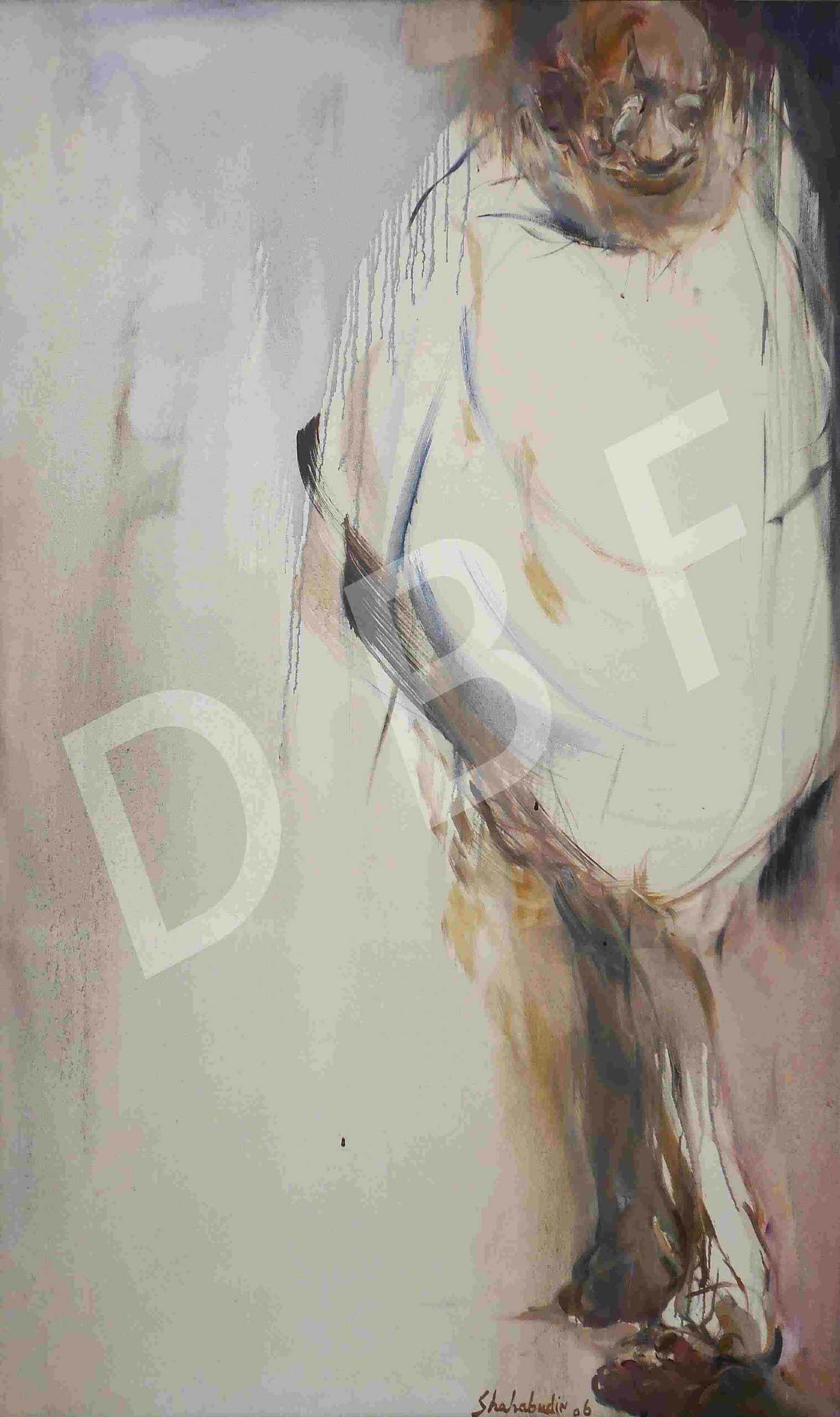
Size: 152 x 91 cm
Medium: Oil on Canvas
Year: 2006
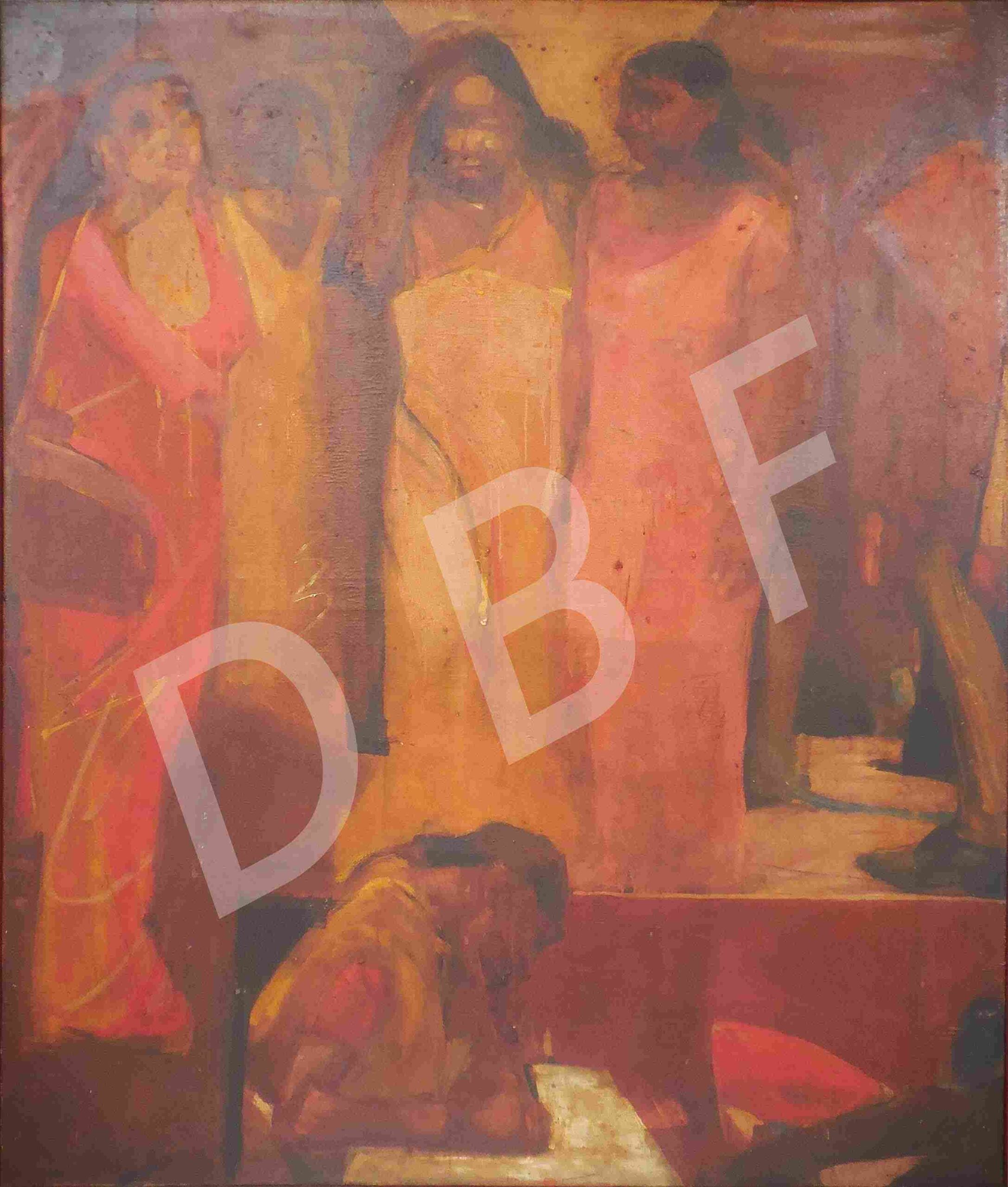
Size: 153 x 127 cm
Medium: Oil on Canvas
Year: 1983
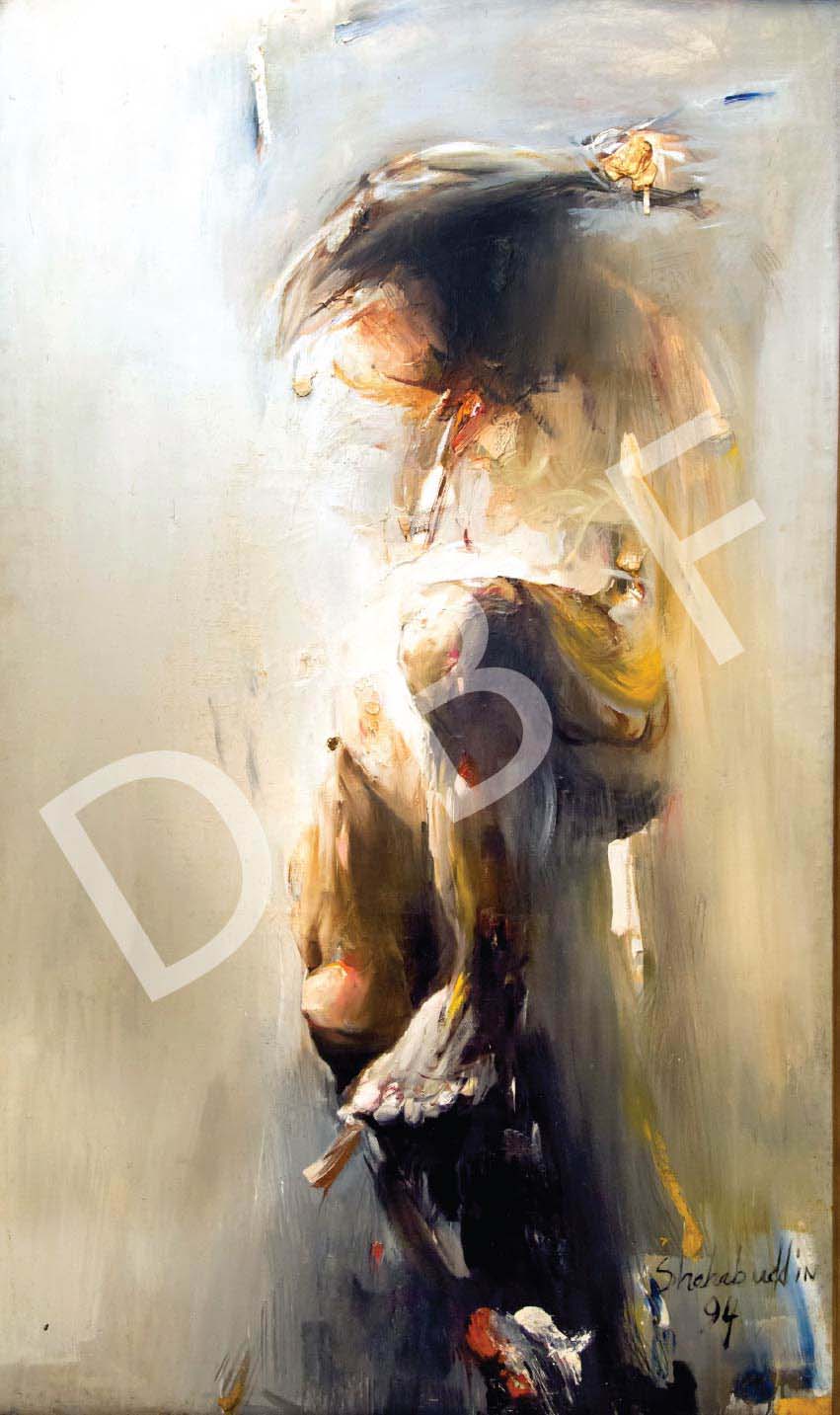
Title: Movement
Year: 1994
Media: Oil on Canvas
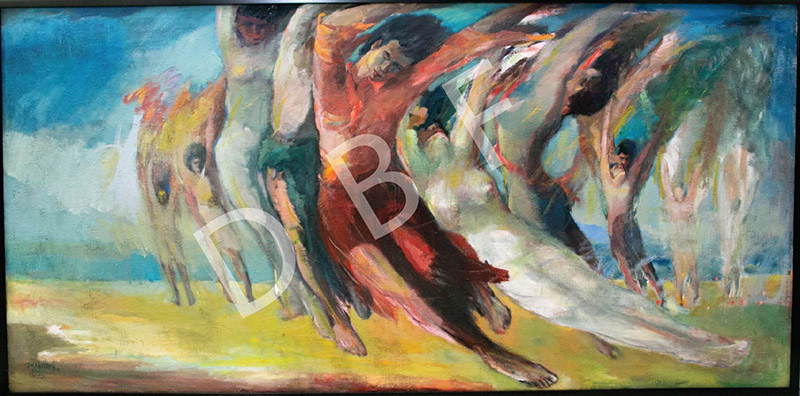
Title: Reminiscent of Liberation
Year: 1974
Media: Oil on Canvas
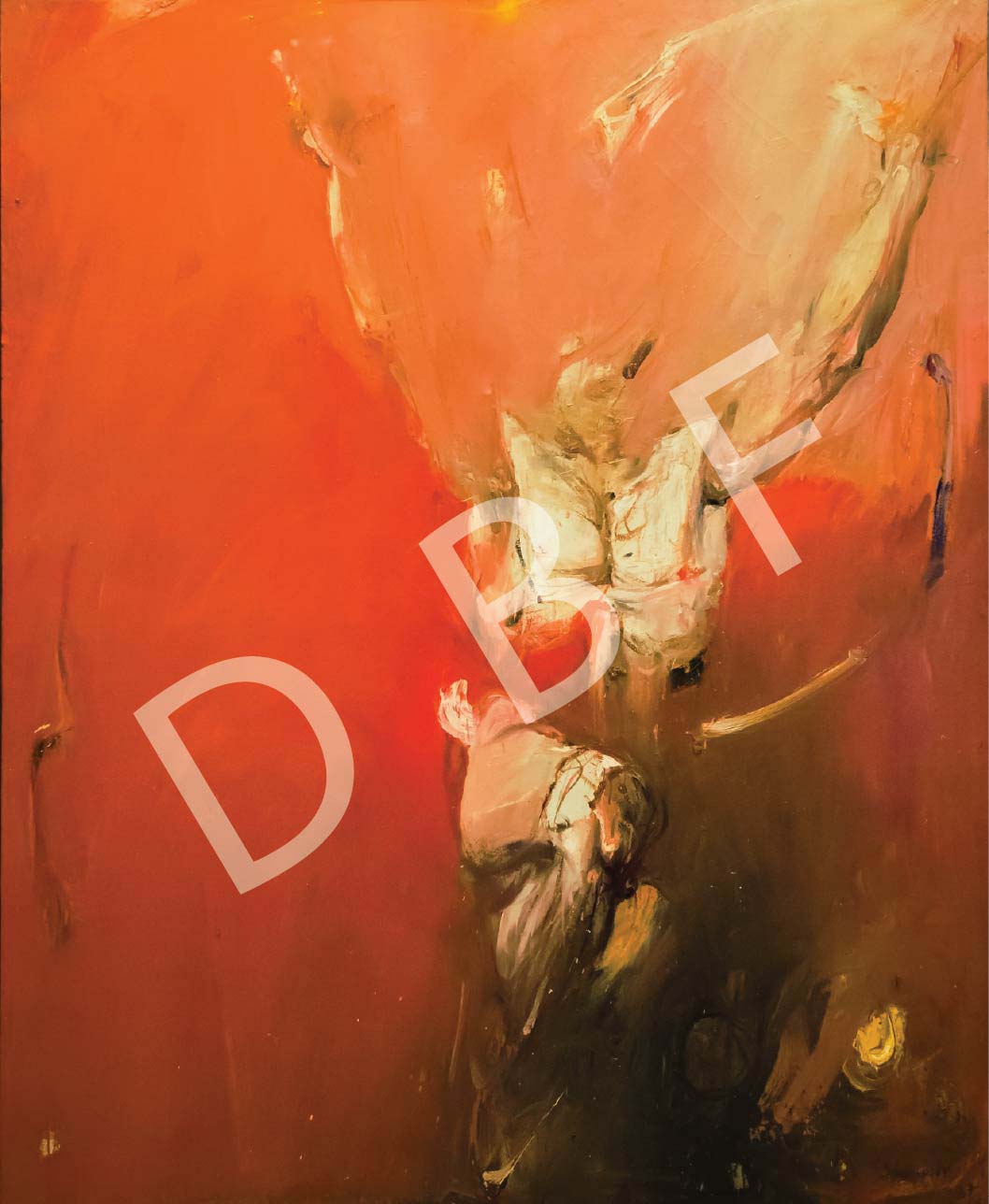
Title: Victory
Year: 1987
Media: Oil on Canvas
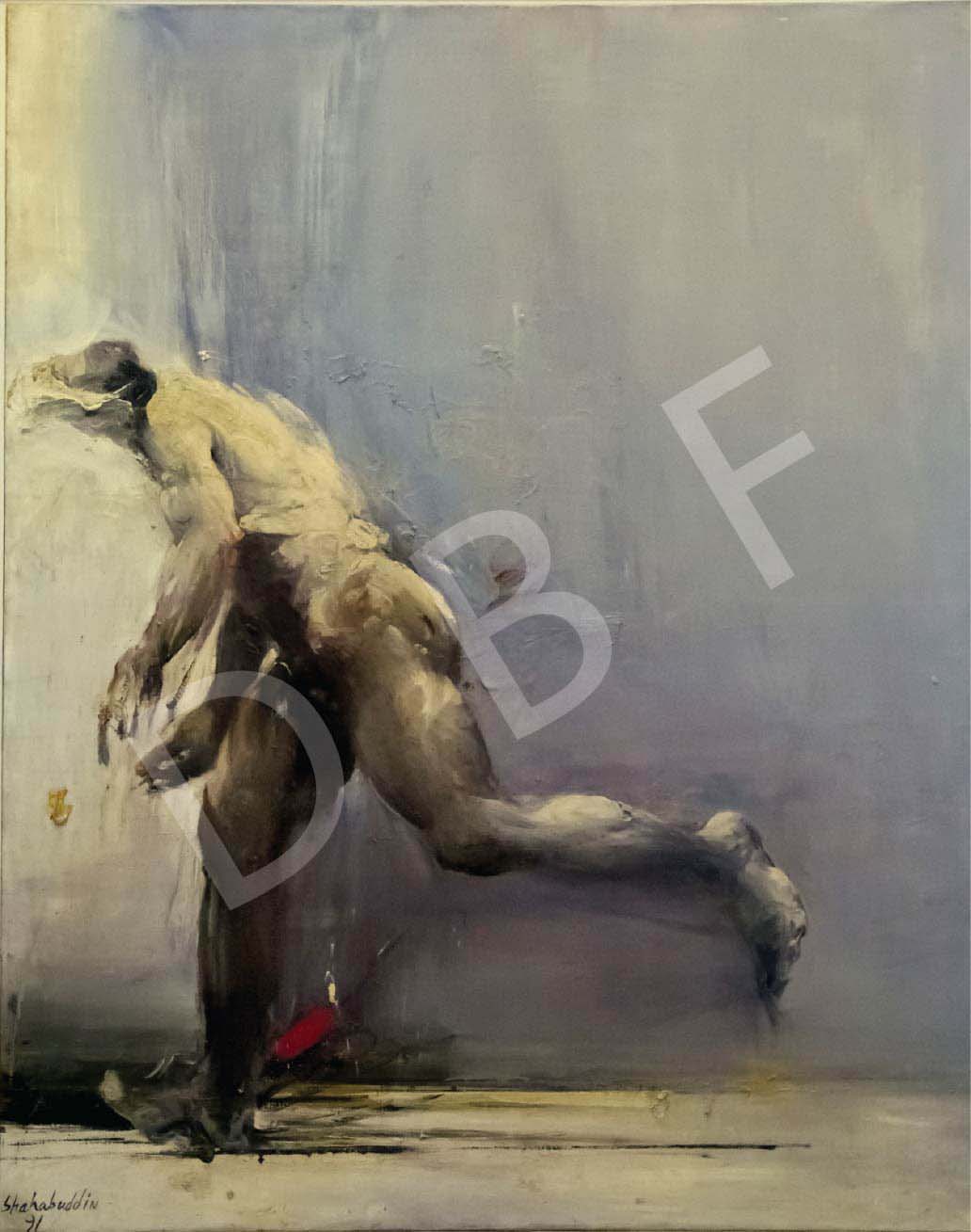
Title: Escape
Year: 1991
Media: Oil on Canvas
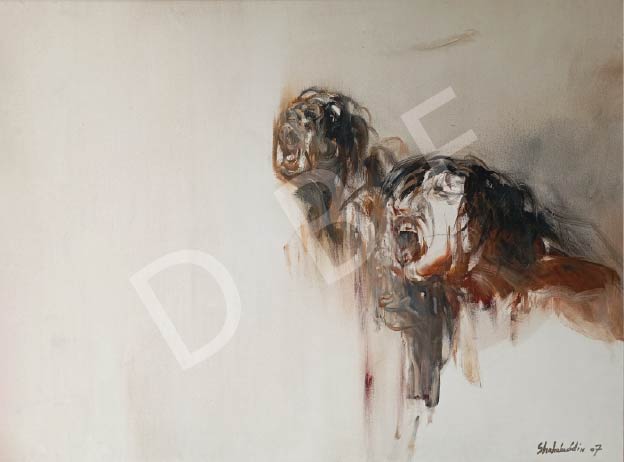
Size: 35.5 X 47.5 inch
Media: Oil on canvas
Year: 2007
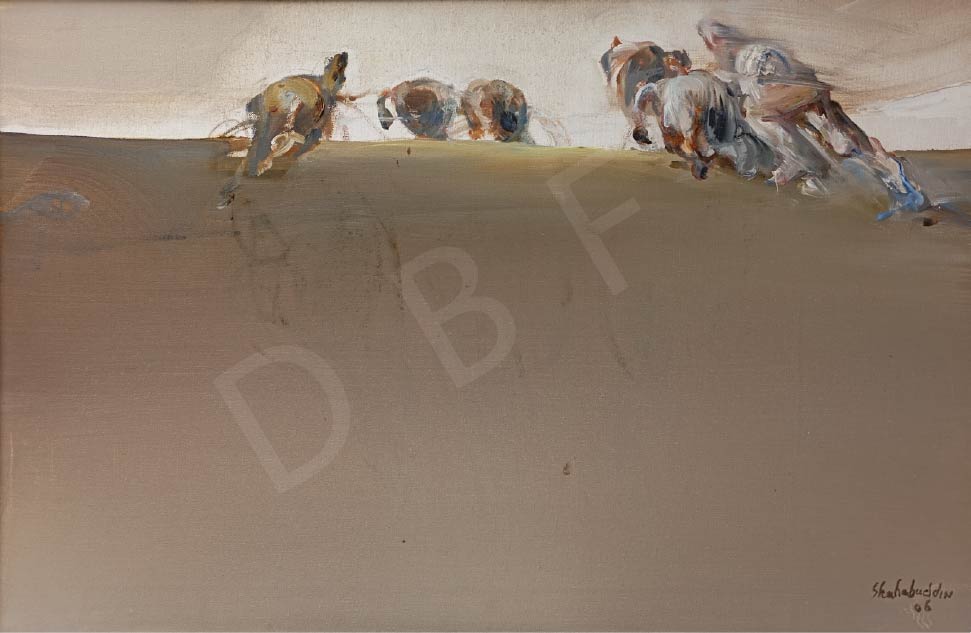
Size: 35 X 23 inch
Media: Oil on canvas
Year: 2006
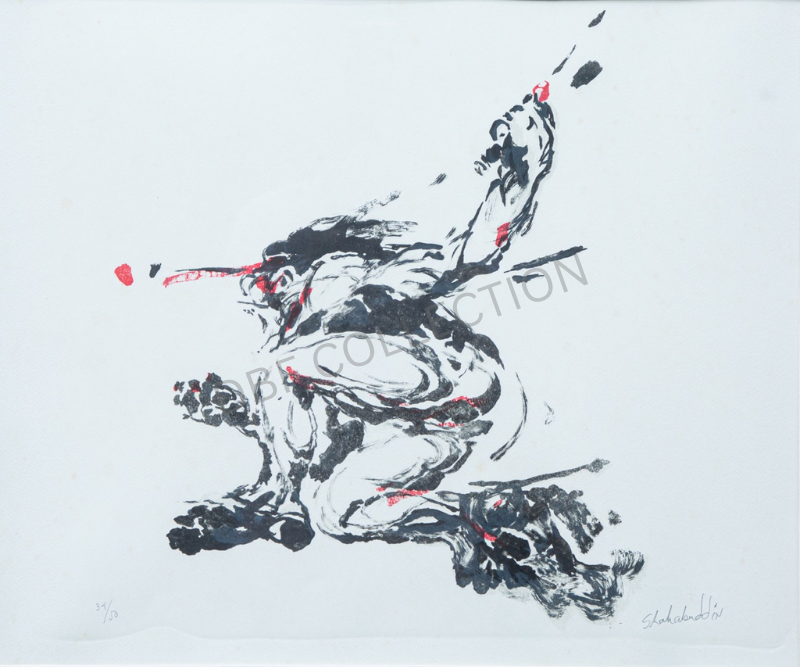
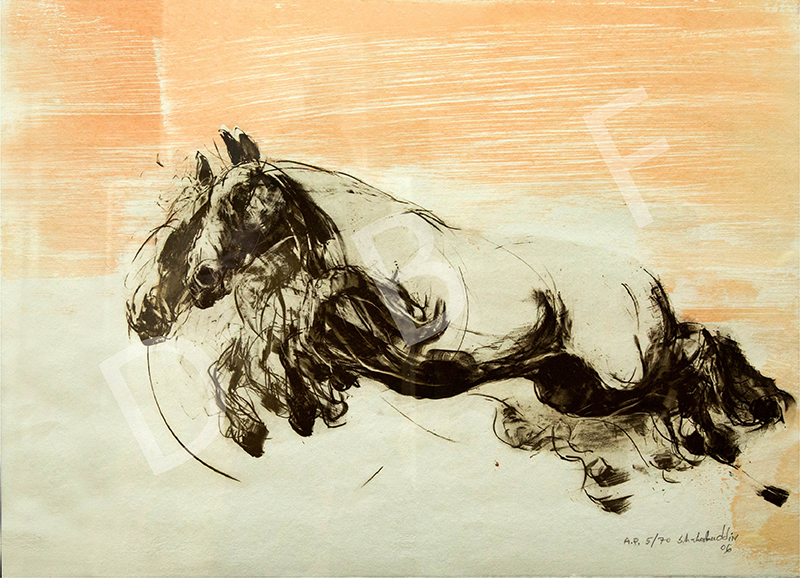
Size: 78x58cm;
Medium: Serigraphy;
Year: 2006
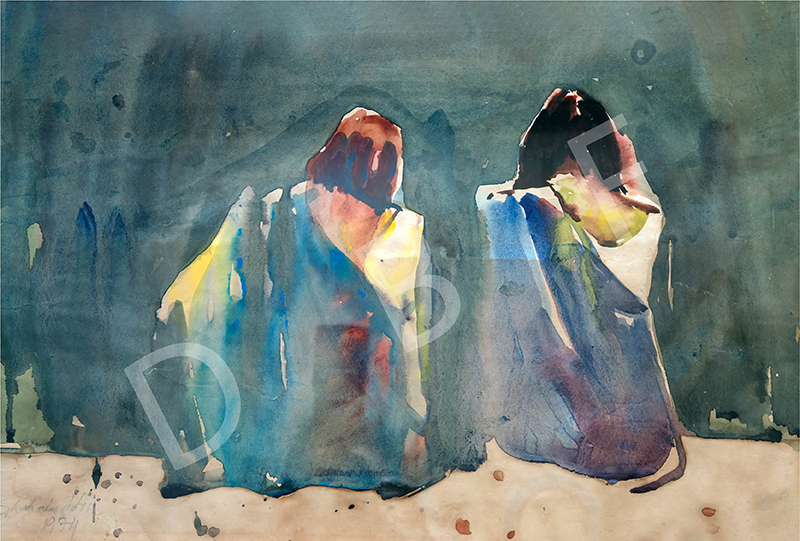
Size: 54x36 cm;
Medium: Water Colour;
Year: 1974
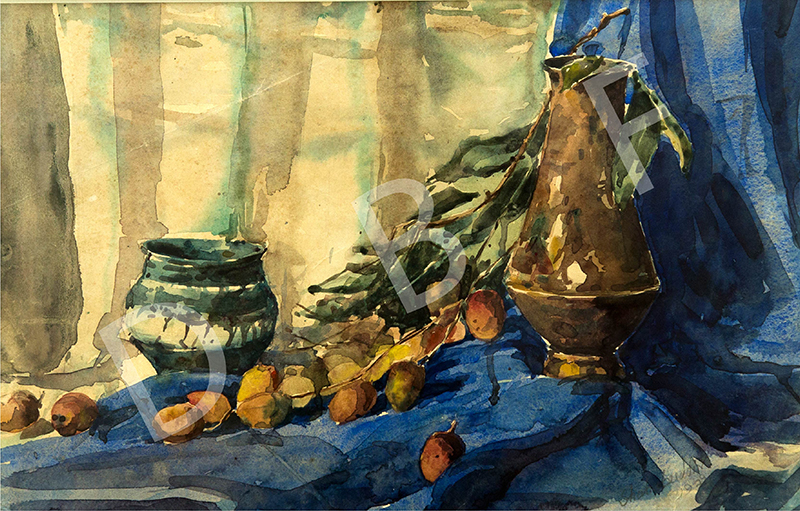
Size: 38x68cm;
Medium: Water Colour;
Year: 1979
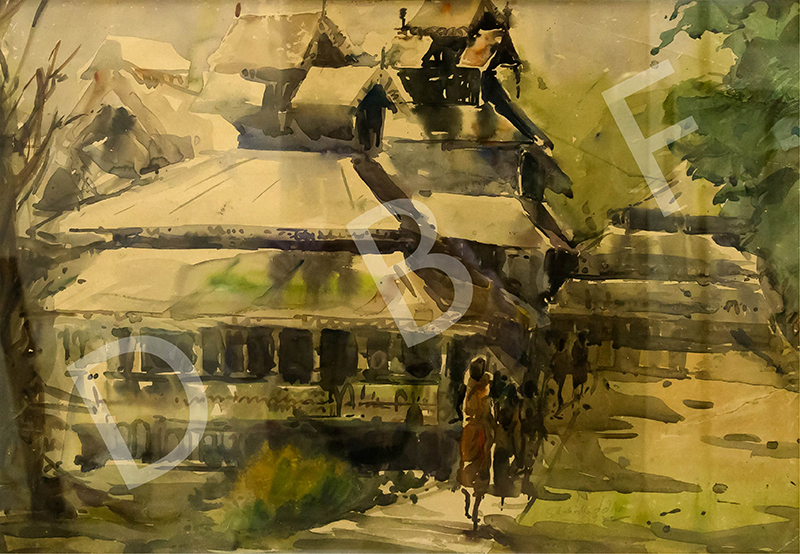
Size: 78x58cm;
Medium: Water Colour;
Year: 1972