
The mixed-media painting by Shahid Kabir entitled “Burning Food” is a striking image of a mundane subject. In this 2011 painting the artist elevates the act of cooking into an image of contemplation. Amid the drudgery of our quotidian life, we tend to overlook the little wonders that surround us and fail to cherish what is close at hand. “Burning Food” is at once a reminder of the traditional ways that we once used to conduct our household activities and how a painting can capture the beauty of an aspect of reality which otherwise may seem devoid of any aesthetic quality. To be able to see beauty in everyday objects and acts involves an ability to live and enjoy every single moment of one’s life with the same intensity of passion. The essence of life, to be in accord with the wisdom of saints and fakirs, lies in the way we live meaningfully every moment as it slips away. By making visible the beauty in everyday realities, the artist asks us to pause and live awarefully. In this painting, through heavy gestures of paint, the artist develops an atmospheric image while giving a new life to the fire that burns inside the earthen stove and the smoke is billowing from the old, darkened cooking pot. The fluid strokes and dribs reveal the painterly process, thereby making explicit the fact that all things in life are in the process of mutation.
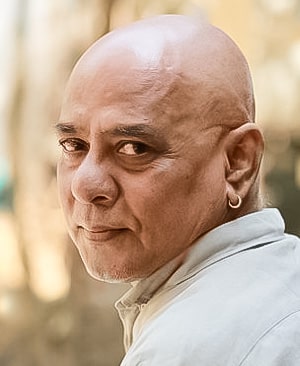
Shahid Kabir
Shahid Kabir was born in Barishal, Bangladesh, in 1949. Kabir graduated from the Government College of Arts and Crafts in Dhaka in 1969 and taught at the same institution for nine years, until 1980. Kabir attained fame for his series on Lalon Fakir as early as in the 1970s. His paintings of the phase saw him apply folksy interpretation of Lalon’s life and work and in most of his works textual elements was a novel addition. Alongside images of the bard and other visual references, the paintings included Lalon’s verses. Kabir left for Spain in 1981 where he pursued printmaking. When he resurfaced in the Dhaka art scene in 1997 after a gap of 17 years, he was already pursuing a mode of expression where the mundane objects and the familiar world around him were translated into gesture-heavy images. He was awarded for his early style that occupied a space between traditional visual storytelling and modern art’s preoccupation with stylistic regour. The return to his country of birth was marked by back-to-back exhibitions in Dhaka’s major galleries where the artist has showcased his informal approach to painting where textures and colours define the image rather than contour drawings. He has received numerous accolades for his contribution to art. Notable among the awards are the Carmen Aroshamduzamena Prize, Madrid (1984). Kabir is now based in Dhaka and is one of the most sought-after artists of the country.
Burning Food


Street Circus
Shahid Kabir has become known for his take on the mundane and ordinary in his paintings. In this original aquatint print (7/20) he homes in on one of the most popular yet endangered forms of performative art, namely circus. The work “Street Circus” brings to the fore a vanishing form of entertainment. In it the artist fixes his gaze on the precarious lives of street performers – emphatically touching on the efforts they make and the risk they take while trying to impress the public on a daily basis. This 2016 print celebrates a small, roadside circus group he encountered in the streets of Spain. The image looks deceptively simple with its background awash in the colour yellow and the figural motif and the paraphernalia used in the act rendered in thick lines. This image sits well with his paintings since his preoccupation with surface quality and semi-abstract approach to image-making seems to complement his gesture-heavy canvases. With this original aquatint, where concerns for perspective and modelling have been abandoned, the artist’s approach remains elemental and follows an “essentialist” mode as opposed to illustrating the subject matter at hand.
Art Style
Shahid Kabir brings to his canvases real-life experiences, which he depicts using an earthy palette laid over surfaces treated with mild impasto. The fluidity afforded by his signature painterly approach where drips and sweeps of the brush dipped in colour create the condition for the eye to hover over the tactile quality created at every instance. In the final image, the process leads to his signature, making each of his works both evocative and sensuous. His empathetic stance vis-a-vis people he encounters on a daily basis – the models, or the domestic help – alongside the chance encounters with ordinary workers or citizens, often leads to powerful insights into how we make sense of our life. It is his non-hierarchical gaze which allows him to look at humans and objects around him in an empathetic light, which has established him as an important painter and printmaker in Bangladesh. The formative years spent in Europe added a new dimension to his earlier practice based on the ideals of saints and fakirs. He now has the natural capacity to transform even the most mundane objects – water vessels, teapots, and rotten fruits, etc. – into images deserving attention. His works serve as metonymic reference to a world where wide open spaces, riverscapes as well as working women appear as an essential part of a life that could have looked complete had it not been for the slow and steady erosion of society and the degradation of nature.
Gallery
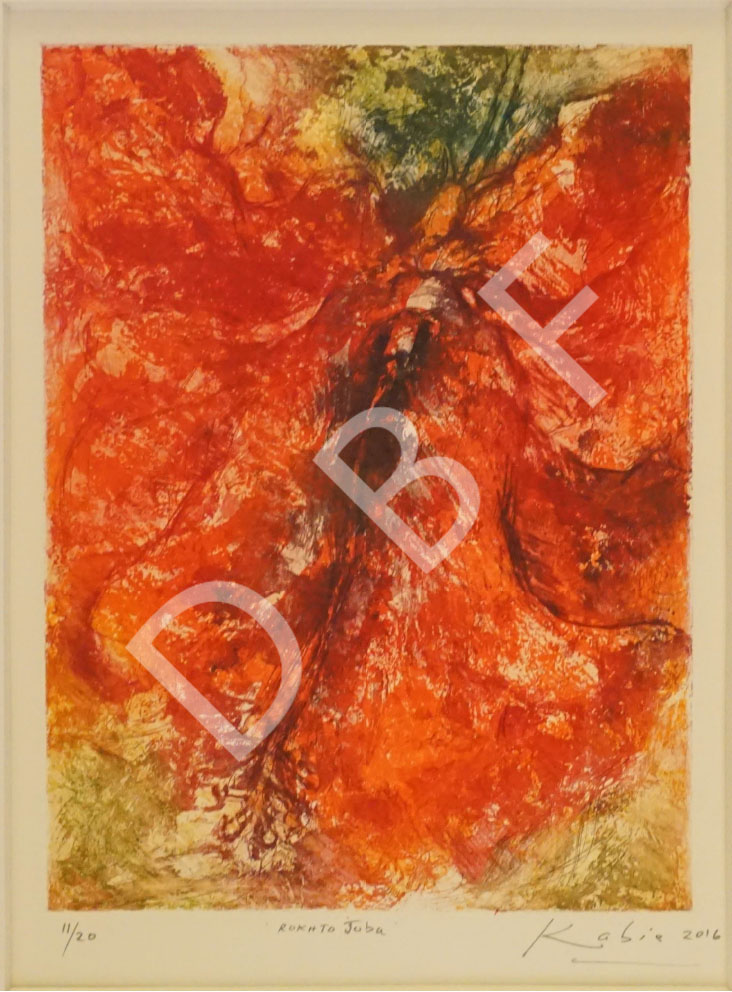
Title: Rokto Joba
Year: 2016
Size: 14.5 X 11 inch
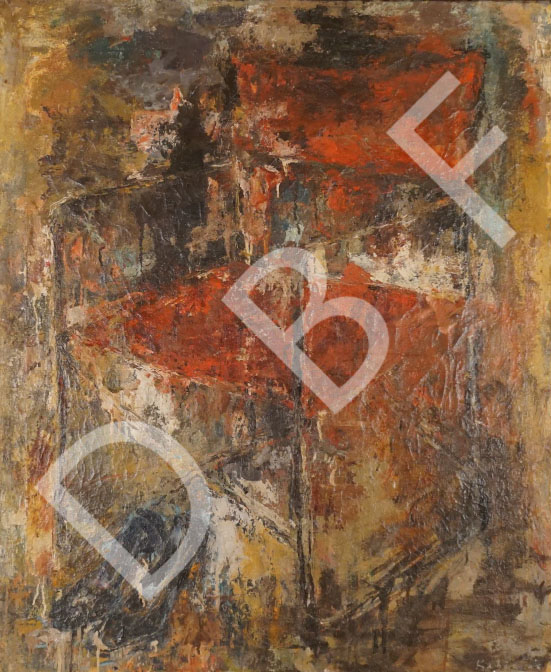
Title: Chair
Year: 2005
Size: 39 X 31.5 inch
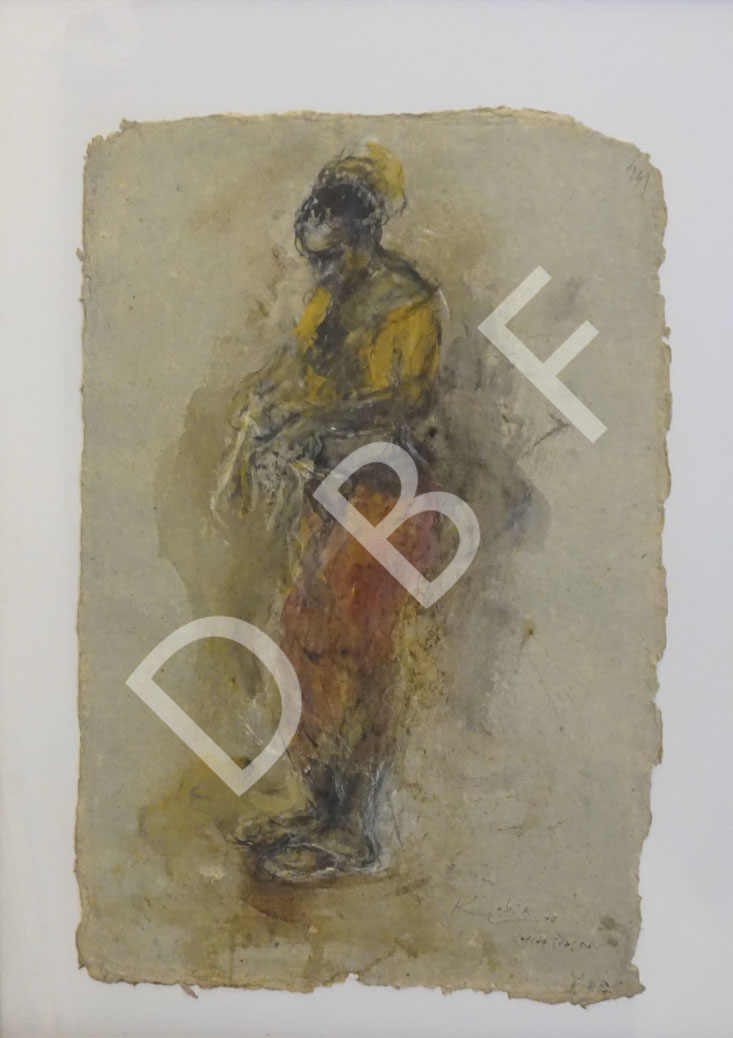
Title: Kulsum
Size: 33 X 22 inch
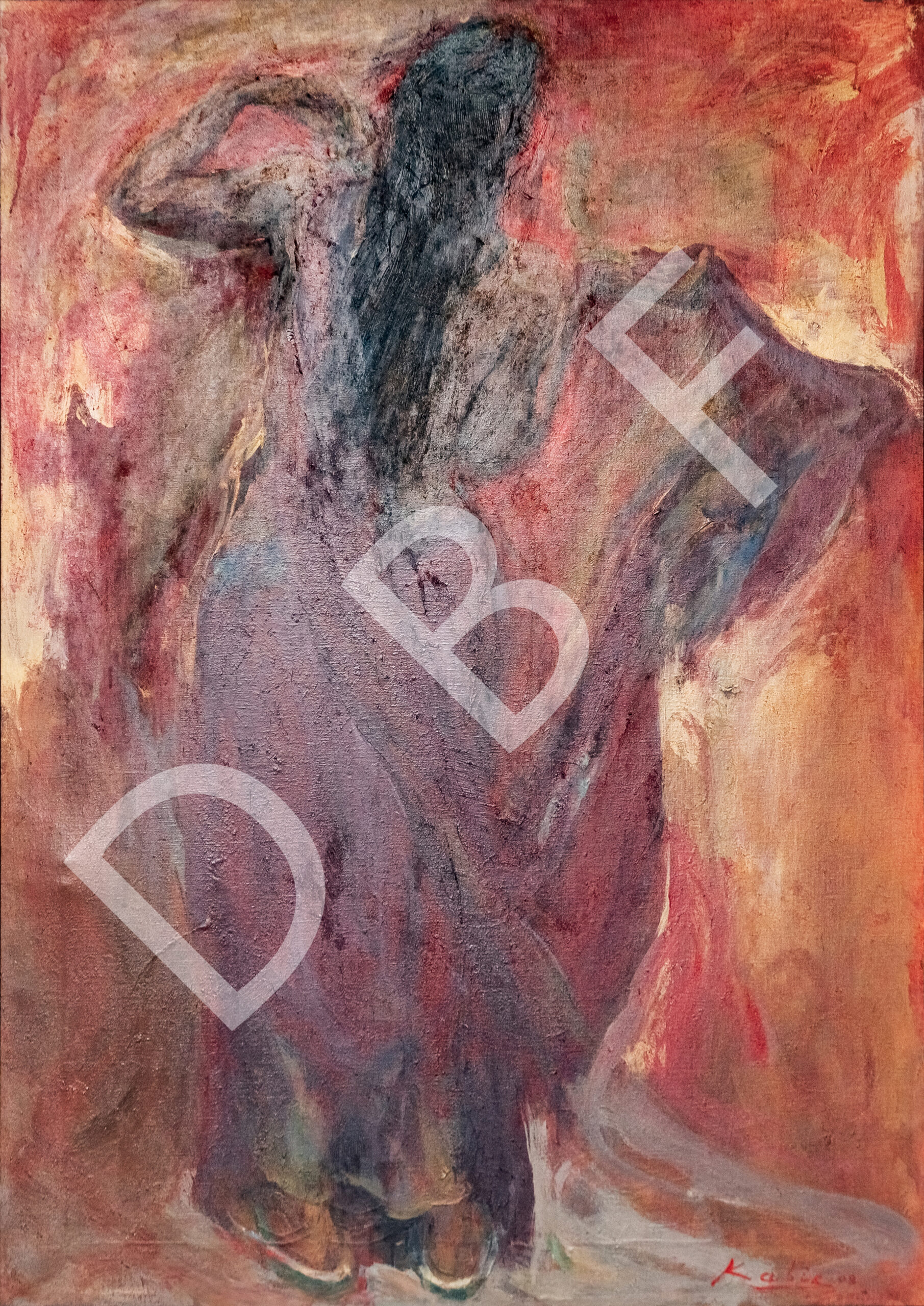
Year: 2008
Size: 40 x 56 inch
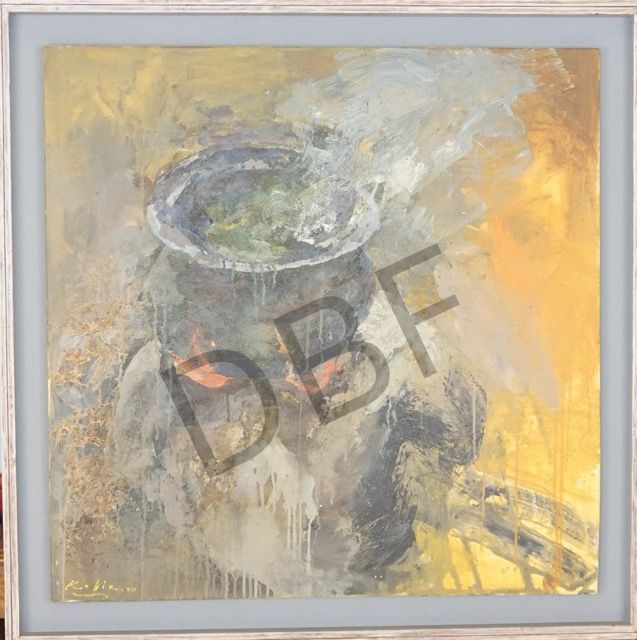
Title: The Burning Food
Size: 34 X 34 inch
Media : Mixed media on canvas
Year: 2011
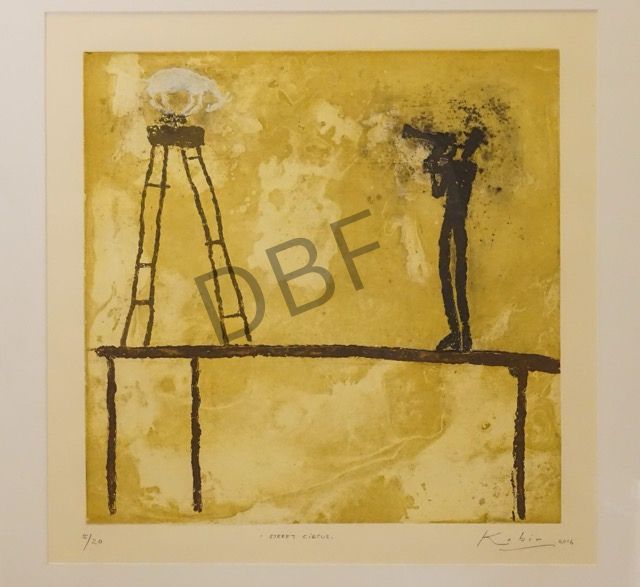
Title: Street Circus
Year: 2016
Size: 22.5 X 22.5
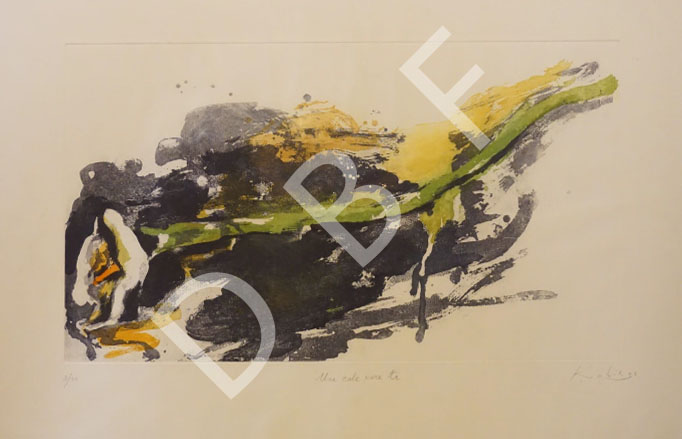
Title: Uni cale para ti
Year: 2008
Size: 18 X 31 inch
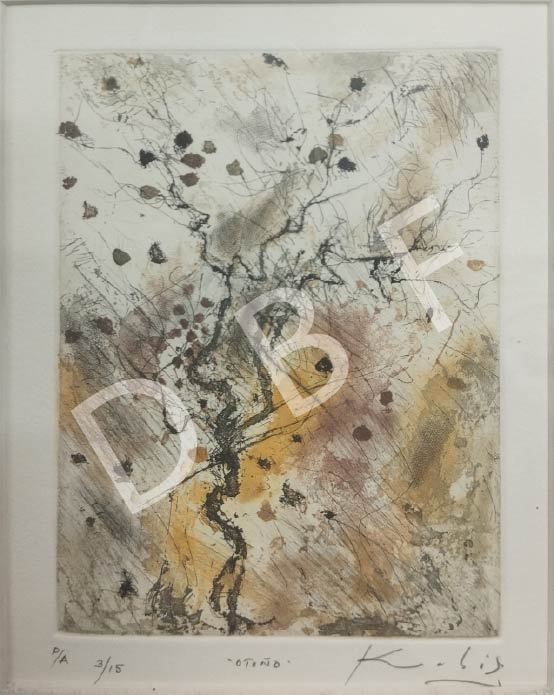
Title: Otono
Size: 7.5 X 5.5 inc
Media: Mixed media on paper
Year: 2015