
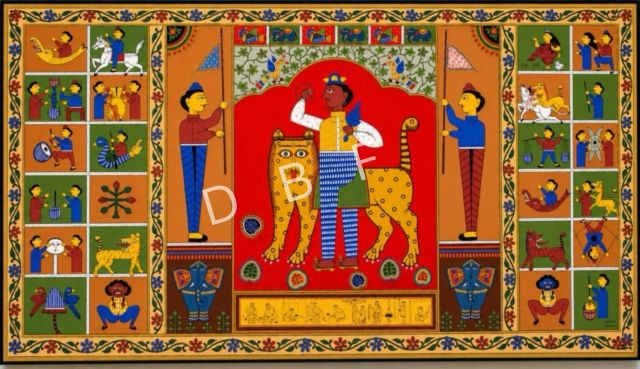
Shambhu Acharya, the last successor of an age-old family tradition, painted “Gazir Pat” in line with the tradition, narrating the bravery of Shah Ismail Gazi, popularly known by his one-syllable name – Gazi. A saint from Mecca, he served Sultan Rukunuddin Barbak Shah in the 15th century first in the scope of an advisor who successfully mitigated an environmental crisis due to annual flooding. Then he was favoured by the Sultan and was asked to conduct warfare in different frontiers in Bengal, though later he also invited the animosity of the Sultan. However, due to his courage he became popular among the Muslims and the Bedey community who gave him the epithet of pir, a Muslim holy man. Sambhu Acharya portrayed the life of the legendary general turned pir as a tribute to this figure who is perceived as liberator. This is one of many paintings he has worked on over the years on the subject. A Gazi pat is usually 4.8ft long and 1.10ft wide and made of thick cotton fabric and uses red and blue as dominant colours. This work uses similar handmade fabric and natural colours and shows Pir Gazi sitting on a tiger, smoking from a hookah while defeating the opposition and celebrating life. This scroll painting is Shambhu’s attempt to capture a legend that has stayed in the collective memory of the people of the Bengal delta where history is often preserved in myriad forms of folklore.
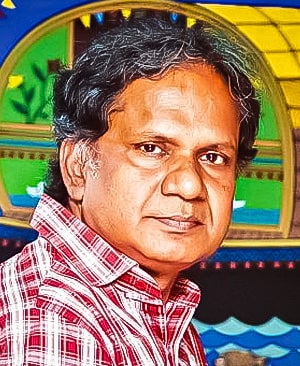
Shambhu Acharya
Shambhu Acharya was born in Munsiganj in 1954. His father was patua Shudir Chandra Acharya and mother Kalpana Bala Acharya was an alpana painter. His family has been practicing patachitra or scroll painting for more than 450 years. As the representative of a patua or chitrakar family that has been in the art of making patas for at least nine generations, Shambhu has been working towards perfection. The Acharyas of Bengal have been responsible for patas for a long time. They have been most active from the 12th century to the end of the 19th century. Patas or scrolls offered ample opportunities to depict stories based on religious and moral themes for the edification and entertainment of the village folk. Themes of their paintings included the myths of Gazi, Sree Krisna, representation of Muharram, Rasleela and stories from Ramayan, Mahabharata, and Manasa Mangal, besides various other themes from the local folklores. Today, Shambhu has the responsibility to carry forward the family tradition and he has accomplished that with flying colours. He has become the most well-known traditional artist at home and abroad. His works have been exhibited at the Spitz Gallery in London and are being collected by art connoisseurs both at home and abroad. Shambhu Acharya lives in Kalindipara at Munshiganj with his wife and three daughters and a son.
Gazir Pat


Kesh Binnash - 2
“Kesh Binnash-2” is a patachitra, or scroll painting, by Shambhu Acharya where he veers away from tradition to portray everyday life. He painted the handmade scroll with natural orange and used it as a backdrop to create an eternal imagery of rural Bengal. Setting aside his preoccupation with history, myths, and religion, which are the staples for any traditional chitrakar or patuas, Shambhu painted something mundane. In this painting he painted two village women sitting at a courtyard while one is braiding the hair of another. Through this, he captures the bond and relationship of a lifetime. Being true to his craft, he used vivid colours made of natural ingredients.
Artist Art Style
As the artist of the ninth generation of patuas, Shanbhu Acharya’s art form now rests at the intersection of a personal trait and a long-held family tradition. Shambhu represents the last of a dying breed as across the Bangladesh patuas or chitrakars are few and far between. The first among his forebears was Ramlochan Acharya. As a tradition bearer of a tangible heritage, he has developed a taste for fine contour lines and vivid colours. The themes of his paintings are still bound up with myths and folklore, they include stories from Ramayana, Mahabharata, Manasa Mangal, Muharram, Ras leela, myths of Gazi, and also themes from the local folk culture. Being born into a family of patuas, he devoted his life to continue the age-old tradition. Yet, to do justice to what Shambhu has dedicated his life to accomplish, one needs to take into account the fact that he has also been able to give a new face to the tradition he belongs to.
Gallery

Title:রাসলীলা (Rasleela)
Size: 36 X 36 inch
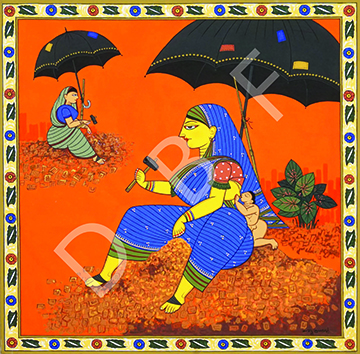
Title: জীবন যুদ্ধ (Jibon Juddho)
Size: 36 X 36 inch

Title: Avisar (অভিসার)
Size: 36 X 30 inch
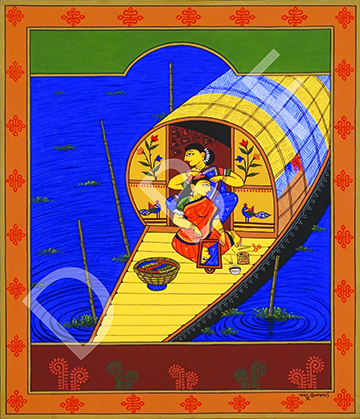
Title: Prosareeni
Size: 36 X 30 inch
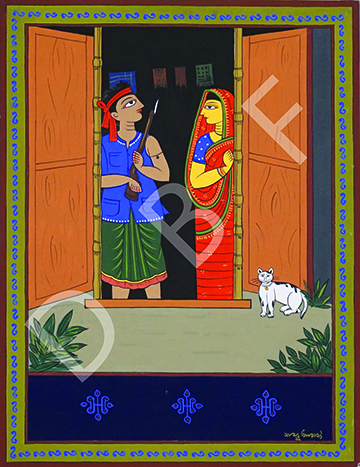
Title: Joytu
Size: 36" X 27" inch

Title: Bibagi
Size: 30" X 36" inch
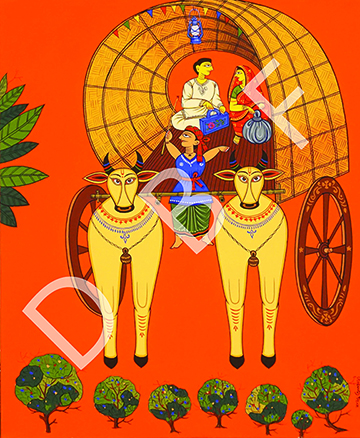
Title: Bodhu Jatra
Size: 30" X 36" inch
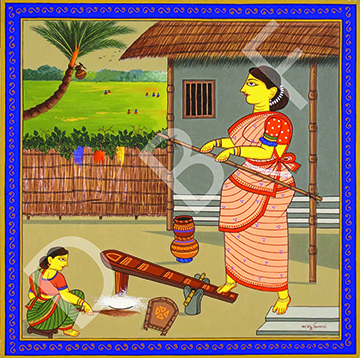
Title: Nobanno 2
Size: 36" X 36" inch
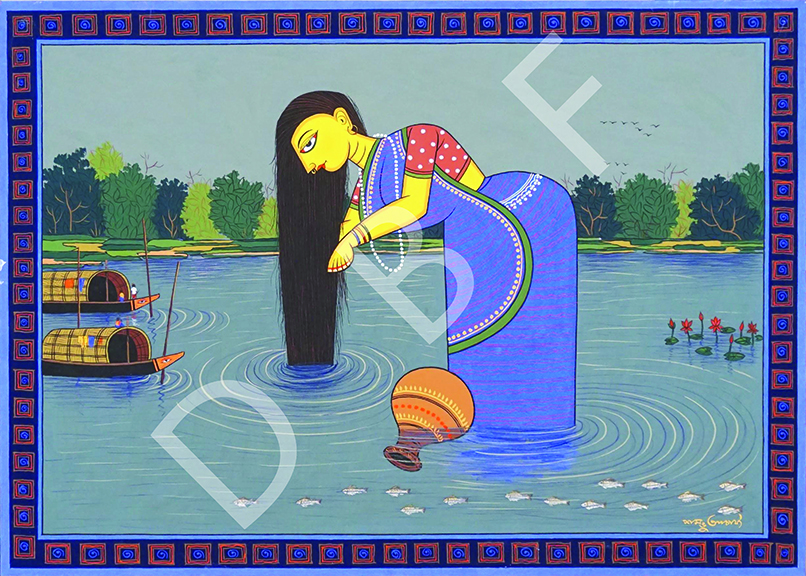
Title: Surya Snan
Size: 30" X 42" inch

Title: Mach Kota
Size: 36" X 30" inch
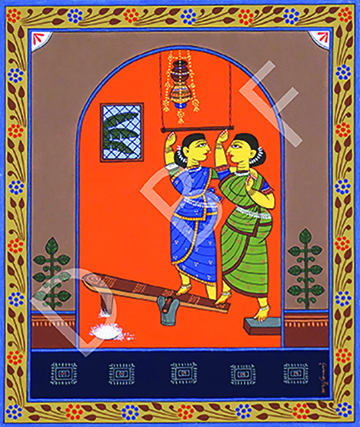
Title: Poush Parbon
Size: 36" X 30" inch
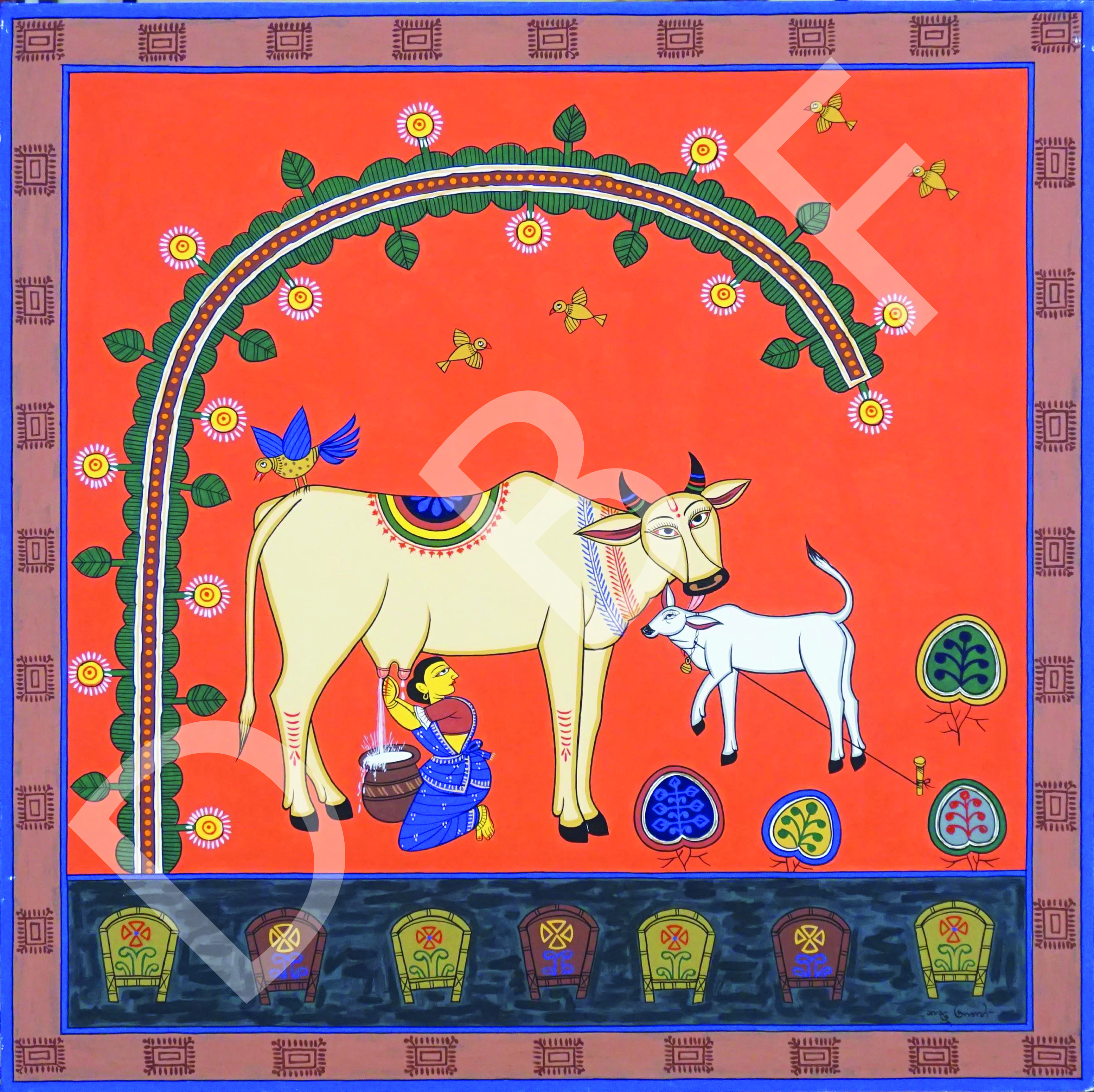
Title: Duhita
Size: 36" X 36" inch
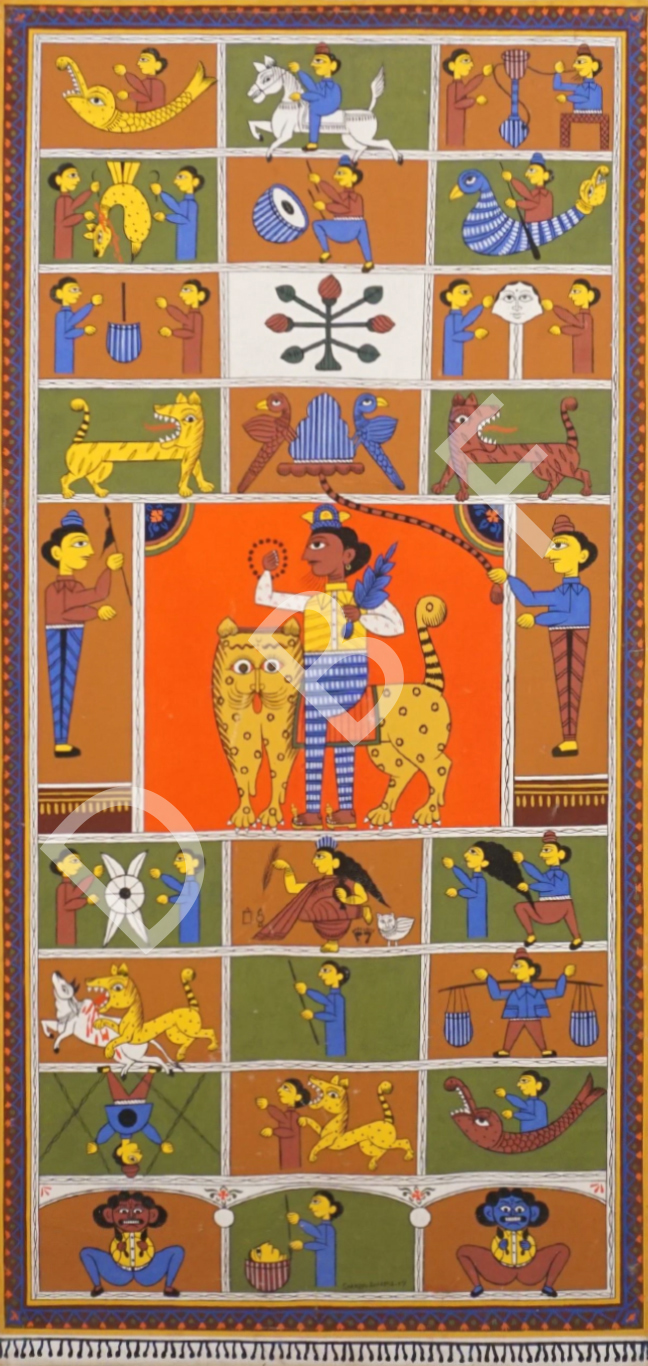
Title: Darbesh Gazi (দরবেশ গাজী)
Size: 36 X 48 inch
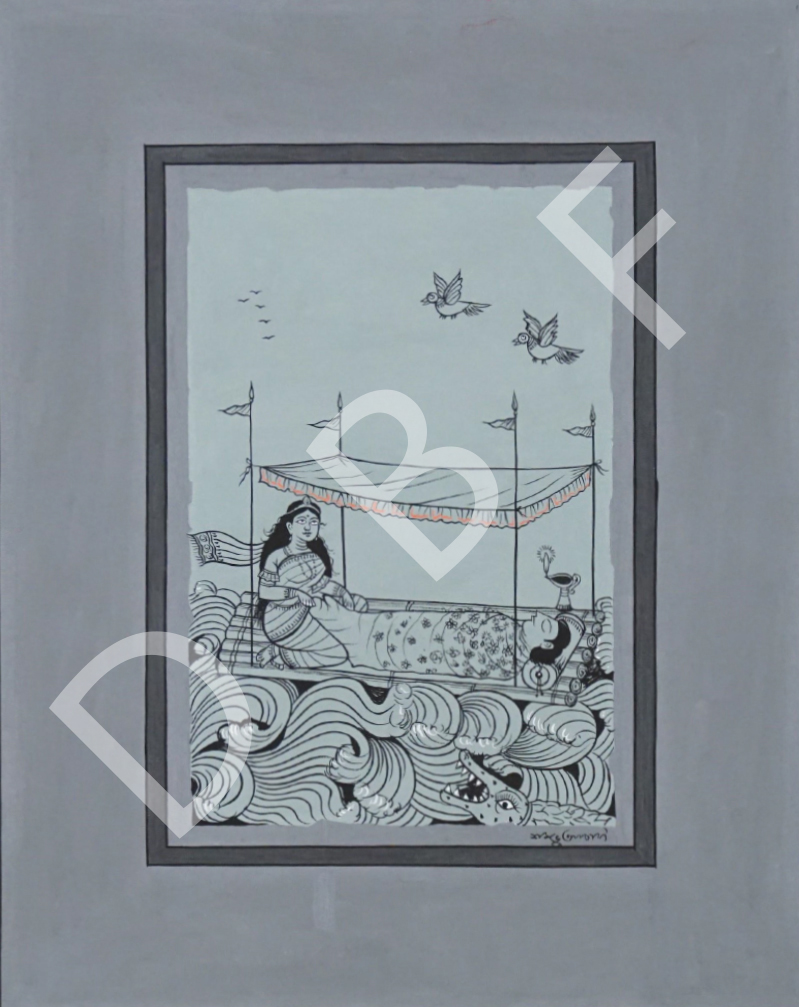
Title: Behula Lakkhindar ( বেহুলা লক্ষিনদর)
Size: 30 X 24 inch
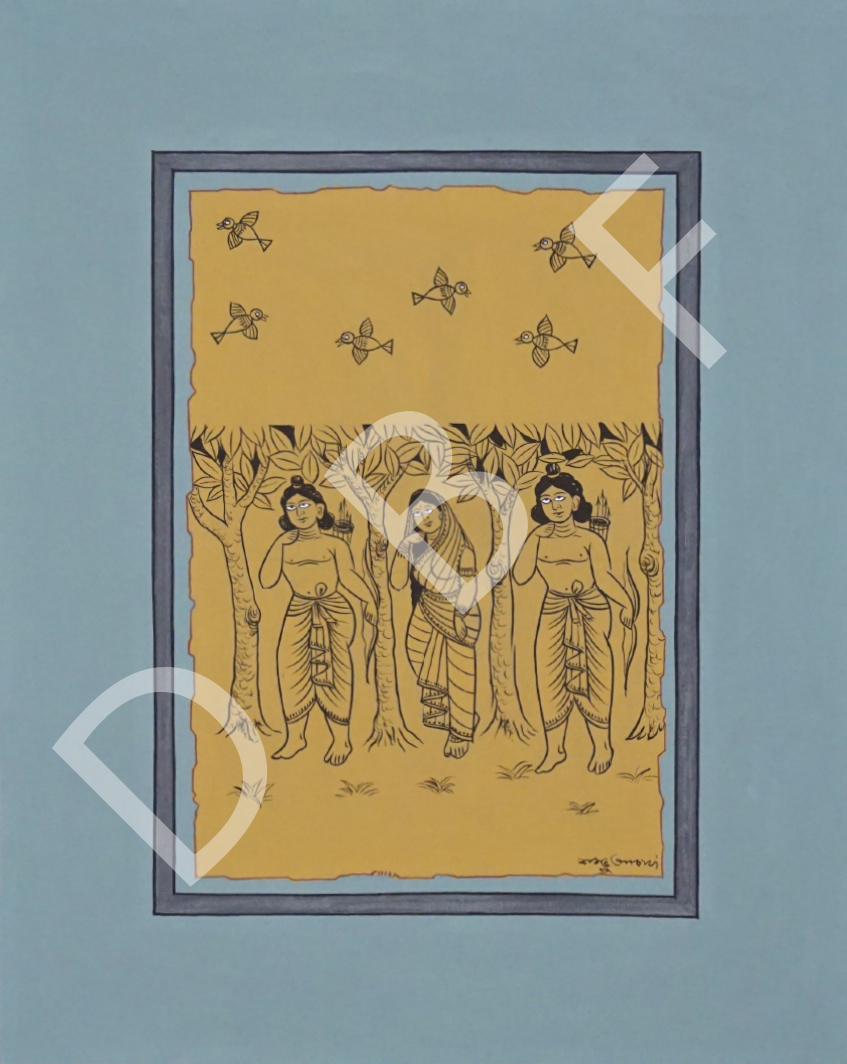
Title: Seetar Banabash (সীতার বনবাস)
Size: 30 X 24 inch
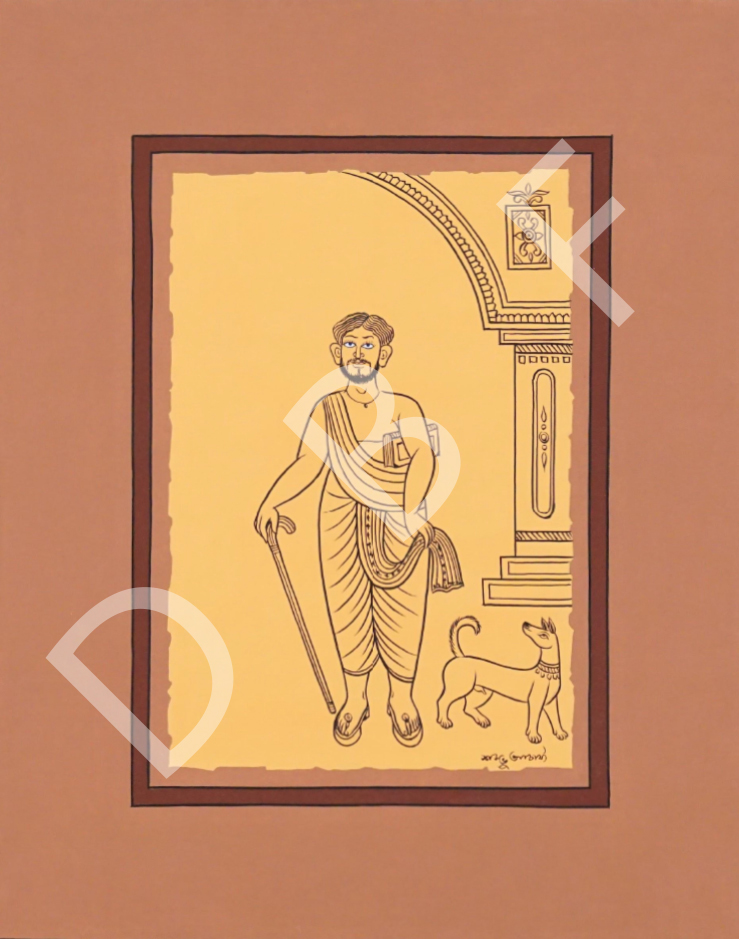
Title: Micheal Modhusudan ( মাইকেল মধুসূদন )
Size: 30 X 24 inch
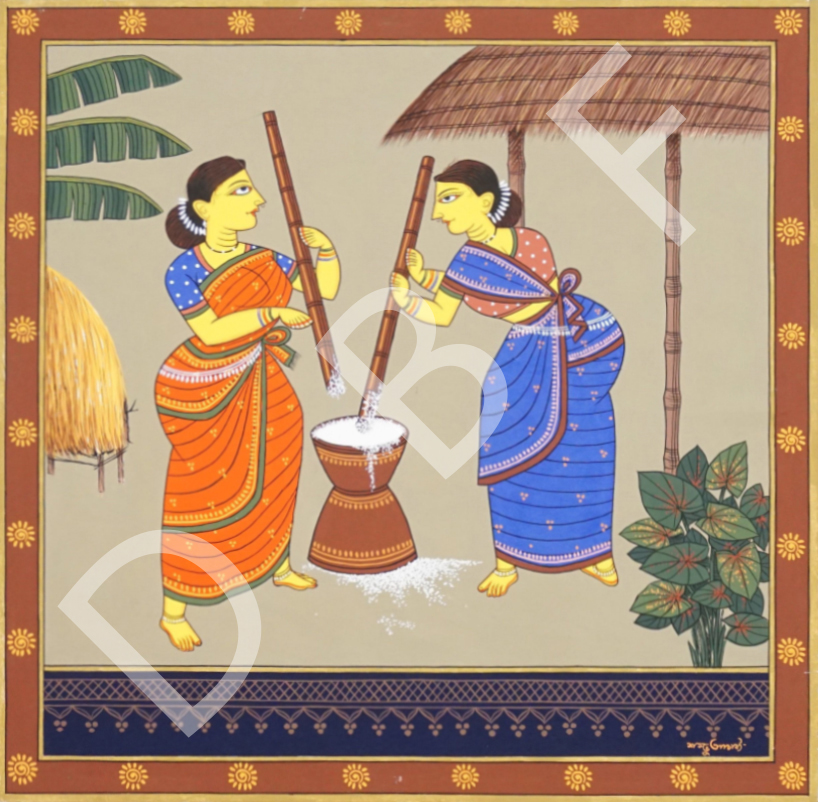
Title: Nabanno ( নবান্ন )
Size: 36 X 36 inch
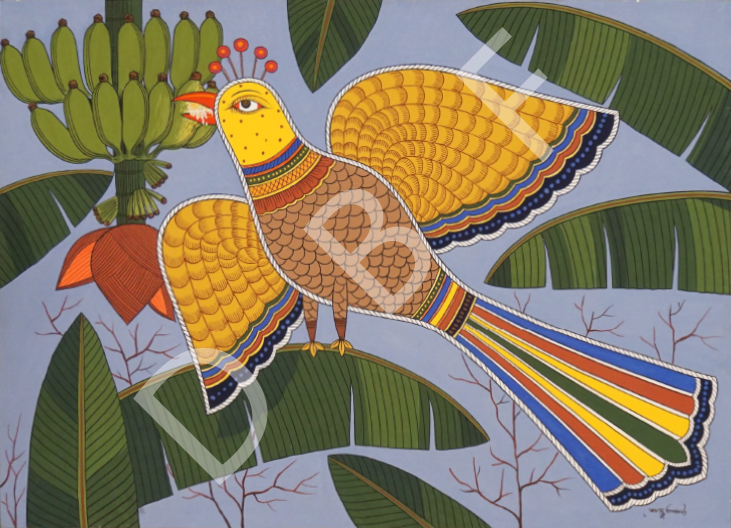
Title: Amar Odhikar (আমার অধিকার )
Size: 30 X 42 inch

Title: Noder Chand (নদের চাঁদ)
Size: 30 X 42 inch

Title: Asherbade Purnota (আশীর্বাদে পূর্ণতা )
Size: 30 X 36 inch

Title: Gouala o Biral ( গোয়ালা ও বিড়াল)
Size: 30 X 36 inch
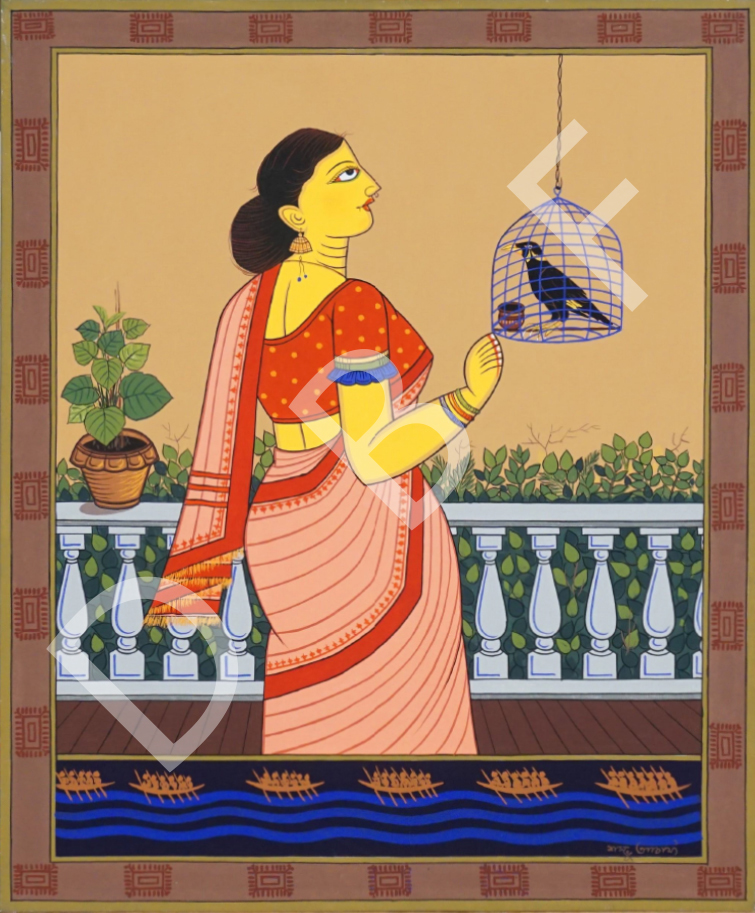
Title: Nirjon Songgi (নির্জন সঙ্গী )
Size: 30 X 36 inch
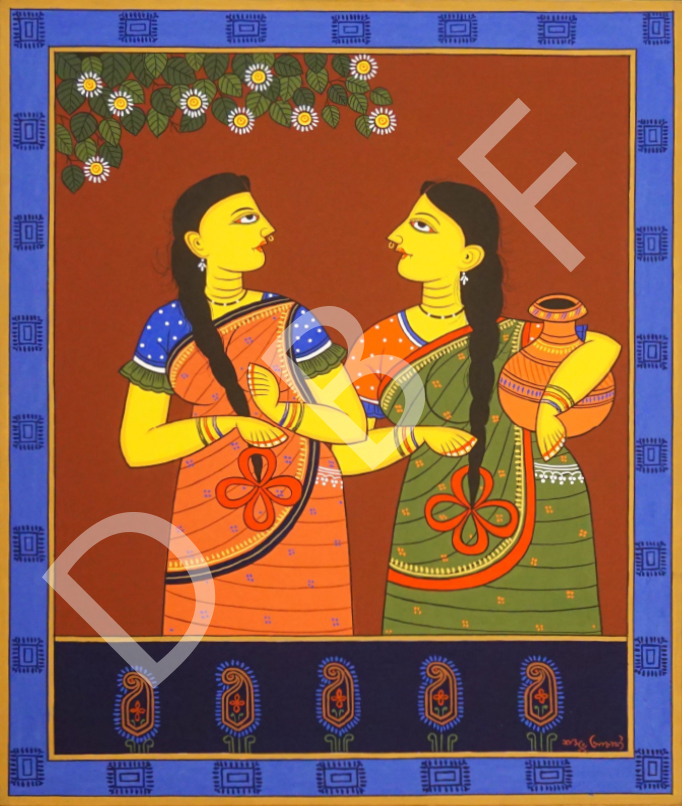
Title: Jolke Chol (জলকে চল )
Size: 36 X 30 inch

Title: Banijo Bihar (বানিজ্য বিহার)
Size: 18 X 72 inch
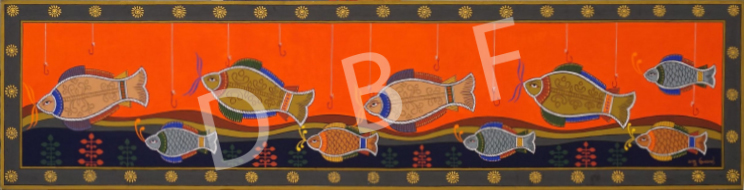
Title: Jiboner Bake (জীবনের বাঁকে)
Size: 18 X 72 inch
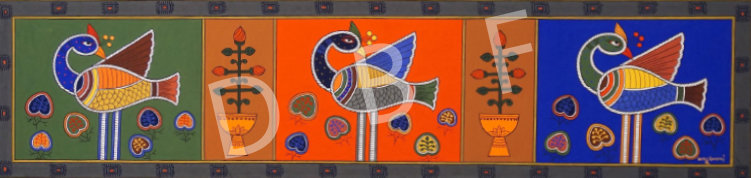
Title: Mon Moyuri-1 (মন ময়ূরী -১)
Size: 18 X 59.5 inch

Title: Gazir Pot (গাজীর পট)
Size: 56.5 X 22.5 inch
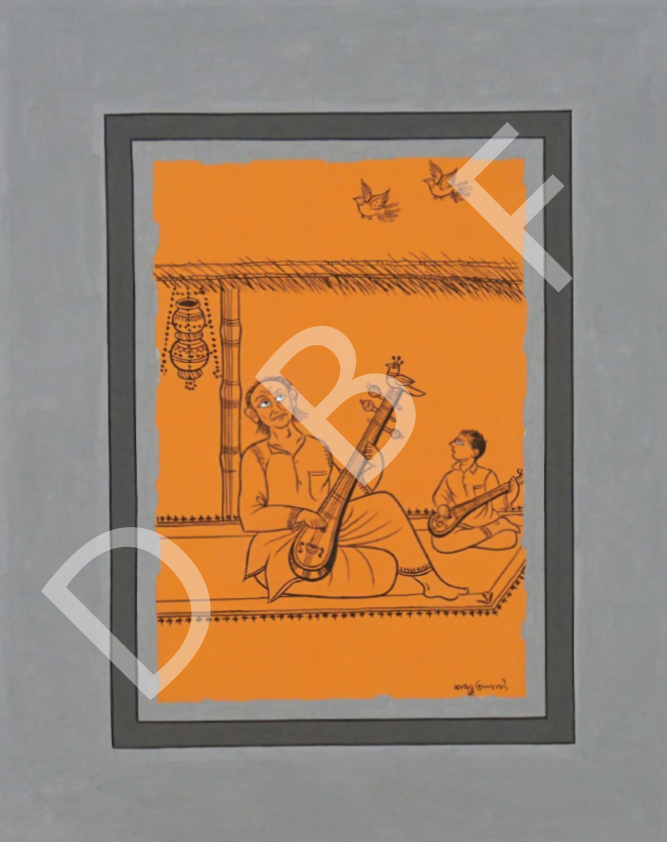
Title: Deekkha ( দীক্ষা )
Size: 30 X 24 inch
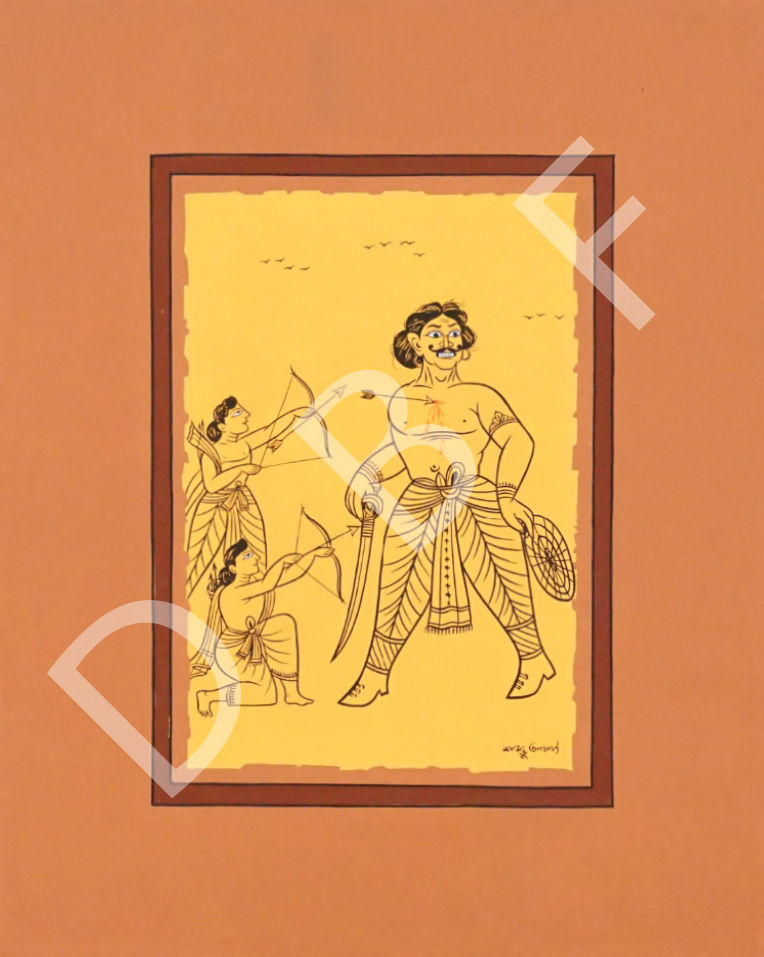
Title: Rabon Bodh (রাবন বধ)
Size: 30 X 24 inch

Title: Maharam (মহরম)
Size: 36 X 30 inch

Title: Atotuku Choya (এতটুকু ছোঁয়া)
Size: 30 X 36 inch
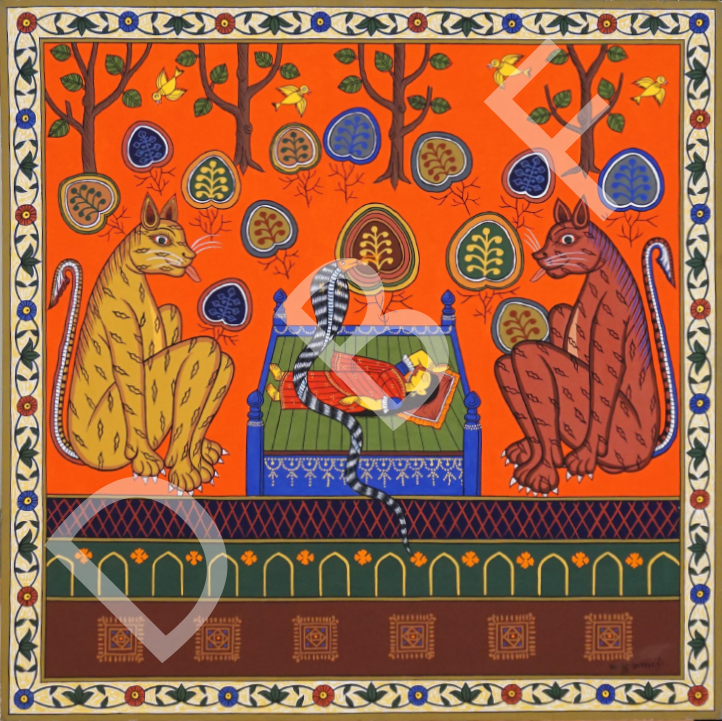
Title: Seetar Banobash-2 ( সীতার বনবাস-২)
Size: 36 X 36 inch

Title: Avisar (অভিসার)
Size: 36 X 30 inch

Title: Panseete Jay Gaer Bodhu
( পানসিতে যায় গায়ের বধূ )
Size: 30 X 48 inch

Title: Untitled
Size: 48 X 60 inch

Title: Kesh Binnash-2 (কেশ বিন্যাশ-২)
Size: 29.5 X 29.5 inch
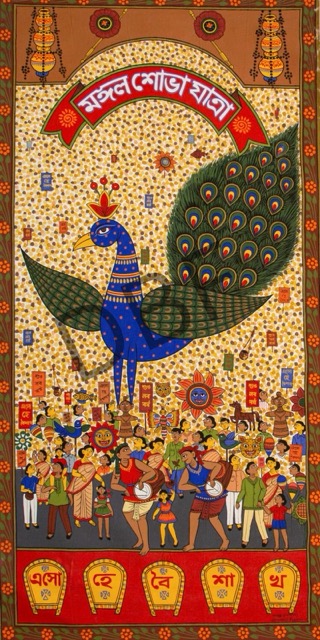
Title: Mongol Shobhajatra
Year: 2021
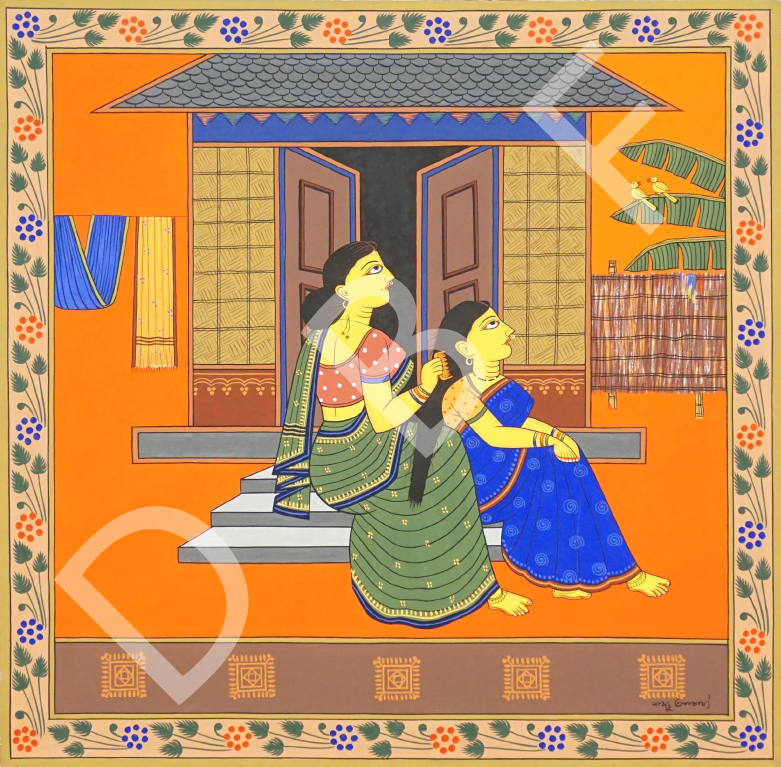
Title: Kesh Binnyash 2
Size: 36 X 36 inch

Size: 7.25x 100 ft
Year: 2022-2024
Title: Gazir Pot
Size: 12X 6 ft